
Amid the canals of Amsterdam and the innovative biotech hubs of Leiden, the Dutch pharmaceutical industry stands as a pillar of precision and sustainability. Drawing from a heritage of meticulous engineering, much like the country’s famous windmills harnessing natural forces, companies here pioneer fermentation processes for antibiotics and biologics. These methods, while revolutionary for health, generate exhaust gases rich in volatile compounds that demand careful management to preserve the pristine air quality the Netherlands cherishes.
Navigating the Complexities of Fermentation Exhaust in Dutch Pharma
Fermentation in pharmaceuticals involves cultivating microorganisms in bioreactors, often under controlled conditions to produce life-saving drugs. In the Netherlands, where firms like DSM in Delft lead in enzyme production, the exhaust from these tanks carries alcohols, ketones, and sulfur compounds from metabolic byproducts. High humidity from sterilization steam adds another layer, potentially leading to corrosion in standard systems. Our RTO designs address this by incorporating pre-scrubbers to handle bio-aerosols, ensuring operations in humid climates like those in Zeeland province remain uninterrupted.
Neighboring Belgium’s Antwerp port area shares similar challenges in biotech exhaust, with joint EU projects fostering cross-border tech exchanges. Globally, in top pharmaceutical nations such as the United States with its FDA-regulated facilities in New Jersey, or Switzerland’s Basel cluster, similar RTO adaptations manage fermentation odors effectively.
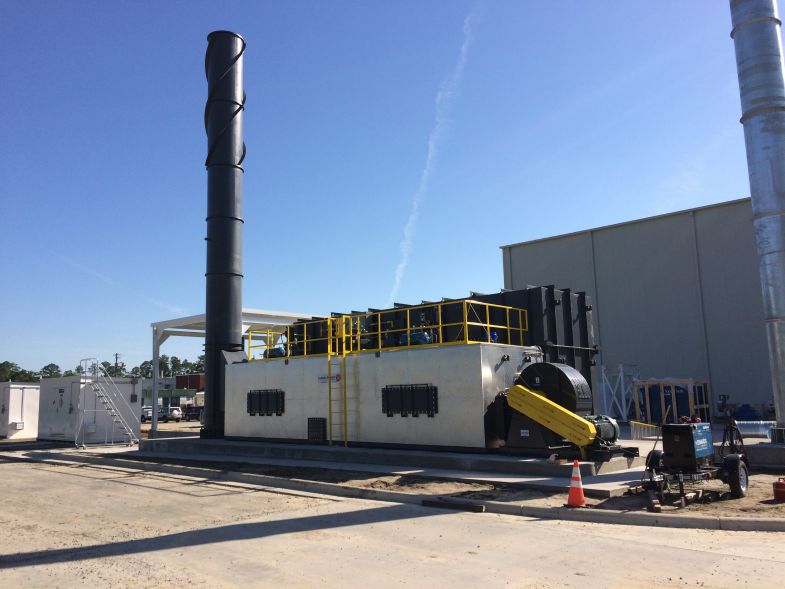
Core Advantages Tailored for Dutch Biotech Operations
Inspired by the Netherlands’ commitment to circular economy, our systems recover heat from oxidation processes, feeding it back into sterilizers or heating facilities in energy-efficient regions like Utrecht. This mirrors the country’s dike systems, turning potential waste into valuable resources. For fermentation gases with variable loads from batch processes, our flexible designs maintain stability, crucial for continuous production in North Brabant’s pharma parks.
Worldwide, in Germany’s Rhine Valley or Japan’s Osaka hubs, these features help comply with stringent laws like TA Luft or Japan’s Air Pollution Control Act, where cases show RTO reducing emissions below 50 mg/Nm³.
Detailed Technical Specifications: Engineered for Excellence
Our RTO units feature 26 precisely calibrated parameters optimized for pharmaceutical fermentation exhaust:
- Thermal Recovery Rate: Up to 97%, capturing heat from oxidation for reuse in Dutch energy-conscious setups.
- VOC Destruction Rate: Exceeding 99%, effectively breaking down methanol and acetone from fermentations.
- Airflow Handling: 10,000 to 150,000 Nm³/h, suitable for small labs in Groningen to large plants in South Holland.
- Combustion Chamber Temp: 800-950°C, ensuring complete decomposition of sulfur compounds.
- Gas Residence Time: 1-2 seconds, allowing thorough reaction in variable biotech flows.
- System Pressure Drop: Below 3 kPa, minimizing energy for fans in compact facilities.
- Valve Cycle Time: 90-180 seconds, with robust poppet valves for reliability.
- Construction Materials: 316L stainless with optional Hastelloy for acid resistance from H₂S.
- Heat Media Type: Structured ceramic blocks with high void fraction to prevent biofouling.
- NOx Output: Under 40 mg/Nm³ using advanced low-NOx burners.
- Unit Footprint: 15-60 m², fitting urban sites like those in Amsterdam.
- Power Usage: 8-25 kW, efficient for sustainable operations.
- Maintenance Schedule: Every 15 months for inspections.
- Safety Mechanisms: Continuous LEL detection with auto-shutdown.
- Operational Noise: Less than 80 dB, compliant with Dutch residential area standards.
- Warm-up Period: 45 minutes to operational temperature.
- Load Flexibility: 8:1 turndown for batch fermentations.
- Corrosion Tolerance: Handles pH 3-11 in inlet streams.
- Particle Capture: 98% for 5µm bio-aerosols via integrated filters.
- Odor Elimination: Over 99.5% for amines and mercaptans.
- Fuel Compatibility: Natural gas or biogas, aligning with Dutch green energy shifts.
- Control Interface: SCADA system with IoT for remote oversight.
- System Mass: 8-25 tons, transportable via Dutch waterways.
- Expected Durability: 18-25 years with proper care.
- Setup Duration: 5-7 weeks on location.
- Certifications: Compliant with EU IED and Dutch Activities Decree.
Critical Components and Maintenance Essentials
Key parts include switching valves for gas flow direction, ceramic regenerators for heat storage, and combustion burners for ignition. Consumables like seals and filters need regular replacement to handle humid gases. Transmission elements such as actuators ensure smooth valve operations, vital in corrosive environments from fermentation acids.
Regulatory Landscape Influencing Dutch Pharma
The Netherlands adheres to the EU Industrial Emissions Directive (IED), setting BAT-AELs for VOCs at below 20 mg/Nm³ for pharma processes. In provinces like Limburg, local decrees add odor thresholds under 1 OU/m³ at boundaries. Neighboring France follows similar IED rules, while top global players like India enforce CPCB standards with RTO cases reducing emissions by 95% in Hyderabad facilities.
In Gelderland’s Nijmegen, a biotech firm used RTO to meet provincial air quality goals, mirroring successes in the US under EPA NESHAP with destruction efficiencies over 99%.
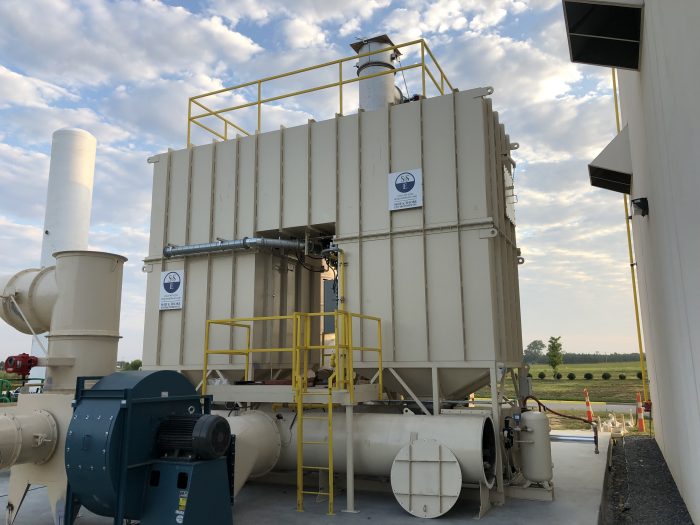
Comparative Analysis of Leading Technologies
Our solutions integrate seamlessly with processes, offering advantages in handling biotech specifics. Compared to setups like those from Dürr™ (for technical reference only; EVER-POWER is an independent manufacturer), our RTO provides equivalent 97% efficiency but with tailored pre-treatment for fermentation humidity. Systems similar to Anguil™ (for technical reference only; EVER-POWER is an independent manufacturer) excel in VOC control, yet our designs emphasize odor mitigation crucial for Dutch urban sites.
Unique Challenges in Pharmaceutical Fermentation Exhaust
Fermentation gases feature high moisture from aeration, bio-aerosols carrying microbes, and variable VOC loads from growth phases. In the Netherlands, where water management is ingrained, our systems include dehumidifiers to prevent condensation, ensuring reliability in foggy Friesland winters.
Insights from Field Experience and Successful Implementations
During a project in Rotterdam’s Europoort, we tackled a fermenter exhaust with high H₂S, installing RTO that dropped odors below detectable levels, allowing the plant to expand amid residential areas. Another in Eindhoven involved customizing for insulin production, where our team’s adjustments cut energy use by 30%, drawing from years of observing microbial behaviors in similar setups.
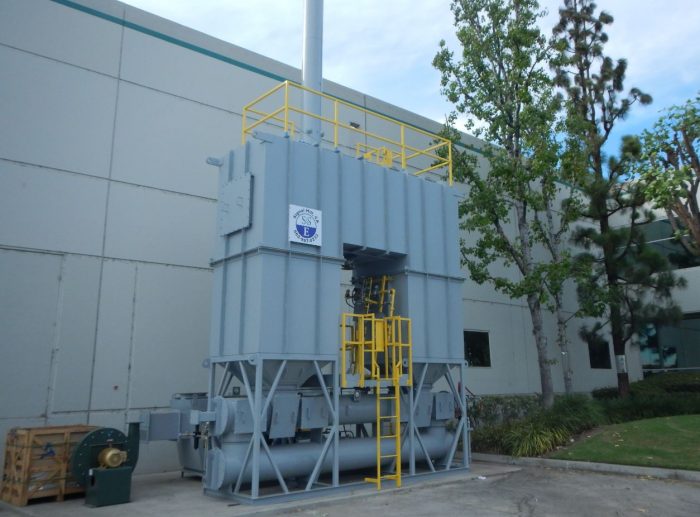
Global and Regional Adaptations in Pharma Biotech
In leading markets like China’s Shanghai, RTO handles similar gases under GB 37823-2019, with cases showing 99% efficiency. Brazil’s São Paulo uses it for vaccine production, complying with CONAMA resolutions. In Dutch Overijssel, integrations with local grids recycle heat, echoing practices in neighboring UK’s Cambridge biotech corridor.
Innovative Enhancements for Optimal Performance
Pairing RTO with bio-scrubbers removes ammonia pre-oxidation, a tweak from recent studies enhancing longevity. Digital twins monitor in real-time, fitting the Netherlands’ tech-savvy industry.
Sustaining Operations Through Smart Maintenance
Quarterly valve inspections prevent leaks from bio-buildup, while media cleaning extends life in humid conditions. Upgrades like sensor arrays predict failures, minimizing downtime in fast-paced Utrecht labs.
Broader Applications Across Biotech Landscapes
Lessons from Denmark’s Copenhagen, with its Novo Nordisk facilities, inform Dutch adaptations where RTO manages enzyme fermentation with minimal environmental footprint.

Current Developments in Dutch Pharmaceutical Exhaust Management
In late 2025, a Leiden-based firm adopted enhanced RTO for fermentation, aligning with updated RED III targets for low-emission biotech. Amsterdam’s pharma sector saw a push for odor-free operations post-PFAS regulations, with RTO integrations reducing VOCs by 98%. Globally, a German plant in Bavaria reported similar successes under TA Luft, while US EPA updates emphasized RTO for HAP control in fermentation.
Contact our team to obtain a customized هيئة النقل الإقليمية blueprint to support your success.