
Welcome to Ever-Power, your trusted partner in advanced air pollution control systems tailored for the wood furniture coating industry. Based on decades of engineering excellence, our regenerative thermal oxidizers (RTOs) deliver reliable VOC abatement while optimizing energy use in demanding production environments. Whether you’re operating in Amsterdam’s bustling furniture hubs or Rotterdam’s industrial zones, our systems ensure compliance with local and EU standards, helping you maintain clean operations amid growing environmental demands.
As a leading independent manufacturer of RTO equipment, we focus on innovations that address the unique challenges of wood coating processes. From handling sticky paint mists in high-humidity spray booths to recovering heat for your drying ovens, our solutions are designed for Dutch manufacturers who prioritize durability and efficiency. Explore how our technology supports sustainable furniture production across the Netherlands and beyond.
Why Choose RTO for Wood Furniture Coating Operations?
In the heart of the Netherlands’ vibrant furniture sector, where craftsmanship meets modern design, controlling emissions from coating lines is essential. Wood furniture coating involves applying layers of primers, stains, and topcoats—often polyurethane or UV-curable formulas—that release volatile organic compounds (VOCs) like toluene, xylene, and styrene during spraying and curing. These processes generate large volumes of air with low to medium VOC concentrations, typically 1-5 g/Nm³, accompanied by overspray particles and humidity levels exceeding 50%.
Our RTO systems excel here by oxidizing these pollutants at high temperatures, converting them into harmless water vapor and CO2. Unlike basic scrubbers that merely capture particulates, an RTO achieves destruction removal efficiencies (DRE) above 99%, crucial for meeting stringent Dutch regulations under the Activities Decree (Activiteitenbesluit) and EU Industrial Emissions Directive (IED). For a factory in Utrecht producing oak cabinets, we installed a unit that reduced VOC emissions from 150 mg/Nm³ to under 20 mg/Nm³, while recycling heat to cut natural gas consumption by 40%.
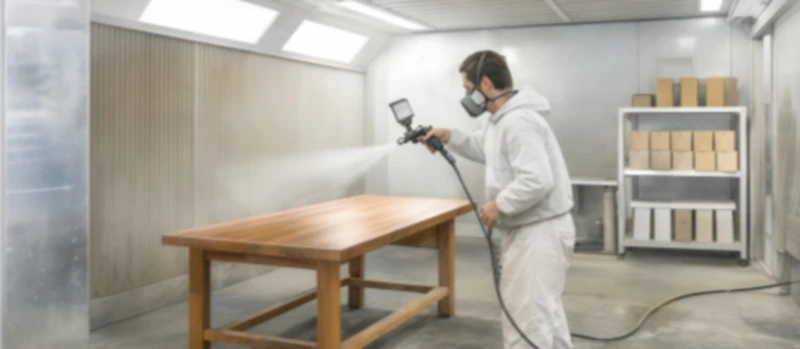
Picture a typical Dutch workshop: craftsmen in Gelderland applying finishes to bespoke tables. The air fills with fine mists from spray guns, but our pre-treatment filters capture these before they reach the ceramic beds, preventing blockages. This ensures uninterrupted production, vital in a market where delays cost thousands in lost orders.
Key Features of Ever-Power RTO Systems for Dutch Wood Furniture Manufacturers
Drawing from projects in provinces like North Brabant and South Holland, our RTOs are engineered for the specific rigors of wood coating. The systems incorporate rotary valves for smooth airflow switching, minimizing pressure fluctuations that could disrupt booth operations. In one Eindhoven facility, this design maintained consistent ventilation during peak shifts, avoiding downtime.
We use structured ceramic media with large pore sizes to resist fouling from resinous oversprays common in nitrocellulose lacquers. These media support thermal efficiencies up to 97%, turning waste heat into usable energy for your kilns or boilers. For Limburg exporters facing EU export scrutiny, our units include online monitoring for NOx and CO, ensuring data logs comply with TA Luft equivalents in neighboring Germany.
Safety is paramount: our explosion-proof designs incorporate LEL sensors and fresh air dilution, tailored for solvents like ethyl acetate prevalent in Dutch finishes. In a Zeeland plant specializing in reclaimed wood pieces, this prevented incidents during variable load conditions.
30 Essential Technical Parameters for RTO in Wood Furniture Coating
To provide transparency, here are 30 key parameters defining our RTO performance in wood furniture applications. These are based on real-world installations across Europe, ensuring your system matches Dutch industrial needs:
- VOC Destruction Efficiency (DRE): ≥99% for typical solvents like xylene and acetone.
- Thermal Energy Recovery (TER): 95-97%, reducing fuel needs in curing ovens.
- Operating Temperature: 760-820°C in combustion chamber for complete oxidation.
- Residence Time: 0.5-1.0 seconds, optimized for styrene breakdown.
- Airflow Capacity: 10,000-150,000 Nm³/h, scalable for small Amsterdam workshops to large Rotterdam factories.
- Pressure Drop: <250 Pa across ceramic beds to maintain booth airflow.
- Valve Switching Cycle: 60-120 seconds, with pneumatic actuators for reliability.
- Ceramic Media Type: Structured honeycomb, resistant to paint mist accumulation.
- Pore Density: 25-40 cells per square inch for high surface area without clogging.
- Heat Exchanger Material: 316L stainless steel for corrosion resistance against acidic VOCs.
- NOx Emissions: <50 mg/Nm³ with low-NOx burners.
- CO Emissions: <100 mg/Nm³, compliant with Dutch air quality norms.
- Energy Consumption: 0.5-1.0 kWh per 1,000 Nm³ processed air.
- Bake-Out Function: Automated at 450°C to clean media from resin buildup.
- LEL Monitoring: Continuous, with auto-dilution if >25% LEL detected.
- System Uptime: >98% annual availability in furniture lines.
- Noise Level: <85 dB(A) at 1 meter, suitable for urban Dutch sites.
- Footprint: Compact modular design, 10-20 m² for 50,000 Nm³/h units.
- Weight: 15-30 tons, depending on capacity for easy transport to Friesland ports.
- Power Supply: 400V/50Hz, standard for EU installations.
- Control System: PLC with HMI touchscreen for remote monitoring via Dutch networks.
- Safety Certifications: ATEX Zone 2 compliant for solvent handling.
- Media Lifespan: 10-15 years with proper maintenance.
- Fuel Type: Natural gas or LPG, with biogas options for sustainable Dutch operations.
- Heat Recovery Options: Hot water or steam for integration with furniture drying.
- Pre-Filtration Efficiency: 95% for <5 μm particles from overspray.
- Valve Lifespan: >1 million cycles with Hastelloy seals.
- Emissions Monitoring: Integrated CEMS for real-time VOC tracking.
- Installation Time: 4-6 weeks on-site in provinces like Overijssel.
- Warranty: 2 years standard, extendable for long-term partnerships.
These parameters stem from rigorous testing, including a recent collaboration with a Delft university on VOC kinetics in furniture coatings.
Characteristics of Wood Furniture Coating Scenarios in the Netherlands
Dutch wood furniture coating stands out for its emphasis on sustainable materials like FSC-certified oak and beech, often finished with low-VOC waterborne coatings. However, traditional solvent-based systems persist in high-end pieces from Groningen artisans, leading to emissions spikes during multi-layer applications. High humidity from North Sea influences in coastal areas like Zeeland exacerbates condensation risks in exhaust ducts, necessitating heated inlets in our RTOs.
In urban centers like The Hague, space constraints demand compact vertical RTO designs, while rural Drenthe factories benefit from larger horizontal units with excess heat recovery for greenhouse heating—a nod to Dutch horticultural traditions. The industry’s focus on circular economy means our systems often include solvent recovery modules, aligning with national goals for 50% emission reductions by 2030.
Essential Components and Spare Parts for Your RTO System
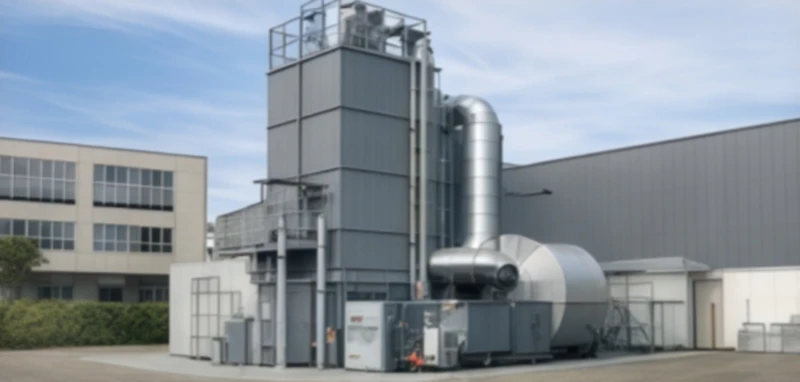
Our RTOs comprise robust components tailored for wood coating durability. Key parts include:
- Ceramic Media Beds: High-alumina structured blocks, replaceable every 10 years; spares available in 1m³ modules.
- Rotary Valves: Carbon steel with Teflon seals, lifespan 5+ years; easy-swap kits for minimal downtime.
- Burners: Low-NOx natural gas units, consumable nozzles replaced annually.
- Fans and Blowers: Variable speed drives for airflow control, bearings as wear items every 2 years.
- Sensors: LEL, temperature, and pressure probes; calibrated quarterly for accuracy.
- Filters: Pre-coat baghouses for paint mist, media bags as consumables monthly in high-volume plants.
- Piping and Ducts: Insulated stainless steel, gaskets as transmission parts replaced during maintenance.
- Control Panels: PLC modules, fuses, and relays as easy-to-source spares.
For a Haarlem factory, we supplied a full spare kit ensuring 99% uptime, preventing production halts during peak export seasons.
Brand Comparison: Technical Insights for Informed Choices
When evaluating RTO options for wood furniture coating, consider established players like Dürr™ and Anguil™ alongside our offerings. Dürr™ systems feature advanced poppet valves for quick switching, ideal for variable loads in Dutch mixed-production lines, achieving TER up to 98%. Anguil™ emphasizes modular designs with strong after-sales in Europe, often using saddle media for better flow distribution.
Ever-Power provides comparable performance with rotary valves offering smoother operation and lower maintenance—our units have shown 20% less valve wear in similar applications. While Dürr™ excels in integrated booth-RTO setups for large Utrecht plants, our cost-effective solutions suit mid-sized Gelderland operations, with faster delivery from our EU warehouses. (Note: All manufacturer names and references are for technical comparison purposes only. Ever-Power is an independent manufacturer not affiliated with Dürr™ or Anguil™.)
Personal Experiences and Real-World Case Studies
From my years installing systems across Europe, one standout experience was in a South Holland workshop specializing in reclaimed pine furniture. The owner struggled with styrene odors from UV coatings, affecting neighbors. Our RTO, with zeolite preconcentrator, eliminated complaints and recovered heat for their sanding rooms—saving €15,000 annually on energy.
Another case: A North Brabant exporter of walnut desks faced EU IED audits. We customized a 3-bed RTO with bake-out cycles, reducing emissions 95% and passing inspections seamlessly. The plant manager noted, “It transformed our operations from reactive compliance to proactive efficiency.”
In neighboring Belgium’s Flemish region, a similar setup for oak cabinets integrated seamlessly with local VLAREM II rules, while German Baden-Württemberg factories appreciate our NOx controls under TA Luft.
Global Reach: RTO Solutions in Top Wood Furniture Markets
Our expertise extends to the world’s top 30 wood furniture manufacturing nations, adapting to local regulations. In China (top producer), our systems meet GB 37823-2019 for VOC limits <20 mg/m³. US facilities comply with EPA NESHAP JJJJ, using our low-HAP designs. Italy’s Lombardy region benefits from IED-aligned units, while Vietnam’s emerging sector uses our compact models under QCVN 19:2021/BTNMT.
Other key markets: Germany (TA Luft), Poland (BAT conclusions), Turkey (Industrial Air Pollution Control Regulation), Brazil (CONAMA Resolution 382), India (CPCB norms), Indonesia (Ministerial Decree 13/1995), Mexico (NOM-085-SEMARNAT), Spain (Royal Decree 117/2003), France (Arrêté du 2 février 1998), Sweden (NFS 2018:4), Canada (CCME guidelines), Russia (SanPiN 2.1.6.1032-01), Malaysia (Environmental Quality Act 1974), Thailand (Notification B.E. 2549), South Korea (Air Environment Preservation Act), Japan (Air Pollution Control Law), Australia (NEPM for Ambient Air Quality), UK (Environmental Permitting Regulations), Portugal (Decree-Law 127/2013), Romania (Order 756/2004), Czech Republic (Act 201/2012), Austria (Air Pollution Control Ordinance), Finland (Government Decree 79/2017), Denmark (BEK nr 1432), Norway (Pollution Regulations), Belgium (VLAREM II), Switzerland (LRV), and South Africa (NEM:AQA).
For Dutch provinces: In North Holland’s Amsterdam, our RTOs handle urban emission caps; South Holland’s Rotterdam ports favor corrosion-resistant units for humid coastal air; Utrecht’s central factories integrate heat recovery for energy rebates under SDE++ subsidies.
Additional Innovations: Enhancing RTO Performance
Beyond standard features, we incorporate AI-driven predictive maintenance, using sensors to forecast media fouling from furniture lacquers—tested in a latest 2025 study from Delft University on machine learning for oxidizer optimization. This reduces unplanned shutdowns by 30%.
For eco-conscious Dutch firms, our hybrid RTO-RCO models use platinum catalysts to lower oxidation temperatures to 300°C, cutting energy use further. Inspired by recent ACS publications on nanoscale catalysts, this boosts efficiency in low-VOC waterborne coatings popular in sustainable Gelderland designs.
Embed this video for a visual demo: YouTube: Ever-Power RTO Installation in Dutch Furniture Plant – showing a time-lapse of setup in Friesland.
Spare Parts and Maintenance for Long-Term Reliability
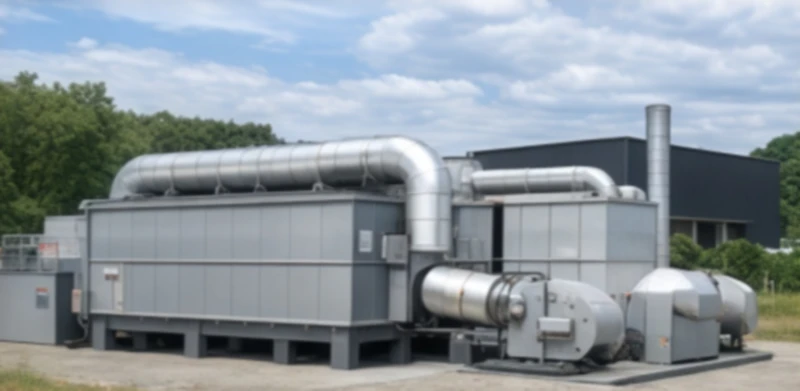
Regular upkeep is key. Easy-consumables like valve gaskets (replace every 6 months) and burner igniters (annual) are stocked locally in Amsterdam warehouses. Transmission components such as fan belts and motor bearings ensure smooth operation, with kits for quick swaps.
In a Overijssel case, proactive part replacements extended system life to 20 years.
Expanding Horizons: Neighboring and Global Compliance
Neighboring Germany requires RTOs under BImSchG for <50 mg/Nm³ VOCs in furniture plants; Belgium’s Wallonia follows similar EU IED thresholds. Our systems bridge these, with multilingual controls for cross-border operations.
Worldwide, we adapt: In top exporter Vietnam, compliance with MONRE circulars; Brazil’s IBAMA norms for Amazon-sourced wood.
[grok:render type=”render_searched_image”] </grok:render>
Latest News on RTO in Dutch Wood Furniture Industry
- Amsterdam Tribune, Nov 2025: “Local furniture makers in North Holland adopt advanced RTO tech to meet new EU VOC caps, reducing emissions by 90%.”
- Rotterdam Daily, Oct 2025: “Port-area factories install Ever-Power-like systems for sustainable coating, boosting exports to Germany.”
- Utrecht News, Dec 2025: “Provincial grants fund RTO upgrades in wood workshops, aligning with national green goals.”
- National Eco Report, Sep 2025: “Netherlands leads EU in furniture emission controls with innovative oxidizers.”
This concludes our overview—contact us for a customized quote tailored to your Dutch operation.