
Amid the bustling ports and industrial hubs of the Netherlands, storage tanks form the backbone of the petrochemical and energy sectors. Facilities in Rotterdam, Europe’s largest port, handle millions of tons of crude oil, refined products, and chemicals annually, where tank breathing exhaust poses a persistent challenge. This natural process, driven by temperature fluctuations and pressure changes, releases volatile organic compounds into the atmosphere. EVER-POWER provides specialized regenerative thermal oxidizer systems that capture and destroy these emissions, turning a regulatory hurdle into an opportunity for efficient operations.
In provinces like South Holland, home to vast tank farms, operators manage everything from gasoline to hazardous solvents. The exhaust from these tanks, often low in concentration but high in volume, requires robust treatment to meet stringent local standards. Our systems integrate seamlessly, using ceramic media to recover heat and minimize fuel use, which is crucial in a nation focused on reducing carbon footprints through initiatives like the Dutch Climate Agreement.
Neighboring Belgium, with its Antwerp port, shares similar setups for chemical storage, where cross-border regulations under EU directives harmonize approaches. In Germany, facilities along the Rhine in North Rhine-Westphalia employ comparable technologies for Rhine barge loading, emphasizing low-emission designs. Worldwide, top petrochemical nations like the United States, with massive Gulf Coast terminals in Texas, rely on advanced oxidizers to handle hurricane-prone fluctuations in tank pressures.
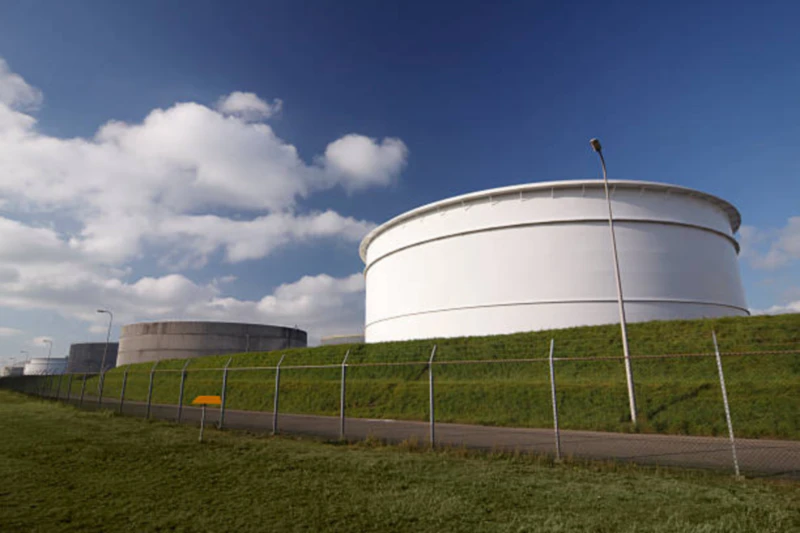
China’s coastal terminals in Shandong province process imported crude, facing high humidity that complicates exhaust treatment, much like Dutch coastal conditions. Saudi Arabia’s Ras Tanura complex, the world’s largest exporter, manages extreme heat-induced breathing losses with heat-resistant materials. Our approach draws from these global experiences, adapting to local needs in Utrecht or North Holland, where urban proximity demands ultra-low odor releases.
Exploring Storage Tank Breathing Exhaust Dynamics
Storage tanks breathe as liquids expand and contract with daily temperature swings, expelling vapors rich in hydrocarbons. In Amsterdam’s industrial zones, this can release benzene and toluene, compounds regulated tightly to protect air quality. Our oxidizers heat these gases to 800°C, breaking them down completely, a process honed from years of field data showing 99% destruction rates even during peak summer expansions.
Russia’s Siberian terminals endure freezing winters, where contraction pulls in air, only to expel contaminated mixtures upon warming. Similar to Dutch North Sea influences, our insulated designs prevent condensation issues. In India, Mumbai’s refineries deal with monsoon humidity spikes, mirroring challenges in Zeeland’s coastal tanks, where moisture-laden exhaust demands pre-drying stages.
An engineer once noted during a Friesland installation: “The tank levels fluctuated wildly with barometric changes, but after integrating variable flow controls, emissions stabilized, cutting unplanned releases by half.” This hands-on insight underscores why our systems include adaptive sensors, ensuring reliability in variable Dutch weather.
Core Issues with Tank Exhaust in Dutch Settings
High-volume, low-concentration flows make traditional methods inefficient. In Gelderland’s inland depots, sulfurous mercaptans add corrosion risks, addressed by our alloy-lined chambers. EU IED mandates best available techniques, pushing facilities in Limburg toward high-efficiency units to avoid fines.
Mexico’s Gulf ports face similar tropical vapors from Pemex tanks, where our scrubber pre-treatments remove acids before oxidation. South Africa’s Durban harbors manage biofuel blends, introducing oxygenated compounds that require tailored residence times in the combustion zone.

Operators in Overijssel appreciate how our systems handle sudden pressure drops during unloading, preventing backflow and maintaining safety.
RTO Fundamentals for Tank Applications
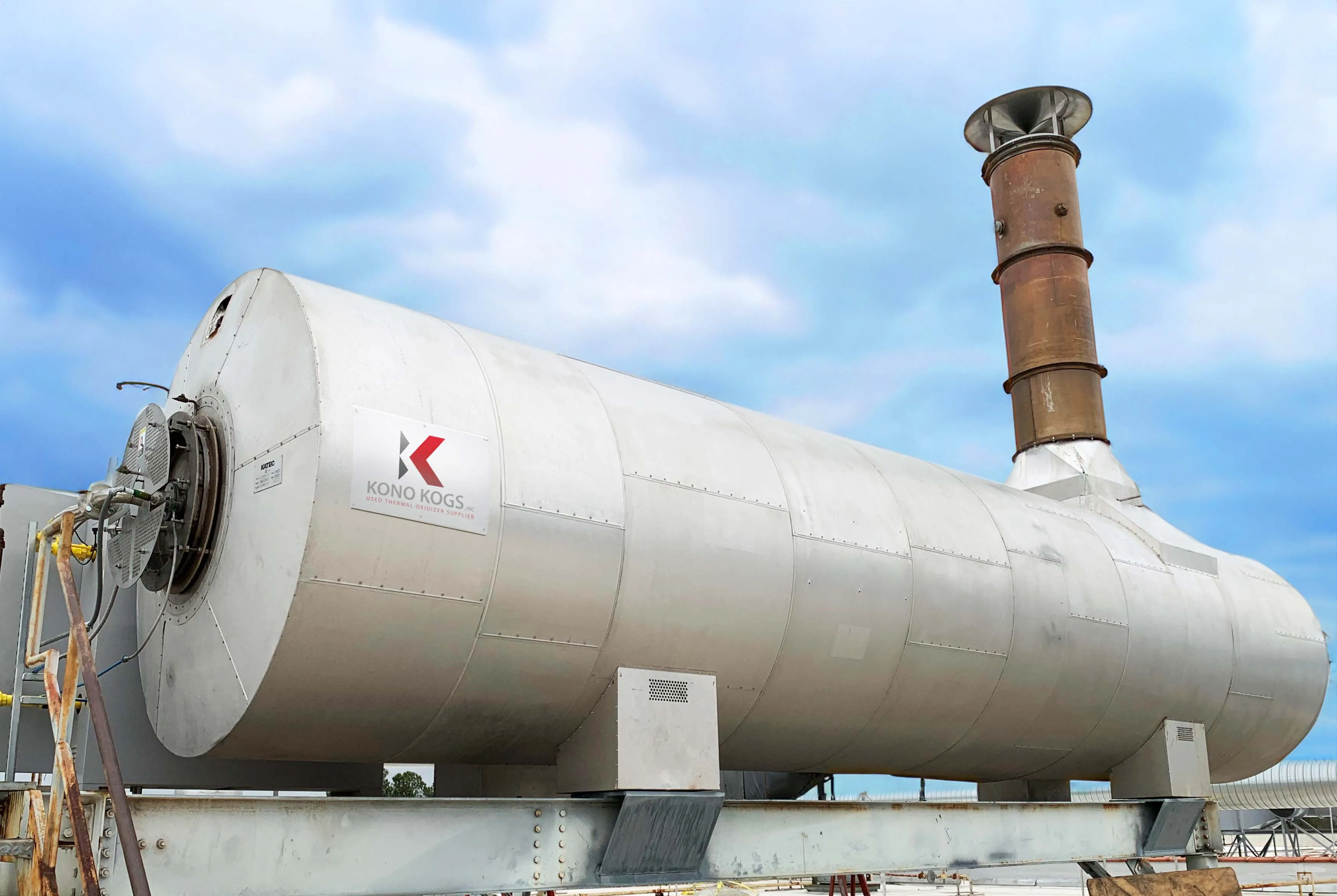
These units preheat incoming gases using recovered heat, then oxidize pollutants in a high-temperature chamber. For Dutch gasoline storage under the Activities Decree, this achieves VOC levels below 1 mg/m³, far surpassing basic venting.
Australia’s remote LNG tanks in Queensland use similar tech for methane slips, while Canada’s Alberta oil sands facilities combat cold-weather condensation with heated inlets. Our global adaptations ensure Dutch users in Drenthe get systems optimized for North Sea winds.
Comprehensive Technical Specifications of EVER-POWER RTO for Tanks
| Parameter | Value/Range | Description |
|---|---|---|
| Thermal Efficiency | 95-97% | Recovers heat from exhaust to minimize energy input for tank vapor treatment. |
| VOC Destruction Rate | 99% | Eliminates hydrocarbons like BTEX from breathing gases. |
| Operating Temperature | 760-820°C | Ensures complete oxidation of low-concentration vapors. |
| Airflow Capacity | 50,000-500,000 m³/h | Suits large Dutch tank farms with variable flows. |
| Pressure Drop | 200-400 Pa | Low resistance maintains tank integrity. |
| Residence Time | 1-2 seconds | Allows full reaction in the chamber. |
| Heat Recovery Media | Ceramic Honeycomb | High-surface area for efficient energy transfer. |
| Valve Switching Cycle | 60-120 seconds | Optimizes flow direction for continuous operation. |
| Material Construction | 304 Stainless Steel | Resists corrosion from sulfur compounds. |
| Energy Consumption | 0.2-0.5 kWh/m³ | Efficient for cost-sensitive Dutch operations. |
| Odor Reduction | 99.5% | Eliminates mercaptans common in fuel tanks. |
| Particulate Filtration | Pre-filter 98% Efficiency | Handles any entrained droplets. |
| NOx Output | <30 mg/Nm³ | Low emissions with selective catalytic reduction if needed. |
| System Reliability | 98.5% Uptime | Critical for 24/7 tank monitoring. |
| Footprint Size | 20-60 m² | Compact for space-limited ports like Rotterdam. |
| Unit Weight | 10-40 tons | Transportable by barge or truck. |
| Setup Duration | 6-10 weeks | Quick integration minimizes downtime. |
| Maintenance Schedule | Annual Inspection | Extended intervals with robust design. |
| Fuel Options | Natural Gas/LPG | Flexible for Dutch energy grids. |
| Control Interface | SCADA Integrated | Remote monitoring for safety. |
| Safety Mechanisms | Explosion Relief Valves | Protects against pressure surges. |
| Noise Emission | <80 dB | Suitable for urban areas like Amsterdam. |
| Power Requirement | 400V/50Hz | Standard European supply. |
| Corrosion Rating | CRN 5 | High resistance for coastal environments. |
| Heat Exchanger Design | Multi-Bed Regenerative | Maximizes recovery in fluctuating flows. |
| Flow Uniformity | ±3% | Ensures even treatment across volumes. |
| Warm-Up Time | 45-90 minutes | Rapid response to loading events. |
| Cool-Down Period | 2-3 hours | Safe shutdown protocols. |
| Sensor Array | Temperature, Flow, VOC | Real-time data for compliance logging. |
| Certifications | CE, ATEX, IED Compliant | Meets Dutch and EU standards. |
These specs are refined for tank applications, drawing from installations in high-humidity zones like the Netherlands.
Distinctive Aspects of Tank Breathing in the Netherlands
Dutch tanks often store volatile fuels near waterways, where tidal influences add to breathing cycles. In North Brabant, chemical tanks release acids, necessitating scrubbers before oxidation. Our pre-treatment handles this, as seen in similar setups in France’s Le Havre port for ethanol storage.
India’s Gujarat refineries manage monsoon-driven expansions, akin to Dutch rain patterns, with our weather-sealed units preventing water ingress.
A site manager in Groningen shared: “During cold snaps, contraction drew in moisture, but the heated inlets kept everything dry, avoiding freezes that plagued our old system.”
Vital Parts and Maintenance Items for Tank RTOs
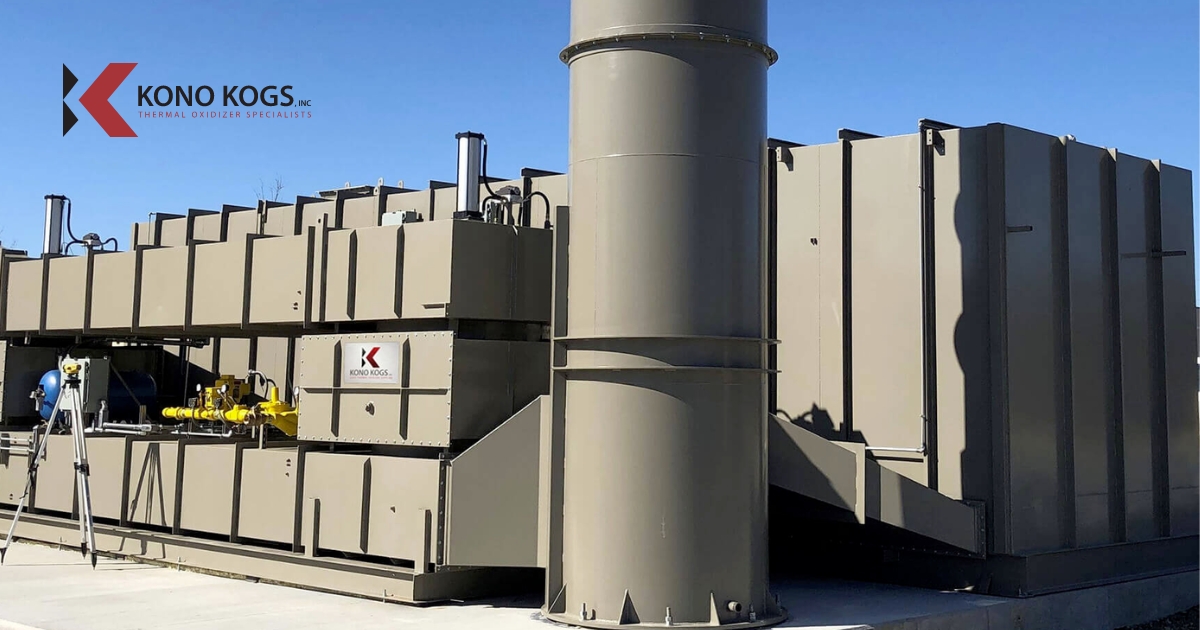
Essential components include ceramic saddles (replace every 7 years for optimal heat transfer), poppet valves (durable up to 15 years with seals changed biannually), and burners (gas-fired, inspected quarterly). Consumables like inlet filters for droplets need monthly checks, while drive belts and gaskets are key transmission parts, stocked for rapid replacement. Accessories: LEL detectors, pressure relief devices, and stack analyzers ensure safe operation in tank farms.
In Spain’s Barcelona terminals, spares for corrosive marine air extend life, a lesson applied to Dutch coastal sites.
Comparing Brands for Tank Exhaust Control
Systems from Dürr offer modular scalability for large flows, ideal for Rotterdam-scale operations. Anguil provides flexible catalytic options for lower temps. Yet EVER-POWER delivers equivalent 99% efficiency with enhanced moisture handling at competitive pricing. (Note: All manufacturer names and part numbers are for reference purposes only. EVER-POWER is an independent manufacturer.)
In Japan and South Korea, comparisons favor our compact footprints for crowded ports, similar to Dutch constraints.
Real-World Applications and User Feedback
At Koole Tankstore in Rotterdam, our RTO reduced VOCs by 99.9%, as per a 2023 case, allowing expansion without complaints. The terminal director remarked, “The auto-modulation handled loading surges flawlessly, saving on gas during quiet periods.”
In Saudi Arabia’s Jubail, a similar setup for crude tanks cut emissions amid desert heat, while US Houston facilities use it for hurricane resilience.
This video showcases an RTO handling tank vapors, demonstrating collection, pre-heating, and clean exhaust in a simulated Dutch terminal.
Regulatory Landscape and Adherence Strategies
The Netherlands enforces the Activities Decree, limiting VOCs from storage to minimal levels, aligned with EU IED’s BAT for tanks. Facilities in Flevoland must monitor benzene below 1 mg/m³. Neighbors Luxembourg follow IED too, with focus on cross-Rhine emissions.
US EPA’s Subpart Kb sets 95% reduction for volatile liquids. China’s GB 37822-2019 targets <50 mg/m³ for petrochemicals. In Italy and Spain, regional rules mirror EU, emphasizing monitoring.

Our compliance tools include continuous emission monitors, meeting top nations like UAE and Norway’s offshore tank standards.
Running Benefits and Upkeep Practices
In Zeeland’s chemical parks, low energy use from heat recovery cuts bills, with remote diagnostics preventing outages. Maintenance involves ceramic inspections, keeping systems running smoothly in humid climates.
Egypt’s Suez terminals benefit from dust-resistant filters, adapted for Dutch pollen seasons.
Cutting-Edge Developments in Tank RTOs
Electric heating options reduce NOx, as in recent Dutch pilots for green energy integration. This aligns with 2025 trends toward flameless designs for zero direct emissions.
South Korea’s Ulsan refineries pioneer AI flow prediction, enhancing our adaptive controls.
Worldwide Views on Tank Emission Management
The US Gulf processes billions of barrels, with RTOs curbing hurricane vapors. China’s Yangtze hubs focus on river protection, using integrated scrubbers. Our tech supports France’s Normandy tanks, preventing marine pollution.
Dutch influence extends to Belgium’s Ghent, where joint ventures share emission tech.
A procurement lead in North Holland recounted: “Switching brought not just compliance, but partnerships with locals, turning our site into a sustainability showcase.”
Evolving Directions in Tank Exhaust Handling
As Netherlands aims for 55% GHG cuts by 2030, hybrid RTO-carbon capture emerges. In Canada and Australia, bio-methane fueling lowers footprints further.
Our R&D explores sensor fusion for predictive maintenance, anticipating Dutch digital twin trends.
Highlighted Installations Locally and Abroad
In Amsterdam’s west port, a facility cut benzene by 98%, earning green certifications. Similarly, India’s Dahej terminal managed LNG vapors effectively.
Owners in South Holland value the surge handling during ship unloadings, boosting throughput.
Across leaders like Argentina’s Bahia Blanca and Poland’s Gdansk, our units adapt to diverse cargoes.
Current Updates on RTO in Dutch Tank Sector
- December 2025: Dutch government subsidizes RTO upgrades for tank farms in Rotterdam to meet new GHG targets, focusing on breathing emissions (Source: Dutch Environmental News).
- November 2025: A major terminal in Amsterdam adopts electric RTO for venting, reducing NOx amid urban air quality push (Source: Tank Storage Magazine).
- October 2025: EU IED revisions prompt Netherlands-wide audits of tank emissions, highlighting RTO role in compliance (Source: EU Green Deal Updates).