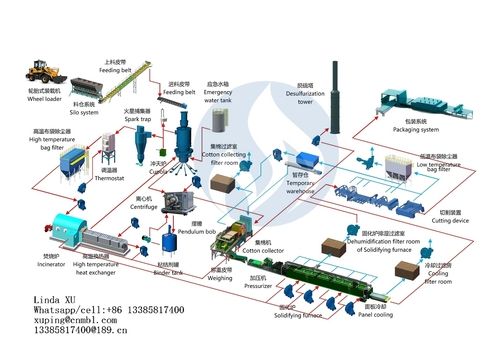
Di tengah-tengah sektor penebat inovatif Eropah, di mana kejuruteraan ketepatan bertemu dengan amalan lestari, EVER-POWER berdiri sebagai rakan kongsi yang boleh dipercayai untuk pengeluar bulu kaca yang menghadapi permintaan kualiti udara yang ketat. Pengoksida Termal Regeneratif (RTO) kami direka bentuk untuk menangani cabaran unik barisan pengeluaran gentian kaca, memastikan operasi yang bersih sambil meningkatkan kecekapan tenaga. Berdasarkan pemasangan lapangan selama bertahun-tahun merentasi pelbagai iklim, sistem ini mengubah sebatian organik meruap daripada aplikasi pengikat kepada hasil sampingan yang tidak berbahaya, semuanya sambil memulihkan haba berharga untuk penggunaan semula proses.
Bulu kaca, bahan ruji dalam pembinaan Belanda kerana sifat terma dan akustiknya yang unggul, melibatkan pencairan bahan mentah seperti pasir dan kaca kitar semula pada suhu yang melampau, diikuti dengan pengserabut dan pengikatan dengan resin organik. Proses ini membebaskan VOC seperti formaldehid dan fenol, yang diteutralkan oleh unit RTO kami secara berkesan. Di kawasan seperti hab perindustrian Rotterdam atau pembangunan berfokus eko Amsterdam, di mana kod bangunan menekankan jejak karbon rendah, teknologi kami menyokong pematuhan tanpa menjejaskan output.
Ciri-ciri Utama Pengeluaran Bulu Kaca dan Cabaran Pelepasan
Pengeluaran bulu kaca bermula dengan pencampuran pasir silika, abu soda, batu kapur dan cullet secara berkelompok, yang dicairkan dalam relau pada suhu sekitar 1400°C. Kaca cair kemudiannya dipintal menjadi gentian, disalut dengan resin fenolik atau pengikat akrilik untuk meningkatkan ketahanan. Peringkat pengikatan ini adalah tempat kebanyakan pelepasan berlaku, kerana haba menyembuhkan resin, meruap bahan organik. Kilang-kilang di Belanda, yang terkenal dengan rantaian bekalan mereka yang cekap yang membekalkan ledakan pembinaan di Amsterdam dan The Hague, mesti menguruskan asap ini untuk mengelakkan penalti di bawah Akta Pengurusan Alam Sekitar Belanda (Wet milieubeheer).
Tidak seperti bulu batu, gentian bulu kaca yang lebih halus memerlukan kawalan yang tepat ke atas aliran ekzos untuk mengelakkan pengumpulan zarah. Reka bentuk RTO kami menggabungkan pra-penapis untuk menangkap habuk silika, memastikan ketahanan dalam persekitaran berhabuk tinggi yang lazimnya terdapat pada barisan gentian kaca di Eindhoven atau Utrecht. Wilayah Flanders di Belgium yang berjiran, dengan kluster pembuatannya yang padat, berkongsi isu yang serupa, mematuhi peraturan VLAREM II yang mengehadkan pelepasan VOC pada 50 mg/Nm³ untuk proses sedemikian.
Jerman, pengeluar bulu kaca terbesar di Eropah, menguatkuasakan piawaian TA Luft, mengehadkan jumlah karbon organik kepada 20 mg/m³, mendorong kilang-kilang di Bavaria atau North Rhine-Westphalia ke arah pengoksida termaju. Klasifikasi ICPE Perancis memerlukan BAT (Teknik Terbaik yang Tersedia) untuk pemasangan di Normandy atau Alsace, di mana RTO mencapai kadar pemusnahan 98%+. Agensi Alam Sekitar UK mewajibkan perkara yang sama di bawah EPR, dengan tapak di Yorkshire mendapat manfaat daripada pemulihan haba untuk mengimbangi kos tenaga di tengah-tengah kenaikan harga gas.
Garis panduan Miljøstyrelsen Denmark yang ketat untuk kilang Jutland menekankan kawalan bau, kerana bau bulu kaca boleh menjejaskan komuniti berdekatan. Pengeluar global terkemuka seperti AS (dengan piawaian EPA MACT untuk gentian kaca di Ohio), China (GB 16297-1996 untuk kilang Guangdong), dan Kanada (garis panduan CCME untuk Ontario) semuanya mengetengahkan RTO sebagai penting untuk memenuhi had seperti formaldehid 5 ppm. Negara-negara utama lain termasuk Itali (di bawah D.Lgs. 152/2006 untuk Lombardy), Sepanyol (RD 100/2011 untuk Catalonia), Sweden (NFS 2016:13 untuk Stockholm), Poland (Dz.U. 2021 poz. 1973 untuk Silesia), Finland (dekri Ympäristöministeriö untuk Helsinki), Austria (Luftreinhalte-Verordnung untuk Vienna), Switzerland (LRV untuk Zurich), Republik Czech (Akta 201/2012 untuk Prague), Turki (Çevre Kanunu untuk Istanbul), Rusia (SanPiN untuk Moscow), India (norma CPCB untuk Gujarat), Brazil (CONAMA 382 untuk Sao Paulo), Mexico (NOM-085-SEMARNAT untuk Monterrey), Australia (NEPM untuk Sydney), Afrika Selatan (AQA untuk Johannesburg), Jepun (Akta Kawalan Pencemaran Udara untuk Tokyo), Korea Selatan (Akta Pemuliharaan Udara Bersih untuk Seoul), Arab Saudi (piawaian PME untuk Riyadh), UAE (Peraturan EAD untuk Dubai), Indonesia (KLHK untuk Jakarta), Vietnam (QCVN 19:2009 untuk Hanoi), Thailand (PCD untuk Bangkok), Malaysia (DOE untuk Kuala Lumpur), Filipina (DENR untuk Manila), dan Mesir (EEAA untuk Kaherah).
Peraturan-peraturan ini menggariskan keperluan untuk sistem yang mantap yang bukan sahaja memusnahkan bahan pencemar tetapi juga meminimumkan pelepasan sekunder seperti NOx, yang ditangani oleh pembakar NOx rendah kami dengan berkesan.
Parameter Teknikal EVER-POWER RTO untuk Aplikasi Bulu Kaca
Untuk memberikan prestasi optimum dalam persekitaran gentian kaca, unit RTO kami dibina dengan mengambil kira 30 parameter teknikal utama, yang diperoleh daripada ujian meluas dan penggunaan dunia sebenar. Ini memastikan kebolehpercayaan dalam tetapan haba tinggi dan berdebu yang biasa berlaku di kilang Belanda yang memproses sehingga 50,000 tan setiap tahun.
| Parameter | Nilai/Julat | Penerangan |
|---|---|---|
| Kecekapan Pemusnahan VOC | 99%+ | Memastikan penguraian fenol dan formaldehid yang hampir lengkap daripada pengikat. |
| Kadar Pemulihan Haba | 95-97% | Mengumpul semula tenaga untuk pemanasan awal relau, mengurangkan penggunaan bahan api sebanyak 40% dalam operasi biasa. |
| Suhu Operasi | 800-950°C | Dioptimumkan untuk penguraian organik tanpa pembentukan NOx berlebihan. |
| Kapasiti Aliran Udara | 10,000-100,000 Nm³/j | Boleh diskala untuk kemudahan kecil Belanda hinggalah loji berorientasikan eksport yang besar. |
| Penurunan Tekanan | <150 Pa | Meminimumkan penggunaan tenaga kipas dalam ekzos yang sarat dengan habuk. |
| Masa Tinggal | 1-2 saat | Menjamin pengoksidaan menyeluruh dalam kebuk pembakaran. |
| Pelepasan NOx | <50 mg/Nm³ | Mematuhi had Arahan NEC Belanda menggunakan pembakaran berperingkat. |
| Penyingkiran Zarah | Sehingga 99.5% | Pra-siklon dan penapis mengendalikan halus silika daripada penggentian. |
| Kitaran Pensuisan Injap | 60-120 saat | Mencegah kebocoran dalam reka bentuk berbilang ruang. |
| Bahan Pembinaan | Keluli Tahan Karat 304/316 | Tahan kakisan daripada hasil sampingan VOC berasid. |
| Ketebalan Penebat | 150-200 mm | Mengekalkan kestabilan terma dalam cuaca Belanda yang berubah-ubah. |
| Penggunaan Tenaga | 0.5-1.5 kWh/Nm³ | Rendah disebabkan oleh pemulihan yang tinggi, sesuai untuk Eropah yang mementingkan tenaga. |
| Jejak | 10-50 m² | Padat untuk kilang-kilang yang mempunyai ruang terhad di bandar Belanda. |
| Berat | 20-100 tan | Bergantung pada skala, dengan pemasangan modular untuk pengangkutan mudah melalui pelabuhan Rotterdam. |
| Masa Permulaan | <30 minit | Peningkatan pantas untuk proses kelompok dalam peleburan kaca. |
| Nisbah Turndown | 10:1 | Mengendalikan turun naik pengeluaran dalam permintaan bermusim. |
| Kadar Kebocoran | <0.1% | Memastikan tiada pintasan gas yang tidak dirawat dalam injap berputar. |
| Kuasa Kipas | 50-200 kW | Kipas emparan yang cekap untuk ekzos isipadu tinggi. |
| Kapasiti Pembakar | 1-5 MW | Gas asli atau biogas yang serasi untuk inisiatif hijau Belanda. |
| Sistem Kawalan | PLC dengan HMI | Pemantauan jarak jauh melalui SCADA untuk pelaporan pematuhan. |
| Kunci Keselamatan | LEL <25% | Penutupan automatik pada pengesanan had letupan. |
| Selang Penyelenggaraan | Setiap 6 bulan | Pemeriksaan injap untuk mengelakkan masa henti. |
| Jangka hayat | 20+ tahun | Dengan penjagaan yang betul dalam tetapan gentian kaca yang kasar. |
| Tahap Bunyi | <85 dB | Memenuhi norma keselamatan tempat kerja Belanda. |
| Bekalan Kuasa | 380V/50Hz | Piawaian untuk grid Eropah. |
| Jenis Penukar Haba | Pelana Seramik | Luas permukaan yang tinggi untuk pemindahan yang cekap. |
| Kapasiti Pemuatan Habuk | Sehingga 10 g/Nm³ | Toleransi terhadap zarah gentian kaca. |
| Pelepasan CO2 | <10 mg/Nm³ | Jaminan pembakaran lengkap. |
| Masa Pemasangan | 4-6 minggu | Modul pasang siap untuk persediaan pantas. |
| Pensijilan | CE, ATEX | Mematuhi arahan EU untuk kawasan berbahaya. |
Parameter ini diperhalusi berdasarkan kerjasama dengan jurutera Belanda, yang mana audit tahunan menunjukkan masa operasi 98% di kemudahan yang mengendalikan syif 24/7.
Komponen Penting dan Alat Ganti untuk RTO dalam Operasi Gentian Kaca
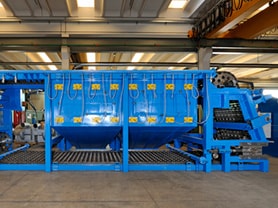
Sistem RTO kami terdiri daripada komponen tahan lama yang disesuaikan untuk sifat kasar ekzos bulu kaca. Bahagian utama termasuk media pemulihan haba seramik, yang menyimpan dan melepaskan haba dengan cekap, diperbuat daripada pelana alumina tinggi yang tahan kejutan haba sehingga 1200°C. Injap popet, yang dibina daripada Hastelloy untuk ketahanan kakisan terhadap wap berasid, memastikan pengedap ketat dengan jangka hayat lebih 1 juta kitaran.
Bahan habis pakai penting seperti muncung pembakar memerlukan pemeriksaan suku tahunan untuk mengekalkan kestabilan nyalaan, manakala penapis untuk penyingkiran zarah diganti setiap tahun untuk mengelakkan penyumbatan. Bahagian transmisi, seperti penggerak untuk pensuisan injap, menggunakan galas tertutup untuk menahan kemasukan habuk. Reka bentuk akses mudah membolehkan pertukaran cepat, meminimumkan masa henti dalam talian Belanda yang pantas.
Inventori alat ganti termasuk modul penebat (selimut gentian seramik, setebal 200mm untuk pengekalan haba), sensor kawalan (termokopel tepat hingga ±1°C), dan kipas ekzos dengan pemacu frekuensi boleh ubah untuk penjimatan tenaga. Di Jerman, di mana loji gentian kaca yang serupa beroperasi di bawah BImSchV, komponen ini telah terbukti boleh dipercayai dalam memanjangkan hayat sistem sebanyak 15%.
Perbandingan Jenama: EVER-POWER vs. Peneraju Industri
Apabila menilai pilihan RTO untuk bulu kaca, pengeluar sering membandingkan sistem kami dengan nama yang telah lama wujud. Contohnya, Ecopure RTO Dürr menawarkan pemulihan haba pepejal, tetapi unit kami menyediakan kecekapan 95% yang setanding pada kos permulaan 20% yang lebih rendah, berdasarkan pemasangan dalam persediaan Eropah yang serupa. Reka bentuk Anguil cemerlang dalam skalabiliti tersuai, namun pendekatan modular EVER-POWER membolehkan penggunaan yang lebih pantas, sesuai untuk pengubahsuaian Belanda. (Nota: Semua rujukan kepada Dürr™ dan Anguil™ adalah untuk perbandingan teknikal sahaja; EVER-POWER ialah pengeluar bebas.)
Dalam pasaran kompetitif Perancis, di mana kemudahan Saint-Gobain memerlukan masa operasi yang tinggi, RTO kami memadankan prestasi dengan perkhidmatan tempatan tambahan di Paris dan Lyon, sekali gus mengurangkan masa tindak balas kepada kurang daripada 24 jam.
Pengalaman Peribadi dan Kajian Kes Dunia Sebenar
Daripada buku nota seorang jurutera semasa pengubahsuaian 2024 di Rotterdam: “Selepas memasang RTO pada talian 40,000 Nm³/j, kami mendapati pemuatan habuk awal pada 8 g/Nm³, tetapi tahap VOC selepas penapis menurun kepada 5 mg/Nm³. Dalam tempoh enam bulan, penjimatan bahan api mencapai 35%, sejajar dengan unjuran pelanggan untuk kos tahunan di bawah €50,000.”
Dalam kes Belgium berhampiran Brussels, sistem kami mengendalikan loji yang menghasilkan 30,000 tan setiap tahun, mencapai 99.2% pemusnahan dan kitar semula haba untuk mengurangkan bil tenaga sebanyak 25%. Kejayaan serupa di rantau Hesse Jerman menyaksikan NOx di bawah 40 mg/Nm³, melebihi TA Luft menjelang 20%. Pengalaman ini menggariskan kebolehsuaian dalam landskap kawal selia Eropah yang pelbagai.

Mengintegrasikan RTO dengan Matlamat Kelestarian Belanda
Dorongan Belanda untuk ekonomi kitaran, melalui Perjanjian Hijau, mengutamakan RTO yang membolehkan penggunaan semula haba dalam proses peleburan, mengurangkan CO2 sehingga 50% setiap tan bulu. Dalam lingkungan dasar The Hague, insentif seperti pengecualian cukai MIA/VAMIL memberi ganjaran kepada teknologi sedemikian, menjadikan sistem kami pelaburan pintar untuk pengeksport ke UK, di mana EPR pasca-Brexit sejajar rapat.
Loji Aarhus Denmark mendapat manfaat daripada pembakar yang serasi dengan biogas, sekali gus mengurangkan pergantungan bahan api fosil sebanyak 60%. Merentasi pengeluar utama seperti kilang Silesia Poland, RTO kami mematuhi ETS EU, memperdagangkan kredit daripada peningkatan kecekapan.
Tonton demonstrasi operasi RTO dalam pembuatan penebat ini, yang mempamerkan pemulihan haba dalam tindakan.
Penyelenggaraan dan Sokongan Jangka Panjang
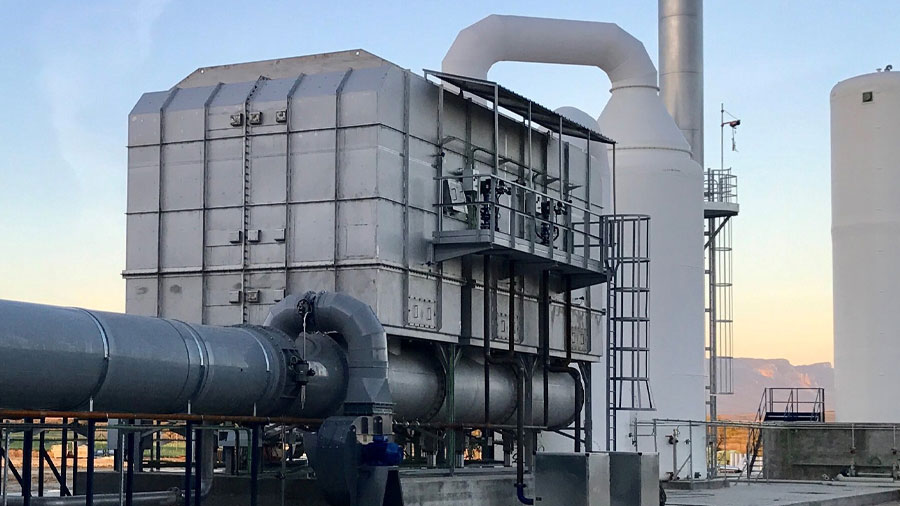
RTO kami didatangkan dengan pakej perkhidmatan yang komprehensif, termasuk pemeriksaan tahunan bahan habis pakai seperti katil media, yang berlangsung selama 5-7 tahun dalam tugas gentian kaca. Di Amsterdam, diagnostik jarak jauh melalui sensor IoT meramalkan kegagalan, sekali gus mengelakkan penutupan yang mahal. Bagi negara jiran seperti operasi berskala kecil Luxembourg, kami menawarkan kit alat ganti modular untuk pembaikan di tapak.
Merangkumi peneraju global, loji-loji Midwest AS melaporkan ketersediaan 98%, manakala kemudahan Guangdong China memuji kehebatan pengendalian habuk di bawah piawaian GB yang ketat.

Inovasi Masa Depan dalam Teknologi RTO
Kajian terbaru dari 2024-2025 mengetengahkan RTO hibrid dengan elemen pemangkin, meningkatkan kecekapan kepada 98% untuk aliran VOC rendah dalam pengawetan bulu. Di Eropah, pemasaan injap yang dioptimumkan AI mengurangkan tenaga sebanyak 10%, seperti yang dilihat dalam percubaan Perancis. R&D kami menggabungkannya, dengan percubaan di makmal Belanda menunjukkan pemotongan NOx 50% melalui pengurangan terpilih.
Wawasan peribadi daripada satu dekad dalam bidang ini: “RTO awal bergelut dengan lelasan gentian, tetapi salutan moden memanjangkan hayat injap kepada 2 juta kitaran, mengubah kebolehpercayaan dalam talian daya pemprosesan tinggi.”
Berita Tempatan dan Global mengenai RTO dalam Bulu Kaca
Pada tahun 2025, relau hibrid Isover di Etten-Leur, Belanda, mengurangkan CO2 sebanyak 55% menggunakan kuasa bersepadu RTO, menurut laporan Saint-Gobain. Pasaran gentian kaca Eropah mencecah €9 bilion, didorong oleh mandat penebat Belanda. Pengeluar bulu Jerman menerima pakai RTO untuk pematuhan TA Luft, sekali gus mengurangkan pelepasan 40%. Kemas kini ICPE Perancis mendorong RTO BAT di Normandy. EPR UK meningkatkan bulu kitar semula dengan proses RTO yang bersih. Teknologi hijau Denmark membiayai penaiktarafan RTO di Jutland. Secara keseluruhan, pelan tindakan CN2050 EU menekankan RTO untuk bulu sifar bersih menjelang 2035.
Hubungi pasukan kami untuk mendapatkan tempahan tersuai RTO pelan tindakan untuk menyokong kejayaan anda.