Perindustrian HAP Pengurangan:
Kawalan Ketepatan Melangkaui Pematuhan
Merawat 187 Bahan Pencemar Udara Berbahaya yang dikawal selia dengan 99.9% tambah kecekapan penyingkiran. Direkayasa untuk bahan berisiko tinggi di bawah Rangka kerja NeR ZZS dan audit alam sekitar EU yang paling ketat.
Mengapa Pengurangan HAP merupakan Cabaran Luar Biasa
HAP (Pencemar Udara Berbahaya) pada asasnya berbeza daripada VOC standard. Ia adalah sebatian toksik tinggi, selalunya karsinogenik, dikawal bukan sahaja oleh kepekatan keseluruhan tetapi juga oleh had jisim individu yang ekstrem (tahap ZZS/ppb). Rawatan yang berkesan memerlukan logik kejuruteraan khusus yang jauh melangkaui pengoksidaan konvensional.
Tidak seperti pelarut standard, kebocoran bahan seperti Benzena atau Etilena Oksida pada tahap ppb pun mewujudkan risiko kesihatan serta-merta. Sistem ini mesti mengekalkan integriti kedap gas sepenuhnya dari salur masuk ke timbunan.
Memenuhi piawaian NeR (Nederlandse Emissie Richtlijn) untuk bahan berisiko tinggi memerlukan kecekapan pemusnahan yang belum pernah terjadi sebelumnya. Jika 95% boleh diterima untuk VOC, HAP sering menuntut DRE (Kecekapan Penyingkiran Pemusnahan) yang disahkan iaitu 99.9% atau lebih tinggi.
HAP jarang sekali tulen; ia wujud dalam campuran kompleks dengan ambang pengoksidaan yang berbeza-beza. Kejuruteraan mesti mengambil kira spesies campuran yang mungkin menghakis, sangat mudah terbakar, atau menghasilkan hasil sampingan sekunder yang toksik semasa pengoksidaan separa.
Inventori Pencemar untuk HAP Penyingkiran
Spesies Organik Berisiko Tinggi
- Benzena & Aromatik Keutamaan ZZS
- Formaldehid & Aldehid Bahaya Tinggi
- Trikloroetilena & Halogenasi Kelas I
- Vinil Klorida Karsinogenik
- Etilena Oksida Risiko Ekstrem
Sebatian Berasid & Bukan Organik
- Hidrogen Klorida (HCl) Mengakis
- Hidrogen Sianida (HCN) Toksik Kritikal
- Wap Merkuri & Logam Kelas NeR I
- Klorin (Cl2) Gas Lubang Proses
- Campuran Gas Asid Kawalan Hibrid
Teknologi Bersepadu: Sistem Pertahanan Berbilang Peringkat untuk Deep HAP Penyingkiran
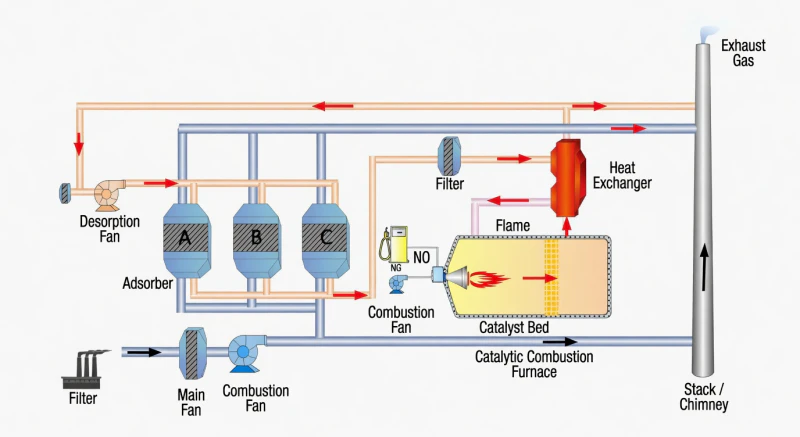
Kejayaan merawat aliran Pencemar Udara Berbahaya (HAP) yang kompleks memerlukan strategi berjujukan dan bukannya satu komponen sahaja. Pendekatan bersepadu kami menggunakan teknologi pra-rawatan dan pemusnahan mendalam yang dinamik secara serentak. Seni bina ini memastikan aliran gas bervolum tinggi, cair atau berubah-ubah distabilkan dan dipekatkan sebelum pengoksidaan berkecekapan tinggi yang muktamad.
01. Kepekatan Zeolit
Penyelesaian muktamad untuk aliran VOC/HAP bervolum tinggi dan berkepekatan rendah. Penumpu Putar Zeolit secara aktif menyerap Bahan Pencemar Udara Berbahaya, menghasilkan aliran udara utama yang telah ditulenkan. Aliran bahan pencemar pekat dinyahserap dan diarahkan ke RTO, memaksimumkan kemampanan automatik terma dan menghapuskan pembaziran tenaga.
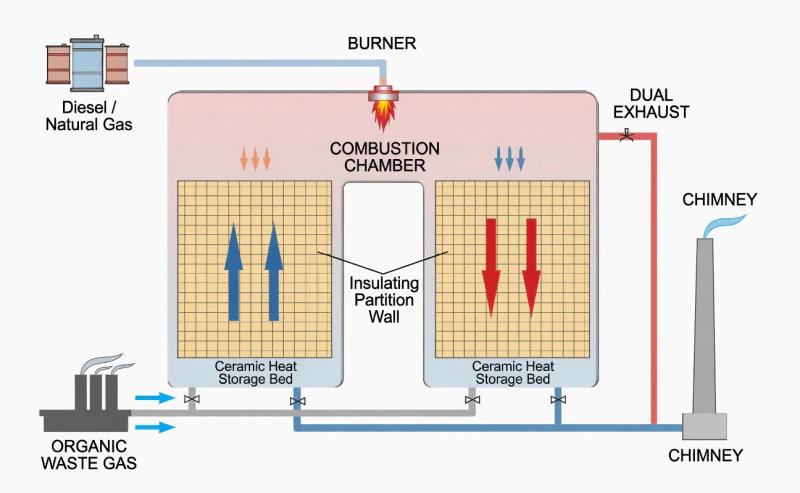
02. Pengoksida Terma Regeneratif
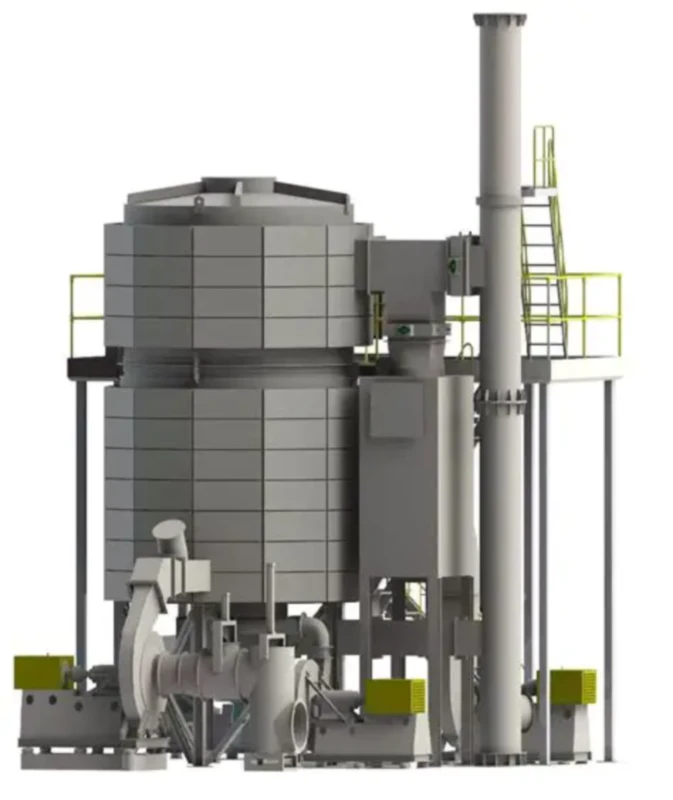
Jantung sistem penyingkiran mendalam. RTO Dua Katil kami direkayasa khusus untuk pemusnahan mutlak bahan yang sangat prihatin (ZZS). HAP pekat terdedah kepada suhu melebihi $850^{\circ}\text{C}$ untuk pemecahan molekul yang teguh. Proses ini menukarkan molekul organik toksik secara tidak boleh ditarik balik kepada $CO_2$ dan $H_2O$ yang tidak berbahaya dengan kecekapan terma yang tiada tandingan.
Prestasi Terbukti dalam HAP Pengurangan

Fokus Teknikal
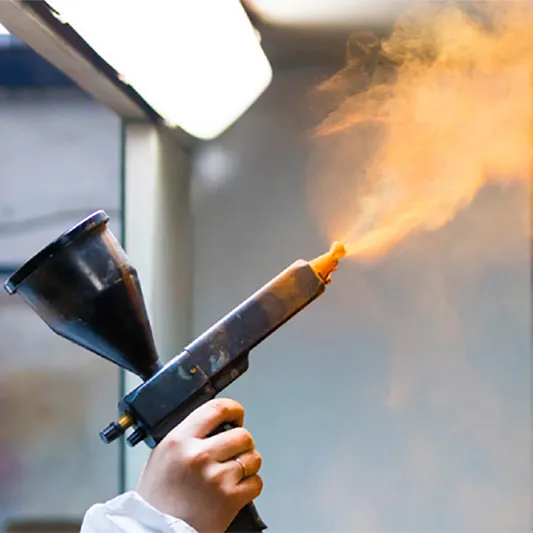
Menguruskan bolong reaktor sekejap-sekejap beban tinggi. Sistem kami menampilkan kawalan LEL bertindak pantas dan pencampuran turbulensi tinggi untuk mencapai pemusnahan 99.9% pelarut terhalogen.
Lubang Reaktor Kelompok
Mengendalikan sifat sintesis kelompok farmaseutikal yang kompleks dan berselang-seli. Sistem RTO kami direka bentuk untuk menguruskan lonjakan kepekatan secara tiba-tiba (pengurusan LEL) sambil memastikan pemusnahan HAP karsinogenik seperti Benzena dan Formaldehid yang mendalam, mematuhi piawaian NeR ZZS Belanda.
Fokus Teknikal
Mengintegrasikan kepekatan Rotor Zeolit dengan RTO 2-katil. Reka bentuk hibrid ini membolehkan operasi neutral tenaga walaupun pada kepekatan salur masuk pelarut yang rendah.
Ekzos Pelarut Isipadu Tinggi
Dioptimumkan untuk barisan salutan berkelajuan tinggi dan ekzos pengering isipadu tinggi yang mengandungi toluena, xilena dan NMP. Kami menggunakan teknologi Kepekatan Zeolit dan Pengoksidaan Terma bersepadu untuk mencapai pematuhan mutlak dengan jejak tenaga operasi serendah mungkin.
Fokus Teknikal
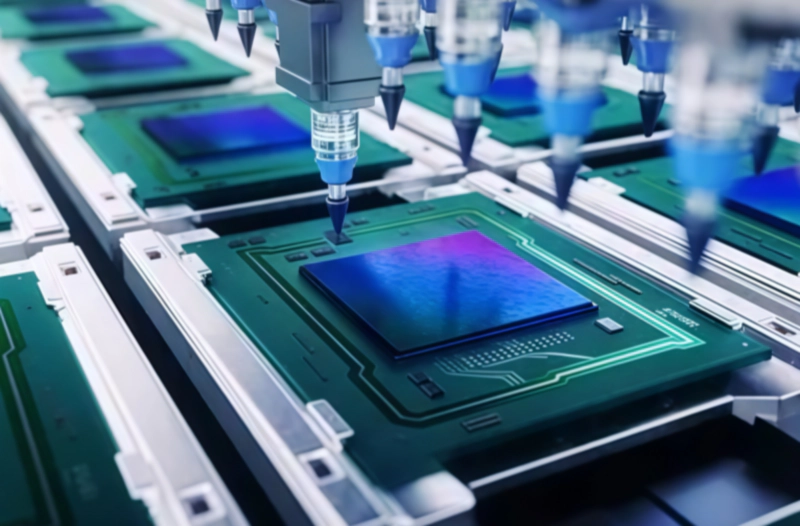
Masa kediaman khusus (>1.2s) dan pemantauan suhu berketepatan tinggi untuk memastikan pemusnahan 99.99% spesies gas terukir semikonduktor yang stabil.
Ventilasi Bilik Bersih & Pengukir
Rawatan ketepatan untuk gas berkepekatan rendah dan ketoksikan tinggi daripada litografi dan pengetsaan bilik bersih. Memberi tumpuan kepada kebocoran sempadan timbunan sifar dan pemusnahan spesies molekul stabil yang disahkan. Sistem kami menyediakan "pengilat terminal" untuk mengeluarkan udara di hab perindustrian bandar yang sensitif.
Fokus Teknikal
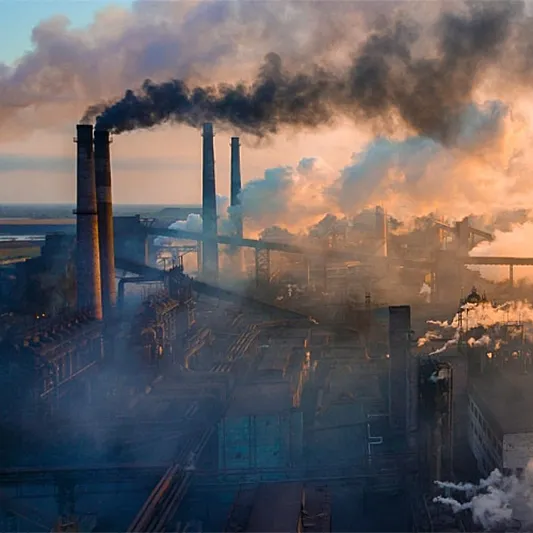
Reka bentuk keselamatan bertaraf ATEX dan SIL untuk operasi di zon penapisan berbahaya. Sistem termasuk pemulihan haba berbilang peringkat dan aloi tahan asid.
Lubang Proses Penapisan
Menguruskan HAP berat dan pelepasan buangan daripada unit proses penapisan, ladang tangki dan stesen pemuatan. Sistem RTO tugas berat kami diperakui ATEX dan direkayasa dengan aloi tahan asid untuk mengendalikan gas buangan petrokimia beban tinggi dengan selamat dan berterusan.
Kajian Kes Global: Terbukti HAP Penyingkiran
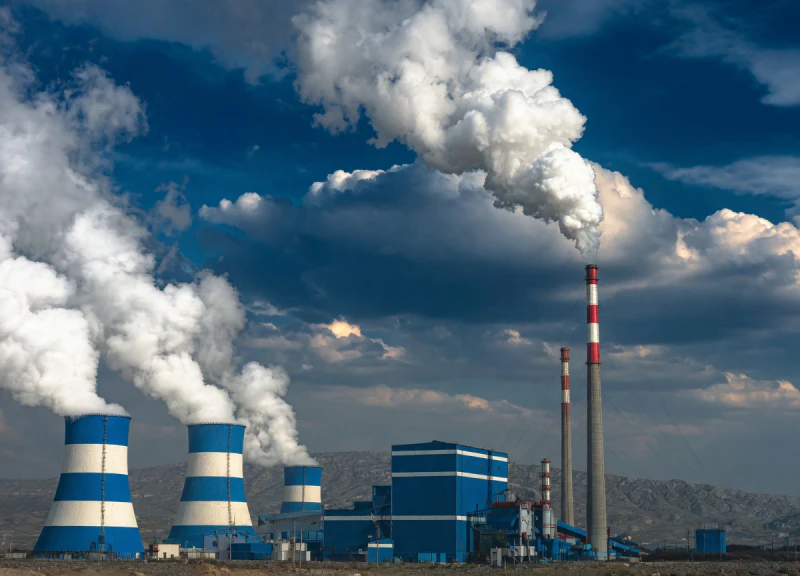
Mitigasi Spesies ZZS Berisiko Tinggi
Sebuah loji kimia yang berpangkalan di Rotterdam memerlukan pemusnahan mutlak Benzena dan Etilena Oksida untuk memenuhi had pelepasan Kelas NeR ZZS. Kami melaksanakan RTO masa kediaman tinggi dengan pemantauan terma khusus.
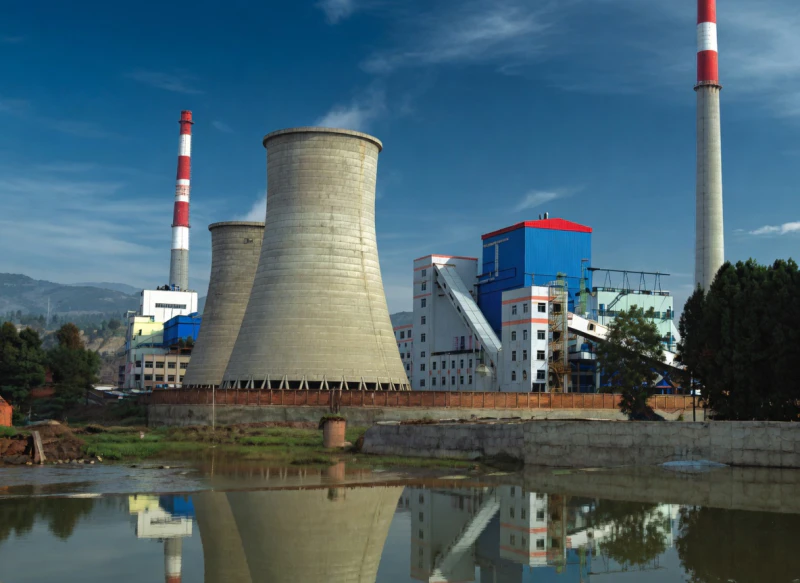
Penghapusan Pelarut Kompleks Luar Gas
Menguruskan ekzos berbilang komponen daripada reaktor kelompok farmaseutikal yang mengandungi muatan Formaldehid dan Metanol yang tinggi. Sistem ini memerlukan prestasi yang stabil di bawah kepekatan salur masuk yang berubah-ubah.