
Sammensetning av farmasøytisk og kjemisk avfallsgass
- Organiske løsemidler: aceton, etanol, isopropanol, etylacetat, etc., med store konsentrasjonssvingninger.
- Halogenerte hydrokarboner: diklormetan, kloroform, etc., svært etsende og vanskelige å håndtere.
- Aromatiske hydrokarboner: benzenforbindelser, etc., svært giftige og med høy kreftrisiko.
- Svovel-/nitrogenforbindelser: hydrogensulfid, ammoniakk, etc., med sterk lukt og tilbøyelige til klager.
- Støv og aerosoler: støv fra aktive farmasøytiske ingredienser, mellomliggende utslipp.
Farer ved farmasøytisk og kjemisk avfallsgass
- Risiko for miljøbrudd: Overskridelse av utslippsstandarder kan føre til bøter på 200 000 til 2 millioner yuan; gjentatte brudd vil føre til produksjonsstans og utbedring.
- Sikkerhets- og eksplosjonsfarer: Noen løsemidler har lave eksplosjonsgrenser; feil konsentrasjonskontroll kan lett forårsake ulykker.
- Utstyrskorrosjon og -skade: Halogenholdige avgasser danner sure stoffer som forårsaker alvorlig korrosjon på rørledninger og utstyr.
- Helsetrusler for ansatte: Langvarig eksponering fører til risiko for yrkessykdommer og øker lønnskostnadene for bedriften.
- Forringelse av samfunnsrelasjoner: Luktplage fører til klager og skader bedriftens sosiale image.
- Alvorlig energisløsing: Avgasser inneholder varmeenergi som ikke gjenvinnes, noe som resulterer i ressurssløsing.
- Restriksjoner på forretningsutvikling: Manglende oppfyllelse av miljøstandarder påvirker godkjenningen av nye prosjekter og begrenser utvidelsesplaner.

RTO-teknologiens kjerneparametere
| Parameter | To-tårns RTO | Tre-tårns RTO | Roterende RTO | Enhet |
|---|---|---|---|---|
| VOC-ødeleggelseseffektivitet | 98.0 – 99.0% | ≥99,5% | 97.0 – 99.0% | % |
| Termisk effektivitet | 90 – 94% | 95 – 98% | 90 – 95% | % |
| Selvopprettholdende konsentrasjon | ≥2,0 | ≥1,8 | ≥1,5 | g/m³ |
| Driftstemperatur | 780 – 850 | 800 – 850 | 760 – 820 | °C |
| Oppholdstid | 0.8 – 1.2 | 1.0 – 1.5 | 0.7 – 1.0 | s |
Slik administrerer du RTO
For klorholdig avgass (f.eks. diklormetan):
Klorholdig avgass → Alkalivask og nøytralisering → Tretårns RTO → Hurtigkjøling → Utslippssamsvar
Nøkkel:
- Forhindre dioksinproduksjon; bruk en tretårnsdesign for å unngå krysskontaminering
- For konsentrasjonssvingninger: Farmasøytiske produksjonsbatcher forårsaker konsentrasjonssvingninger:
- Intelligent justering: Overvåk konsentrasjonen automatisk og juster driftsparametere
Buffertank: Glatter ut konsentrasjonstopper som et reservoar
Sikkerhetsbeskyttelse: Automatisk fortynning når konsentrasjonen er for høy for å sikre sikkerhet
For komplekse komponenter: Blandet behandling av avgass fra ulike verksteder og prosesser:
Enhetlig innsamling: Sentralisert behandling av all avgass fra anlegget
Kompatibel design: Tilpasser seg ulike løsemidler, mellomprodukter og støv
Gradert behandling: Fysisk forbehandling etterfulgt av kjemisk oksidasjon
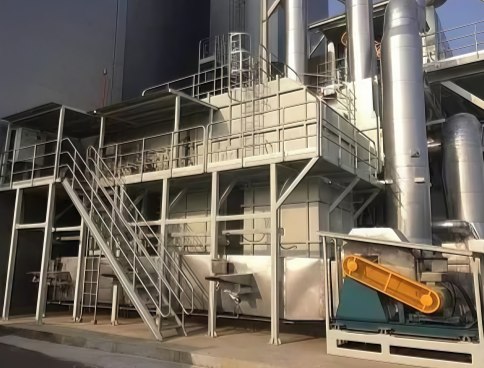
Hvordan velge et passende RTO-system
| Utvalgskriterier | To-tårns RTO | Tre-tårns RTO | Roterende RTO | Anbefalte scenarier |
|---|---|---|---|---|
| Kjennetegn på avgass | Enkel sammensetning, ingen halogener | Inneholder halogener, svovel og andre etsende komponenter | Relativt enkel komposisjon | Velg basert på testrapporter |
| Konsentrasjonsområde | 1–8 g/m³ | 0,5–10 g/m³ | 0,3–3 g/m³ | Online overvåking anbefales |
| Behandlingseffektivitet | 98-99% | >99,5% | 97-99% | Tretårn obligatorisk for halogenholdige gasser |
| Energiforbruk | Medium | Medium | Lav | Rotasjonstypen har åpenbare energibesparelser |
| Gulvareal | Medium | Stor | Kompakt | Roterende type for plassbegrensede steder |
| Investeringskostnad | 1–1,5 millioner RMB | 1,5–2,5 millioner RMB | 1,2–2 millioner RMB | Evaluer 3-års total eierskapskostnad |
| Vedlikeholdskrav | Lav | Medium | Høy | Vurder bedriftens driftskapasitet |
Casestudie: Et eksempel på RTO-applikasjon i et stort farmasøytisk selskap
Prosjekt for behandling av avgass fra produksjon av cefalosporin-antibiotika
Selskapets bakgrunn: En ledende innenlandsk antibiotikaprodusent med en årlig produksjon på 1200 tonn cefalosporinråvarer. Avgass kommer hovedsakelig fra fermenterings-, ekstraksjons- og synteseprosesser.
Prosjektutfordringer:
- Kompleks eksosgasssammensetning: Inneholder 12 organiske løsemidler, inkludert aceton, etanol og diklormetan.
- Store konsentrasjonssvingninger: 0,8–6,5 g/m³, med periodiske utslippskarakteristikker.
- Høye miljøvernkrav: Må oppfylle de spesielle utslippsgrensene i «Utslippsstandarden for luftforurensende stoffer fra legemiddelindustrien».
- Begrensninger i området: Renovering av eksisterende anleggsområde, begrenset tilgjengelig plass.
Løsninger og implementeringsresultater
Utstyr som brukes: 30 000 m³/t RTO-system med tre tårn, utstyrt med forbehandling og gjenvinning av spillvarme.
| indeks | Før renovering | Etter renovering | Forbedringsrate |
|---|---|---|---|
| VOC-utslippskonsentrasjon | 320–450 mg/m³ | 12–28 mg/m³ | >92% |
| Årlige driftskostnader | 1860000 | 720000 | Lagre 61% |
| Årlige miljøbøter | 500000-800000 | 0 | Eliminer fullstendig |
Kundeuttalelse: «RTO-systemet fungerer stabilt, og utslippene oppfyller konsekvent standardene, noe som fullstendig avlaster miljøpresset vårt. Dampen som genereres fra gjenvinning av spillvarme sparer produksjonsverkstedet for omtrent 450 000 yuan i energikostnader årlig.»
Ofte stilte spørsmål
1. Hva er RTO?
A: RTO er en høyeffektiv avgassbehandlingsenhet som «forbrenner» avgass til ufarlige stoffer ved høye temperaturer samtidig som den gjenvinner varme.
2. Hvor høy er behandlingseffektiviteten?
A: Fjerningshastigheten overstiger 99%, og utslippene er langt under nasjonale standarder.
3. Hvilke typer avgass kan den behandle?
A: Egnet for organisk avgass fra farmasøytisk og kjemisk industri, inkludert komplekse komponenter som inneholder klor og svovel.
4. Er driftskostnadene høye?
A: Lavt energiforbruk. Når avgasskonsentrasjonen oppfyller standardene, er det så godt som ikke behov for ekstra drivstoff, og varmeenergi kan gjenvinnes.
5. Kan den behandle klorholdig avgass?
A: Ja. Den har en tretårnsdesign for å unngå korrosjon og forhindre dioksinproduksjon.
6. Hva om avgasskonsentrasjonen svinger mye?
A: Det intelligente systemet justerer seg automatisk for å tilpasse seg konsentrasjonsendringer, noe som sikrer stabil drift.
7. Krever utstyret et stort område?
A: Ikke stor. En enhet som håndterer 10 000 kubikkmeter luft opptar omtrent 40 kvadratmeter, omtrent på størrelse med en parkeringsplass.
8. Krever det dedikert drift?
A: Svært automatisert, i hovedsak uovervåket, og kan fjernovervåkes via mobiltelefon.
9. Hvor lang tid tar det å tjene inn investeringen?
A: Vanligvis 1–3 år. Kostnadene dekkes raskt inn gjennom energisparing og unngåelse av miljøpåvirkninger.
10. Er vedlikehold vanskelig?
A: Enkelt. Krever hovedsakelig regelmessige inspeksjoner, med 1–2 vedlikeholdsøkter per år.
11. Er det trygt?
A: Svært sikker. Flere beskyttelser er tilgjengelige: overtemperaturalarm, automatisk brannslukking og eksplosjonssikker design.
Hvis du vil lære mer om regenerativ termisk oksidasjon, vennligst kontakt oss.