
I den krevende arenaen for fleksibel emballasje og kommersiell trykking har håndteringen av flyktige organiske forbindelser (VOC) utviklet seg fra å være et regulatorisk hinder til å bli en hjørnestein i driftseffektivitet. Regenerativ termisk oksidasjonsmiddel (RTO) står som det definitive teknologiske svaret på disse utfordringene. I kjernen bruker en RTO høytemperatur termisk oksidasjon for å demontere farlige hydrokarboner – som etylacetat, etanol og toluen – og omdanne dem til ufarlig CO₂ og vanndamp.
Den «regenerative» nomenklaturen refererer til systemets evne til å binde varme i spesialiserte keramiske medier. Ved å veksle mellom eksosstrømmen og en flerlagskonfigurasjon oppnår systemet en Termisk energigjenvinning (TER) på opptil 97%Denne termodynamiske resirkuleringen er så effektiv at når en spesifikk løsemiddelkonsentrasjon er nådd, opererer systemet i en «autotermisk» tilstand, og krever null ekstra drivstoff. For anlegg som retter seg mot en Destruksjonsfjerningseffektivitet (DRE) som overstiger 99%, er RTO den mest robuste og kostnadseffektive metodikken som er tilgjengelig globalt.
Hva gjør en RTO viktig? Utover å oppfylle EPAs lov om ren luft eller den EUs direktiv om industrielle utslipp (IED), beskytter det anlegget mot de økende kostnadene for karbonkreditter og naturgass. I en tid der bærekraft definerer markedslederskap, fungerer RTO både som et miljøskjold og en energibesparende ressurs.
RTO kjernetekniske parametere og ingeniørbenchmarks
Vellykket VOC-reduksjon er et spørsmål om presisjonskinetikk. Hos CMN Industry Inc. er systemene våre konstruert basert på grundige empiriske data for å sikre langsiktig stabilitet i korrosive trykkemiljøer.
| Ingeniørparameter | Standardspesifikasjon | Innvirkning på industriell ytelse |
|---|---|---|
| Oksidasjonstemperatur | 815–980 °C (1500–1800 °F) | Bestemmer destruksjonshastigheten til ildfaste organiske molekyler; avgjørende for Effektivitet ved behandling av VOC med høy temperatur termisk oksidasjonsmiddel. |
| Gassoppholdstid | 0,75–1,2 sekunder | Sikrer tilstrekkelig molekylær kollisjonstid i forbrenningskammeret for å forhindre delvis oksidasjon (CO-dannelse). |
| Termisk gjenvinning (TER) | 95% – 97,5% | Den primære driveren for RTO eksosbehandlingsutstyr varmegjenvinningseffektivitet; dikterer direkte drivstoffbesparelser. |
| Ødeleggelseseffektivitet (DRE) | ≥ 99% (Tilpasset til 99,9%) | Sikrer overholdelse av de strengeste globale utslippsgrensene (f.eks. Kina GB37822-2019 eller EU BREF). |
| Luftstrømkapasitet | 2000–120 000+ Nm³/t | Skalerbarhet muliggjør sentralisert behandling av flere dyptrykk- eller fleksotrykklinjer. |
| Ventillekkasjerate | < 0,1% (pneumatisk poppel) | Forhindrer bypass av rå gass under regenereringssyklusen, noe som er viktig for å opprettholde høy DRE. |
Disse referansepunktene siteres ofte i EPA-452/B-02-001 Avsnitt 6, som fungerer som gullstandarden for teknologier for termisk reduksjon. Ved å optimalisere trykkfallet over de keramiske sjiktene reduserer vi bremsekraftkravene betydelig for de primære systemviftene, noe som forbedrer anleggets totale energieffektivitetsforhold (EER).
Karakterisering av RTO i utskriftsscenarier: Fordeler og begrensninger
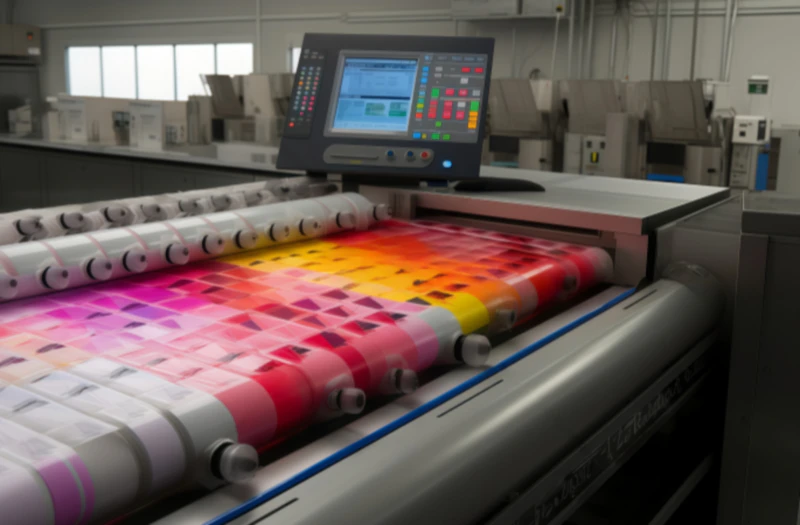
Trykkeri- og emballasjesektoren er unikt definert av store luftstrømmer og fortynnede til middels løsemiddelkonsentrasjoner. RTO-er er spesielt kalibrert for disse «magre» strømmene, der tradisjonelle rekuperative oksidasjonsmidler eller karbonsystemer ville vist seg å være uoverkommelig dyre å drifte.
Strategiske fordeler
- Termisk treghet: Den massive varmelagringskapasiteten til keramiske bikakemedier gjør at systemet kan tåle svingninger i løsemiddelkonsentrasjonen uten temperaturfall.
- Autotermisk drift: Ved konsentrasjoner så lave som 3-4% av LEL (nedre eksplosjonsgrense) blir systemet energinøytralt og krever ingen naturgass.
- Luktfjerning: Total destruksjon av komplekse estere og alkoholer fjerner sekundære luktklager fra nabosamfunn.
Begrensninger og avbøtende tiltak
Partikler, som papirstøv eller lakkspray, kan «glasere» eller tette keramiske medier over tid. CMN Industry Inc. reduserer dette gjennom flertrinns baghouse-filtrering eller tørrskrubbere oppstrøms, noe som sikrer at kjernens varmevekslingssjikter forblir skinnende fine i årevis med drift.
RTO-systemkomponenter og økosystemstøtte
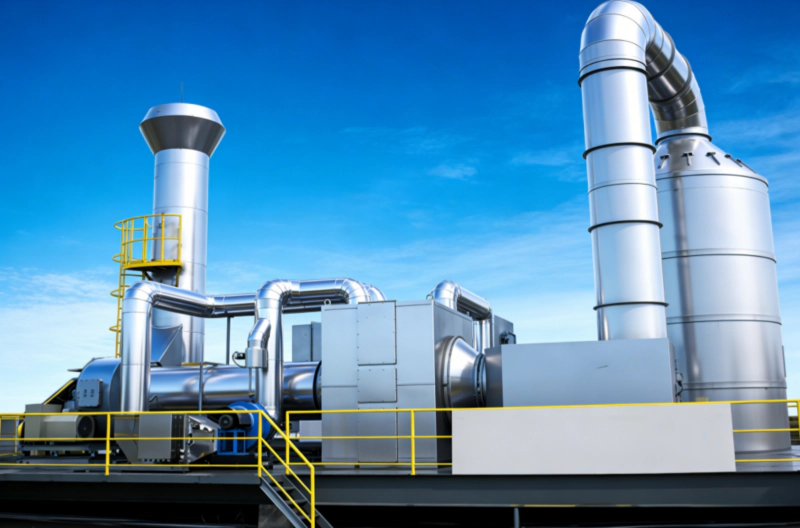
En høytytende RTO er en syntese av robuste komponenter. Vi prioriterer følgende konfigurasjoner for trykkeribransjen:
- Keramisk medie: Monolittiske bikakestrukturer for lavtrykksapplikasjoner eller tilfeldig salpakking for høy partikkelelastisitet.
- Bryterventiler: Høyfrekvent Nulllekkasje-stempelventiler med varmeherdede seter.
- Sekundær varmegjenvinning: Luft-til-luft- eller luft-til-vann-vekslere som høster varme etter varmestabling for bruk i fabrikkoppvarming eller forvarming av trykkovner.
- Kontrollsystemer: Integrert PLS med skybasert fjernovervåking for DRE-sporing i sanntid.
Global merkevaresammenligningsanalyse
| Merke | Teknologifokus | Ideell anvendelse | Globalt omdømme |
|---|---|---|---|
| Dürr (Ecopure) | Ultrahøy TER (97%+) | Sentralisert bilindustri/emballasje. | Høyeste pålitelighet; premium CAPEX |
| Anguil | Tilpassede modulære bygg | Mellomstore pakkeanlegg. | Eksepsjonell service/støtte basert i USA. |
| CMN-industri | Optimalisert trykkerisektor | Fleksibel emballasje og dyptrykk. | Høy avkastning på investeringen; spesialisert i løsemiddeldynamikk. |
Global lokal SEO: Forskrifter og markedstrender
Den europeiske union (EU): Overholdelse av IED (2010/75/EU) er obligatorisk. I Nederland (NL) krever NeR (Nederlandske utslippsretningslinjer) at VOC-er kontrolleres strengt, noe som gjør RTO til den Beste tilgjengelige teknikk for ethvert anlegg som bruker >200 tonn løsemiddel årlig.
USA: EPA-metode 25A er målestokken for samsvar. Storskala etikett- og emballasjetrykkerier må operere under Title V-tillatelser, der RTO-ytelsen revideres årlig.
Kina: De GB37822-2019 Standarden har revolusjonert det innenlandske markedet, og tvunget tusenvis av skrivere i Pearl River Delta til å ta i bruk høyeffektive RTO-er for å oppfylle grensen på 50 mg/m³.
Casestudieportefølje: Implementeringer av RTO i den virkelige verden
1. Høyhastighets dyptrykk (Dongguan, Kina)
Dette anlegget drev seks 10-fargers dyptrykkslinjer med massive utslipp av etanol og etylacetat. Det lokale miljøbyrået utstedte et «opphør og avstå»-varsel på grunn av manglende samsvarende skorsteinstester som oversteg 300 mg/m³.
- Teknologi: Karbonadsorpsjon
- Utløpskonsentrasjon: 320 mg/m³
- Driftskostnader: $55 000/år (karbonavfall)
- Samsvar: Mislyktes
- Teknologi: 3-tårns RTO (45 000 Nm³/t)
- Utløpskonsentrasjon: < 12 mg/m³
- Energigjenvinning: Brukes til 70% av ovnsvarme
- Samsvar: Fullt sertifisert
Ved å sentralisere eksosen til en enkelt RTO med 3 tårn, oppnådde vi en DRE på 99,6%. Kundens naturgassforbruk for tørkeovnene deres falt med 40% på grunn av den sekundære varmegjenvinningssløyfen som ble installert etter forbrenning.
2. Fleksibel emballasje og laminering (Eindhoven, Nederland)
En spesialisert matpakkefabrikk krevde et system som kunne håndtere toluenbaserte lim. Plassen var ekstremt begrenset, noe som krevde installasjon på taket.
- Prosess: Batchlaminering
- VOC-konsentrasjon: 2500 mg/m³
- Luktklager: Ukentlig
- Reguleringsstatus: Ikke-samsvarende (NL NeR)
- Teknologi: Kompakt 2-tårns RTO
- DRE: 99.2%
- Autotermisk punkt: 1,2 g/m³
- Luktklager: Null
Systemet ble konstruert med en spesialbygd mezzanin. Innen tre måneder etter drift ble anlegget anerkjent av den lokale provinsen for sin «grønne overgang», noe som forbedret anleggets status innen samfunnsansvar (CSR) betydelig.
3. Kommersiell offsettrykking (Ohio, USA)
Et offsettrykkeri som håndterte store mengder IPA (isopropanol) og løsemiddel for dukvask. Hovedutfordringen var den høye fuktigheten i avtrekksluften.
- Luftstrøm: 30 000 SCFM
- VOC-belastning: Periodiske topper
- Gassregning: $120 000/år (gammel fakkel)
- Teknologi: RTO med flere senger
- Gassregning: $14 000/år
- Drivstoffbesparelse: 88% reduksjon
- Tilbakebetalingsperiode: 22 måneder
4. Metallemballasje og dekorasjon (Chiba, Japan)
En høytemperatur-spiralbeleggslinje for drikkebokser. Avgasstemperaturen nådde 250 °C allerede før den kom inn i oksidasjonsapparatet.
- Innløpstemperatur: 250 °C
- Drivstofforbruk: Massivt på grunn av luftfortynning
- DRE: 92% (Rekuperativ)
- System: Høytemperatur-RTO med varmbypass
- DRE: 99.8%
- Energieksport: Fanget for å generere damp
- Vedlikehold: Halvårlig kontroll
Bærekraftig perspektiv: Fremtiden for RTO
Når vi ser mot 2030, integreringen av Zeolitt-rotorkonsentrasjon med RTO Teknologi vil bli standarden for luftstrømmer med ultralav konsentrasjon. Videre vil overgangen til Hydrogendrevne brennere og implementeringen av Karbonfangst (CCS) ved RTOs eksosrør baner vei for «Netto Zero»-trykking. Hos CMN Industry Inc. behandler vi ikke bare luft – vi konstruerer fremtiden for industriell bærekraft.