PM2.5-gassbehandling
I Nederland er PM2,5 (fine partikler) et stort luftforurensende stoff som har betydelig innvirkning på luftkvaliteten og folkehelsen. PM2,5-partikler med en diameter på 2,5 mikrometer eller mindre kan trenge dypt inn i lungene og til og med komme inn i blodomløpet, noe som utgjør langsiktige helserisikoer. RTO-teknologi (termisk roterende oksidasjon) er for tiden en svært effektiv og miljøvennlig løsning for behandling av PM2,5-utslipp og er mye brukt i industriell avfallsgassbehandling i Nederland, noe som hjelper bedrifter med å oppfylle strenge miljøutslippsstandarder.
Oversikt
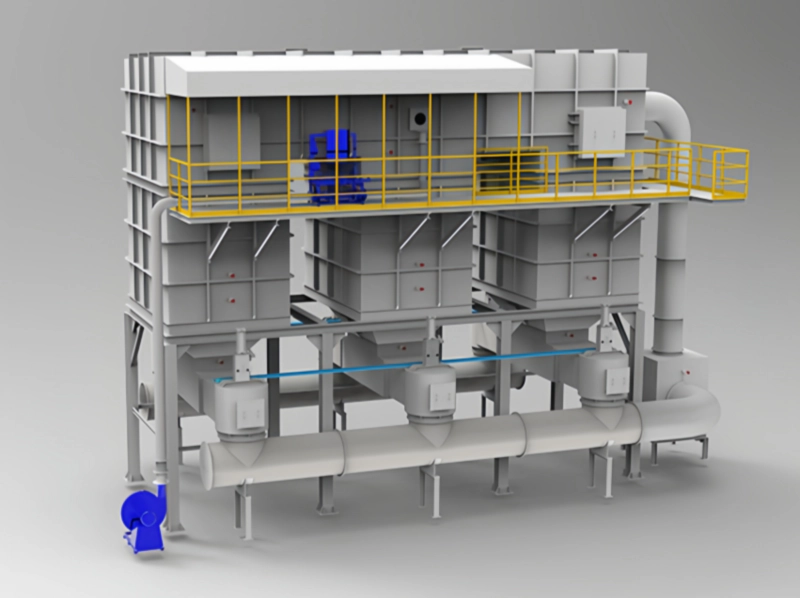
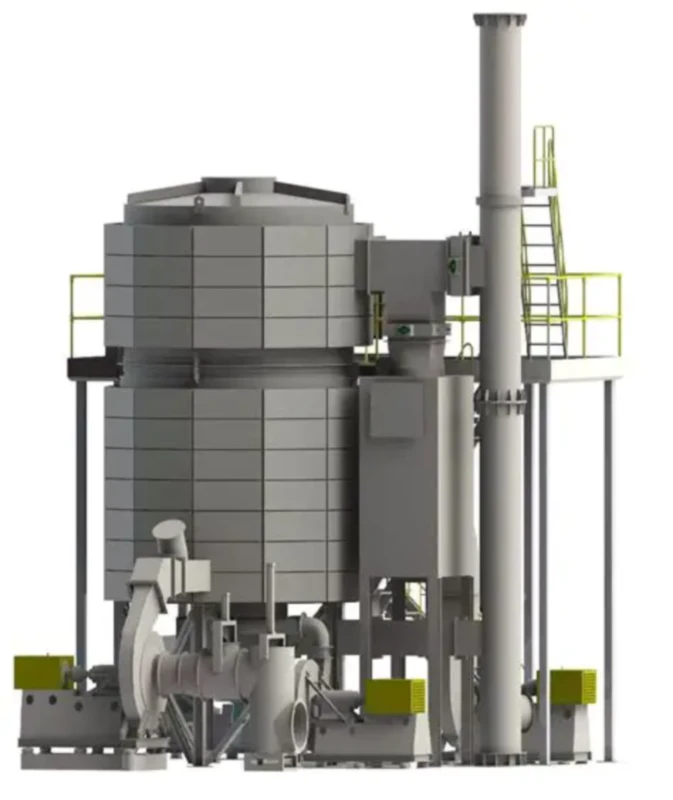
RTO (Regenerative Thermal Oxidizer) er en svært effektiv avgassbehandlingsenhet som er mye brukt i industriell avgassbehandling. RTO-teknologien benytter prinsippet om høytemperaturoksidasjon, og omdanner skadelige gasser til ufarlige stoffer som karbondioksid og vann gjennom reaksjonen av avgass med oksygen. RTO kan ikke bare skryte av høyeffektive avgassbehandlingsegenskaper, men har også energisparing og miljøvern, noe som gjør den spesielt egnet for behandling av avgasser som inneholder flyktige organiske forbindelser (VOC), sure gasser og andre skadelige gasser.
🌍 Bakgrunn for PM2.5-kontroll i Nederland
Nederland har lenge vært forpliktet til å forbedre luftkvaliteten, og PM2,5 er et av hovedmålene i landets miljøforskrifter. Basert på EUs luftkvalitetsdirektiv har den nederlandske regjeringen satt strenge standarder for luftforurensningsutslipp, spesielt i industrisektoren, som krever at selskaper reduserer utslipp av PM2,5 og andre partikler.
Nederlandske forskrifter
Nederlandske miljøforskrifter krever at alle industrielle utslipp av PM2,5 holdes innenfor lovlige grenser, og selskaper må få miljøtillatelse. I henhold til den nederlandske miljøforvaltningsloven og luftkvalitetsstandardene må den årlige gjennomsnittlige konsentrasjonen av PM2,5 ikke overstige 25 mikrogram per kubikkmeter.
Arbeidsflyt
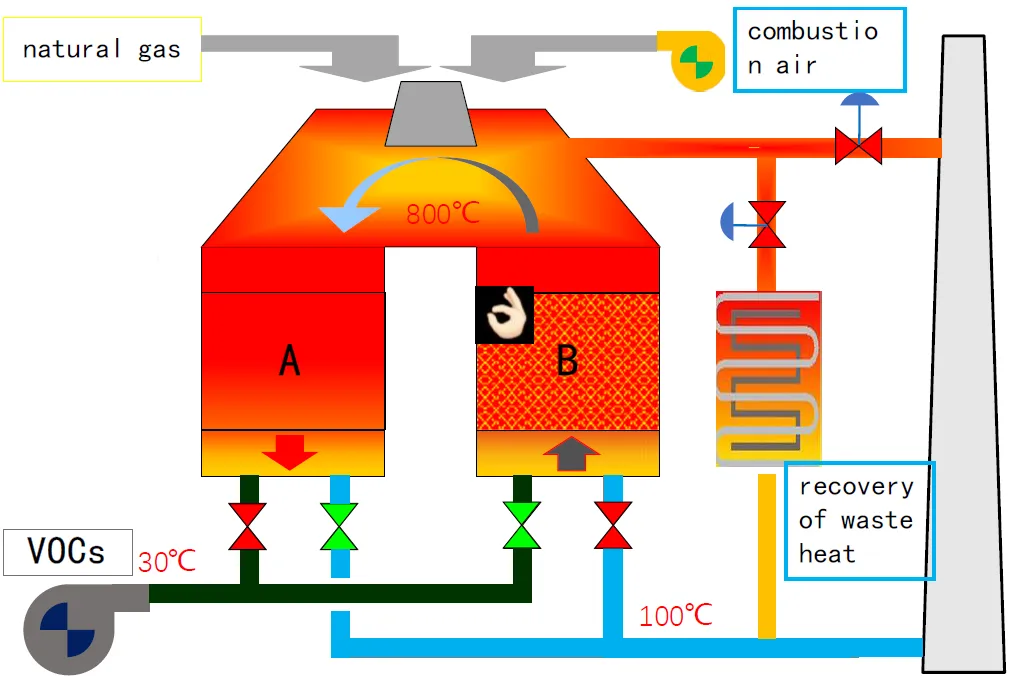
🔍 Hvorfor velge RTO-teknologi for å behandle PM2.5?
Fordeler med RTO-systemet
Avanserte løsninger for industriell luftrensing
Høy fjerningsrate
RTO-teknologi sikrer fullstendig eliminering av partikler gjennom oksidasjon ved høy temperatur, og oppfyller strengt nederlandske og EUs miljøutslippsstandarder.
Miljøvennlig og sparende
Utover rensing oppnår det integrerte termiske gjenvinningssystemet høyeffektiv energiutnyttelse, noe som reduserer driftskostnadene betydelig.
Reguleringsjustering
Sikrer full samsvar med nederlandske luftkvalitetsforskrifter og NeR-standarder, og hjelper bedrifter med å unngå straffer og juridiske risikoer.
Ingen sekundær forurensning
Prosessen sikrer at avgasser omdannes til ufarlige stoffer som CO2 og vanndamp, noe som forhindrer sekundær miljøpåvirkning.
Hovedapplikasjoner for RTO
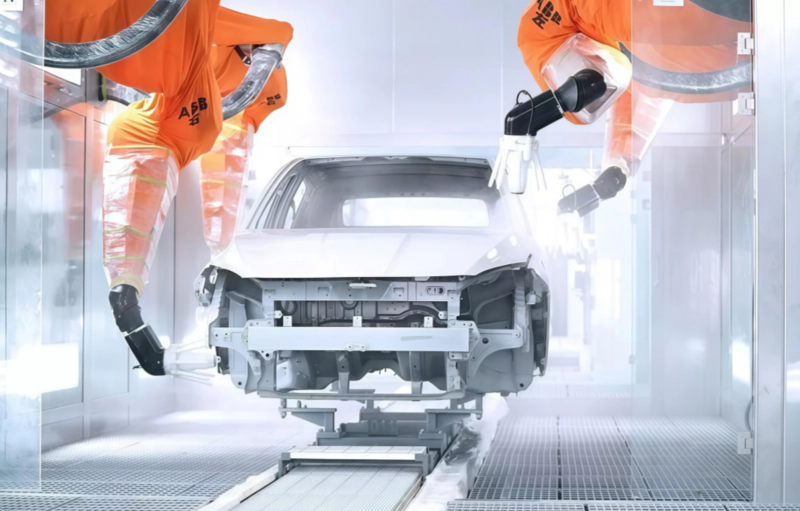
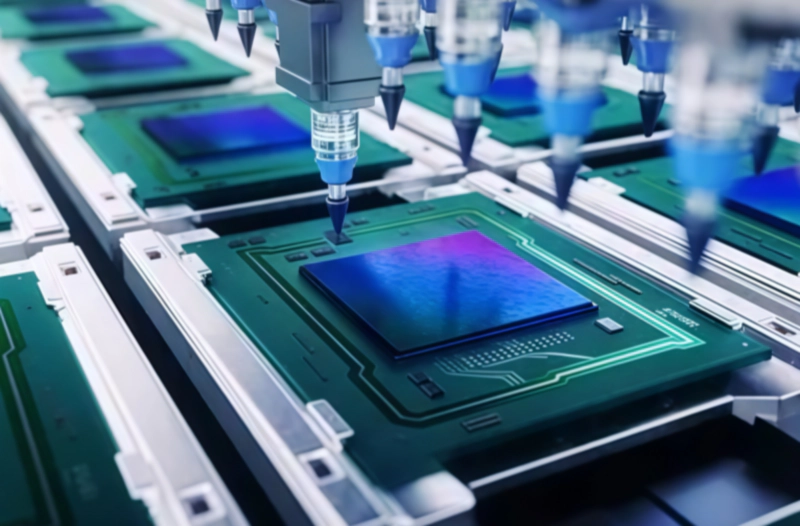
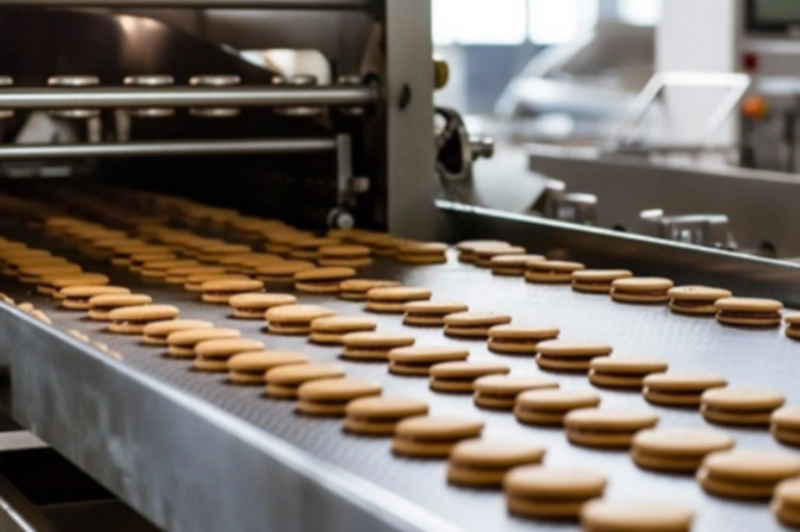
Ekspertise og kvalifikasjoner
Ved å utnytte samarbeidet vårt med National Engineering Laboratory for Volatile Organic Pollutant Control Materials and Technologies (Shaanxi Branch), etablert i fellesskap med University of Science and Technology of China og Xi'an Jiaotong University, fokuserer vi på forskning innen termisk energilagrings- og forbrenningsteknologi og molekylær sil-adsorpsjonsteknologi. Som en del av vår globale innovasjonsinnsats tar vi sikte på å skape en felles plattform for teknologisk forskning og utvikling for å fremme tverrfaglig samarbeid og fremgang, og å samarbeide med ledende institusjoner i Nederland og andre EU-land.
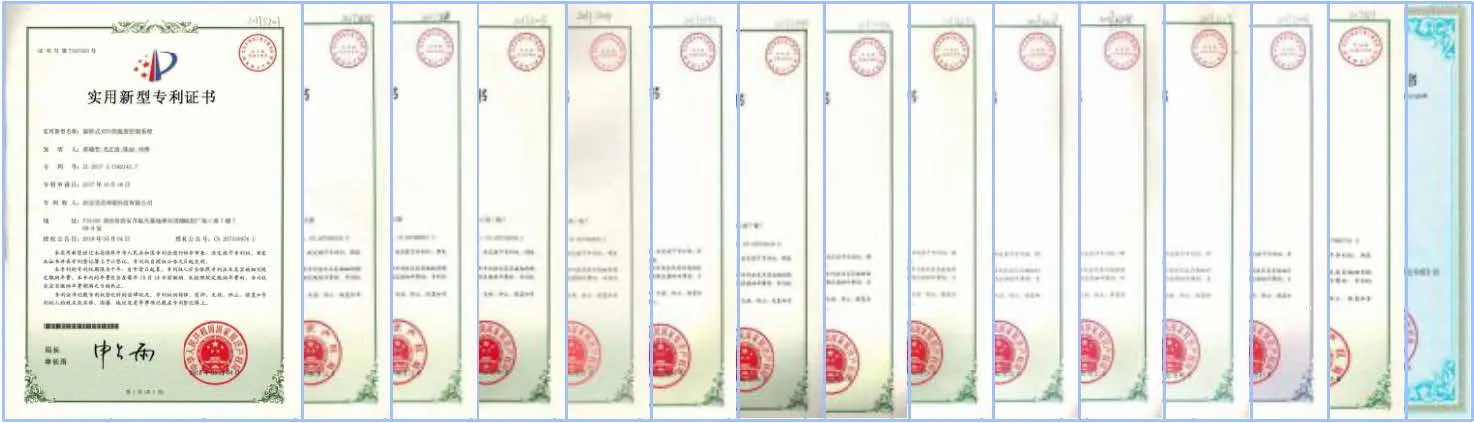
Selskapet har registrert totalt 48 patenter, inkludert 13 oppfinnelsespatenter. Vi har spesifikt innhentet 2 oppfinnelsespatenter, 24 bruksmodellpatenter, 5 designpatenter og 4 programvareopphavsrettigheter. Disse innovative prestasjonene er ikke bare i samsvar med EUs miljøstandarder, men bidrar også til utviklingen av bærekraftig teknologi og realiseringen av den europeiske grønne avtalen og prinsippene for sirkulærøkonomi.
Saksdeling
En stor industripark i Nederland som spesialiserer seg på metallforedling og kjemisk produksjon, sto overfor alvorlige utfordringer med partikkelutslipp som oversteg nederlandske og EUs forskriftsmessige grenser.
- For mye PM2.5: Høye konsentrasjoner av finpartikler var uhåndterlige med eksisterende infrastruktur.
- Strenge EU-normer: Trykk for å oppfylle den årlige gjennomsnittsgrensen på 25 µg/m³.
- Driftskostnader: Ineffektive systemer som fører til uholdbart energiforbruk.
Implementerte høytemperaturoksidasjon (800–1100 °C) for å omdanne farlige partikler til CO2 og vanndamp.
Integrert avansert varmegjenvinning for å forvarme innløpsgasser, noe som reduserer drivstoffavhengigheten betydelig.
Fjerner fuktighet og flyktige organiske forbindelser for å sikre at RTO-en fungerer med maksimal effektivitet.
- Miljømessig: PM2,5-utslippene ble vellykket redusert til godt under EUs grenseverdier.
- Økonomisk: Oppnådde en reduksjon på 20% i totale energikostnader for avgassbehandling.
- Samsvar: Fullt verifisert og godkjent av nederlandske miljøregulatorer, noe som styrker parkens markedsrykte.