In the highly complex architecture of a Selective Catalytic Reduction (SCR) system, the catalyst matrix is universally recognized as the absolute heart of the operation. While the fundamental chemical logic of reducing toxic Nitrogen Oxides into harmless atmospheric nitrogen and water using ammonia is well-established, the physical geometric form of the catalyst serves as the decisive factor dictating operational longevity, pressure drop, and ultimate purification efficiency. Industrial flue gas is never a pristine laboratory medium; it is a hostile, turbulent storm laden with abrasive fly ash, vaporized heavy metals, alkaline poisons, and sticky ammonium sulfates. Choosing between the three dominant structural archetypes—Honeycomb, Plate, En Corrugated—is not merely an aesthetic or minor engineering preference. It is a critical, multi-million-dollar strategic decision that must be flawlessly tailored to the specific metallurgical and thermal realities of your facility. This comprehensive technical deep-dive deconstructs this “Battle of Forms,” providing plant managers and environmental engineers with the empirical data needed to select the optimal catalytic engine for their emission governance strategy.
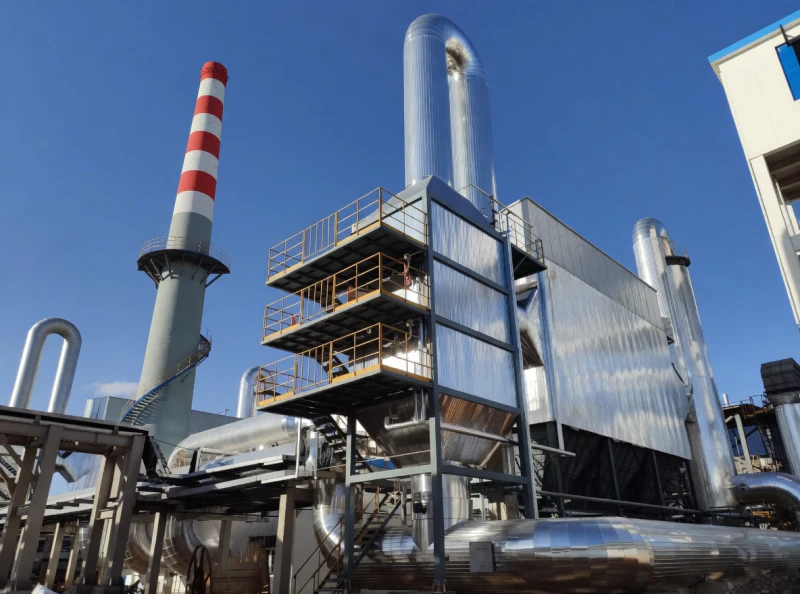
Figure 1: Mega-Scale BL-Series SCR Infrastructure Mastering Near-Zero Emissions
1. The Reactor: Aerodynamics Meets Chemistry
Before scrutinizing the individual catalyst geometries, it is imperative to understand the aerodynamic ecosystem they inhabit. The SCR reactor is the monumental core vessel of the flue gas denitrification system. Its fundamental functions extend far beyond merely housing the catalyst blocks; it must aggressively manage the fluid dynamics of massive gas volumes—often exceeding two million cubic meters per hour—forcing them into a state of absolute laminar flow.
The Intersection of Volume and Velocity
The chemical baseline for modern SCR technology relies heavily on a Vanadium-Tungsten-Titanium formulation. This active substrate is responsible for lowering the activation energy so that ammonia and nitrogen oxides can neutralize each other within a thermal window of 180°C to 400°C. However, the form of this catalyst determines the “Specific Surface Area”—the total microscopic acreage available for molecular collisions. If the geometric form is too dense, the system will choke on fly ash, creating a catastrophic pressure drop. If the form is too sparse, the gas will pass through unreacted, leading to unacceptable emission levels and hazardous ammonia slip.
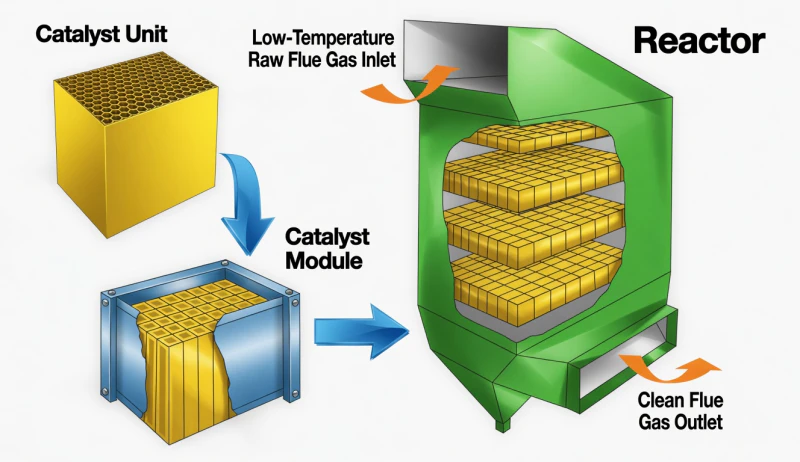
Figure 2: Modular Internal Structure of the SCR Reactor Matrix
2. The Honeycomb Archetype: The Global Heavyweight
Maximizing the Specific Surface Area
The Honeycomb-type catalyst is the undisputed leader in the global SCR market, currently commanding a market share exceeding 65 percent. Its manufacturing process is highly sophisticated: a homogeneous mixture of the active catalytic paste is forced through a die in a uniform extrusion process. This creates a solid block characterized by thousands of parallel, square-shaped channels. Because the entire mass of the block is composed of the active catalytic material, both the interior matrix and the exterior walls contribute to the chemical reaction.
Operational Superpowers:
- Volumetric Efficiency: Under identical operating parameters and flue gas volumes, the honeycomb catalyst provides an overwhelmingly larger specific surface area compared to its counterparts. This allows environmental engineers to design significantly smaller reactor housings, saving massive amounts of structural steel and facility footprint.
- Chemical Resilience: Because the active material permeates the entire depth of the wall, the catalyst exhibits tremendous poisoning resistance against vaporized heavy metals, ensuring a longer operational lifespan.
- Primary Application: It is the definitive standard for utility-grade thermal power plants and industrial boilers where the particulate load (fly ash) is carefully managed or inherently low.
Honeycomb Metrics
Structure: Homogeneous Extrusion
Specific Surface Area: Exceptionally Large
Relative Pressure Drop: Moderate (1.24 Index)
Poisoning Resistance: Hoog
Global Market Share: >65%
3. Plate Type: The Anti-Clogging Vanguard
While the honeycomb structure is highly efficient, its narrow channels present a fatal flaw when deployed in severe industrial environments. In sectors like cement manufacturing, biomass incineration, and heavy metallurgy sintering, the flue gas is saturated with extreme volumes of sticky, highly abrasive fly ash. In these environments, the dense honeycomb channels will rapidly bridge over with ash, blinding the active sites and triggering a catastrophic pressure drop that can choke the entire kiln system. Here, the Plate-Type Catalyst reigns supreme.
Mastering Aerodynamic Resilience
Unlike extrusion, plate catalysts are manufactured by taking a rigid stainless steel mesh framework and heavily calendering (coating) the active catalytic paste onto the exterior surfaces. These coated plates are then assembled into modules with significantly wider pitch gaps between each sheet. This design sacrifices total specific surface area—meaning the overall reactor housing must be designed up to 30% larger to achieve the same chemical conversion rate—but it guarantees exceptional aerodynamic resilience.
Heavy particulate matter passes freely between the wide plates without bridging. Currently holding slightly less than 33% of the market, its main physical vulnerability is that the metal mesh exposed at the cut edges can be susceptible to long-term chemical corrosion. Despite this, it is the uncompromising choice for the world’s most abrasive and heavily particulate-laden flue gas streams.
Plate Type Metrics
Structure: Paste Coated on Metal Mesh
Anti-Clogging Profile: Exceptionally Strong
Relative Pressure Drop: Lowest (Baseline 1.0)
Specific Surface Area: Low (Requires Larger Reactor)
Global Market Share: <33%
4. Corrugated Plate: The Niche Ultra-Lightweight Contender
Designed for Absolute Purity
The third structural variation is the Corrugated-plate catalyst. This design utilizes a sophisticated ceramic or glass fiber substrate, which is shaped into a wavy, corrugated form and then deeply impregnated with the active catalytic formulation.
The primary engineering advantage of this form is its remarkably low weight, which significantly reduces the structural load requirements on the reactor housing. However, it presents a substantial aerodynamic penalty, generating the highest pressure drop among the three types (a 1.48 index compared to the plate’s 1.0). Furthermore, the delicate fiber substrate exhibits poor mechanical wear resistance against abrasive particles. Consequently, it maintains a highly specialized, niche market share of under 5%, utilized almost exclusively in pristine, high-temperature gas-fired power units where fly ash is practically non-existent.
Corrugated Metrics
Structure: Impregnated Ceramic/Glass Fiber
Weight Profile: Ultra-Lightweight
Relative Pressure Drop: Highest (1.48 Index)
Wear Resistance: Arm
Global Market Share: <5%
5. Protecting the Investment: The Soot Blower Imperative
Selecting the perfect catalyst topology is futile if the physical matrix is not rigorously protected during continuous operation. In any SCR environment, the synthesis of sticky ammonium salts and the accumulation of boiler fly ash threaten to choke the reactor. BAOLAN counteracts this by integrating heavy-duty soot blowing systems as a fundamental baseline requirement.
Eradicate Surface Clogging
Automated high-pressure steam lances or acoustic resonance arrays are utilized to violently blast the catalyst surfaces on a programmed cycle. This continuous sweeping action ensures that fly ash and condensed ammonium bisulfate are forcefully dislodged from the micropores, preserving the full volumetric activity of the catalyst block.
Guarantee Chemical Uniformity
By preventing localized blockages, the soot blowers ensure that the incoming flue gas passes through the entirety of the catalyst bed at a strictly uniform velocity. This eliminates aerodynamic dead-zones, maximizing the contact time between the ammonia and the NOx, thereby preventing sudden, dangerous spikes in emission levels.
Minimize Parasitic Load
As ash accumulates, the pressure drop across the reactor spikes, forcing the facility’s massive induced draft fans to consume significantly more electricity. By maintaining a clean aerodynamic pathway, the soot blowing module slashes the overall energy consumption of the plant, delivering immediate operational cost savings.

Figure 3: Acoustic Resonance Soot Blower
.webp)
Figure 4: Pneumatic Steam Rake Array
6. Integrated Manufacturing: Engineering the Complete Ecosystem
Designing the precise catalyst topology is only the initial phase. BAOLAN operates as a massively integrated engineering supplier, translating material science into heavy industrial reality. With an annual production capacity exceeding 50,000 tons, our manufacturing facilities execute complete turnkey solutions that seamlessly unite chemistry with mechanical brute force.
Our industrial footprint utilizes cutting-edge robotic automatic welding systems, sophisticated CNC plasma cutting machines, and massive plate rolling stations to construct the monumental structural steel required for the reactor housings. This extreme precision ensures zero structural leakage and absolute internal flow uniformity.
Governed by rigorous ISO9001 quality management protocols, BAOLAN delivers complete electrical control modules, advanced PLC metering arrays, and fully automated ammonia injection matrices. This full-spectrum capability allows us to deploy the BL-Series across the most diverse and challenging environments globally—from massive thermal power units and abrasive cement kilns to chemically complex coking and glass facilities.
.webp)
Figure 5: Deploying Customized Catalyst Archetypes Across Distinct Industrial Verticals
Architect Your Catalyst Strategy Today
Choosing between Honeycomb, Plate, or Corrugated structures is a critical decision that will dictate the compliance and profitability of your operations for years to come. Do not leave your multi-million dollar environmental investments to chance. Harness the deep engineering expertise of BAOLAN EP INC. to perform a forensic analysis of your flue gas dynamics and design a bespoke, ultra-low emission SCR architecture. Contact our senior technical team today to initiate your facility’s transformation.