
Solução para tratamento de gases odoríferos RTO
Fornecemos soluções de oxidação térmica regenerativa (RTO) em conformidade com as normas NEN-EN 13725, que atendem às rigorosas regulamentações holandesas sobre odores (Geurhinder).
Definição e origem do gás odorífero
Gases odoríferos referem-se a todos os poluentes gasosos que podem irritar o olfato humano, causando sensações desagradáveis e afetando negativamente o ambiente. Sua principal característica não é a toxicidade, mas sim o grau de perturbação olfativa que causam.
Critérios principais:
- Percepção subjetiva: Baseia-se na percepção olfativa humana.
- Sensibilidade a baixas concentrações: Muitas substâncias podem ser detectadas em concentrações extremamente baixas (nível de ppb).
- Perturbação ambiental: afeta a qualidade de vida e o conforto ambiental.
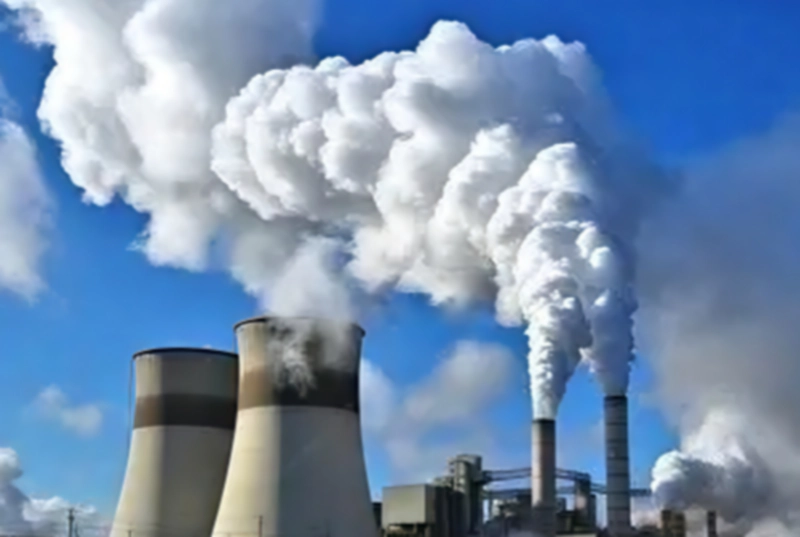
🏭 Fontes Industriais (Áreas-chave de Governança, Principais Campos de Aplicação das RTOs)
| Tipo de indústria | Estágios típicos de geração | Principais substâncias malcheirosas | Descrição do odor |
|---|---|---|---|
| Tratamento de águas residuais | Câmara de areia, tanque de sedimentação, tratamento de lodo | H2S, NH3, metil mercaptano, aminas | Cheiro forte de ovo podre, odor pungente de amônia. |
| Processamento de Resíduos | Empilhamento, compressão, lixiviado | Sulfetos, ácidos graxos, aldeídos/cetonas, COVs | Cheiro misto de podre |
| Produtos químicos e farmacêuticos | Reatores, tanques de armazenamento, lagoas de águas residuais | Hidrocarbonetos halogenados, éteres de sulfeto, aminas orgânicas, série do benzeno | odor irritante químico |
| Processamento de Alimentos | Fermentação, culinária, resíduos | Ácidos graxos, aldeídos, produtos de decomposição de aminoácidos sulfurados | Cheiro rançoso e pútrido |
| Criação de gado e aves | esterco, urina, armazenamento de ração | NH3, H2S, escatol, VFAs | Odor pungente de esterco/urina |
| Refino de petróleo | Dessulfurização, craqueamento catalítico, armazenamento e transporte | Mercaptanos, sulfetos, fenóis | Cheiro de ovo podre, odor de alcatrão |
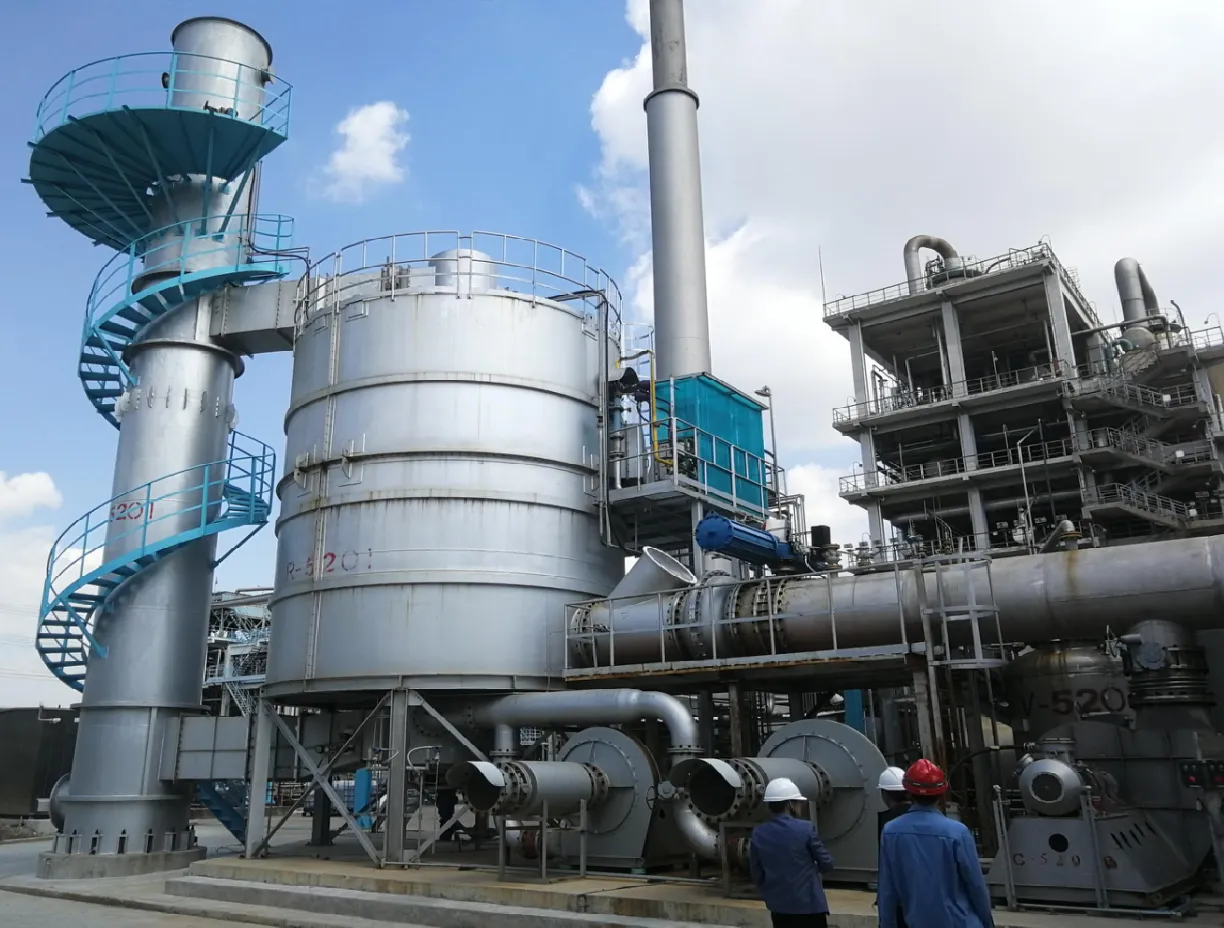
Como podemos garantir a conformidade com as normas de emissão de gases?
Nossos padrões de projeto RTO:
1. Eficiência de remoção ultra-alta
Critério de avaliação do projeto: Taxa de remoção de odores >99%
Operação real: Garante uma concentração de emissão <1 ouE/m³ (abaixo da maioria dos limites de detecção)
Garantia técnica: Temperatura de oxidação 760-850℃ + tempo de residência >0,75 segundos
2. Integração de monitoramento específica para os Países Baixos
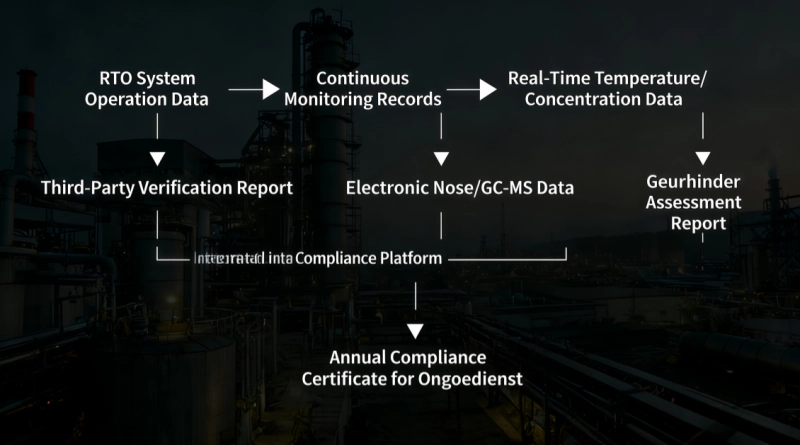
Sistema integrado de monitoramento contínuo de odores (ex.: nariz eletrônico ou GC-MS online)
Upload de dados em tempo real para a plataforma do Omgevingsdienst (Departamento de Serviços Ambientais).
Geração automática de relatórios de conformidade, atendendo aos requisitos da ILT (Inspeção Ambiental Holandesa).
3. Design adaptado ao clima holandês
Design resistente a baixas temperaturas: Garante operação estável a -10°C
Resistente ao vento e à chuva: Atende aos padrões de proteção IP NEN-EN 60529.
Materiais resistentes à corrosão: Resistentes ao ambiente de névoa salina da região do Mar do Norte.
Caso do cliente
Caso 1: Fábrica de Laticínios FrieslandCampina
Desafio: Localizada em uma área agrícola sensível, o odor da produção de queijo causou reclamações dos moradores vizinhos.
Solução: Sistema RTO personalizado, com foco no tratamento de ácidos graxos e sulfetos.
Resultados de conformidade:
- Antes: 15 a 20 vezes por mês, valor de monitoramento de 5 a 8 ouE/m³
- Após: 6 meses consecutivos sem reclamações, valor de monitoramento de 0,5 a 1,2 ouE/m³
- Reparos: Licença ambiental renovada com sucesso e aprovação obtida para expansão da escala de produção.
Depoimento do cliente:
“A instalação do RTO não causou nenhum problema grave, mas gerou reclamações dos moradores da região. O monitoramento contínuo dessas questões levou a novas reclamações.”
— Klaas van der Meer, Milieucoördinator
Caso 2: Estação de Tratamento de Resíduos Afvalverwerking Noord-Holland
Requisitos especiais: Deve atender aos requisitos de atualização do LAP3 (Plano Nacional de Gestão de Resíduos).
Inovação tecnológica: geração de energia por meio de recuperação de calor e transferência de energia a partir de fontes renováveis (RTO), integrada à rede de aquecimento urbano.
Benefícios econômicos e ambientais:
Energias: Economia anual de gás natural de 120.000 m³
Redução de CO2: Redução anual de emissões de 240 toneladas.
Subsídio: Receba um subsídio SDE++ de 85.000 euros.