Industrial HAPs Redução:
Controle de precisão que vai além da conformidade
Tratamento de 187 poluentes atmosféricos perigosos regulamentados com 99,9% mais eficiência de remoção. Projetado para substâncias de alto risco sob a égide do Estrutura NeR ZZS e as auditorias ambientais mais rigorosas da UE.
Por que a redução de HAPs é um desafio incomum
Os HAPs (Poluentes Atmosféricos Perigosos) são fundamentalmente diferentes dos COVs (Compostos Orgânicos Voláteis) comuns. São compostos de alta toxicidade, frequentemente carcinogênicos, regulamentados não apenas pela concentração total, mas também por limites de massa individuais extremos (nível ZZS/ppb). O tratamento eficaz requer uma lógica de engenharia especializada que vai muito além da oxidação convencional.
Ao contrário dos solventes comuns, mesmo vazamentos em nível de ppb de substâncias como benzeno ou óxido de etileno representam riscos imediatos à saúde. O sistema deve manter integridade absoluta contra gases, da entrada à chaminé.
Para atender aos padrões NeR (Nederlandse Emissie Richtlijn) para substâncias de alto risco, é necessária uma eficiência de destruição sem precedentes. Embora o padrão 95% seja aceitável para COVs (Compostos Orgânicos Voláteis), os HAPs (Poluentes Atmosféricos Perigosos) geralmente exigem uma DRE (Eficiência de Remoção e Destruição) verificada de 99,9% ou superior.
Os HAPs raramente são puros; eles existem em misturas complexas com diferentes limiares de oxidação. O projeto de engenharia deve levar em consideração as espécies mistas que podem ser corrosivas, altamente inflamáveis ou produzir subprodutos secundários tóxicos após oxidação parcial.
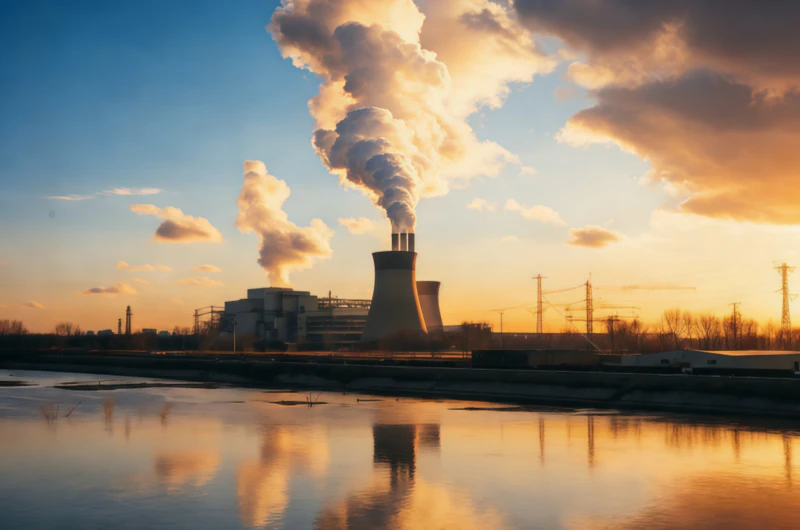
Inventário de Poluentes para HAPs Eliminação
Espécies orgânicas de alto risco
- Benzeno e Aromáticos Prioridade ZZS
- Formaldeído e aldeídos Alto risco
- Tricloroetileno e halogenados Classe I
- Cloreto de vinila Carcinogênico
- Óxido de etileno Risco extremo
Compostos ácidos e inorgânicos
- Cloreto de hidrogênio (HCl) Corrosivo
- Cianeto de hidrogênio (HCN) Tóxico Crítico
- Vapores de mercúrio e metal Classe NeR I
- Cloro (Cl₂)2Gás Ventilação de processo
- Misturas de gases ácidos Controle Híbrido
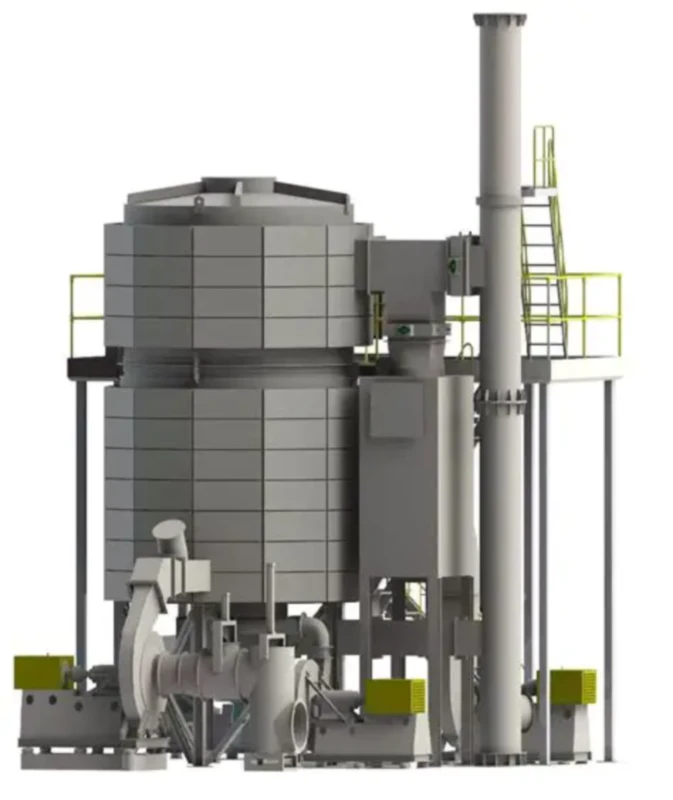
Tecnologia Integrada: Sistema de Defesa Multiestágios para Águas Profundas HAPs Eliminação
O tratamento bem-sucedido de fluxos complexos de Poluentes Atmosféricos Perigosos (HAPs) exige uma estratégia sequencial, em vez de um único componente. Nossa abordagem integrada utiliza tecnologias de pré-tratamento dinâmico e destruição profunda em conjunto. Essa arquitetura garante que fluxos de gás de alto volume, diluídos ou com flutuações sejam estabilizados e concentrados antes da oxidação final de alta eficiência.
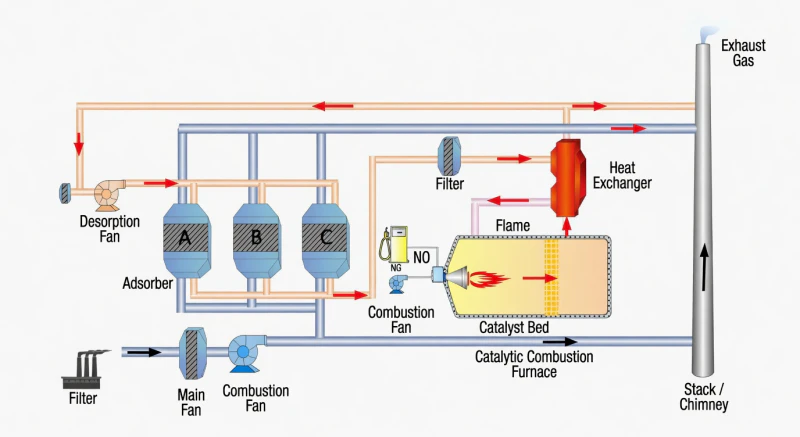
01. Concentração de Zeólita
A solução definitiva para fluxos de VOC/HAPs de alto volume e baixa concentração. Os Concentradores Rotativos de Zeólita adsorvem ativamente os Poluentes Atmosféricos Perigosos, criando um fluxo de ar principal purificado. O fluxo de poluentes concentrados é dessorvido e direcionado para o RTO, maximizando a autossustentação térmica e eliminando o desperdício de energia.
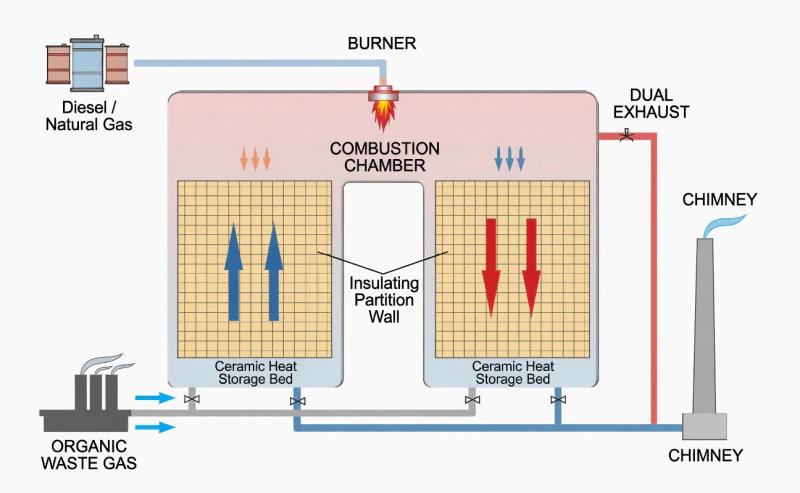
02. Oxidante Térmico Regenerativo
O coração do sistema de eliminação profunda. Nossos RTOs de dois leitos são projetados especificamente para a destruição absoluta de substâncias altamente preocupantes (ZZS). HAPs concentrados são expostos a temperaturas superiores a 850 °C para uma quebra molecular robusta. Este processo converte irrevogavelmente moléculas orgânicas tóxicas em $CO_2$ e $H_2O$ inofensivos com eficiência térmica incomparável.
Desempenho comprovado em HAPs Redução

Foco técnico
Gerenciamento de descargas intermitentes de reatores com alta carga. Nossos sistemas apresentam controle rápido do LEL (Limite Inferior de Explosividade) e mistura de alta turbulência para atingir a destruição de solventes halogenados com 99,91% de eficiência no tratamento térmico (TP3T).
Ventilação do Reator em Batelada
Lidando com a natureza complexa e intermitente da síntese em lote farmacêutica. Nossos sistemas RTO são projetados para gerenciar picos repentinos de concentração (gerenciamento de LEL), garantindo a destruição completa de HAPs cancerígenos como benzeno e formaldeído, em conformidade com os padrões holandeses NeR ZZS.
Foco técnico
Integração da concentração por rotor de zeólita com um RTO de dois leitos. Este design híbrido permite a operação com consumo energético neutro, mesmo com baixas concentrações de solvente na entrada.
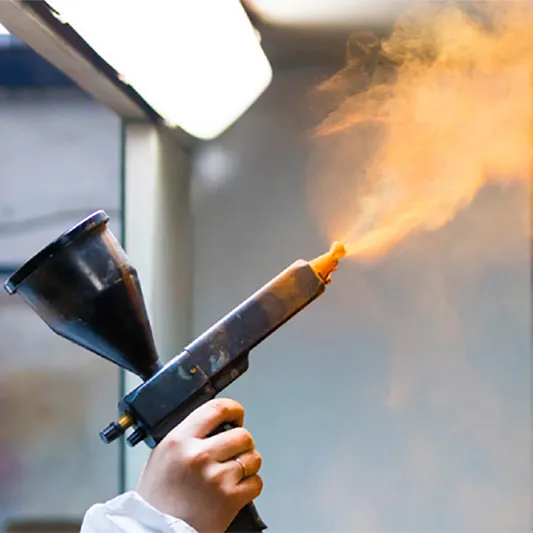
Exaustão de solventes em alto volume
Otimizada para linhas de revestimento de alta velocidade e exaustão de secadores de alto volume contendo tolueno, xilenos e NMP. Implementamos tecnologia integrada de concentração de zeólita e oxidação térmica para alcançar conformidade absoluta com a menor pegada de carbono operacional possível.
Foco técnico
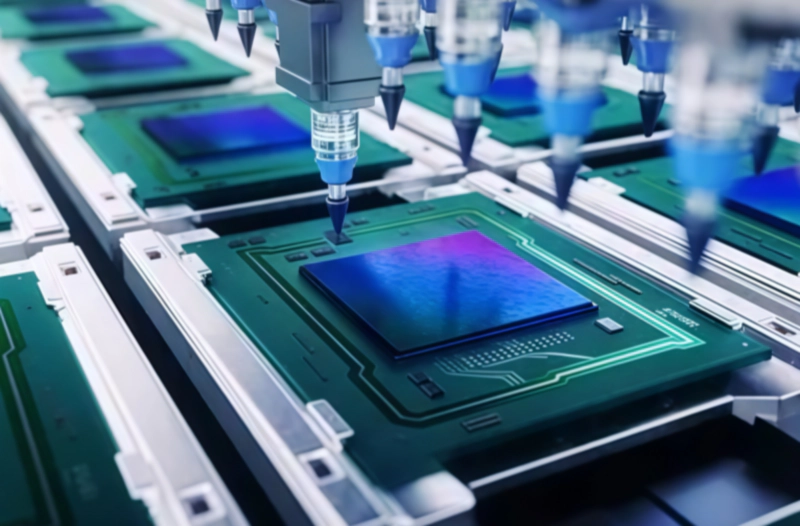
Tempo de residência especializado (>1,2s) e monitoramento de temperatura de alta precisão para garantir a destruição de 99,99% das espécies estáveis de gás corroído do semicondutor.
Salas limpas e sistemas de ventilação para gravação
Tratamento de precisão para gases de baixa concentração e alta toxicidade provenientes de litografia e gravação em salas limpas. Focado em zero vazamento na interface gás-gás e destruição comprovada de espécies moleculares estáveis. Nossos sistemas proporcionam um "polimento final" para o ar de exaustão em centros industriais urbanos sensíveis.

Foco técnico
Projetos de segurança com classificação ATEX e SIL para operação em zonas de refinaria classificadas como perigosas. Os sistemas incluem recuperação de calor em múltiplos estágios e ligas resistentes a ácidos.
Respiros do processo de refinaria
Gerenciamento de poluentes atmosféricos perigosos (HAPs) e emissões fugitivas de unidades de processo de refinaria, parques de tanques e estações de carregamento. Nossos sistemas RTO de alta resistência possuem certificação ATEX e são projetados com ligas resistentes a ácidos para lidar com gases residuais petroquímicos de alta carga de forma segura e contínua.
Estudos de Caso Globais: Comprovados HAPs Eliminação
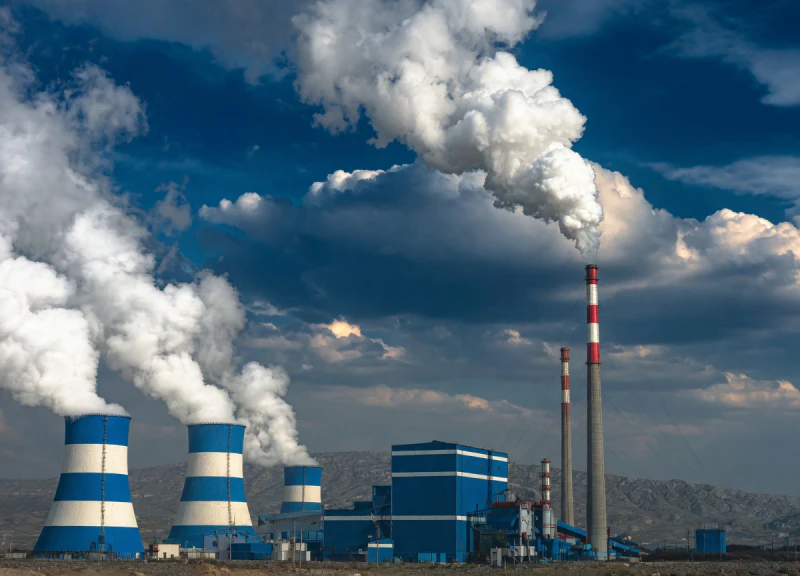
Mitigação de espécies ZZS de alto risco
Uma fábrica de produtos químicos em Roterdã necessitava da destruição completa de benzeno e óxido de etileno para atender aos limites de emissão da classe ZZS da NeR. Implementamos um sistema de oxidação térmica rápida (RTO) com alto tempo de residência e monitoramento térmico especializado.
Eliminação de gases residuais de solventes complexos
Gerenciamento de gases de exaustão multicomponentes de reatores de batelada farmacêuticos contendo altas concentrações de formaldeído e metanol. O sistema exigia desempenho estável sob concentrações de entrada variáveis.