En el entorno ultralimpio de las plantas de fabricación de semiconductores (Fabs), la complejidad de la gestión de gases efluentes trasciende las normas industriales estándar. La producción de circuitos integrados, sistemas fotovoltaicos y paneles de visualización genera una mezcla heterogénea de... Compuestos orgánicos volátiles (COV), nieblas ácidas inorgánicas y gases de proceso especializados. Oxidador térmico regenerativo (RTO) se ha convertido en el estándar de oro para el tratamiento de estas corrientes complejas, principalmente debido a su resiliencia térmica y su excepcional eficiencia de eliminación de destrucción (DRE).
Un RTO diseñado para el sector electrónico no es una unidad estándar; es un reactor termoquímico de alta precisión. Funciona elevando la temperatura del escape del proceso a aproximadamente 850 °C, donde los hidrocarburos, incluidos los disolventes fotorresistentes como PGMEA, NMP e IPA, se descomponen oxidativamente en CO₂ y H₂O. La integración de monolitos cerámicos de alta pureza Garantiza una eficiencia de recuperación térmica de 95-97%, crucial para minimizar los gastos operativos (OPEX) en instalaciones que operan 24/7. Además, para la fabricación de productos electrónicos, el RTO a menudo debe combinarse con depuradores húmedos de dos etapas para neutralizar subproductos corrosivos como HF, HCl y NOx antes o después del proceso de oxidación.
¿Por qué se prefiere el RTO para el escape de electrónica especializada? La respuesta radica en su capacidad para manejar gran volumen, baja concentración flujos con extrema confiabilidad. En CMN Industry Inc., diseñamos sistemas que no solo cumplen con los límites de emisiones inferiores a 10 mg/m³ requeridos por las agencias ambientales locales, sino que también se integran en la planta. sostenibilidad y recuperación de calor redes, reduciendo la huella de carbono general del proceso de fabricación de chips.
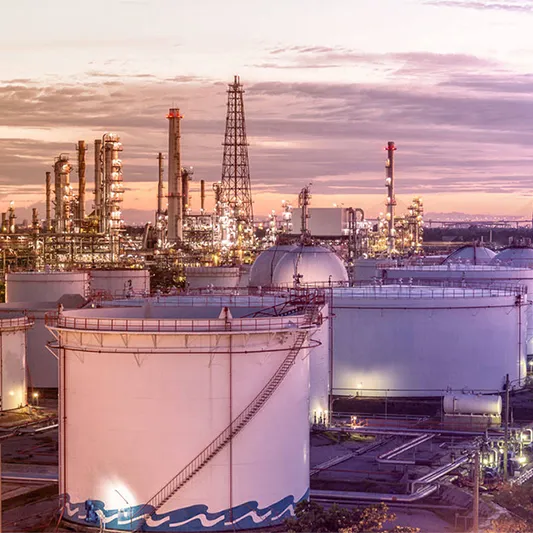
Parámetros técnicos básicos de RTO para la fabricación de alta tecnología
En el sector de los semiconductores, la eficiencia se mide en partes por mil millones (ppb). Nuestros parámetros RTO están meticulosamente calibrados para gestionar la química agresiva de los gases de escape de las plantas de fabricación:
| Parámetros técnicos | Especificaciones de grado de semiconductor | Impacto en la fabricación de productos electrónicos |
|---|---|---|
| Temperatura de combustión | 850 °C – 1050 °C | Asegura la descomposición total de disolventes refractarios como N-Metil-2-pirrolidona (NMP). |
| Eficiencia térmica (TER) | 95% – 97% | Crítico para RTO废气处理设备热回收效率 en salas blancas con alto consumo energético. |
| Eficiencia de eliminación de destrucción | ≥ 99,5% | Cumple 高温热氧化器VOC处理效率 puntos de referencia para fábricas de emisiones ultrabajas. |
| Selección de materiales | Revestimiento de acero inoxidable 316L/Hastelloy/PTFE | Previene la corrosión causada por trazas de ácido fluorhídrico (HF) o clorhídrico (HCl). |
| Rango de flujo de aire | 5.000 – 150.000 Nm³/h | Escalable a sistemas de escape centralizados de fábricas GIGA. |
| Velocidad de conmutación de la válvula | < 1,5 segundos | Las válvulas de asiento de alta velocidad minimizan las fluctuaciones de presión en entornos de salas blancas sensibles aguas arriba. |
Estos parámetros se adhieren a SEMI S2 directrices de seguridad y estándares ambientales internacionales, como la Método 25A de la EPA de EE. UU.Al utilizar modelos CFD (Dinámica de Fluidos Computacional), garantizamos que el tiempo de residencia esté optimizado para evitar la derivación de precursores orgánicos tóxicos.
Características del escenario: Desafíos en la reducción de gases de los residuos electrónicos
El escenario de fabricación de productos electrónicos se caracteriza por: diversidad química extremaA diferencia de un taller de pintura, el perfil de escape de una fábrica cambia con cada ciclo de litografía o grabado.
Méritos operativos
- Estabilidad autotérmica: Incluso con COV diluidos, los lechos regenerativos mantienen la inercia térmica, reduciendo drásticamente la demanda de gas natural.
- Integración escalable: Los RTO interactúan fácilmente con los rotores concentradores de zeolita (转轮浓缩), lo que permite el tratamiento de flujos de aire masivos con una cámara de combustión relativamente pequeña.
Limitaciones y soluciones de ingeniería
Una restricción principal es la presencia de Siloxanos o gases a base de silicio, que pueden formar SiO₂ (polvo sólido) durante la combustión, lo que podría obstruir los medios cerámicos. Resolvemos esto incorporando soluciones especializadas. sillines de cerámica de alta capacidad que facilitan una limpieza fácil y una mayor tolerancia a las partículas, junto con una filtración ascendente avanzada.
Componentes del sistema RTO y ecosistema especializado
Para aplicaciones de semiconductores, la fiabilidad de los componentes es fundamental. CMN Industry Inc. recomienda el siguiente ecosistema especializado:
- Medios de calor cerámicos: Estructuras monolíticas en forma de panal con recubrimientos especializados para resistencia a los ácidos.
- Integración de depurador húmedo: Depuradores pre-RTO para eliminación de partículas/ácido y depuradores post-RTO para extinción de NOx/SOx.
- Monitoreo LEL: Sensores de límite explosivo inferior de respuesta ultrarrápida para prevenir incidentes de seguridad durante picos de solvente.
- Rotor de concentración de zeolita: Esencial para concentrar el aire altamente diluido de la sala limpia antes de que ingrese al RTO.
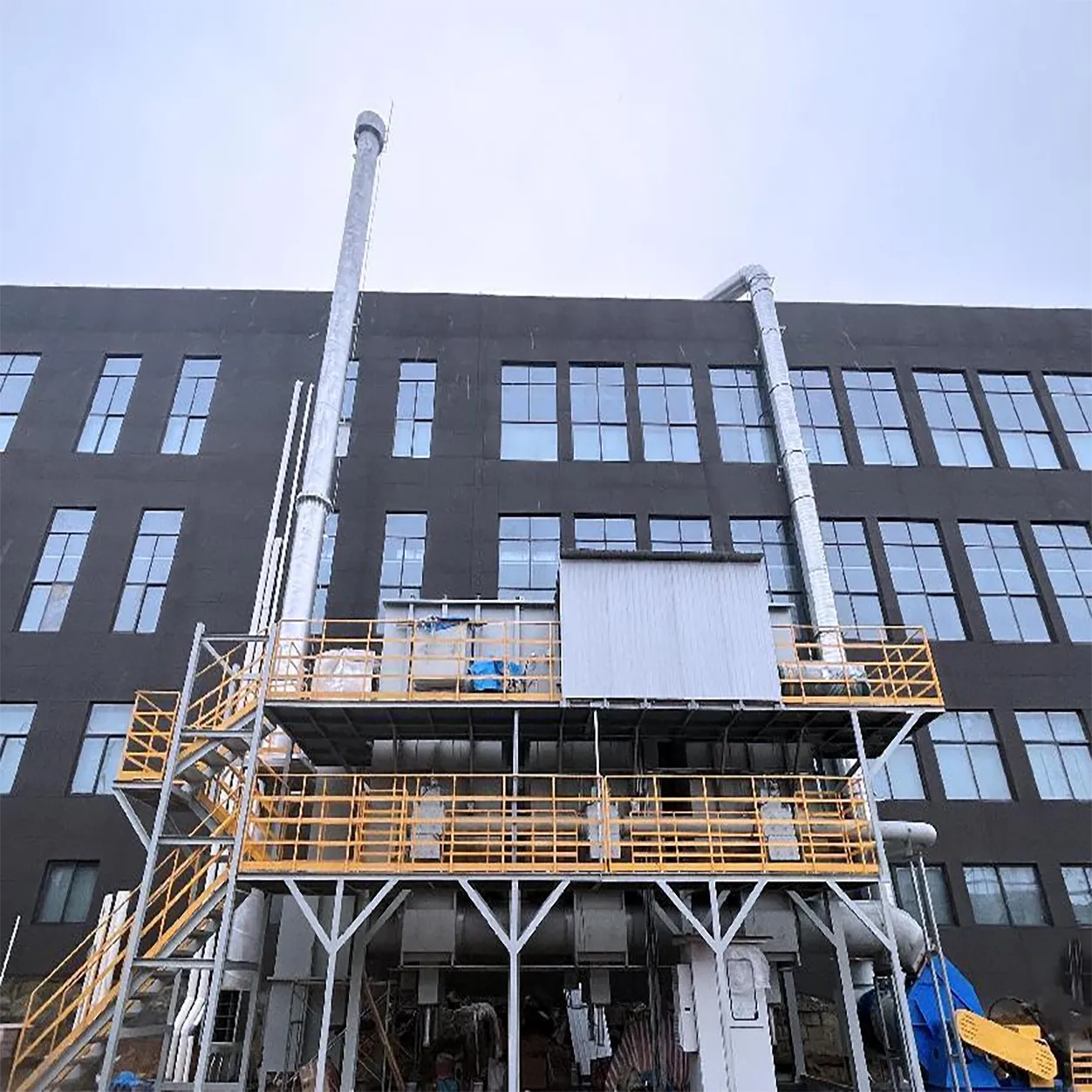
Análisis comparativo: marcas globales de RTO para semiconductores
| Marca | Ventaja competitiva fundamental | Dominio regional | Índice de precio/valor |
|---|---|---|---|
| Dürr (Ecopure) | Manejo masivo del flujo de aire; automatización de alta gama. | Europa, NA, China (Fabricantes de nivel 1) | Premium / Alto |
| Taikisha | Exquisita integración con unidades de preparación de superficies. | Japón, Sudeste Asiático | Premium / Medio-Alto |
| Industria CMN | Especialización resistente al ácido; personalización ágil. | Global (de rápido crecimiento) | ROI medio/alto |
| Anguila | Robustez en ambientes químicos agresivos. | América del norte | Medio-Alto / Medio |
SEO local: Cumplimiento normativo y penetración de mercado
China/Taiwán (centros de TSMC) El cumplimiento gira en torno a GB 31572-2015 (Estándar de Emisión de Contaminantes para la Industria de Semiconductores). En Taiwán, las regulaciones de la EPA para el Parque Científico de Hsinchu exigen un monitoreo riguroso del carbono orgánico total (COT) y de contaminantes atmosféricos peligrosos específicos (CPA).
Global (EE. UU./UE) El Agencia de Protección Ambiental de EE. UU. NESHAP para la fabricación de semiconductores y la BREF de la UE Las normas para electrónica exigen que los sistemas RTO alcancen una eliminación >98% para éteres y cetonas específicos. Nuestros sistemas están precertificados para superar estas rigurosas auditorías ambientales.
Experiencia de campo profesional y estudios de casos especializados
La gestión de los gases de escape de los semiconductores requiere una mentalidad de "cero fallos". Recuerdo un proyecto en el que el proceso de fotorresistencia del cliente utilizó... Hexametildisilazano (HMDS)Los medios cerámicos RTO estándar habrían fallado en cuestión de meses debido a la acumulación de sílice. Implementamos una capa cerámica de sacrificio y un diseño de flujo vertical que permitía un mantenimiento periódico con soplado de polvo sin apagar la fábrica.
Caso práctico 1: Fabricación de obleas de 300 mm (Shanghái, China)
Un fabricante líder de chips lógicos se enfrentó a graves problemas con las emisiones de NMP y PGMEA. El método de tratamiento existente (incinerador térmico) consumía un exceso de gas natural y tenía un DRE de tan solo 92%.
COV: 1.500 mg/m³
Consumo de combustible: $140k/mes
Cumplimiento: Marginal
COV: < 5 mg/m³
Consumo de combustible: $12k/mes
DRE: 99.8%
Al actualizar a un RTO CMN de 3 torres integrado con un concentrador de zeolita, la planta alcanzó el estado "autotérmico" durante 90% del ciclo de producción. El ahorro anual en gastos operativos superó los 1,5 millones de TP4T, lo que supone un periodo de amortización de poco menos de 24 meses.
Caso práctico 2: Fabricación de paneles OLED (Cheonan, Corea del Sur)
La fabricación de paneles OLED de alta resolución implica un uso considerable de acetona y etanol. El volumen de aire de la instalación era de unos impresionantes 120.000 Nm³/h.
Caudal de aire: 120k Nm³/h
Tratamiento: Ninguno (Dilución)
Estado: Advertencia regulatoria
COV de salida: 10 mg/m³
Recuperación de calor: se utiliza para circuitos de agua.
Crédito de carbono: 4k toneladas/año
Diseñamos un sistema modular de doble RTO. Esta redundancia garantizó que, si una unidad requería mantenimiento, la fábrica pudiera continuar la producción a una capacidad de 50%, evitando el coste catastrófico de una interrupción total de la producción (que puede superar los $5M al día en las líneas OLED).
Caso práctico 3: Producción de placas PCB y HDI (Suzhou, China)
Esta fábrica utilizaba laminados revestidos de cobre, lo que liberaba altas concentraciones de fenol y formaldehído. Estos gases son notoriamente difíciles de oxidar y altamente corrosivos.
Formaldehído: 250 mg/m³
Nivel de olor: severo
Formaldehído: < 1 mg/m³
Calor secundario: secado en horno
La zona de alta temperatura del RTO (950 °C) garantizó el craqueo térmico total de las resinas fenólicas. El calor residual del RTO se redirigió a los hornos de laminación, lo que redujo la demanda energética de toda la fábrica en 201 TP3T.
Caso práctico 4: Fabricación de células fotovoltaicas (EE. UU., Texas)
La fabricación de paneles fotovoltaicos utiliza silano y amoníaco. El riesgo de incendio o explosión en el conducto de escape es extremadamente alto.
Alto (gases pirofóricos)
Entrada RTO purgada con N2
Implementamos un tanque de compensación purgado con nitrógeno aguas arriba del RTO para diluir las concentraciones de silano por debajo del límite explosivo. El RTO mantuvo una DRE de 99,51 TP3T para amoníaco, convirtiéndolo en NOx, que posteriormente fue capturado por un sistema de SCR (Reducción Catalítica Selectiva) de postratamiento.
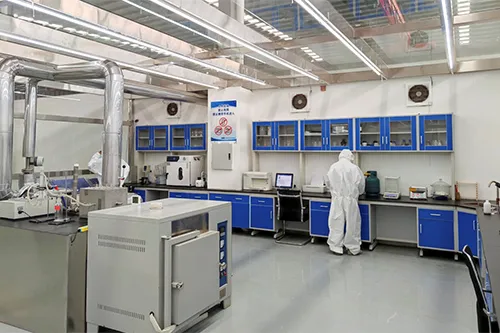
Tendencias innovadoras en la gobernanza de VOC de semiconductores
La industria se está moviendo hacia RTO de energía plus, donde la planta de tratamiento de gases residuales se convierte en un exportador neto de energía para la planta. Al combinar los RTO con Enfriadores de absorciónPodemos convertir el calor de escape en agua fría para enfriar salas blancas. Además, el desarrollo de... Gemelo digital La tecnología permite a CMN Industry Inc. simular escenarios de escape en tiempo real, previniendo fallas en los quemadores antes de que ocurran. El objetivo final es una economía electrónica circular donde el tratamiento de COV sea un catalizador para la optimización energética.