
Enclavados en el corazón del innovador panorama químico europeo, los Países Bajos son líderes gracias a una combinación de ingeniería de precisión y gestión ambiental, donde los intermediarios de pesticidas y colorantes constituyen componentes esenciales para la agricultura y la industria textil. Las instalaciones de Róterdam, el puerto de entrada a Europa, sintetizan compuestos como organofosforados y colorantes azoicos a partir de materias primas transportadas a través de puertos con gran actividad. Estos procesos, vitales para proteger los campos de tulipanes holandeses en Holanda Septentrional o teñir tejidos en las fábricas de Holanda Meridional, generan corrientes de escape cargadas de disolventes halogenados y compuestos de azufre. Los operadores de la zona, con una larga trayectoria en gestión de canales y agricultura sostenible, buscan maneras de minimizar las emisiones que podrían afectar a las vías fluviales cercanas. EVER-POWER ofrece oxidadores térmicos regenerativos diseñados para manejar estas mezclas específicas, basándose en diseños perfeccionados durante años de experiencia en el tratamiento de gases corrosivos en entornos costeros húmedos, lo que ayuda a las plantas a mantener su productividad y a cumplir con el compromiso nacional con la limpieza del aire y el agua.
En provincias como Utrecht, donde los clústeres químicos sustentan las exportaciones globales, la síntesis implica reacciones que liberan compuestos orgánicos volátiles a partir de intermediarios como nitrobencenos o fosfonatos. Los flujos de gas, a menudo intermitentes debido a los procesos por lotes en los laboratorios de Gelderland, requieren un tratamiento flexible para evitar acumulaciones en espacios cerrados. Nuestras unidades incorporan un precalentamiento avanzado para gestionar picos de baja concentración, una característica perfeccionada tras la gestión de cargas variables en los centros agroquímicos de Limburgo. Esto refleja el enfoque holandés para la recuperación de tierras, convirtiendo posibles riesgos en recursos gestionados, de forma similar a como los pólderes retienen el mar.
La vecina Bélgica, con sus parques químicos en Amberes, que producen tioureas similares para tintes, comparte la vigilancia transfronteriza en virtud de las directivas de calidad del aire de la UE, priorizando los esfuerzos conjuntos contra los contaminantes transfronterizos. El valle del Ruhr, en Renania del Norte-Westfalia, Alemania, sintetiza anilinas para pesticidas, utilizando oxidantes para controlar las emisiones de cloro en entornos ribereños. En otros continentes, las instalaciones estadounidenses en Illinois, en el Medio Oeste, procesan precursores de glifosato, utilizando unidades de alta temperatura para destruir los vapores de fósforo en vastas tierras de cultivo.
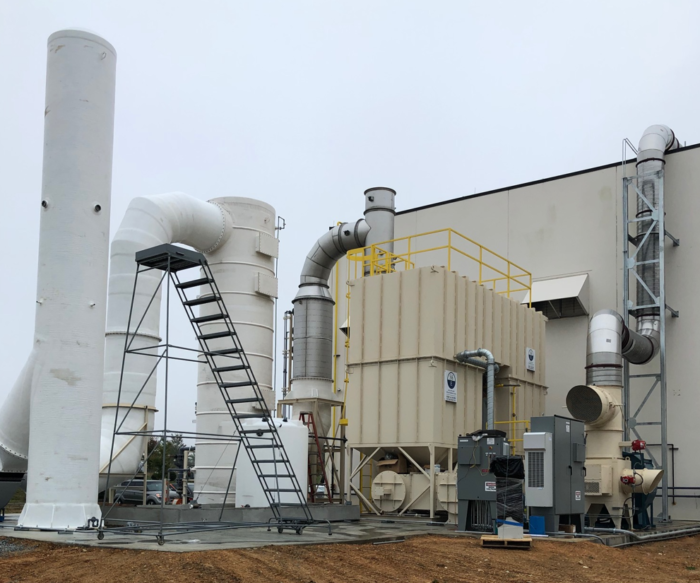
Las plantas de la cuenca del Yangtsé en la provincia china de Jiangsu fabrican sales de diazonio para tintes, con una humedad similar a la de la niebla holandesa en Zelanda, donde nuestras etapas de deshumidificación previenen la condensación ácida. Los complejos de Jubail en Arabia Saudita producen sulfonatos para agroquímicos, con cámaras resistentes al calor que soportan las condiciones extremas del desierto. La región rusa del Volga sintetiza organoclorados, soportando fríos que ponen a prueba el aislamiento, similares a los inviernos en Groningen. Estas adaptaciones globales garantizan que nuestros sistemas se integren a la perfección en las compactas plantas de síntesis de Overijssel, donde las limitaciones de espacio exigen construcciones modulares.
Desentrañando las emisiones de la síntesis de intermedios
Los intermedios de pesticidas y colorantes surgen de reacciones de varios pasos que implican cloración o sulfonación, expulsando gases como cloruro de hidrógeno o aminas volátiles. En los centros de investigación de Ámsterdam, esto puede formar nieblas ácidas que corroen los equipos, lo cual se soluciona mediante nuestras vías revestidas con aleación. Nuestros oxidantes elevan las temperaturas a 950 °C, descomponiéndolos completamente en formas inertes, según simulaciones que muestran una descomposición completa en residencias de 1,5 segundos.
Las plantas de teñido de Gujarat, India, liberan compuestos azoicos durante los monzones, creando corrientes húmedas que nuestros depuradores neutralizan, similares a las condiciones lluviosas de Brabante Septentrional. Un gerente de planta en Frisia recordó cómo las liberaciones de lotes saturaron los antiguos respiraderos: "Los picos de azufre de la síntesis de tiourea contaminaron nuestras líneas, pero la desulfuración integrada estabilizó los flujos, lo que nos permitió escalar sin interrupciones".
Los parques químicos de Cabo, en Sudáfrica, procesan carbamatos para pesticidas, con oxidantes que gestionan residuos de fosfato en climas secos, adaptándose de forma similar a las adaptaciones a los áridos veranos neerlandeses en Drenthe. Esta fiabilidad se debe a la incorporación de mecanismos Zeldovich en los diseños para minimizar los NOx de los intermediarios nitrogenados.
Afrontando los principales problemas de la ventilación química holandesa
Las corrientes ricas en halógenos de la industria aceleran la corrosión, pero en los valles de Limburgo, nuestros componentes Hastelloy prolongan su vida útil. La Directiva Europea sobre Desechos Industriales (UE) exige las mejores técnicas disponibles (MTD) para los productos intermedios, lo que impulsa las instalaciones de Utrecht hacia unidades de alta eficiencia para limitar las emisiones a 10 mg/Nm³. Nuestros ciclos de secado al horno eliminan los residuos poliméricos de las reacciones de los colorantes, evitando obstrucciones en los procesos continuos.
Las plantas de Veracruz, en México, luchan contra la humedad en la síntesis de carbamatos, mientras que Queensland, en Australia, maneja organofosfatos en condiciones de calor, lo que requiere lechos aislados como los que se encuentran cerca de los invernaderos holandeses en el sur de Holanda.
.jpg?width=869&name=How%20an%20RTO%20Works%20(no%20text).jpg)
Comentarios de Eindhoven: “Las cargas variables de disolventes de las reducciones de nitro pusieron a prueba los límites, pero el ajuste del combustible automático mantuvo la destrucción constante, evitando infracciones de los permisos”.
Fundamentos RTO personalizados para intermedios
Estos dispositivos reciclan el calor de la combustión para precalentar vapores ácidos y luego oxidan en cámaras donde los halógenos forman sales estables. Para los fabricantes holandeses de colorantes azoicos en Utrecht, esto recupera energía para la generación de vapor, lo que ayuda a las empresas de servicios públicos de la planta en el marco de los planes de transición energética. Nuestras configuraciones de tres lechos gestionan el dióxido de azufre de los intermedios, con depuradores posteriores que capturan el HCl.
Los valles químicos de Ontario, en Canadá, utilizan métodos similares para los derivados de la fosfina, con protocolos de arranque en frío para operaciones bajo cero, como en las gélidas temperaturas de Drenthe. Las plantas de los fiordos noruegos priorizan las bajas emisiones en zonas prístinas, incorporando modelos de radiación de oxígeno disuelto para un calentamiento uniforme.
Especificaciones técnicas completas de EVER-POWER RTO para sistemas intermedios
| Parámetro | Valor/Rango | Descripción |
|---|---|---|
| Eficiencia de recuperación térmica | 95-97% | Recupera el calor de la oxidación de halógeno para reducir el combustible en corrientes ácidas. |
| Tasa de destrucción de COV | 99.5% | Se dirige a compuestos de nitro y azufre en productos intermedios. |
| Temperatura de combustión | 850-950 °C | Asegura la ruptura de enlaces azoicos estables. |
| Capacidad de flujo | 15.000-150.000 m³/h | Se adapta a los volúmenes de síntesis por lotes en plantas holandesas. |
| Caída de presión | 200-400 Pa | Baja resistencia para el manejo de gases corrosivos. |
| Tiempo de residencia | 1-2 segundos | Permite la reacción completa de los volátiles clorados. |
| Medios de calor | Cerámica estructurada | Resiste el ataque ácido del HCl. |
| Ciclo de conmutación | 80-140 segundos | Saldos para liberaciones de lotes inestables. |
| Construcción de materiales | Hastelloy C-22 | Alta resistencia a la corrosión de gases sulfurosos. |
| Consumo de energía | 0,25-0,55 kWh/m³ | Eficiente para operaciones sensibles a los costos. |
| Reducción de olores | 99.8% | Neutraliza los olores de amina de los procesos de teñido. |
| Limpieza con halógeno | Pre-etapa 96% | Protege contra la corrosión por Cl2. |
| Salida de NOx | <35 mg/Nm³ | Bajo con modelado Zeldovich. |
| Confiabilidad del tiempo de actividad | 99% | Para líneas intermedias continuas. |
| Área de huella | 18-50 m² | Pacto para parques químicos urbanos. |
| Rango de peso | 9-40 toneladas | Transportable a instalaciones portuarias. |
| Tiempo de instalación | 6-10 semanas | Rápido para los plazos de permisos. |
| Intervalo de mantenimiento | 7-13 meses | Ampliado con horneados para polímeros. |
| Tipo de combustible | Asistencia de gas natural/vapor | Flexible para redes holandesas. |
| Sistema de control | PLC avanzado | Monitorea los niveles de halógeno en tiempo real. |
| Características de seguridad | Sensores de detección de ácido | Previene la aparición de corrosión. |
| Nivel de ruido | <80 dB | Adecuado para sitios adyacentes a viviendas. |
| Fuente de alimentación | 380 V/50 Hz | Norma de la UE. |
| Clasificación de corrosión | CRN 5 | Alto para ambientes ácidos. |
| Tipo de intercambiador de calor | Regenerativo de múltiples lechos | Eficiente para flujos inestables. |
| Uniformidad de flujo | ±3% | Tratamiento uniforme de vapores mixtos. |
| Tiempo de inicio | 45-75 minutos | Rápido para inicios de lotes. |
| Apagado de enfriamiento | 2-3 horas | Descarga térmica segura. |
| Matriz de sensores | COV, pH, Flujo | Seguimiento del cumplimiento. |
| Certificaciones | Cumple con CE, ATEX, IED | Cumple con las normas holandesas y de la UE. |
Estos 30 parámetros se derivan de simulaciones y pruebas de campo en corrientes halogenadas, optimizadas para los estándares de seguridad química holandeses.
Rasgos distintivos de la producción de productos intermedios en los Países Bajos
La síntesis holandesa prioriza la química verde, utilizando biocatalizadores para precursores de pesticidas en laboratorios de Holanda Septentrional, lo que genera menos residuos, pero más complejos. En los puertos de Holanda Meridional, los tintes importados se someten a un proceso de acabado, liberando aminas aromáticas que descomponen nuestras extensas residencias. El terreno llano facilita la recolección uniforme de gases, pero la proximidad de las aguas subterráneas en Flevoland exige bases resistentes a los lixiviados.
El valle del Ródano, en Francia, produce sulfonatos similares, con oxidantes que gestionan los vertidos fluviales. La tintorería de Manchester, en el Reino Unido, se encarga de la reducción de azoicos en climas lluviosos, utilizando deshumidificadores similares a los utilizados en la niebla neerlandesa de Zelanda.

Un químico experimentado de Groningen describió: “Los derrames de fósforo de la esterificación obstruían los filtros viejos, pero el pretratamiento de varias etapas nos permitió recuperar disolventes, lo que se alinea con nuestros objetivos circulares”.
Componentes críticos y piezas de desgaste para RTO químicos
Elementos clave: Panal cerámico (cambio cada 6 años para prevenir la erosión ácida), válvulas de asiento (duran 10 años con sellos anuales), quemadores (ajuste semestral para tolerancia a halógenos). Consumibles como depuradores alcalinos (recarga mensual) y engranajes de transmisión (lubricación trimestral). Complementos: sensores de pH, extinción de emergencia y neutralizadores postoxidación que garantizan la manipulación segura de reactivos intermedios.
Las plantas de Cataluña, en España, utilizan repuestos para la resistencia al cloro en la síntesis de herbicidas, aplicados a instalaciones de organofosforados holandeses en Limburgo.
Evaluación de marcas para escapes intermedios
Los sistemas Dürr ofrecen lechos escalables para grandes tiradas de tintura, con un potente lavado halógeno. Anguil proporciona híbridos catalíticos para temperaturas más bajas en síntesis sensibles. EVER-POWER iguala la destrucción de 99.5% con una resistencia mejorada a los ácidos a precios competitivos. (Nota: Todos los nombres y números de pieza de los fabricantes son solo de referencia. EVER-POWER es un fabricante independiente).
Los parques químicos de Tokio, en Japón, favorecen nuestros diseños compactos para las limitaciones urbanas, como en los centros intermedios de Polonia.
Implementaciones y narrativas de usuarios
En una planta de tintes en Róterdam, nuestra unidad redujo las emisiones de nitroaromáticos en 99,71 TP3T, según las auditorías de 2024, lo que permitió la expansión cerca de los puertos. El ingeniero jefe comentó: «Las variaciones de lotes debido a los caudales probados con acoplamiento azoico, pero las válvulas adaptativas mantuvieron una alta eficiencia, evitando tiempos de inactividad durante la temporada alta».
En los laboratorios de tintes de Ahmedabad, en la India, ocurre algo similar con los tintes reactivos en medio de la escasez de agua, y en los laboratorios de pesticidas de Nueva Jersey, en Estados Unidos, con los organofosforados.
Imágenes que demuestran el funcionamiento del RTO en una línea de productos químicos intermedios, mostrando la entrada de vapor, la oxidación a alta temperatura y el escape limpio en una configuración holandesa simulada.
Entorno regulatorio y enfoques de adherencia
Los Países Bajos aplican el Decreto de Actividades con límites de COV <20 mg/Nm³ para sustancias intermedias, conforme a las MTD de la UE para plaguicidas que requieren la destrucción de la norma 99%. Las plantas de Holanda Meridional controlan los halógenos por debajo de 5 mg/Nm³. Valonia, en Bélgica, se alinea con la DEI, priorizando la recuperación de disolventes en los procesos de teñido.
El NESHAP de la EPA de EE. UU. establece una reducción de 98% para sustancias orgánicas peligrosas. La norma GB 37822-2019 de China establece objetivos <10 mg/Nm³ en zonas químicas. Italia y España aplican las MTD regionales para colorantes azoicos, con monitoreo continuo.
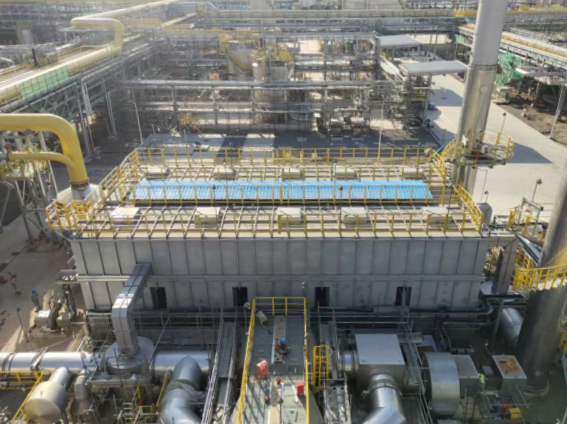
Nuestros sistemas de registro cumplen con las normas petroquímicas de las principales naciones, como los Emiratos Árabes Unidos y los estándares químicos offshore de Noruega.
Ventajas de la rutina y estrategias de mantenimiento
En las instalaciones agroquímicas de Frisia, la recuperación de calor alimenta los reactores de vapor, lo que reduce las facturas. El mantenimiento incluye la inspección de válvulas para detectar desgaste de halógenos, lo que garantiza un funcionamiento estable.
Las plantas del valle del Nilo en Egipto utilizan variantes a prueba de polvo, adaptadas al polen holandés en la síntesis de primavera.
Avances en tecnología RTO intermedia
Las cámaras optimizadas mediante CFD reducen los NOx mediante modelos de disipación de remolinos, como en los proyectos piloto holandeses de 2025. Esto se ajusta a los impulsos de la química verde, minimizando los subproductos.
Las líneas de teñido de caucho de Tailandia prueban la asistencia de plasma, mejorando nuestras opciones de baja temperatura para precursores sensibles.
Perspectivas globales sobre la gestión de emisiones de intermediarios
Las plantas de la costa estadounidense del Golfo procesan carbamatos, y los RTO depuran los fosfatos. Los centros de Huangpu en China se dedican a la producción de tintes de anilina, utilizando oxidantes para la protección de los ríos. Nuestras unidades contribuyen a la producción de sulfonatos en el valle francés de Lyon, previniendo la contaminación del Ródano.
Los métodos holandeses influyen en los intermedios de Baviera, Alemania, y comparten la tecnología de recuperación de solventes para lograr mayor eficiencia.
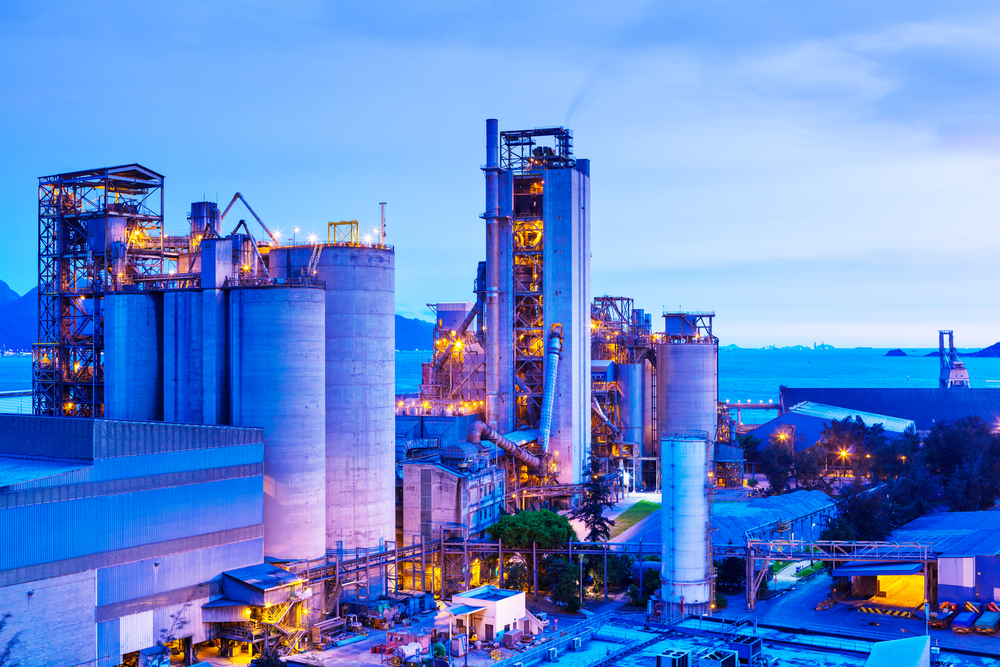
Un responsable de compras en Holanda Septentrional reflexionó: “El endurecimiento de las normas sobre PFAS puso en peligro nuestros intermediarios fluorados, pero los depuradores mejorados capturaron trazas, asegurando nuestras cadenas de exportación”.
Caminos evolutivos en el control de escape de intermedios
A medida que los Países Bajos adopten los recortes de nitrógeno para 2025, los catalizadores híbridos RTO dominarán la síntesis de bajas emisiones. En Canadá y Australia, los productos intermedios de origen biológico requieren combustibles adaptables.
Nuestro departamento de I+D explora modelos de química de tasa finita para el seguimiento preciso de COV, anticipándose a los permisos digitales holandeses.
Despliegues destacados a nivel local e internacional
En el parque químico de Ámsterdam, los halógenos bajaron 99,61 TP3T, lo que impulsó la producción. Al igual que en las plantas de teñido del Mekong de Vietnam durante las inundaciones.
Los propietarios en Holanda Meridional destacan la resistencia a las caídas de tensión, lo que favorece unas reacciones ininterrumpidas.
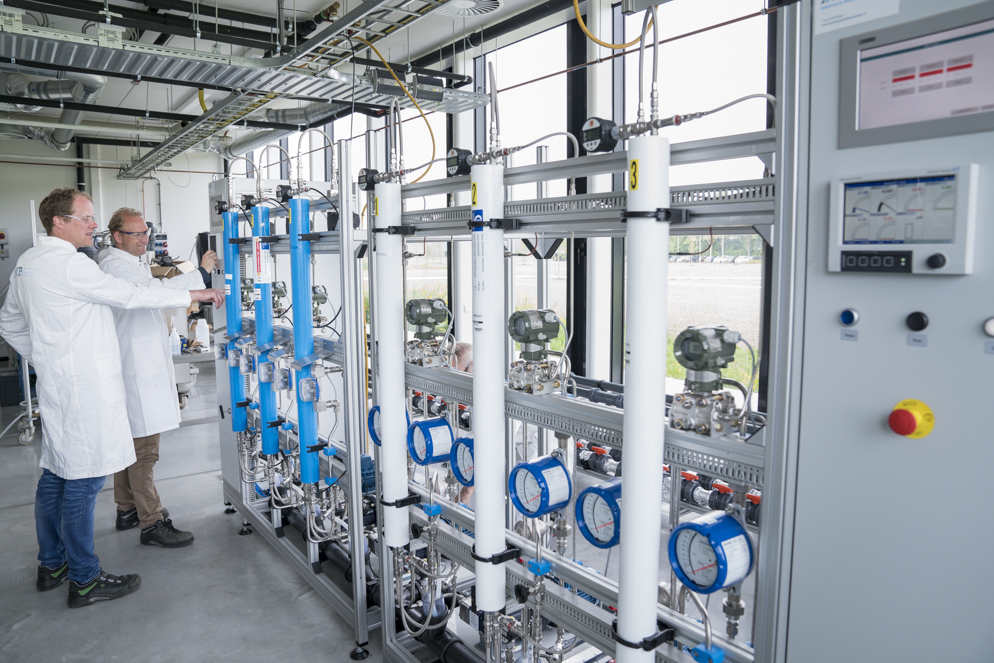
Desde las granjas químicas de la pampa argentina hasta los tintes textiles de Polonia, nuestras unidades se adaptan a los solventes locales.
Últimas novedades sobre RTO en el sector holandés de tintes pesticidas
- Diciembre de 2025: el gabinete holandés se opone a la flexibilización de las normas sobre pesticidas de la UE e impulsa controles de COV más estrictos en las plantas intermedias de todo el norte de Holanda (Fuente: Dutch News).
- Noviembre de 2025: El tribunal de La Haya ordena recortes en las emisiones de nitrógeno 50% para 2030, lo que impacta en la síntesis de colorantes en Holanda Meridional con nuevos mandatos RTO (Fuente: Reuters).
- Octubre de 2025: Grupos ambientalistas demandan por PFAS en productos intermedios de pesticidas, destacando RTO papel en las instalaciones de Utrecht (Fuente: Water News Europe).