
مقدمه: چالشهای زیستمحیطی و راهکارهای RTO در صنعت چاپ
در بحبوحه افزایش آگاهی جهانی در مورد محیط زیست، صنعت چاپ با فشار بیسابقهای در کنترل انتشار ترکیبات آلی فرار (VOCs) مواجه است. به عنوان یک صنعت سنتی با آلودگی بالا، فرآیندهای چاپ شامل جوهر، مواد پاککننده و محلولهای فواره، VOCهای قابل توجهی تولید میکنند که خطرات آلودگی محیط زیست و خطرات بالقوه سلامتی را برای کارگران به همراه دارد.
💡 بینش کلیدی: با اجرای تدریجی «استانداردهای انتشار ترکیبات آلی فرار صنعت چاپ» چین و تشدید سیاستهای زیستمحیطی در سراسر کشور، شرکتهای چاپ فوراً نیاز به یافتن راهحلهای کارآمد، اقتصادی و قابل اعتماد برای تصفیه VOCها دارند. در این زمینه، فناوری اکسیدکننده حرارتی احیاکننده (RTO) به دلیل راندمان استثنایی در حذف VOC و قابلیتهای بازیابی انرژی، به گزینه ارجح برای تصفیه VOC در صنعت چاپ تبدیل شده است.
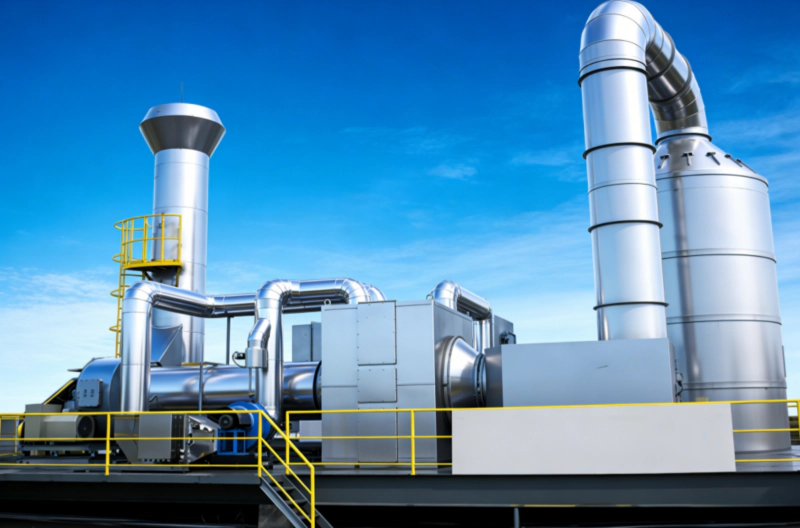
تحلیل عمیق اصول فناوری RTO
هسته اصلی فناوری RTO در ترکیب کاملی از «تبادل حرارتی احیاکننده» و «اکسیداسیون حرارتی» نهفته است. این سیستم عمدتاً از محفظههای احیاکننده، محفظه احتراق، سیستمهای سوپاپ و سیستمهای کنترل تشکیل شده است. گردش کار در زیر نشان داده شده است:
🔄 چرخه کاری چهار مرحلهای RTO
مرحله ۱: مرحله پیش گرمایش
گازهای خروجی VOC وارد محفظه احیا از پیش گرم شده میشوند، دما تا نزدیکی سطح اکسیداسیون افزایش مییابد
مرحله ۲: مرحله اکسیداسیون
تجزیه کامل VOCها به CO₂ و آب در دمای 760-850 درجه سانتیگراد
مرحله ۳: مرحله بهبودی
گاز تمیز با دمای بالا گرما را به محفظه احیا کننده دیگری منتقل میکند
مرحله ۴: مرحله تعویض
دریچهها جهت جریان هوا را تغییر میدهند و چرخه جدیدی را آغاز میکنند
مزایای کاربرد در صنعت چاپ
🎯 تمرکز بالا، سازگاری
میتواند گازهای خروجی از اگزوز VOCs با غلظت 300-2000 میلیگرم بر متر مکعب را کنترل کند.
🔄 راندمان بالای بازیابی حرارت
نرخ بازیابی انرژی حرارتی 85-95% هزینههای عملیاتی را به میزان قابل توجهی کاهش میدهد.
⚡ راندمان درمانی پایدار
نرخ حذف VOCs 95-99%، انطباق پایدار با استانداردهای انتشار را تضمین میکند.
تحلیل مقایسهای پارامترهای فنی
مقایسه عملکرد فناوریهای مختلف تصفیه VOC برای انتخاب راهحلهای مناسب بسیار مهم است. جدول زیر مقایسه دقیقی از شاخصهای مختلف بین RTO و سایر فناوریهای رایج ارائه میدهد:
| پارامتر فنی | سیستم RTO | اکسیدکننده کاتالیزوری | جذب کربن فعال |
|---|---|---|---|
| غلظت بهینه VOCها | ۳۰۰-۲۰۰۰ میلیگرم بر متر مکعب | ۵۰۰-۳۰۰۰ میلیگرم بر متر مکعب | کمتر از ۵۰۰ میلیگرم بر متر مکعب |
| راندمان حذف | 95-99% | 90-95% | 85-92% |
| نرخ بازیابی حرارت | 85-95% | 50-70% | ناموجود |
| دمای عملیاتی | ۷۶۰-۸۵۰ درجه سانتیگراد | ۳۰۰-۴۰۰ درجه سانتیگراد | دمای محیط |
| خطر مسمومیت با کاتالیزور | ● بدون ریسک | ● ریسک بالا | ● ریسک متوسط |
📝 سوالات متداول (FAQ)
در زیر رایجترین سوالاتی که شرکتهای چاپ هنگام بررسی سیستمهای RTO دارند، آمده است:
برای خروج رطوبت بالا از جوهرهای پایه آب، سیستمهای RTO میتوانند اقدامات زیر را انجام دهند:
- رطوبت زدایی قبل از تصفیه: قبل از ورود گازهای خروجی به RTO، تجهیزات رطوبتزدایی را اضافه کنید
- جبران دما: افزایش مناسب دمای اکسیداسیون برای غلبه بر جذب حرارت ناشی از تبخیر آب
- مواد تخصصی: از مواد سرامیکی مقاوم در برابر رطوبت برای بازسازی استفاده کنید
- بهینهسازی سیستم: در طول طراحی، حاشیه دمایی کافی را در نظر بگیرید
برای شرکتهای کوچک با حجم هوای کمتر از ۱۰۰۰۰ نیوتن متر مکعب در ساعت:
- راهکارهای ماژولار: محصولات RTO ماژولار و کوچک را انتخاب کنید
- فناوری ترکیبی: RTO همراه با چرخهای متمرکزکننده میتواند آستانه سرمایهگذاری را کاهش دهد
- درمان متمرکز پارک: در نظر گرفتن مراکز درمانی مشترک در شهرکهای صنعتی
- ارزیابی دقیق: انجام مطالعات امکانسنجی فنی-اقتصادی تخصصی
محدوده سرمایهگذاری معمول: ۵۰۰۰۰۰ تا ۱.۵ میلیون ین، دوره بازیابی ۳ تا ۵ سال.
نگهداری سیستم RTO به سه سطح تقسیم میشود:
بازرسی روزانه
- مانیتورینگ دما و فشار
- وضعیت عملکرد فن
- بررسی اطلاعات هشدار
نگهداری ماهانه
- تمیز کردن فیلتر
- بازرسی مشعل
- کالیبراسیون سنسور
تعمیرات اساسی سالانه
- بازرسی رسانه سرامیکی
- تعویض آببند سوپاپ
- تست جامع سیستم
فرمول محاسبه دوره بازگشت سرمایه:
دوره بازیابی (سال) = کل سرمایهگذاری ÷ درآمد خالص سالانه
که در آن: درآمد خالص سالانه = ارزش صرفهجویی در انرژی + یارانههای زیستمحیطی + کاهش هزینههای انتشار گازهای گلخانهای – هزینه بهرهبرداری و نگهداری
مثال: سرمایهگذاری ۳.۸ میلیون ین در سیستم RTO، صرفهجویی سالانه انرژی ۸۴۰،۰۰۰ ین، دریافت یارانه ۹۵۰،۰۰۰ ین، کاهش هزینههای انتشار گازهای گلخانهای ۱۲۰،۰۰۰ ین، هزینه نگهداری سالانه ۸۰،۰۰۰ ین، سپس درآمد خالص سالانه ۱.۸۳ میلیون ین، دوره بازیابی تقریباً ۲.۱ سال.
هنگام انتخاب تأمینکنندگان RTO، عوامل زیر را در نظر بگیرید:
- تجربه صنعتی: نمونههای موفق در صنعت چاپ
- توانایی فنی: قابلیت تحقیق و توسعه و فناوری ثبت اختراع
- توانایی مهندسی: خدمات یکپارچه طراحی، نصب و راهاندازی
- شبکه خدمات: خدمات پس از فروش و توانایی تامین قطعات یدکی
- گواهینامهها: گواهینامههای صنعتی مرتبط و سیستمهای کیفیت
بازدید از پروژههای تکمیلشدهی تأمینکننده و ارتباط با کاربران فعلی در مورد تجربیاتشان را توصیه کنید.
🎯 نتیجهگیری و پیشنهادات
کاربرد فناوری RTO در صنعت چاپ، عملکرد استثنایی خود را در تصفیه ترکیبات آلی فرار (VOCs) و بازیابی انرژی نشان داده است. با افزایش الزامات زیستمحیطی و هزینههای انرژی، سرمایهگذاری در سیستمهای RTO نه تنها برای رعایت الزامات زیستمحیطی ضروری است، بلکه یک استراتژی حیاتی برای شرکتها جهت افزایش رقابتپذیری و دستیابی به توسعه پایدار نیز میباشد.
🏢 توصیههای پیادهسازی سازمانی
- انجام تجزیه و تحلیل دقیق گازهای خروجی
- انتخاب تأمینکنندگانی با تجربه در صنعت
- نیازهای توسعه ظرفیت آینده را در نظر بگیرید
- استقرار سیستم جامع نگهداری و تعمیرات
📈 روندهای توسعه
- سیستمهای هوشمند RTO
- راهکارهای طراحی ماژولار
- بهینهسازی یکپارچهسازی سیستم انرژی
- نظارت و نگهداری از راه دور
مسیر توسعه سبز در صنعت چاپ آغاز شده است و فناوری RTO در حال تبدیل شدن به یک نقطه عطف مهم در این سفر است.
برای دریافت آخرین قیمت محصولات، لطفا به کانال ما مراجعه کنید صفحه اصلی یا از طریق تلفن با ما تماس بگیرید.