
热氧化器
Stable, reliable, and enduring organic waste gas treatment technology
Our Background
When exhaust gases are complex in composition, high in concentration, or have stringent requirements for treatment stability, thermal oxidizers (TO) remain the most reliable core technology in the field of industrial exhaust gas treatment. With decades of experience in thermal oxidation technology, our TO systems offer a risk-free, zero-compromise guarantee of emission compliance for the chemical, petroleum, pesticide, and other industries with high-concentration exhaust gas emissions, boasting a constant removal rate of >99.5%, a design life exceeding 20 years, and extremely low maintenance requirements.
Why is the classic TO technique still the preferred choice?
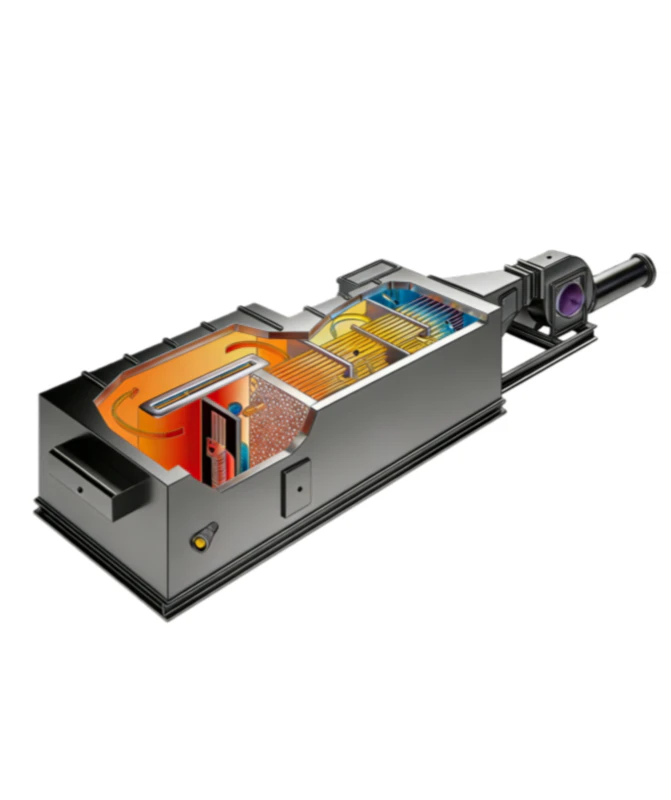
1. High-Temperature Oxidation Principle: Under a set high temperature (typically 750℃-850℃) and sufficient residence time (≥1.0 second), volatile organic compounds (VOCs) and malodorous gases are completely oxidized and decomposed into CO₂ and H₂O.
2. Wide Applicability: It can efficiently process complex compounds such as halogenated hydrocarbons, sulfur-containing compounds, and nitrogen-containing compounds, avoiding the risk of catalyst poisoning or the generation of hazardous byproducts.
3. Core area without moving parts: The combustion chamber, burner, and refractory lining constitute the core reaction unit, with no frequently moving parts such as valve switching, which fundamentally ensures the long-term operational reliability of the system.
Strong resistance to impact loads
When the concentration and flow rate of exhaust gas fluctuate significantly within a certain range, the system can maintain stable operation by automatically adjusting the fuel supply, and the treatment efficiency will not be affected.
Up to 85% heat recovery efficiency
By using shell-and-tube, plate, or heat pipe heat exchangers, the heat from high-temperature flue gas can be recovered for preheating the intake air, significantly reducing auxiliary fuel consumption.
Technical Parameters
Cost Perspective: True Economic Efficiency in the Long Run
We offer a transparent full lifecycle cost analysis model to help you understand your true expenditures.
- Capex (CAPEX): TO systems have a relatively simple structure, and initial investment is typically lower than that of RTO systems with equivalent processing capacity.
Operating Expenditure (OPEX)
- Fuel Costs: This is the primary variable. Our efficient heat recovery design minimizes auxiliary fuel requirements. Zero-fuel operation is possible when the exhaust gas calorific value is sufficient.
- Electricity Costs:Fan power consumption mainly depends on system pressure drop; our optimized design ensures low resistance.
- Maintenance Costs: Annual maintenance primarily focuses on burners, ignition systems, and temperature control instruments, with costs significantly lower than RTOs (no need to replace expensive heat storage media or overhaul valves).
- Return on Investment (ROI): For high-concentration exhaust gases, through heat recovery and utilization (e.g., steam generation), many projects have a payback period of 18-36 months.magnis dis parturient montes nascetur ridiculus mus.
Scene Focus
Targeted solutions for the TO system
Applicable scenarios
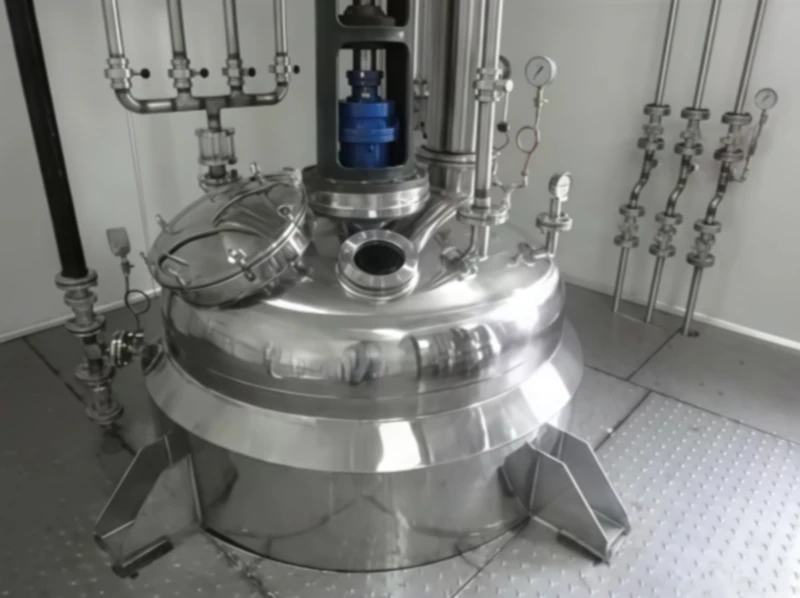
Exhaust gas from chemical reactors/resin production/high-concentration solvent recovery
Applicable scenarios
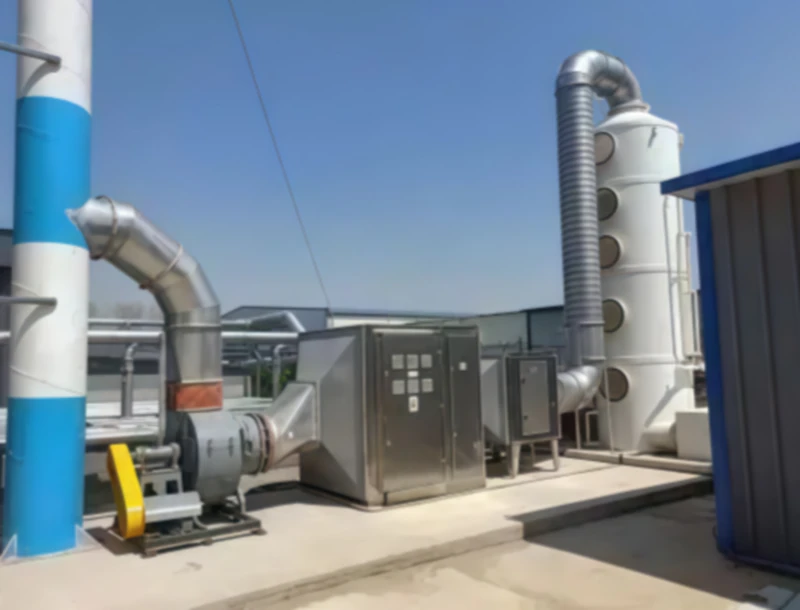
Waste gas containing chlorine/fluorine solvents/silanes/exhaust gas from special processes in the electronics industry.
Applicable scenarios
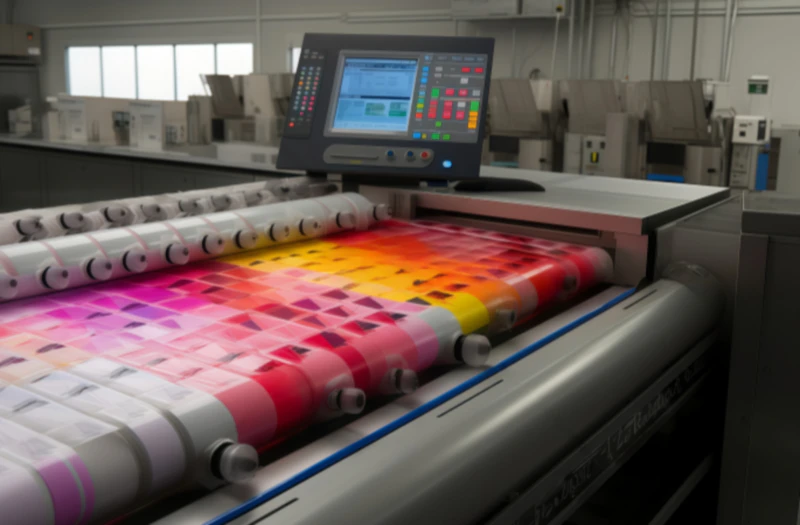
Large-scale spray painting workshop/printing workshop/composite fabric production workshop
Key Technical Points
The system is designed to operate in a self-sustaining mode (requiring no or minimal auxiliary fuel). After preheating the incoming air through a high-efficiency heat exchanger, the remaining heat from the hot flue gas is used to produce steam or thermal oil, shortening the payback period to 1-2 years.
Option 1
Key Technical Points
1.Material corrosion resistance: The combustion chamber and flue are lined with Hastelloy C-276 or special refractory materials to resist corrosion from acidic gases.
2. Flue gas treatment: Integrated quench tower plus alkali scrubber efficiently removes oxidized acidic gases such as HCl, HF, and SO₂, ensuring compliant emissions.
3. Special design: Optimized combustion chamber temperature control for silicon-containing exhaust gases to prevent SiO₂ deposition.
Option 2
Key Technical Points
Adopt a multi-branch intake system, combined with fan frequency conversion and pressure control, to balance airflow in each branch. The key lies in the precise combustion control system, ensuring stable furnace temperature and minimal fuel consumption even when waste gas concentration varies significantly.
Option 3
Comparison with RTO
Our Commitment

Each TO system is custom-designed based on detailed exhaust gas composition analysis reports (GC-MS data) and process parameters.
The combustion chamber is manufactured according to ASME or GB150 pressure vessel standards, and all welds undergo 100% non-destructive testing.