مطالعه موردی · کنترل انتشار گازهای صنعتی
چگونه یک مرکز بازیابی منابع پسماند جامد که لجن اسیدی، خاکستر دودکش و کاتالیزورهای مصرفشده را تصفیه میکند، به صفر توده سفید قابل مشاهده، انطباق کامل با استاندارد GB 31573 و عملیات مداوم بدون قیر دست یافت - با استفاده از یک سیستم کاهش توده مغناطیسی کامپوزیت گرافن که برای ۱۲۰۰۰۰ نیوتن متر مکعب در ساعت از گاز خروجی کوره مملو از قیر و به شدت خورنده طراحی شده است.
سوزاندن زبالههای جامد و تصفیه گازهای خروجی
تصفیه دود مغناطیسی
مهار دود غیر حرارتی
کاهش گازهای دودکش زبالههای خطرناک
۰۱ — پیشینه صنعت
بخش تصفیه پسماند جامد و چالش انطباق آن با قوانین مربوط به دود سفید
صنعت بازیافت و بازیابی منابع پسماند جامد، همگام با صنعتی شدن و شهرنشینی جهانی، به سرعت رشد کرده است. پسماند جامد شهری، پسماند جامد صنعتی، نخالههای ساختمانی و پسماندهای کشاورزی همگی نیاز به فرآوری ایمن دارند و اندازه بازار این بخش در چین از ۱۲.۷۴ میلیارد رنمینبی در سال ۲۰۱۷ به ۱۸.۰۵ میلیارد رنمینبی تا سال ۲۰۲۲ افزایش یافته است - نرخ رشد مرکب سالانه ۱۰.۸۱TP3T. با این مقیاس، رشد متناسبی در ظرفیت تصفیه حرارتی نیز حاصل میشود: کورههای دوار، کورههای حرارتی SPI (زبالهسوزی صفحهای) و واحدهای سوزاندن با دمای بالا اکنون میلیونها تن در سال را مدیریت میکنند.
گاز دودکش حاصل از احتراق زبالههای جامد، از پیچیدهترین جریانهای گازی خروجی از نظر ترکیب است که در کنترل آلودگی هوای صنعتی با آن مواجه میشویم. برخلاف کورههای صنعتی تکجزئی، زبالهسوزهای جامد، خوراکهای ناهمگنی را میسوزانند که نه تنها NOx، SO2 و ذرات معلق موجود در احتراق زغالسنگ را تولید میکنند، بلکه گازهای اسیدی (HCl، HF)، فلزات سنگین (سرب، کادمیوم، آرسنیک، جیوه)، ذرات قیر و ترکیبات آلی حاصل از احتراق ناقص را نیز تولید میکنند. نکته مهم این است که بخش قیر یک خطر عملیاتی خاص را ایجاد میکند: قیر روی سطوح تجهیزات متراکم میشود و نازلهای اسپری را مسدود میکند و باعث کاهش راندمان تصفیه در طول زمان و نیاز به تصفیه پرهزینه با آب گرم در طول قطع تعمیرات میشود.
از نظر نظارتی، اکنون زبالهسوزهای جامد در چین تحت نظارت هستند استاندارد انتشار آلایندههای هوا برای صنایع شیمیایی معدنی GB 31573–2015 به عنوان چارچوب اصلی، تکمیل شده توسط استاندارد کنترل آلودگی ناشی از سوزاندن زبالههای خطرناک (GB 18484–2020) برای تأسیساتی که جریانهای خوراک خطرناک را مدیریت میکنند. هر دو استاندارد محدودیتهای سختگیرانهای برای چند آلاینده اعمال میکنند و شامل الزام فزایندهای برای عدم وجود دود سفید قابل مشاهده در دودکش هستند. دستیابی همزمان به همه این محدودیتها - در عین مدیریت مشکل رسوب قیر و ماهیت بسیار خورنده جریان گاز - اکثر رویکردهای کاهش آلودگی تک فناوری مرسوم را منتفی میکند.
«گاز دودکش حاصل از سوزاندن زبالههای جامد نه تنها خورنده است، بلکه چسبنده نیز میباشد. بخش قیر، سطوح جاذبهای مرسوم را میپوشاند، نازلهای اسپری را خنثی میکند و به تدریج راندمان سیستم را کاهش میدهد. تنها راه حل پایدار، یک واسطه تصفیه است که بتواند در محل به صورت حرارتی احیا شود و ذاتاً در برابر رسوب قیر مقاوم باشد.»
— خلاصه فنی مهندسی، پروژه کاهش انتشار مغناطیسی تودههای آلاینده در تصفیه فاضلاب جامد
۰۲ — مشخصات آلودگی
مشخصات گاز دودکش: گاز خروجی چند آلاینده از سوزاندن زبالههای جامد کوره دوار
تأسیسات مورد مطالعه در این مطالعه موردی در ژوئن ۲۰۱۶ تأسیس شد و در بخش بازیابی منابع پسماند جامد، با لجن اسیدی، خاکستر دودکش، کاتالیزورهای نیکل مصرفشده و کاتالیزورهای اکسید آهن فعالیت میکند. فناوری اصلی تولید آن، تفجوشی چرخشی را با احیای پیرومتالورژیکی کسری سرباره ترکیب میکند: تکنیکهای تشویه، فلزات ارزشمند (نیکل، کبالت) را از کاتالیزورهای مصرفشده بازیابی میکنند و سرباره و محصولات جانبی به تولید مواد پاییندستی هدایت میشوند.
جریان گاز خروجی از کوره زبالهسوز، همزمان حامل دستههای آلاینده زیر است و یک چالش تصفیه چندخطری ایجاد میکند که از توانایی هر فناوری کاهش منفرد فراتر میرود:
- آلایندههای آلی و آلایندههای ناشی از شستشوی اسیدی: در درجه اول NOx (عمدتاً NO و NO₂) و ترکیبات گوگردی (SO₂، SO₂)، که از هر دو منبع تغذیه فاضلاب معدنی و مواد آلی باقیمانده در بخش لجن اسیدی ناشی میشوند.
- گازهای اسیدی - HCl و HF: در مقادیر کم اما تنظیمشده از بخشهای زباله کلردار و فلوئوردار وجود دارند. اثر خورندگی ترکیبی آنها، مواد جاذب کامپوزیت گرافن را به جای محیطهای فیبری استاندارد الزامی میکند.
- فلزات سنگین: سرب، کادمیوم، نیکل و آرسنیک به صورت آئروسلهای زیر میکرونی که از کوره برشتهکاری در دمای بالا منتقل میشوند. این آئروسلها باید تا سطح نزدیک به صفر مهار شوند تا با استانداردهای سوزاندن زبالههای خطرناک مطابقت داشته باشند.
- ذرات قیر و روغن کک: سوزاندن زبالههای جامد، میعانات قیر و ذرات روغن کک تولید میکند که در دمای گاز دودکش زیر نقطه شبنم چسبنده هستند. این ذرات باعث کثیف شدن نازلهای اسپری معمولی و محیط فیلتر میشوند و نیاز به یک مکانیزم شستشوی معکوس اختصاصی و پروتکل پاکسازی با آب گرم در طول دورههای تعمیر و نگهداری دارند.
- ذرات معلق ریز (PM²) غلظت اولیه ۸۰ میلیگرم بر نیوتن متر مکعب در ورودی اسکرابر. نیاز به جذب عمیق زیر میکرون از طریق مرحله تصفیه میدان مغناطیسی دارد.
- بخار آب اشباع شده که باعث ایجاد دود سفید میشود: خروجی پس از اسکرابر مرطوب با دمای تقریبی ۳۵ درجه سانتیگراد و رطوبت نسبی نزدیک به ۱۰۰۱TP3T و میزان آلاینده ورودی مخلوط ۵۰ میلیگرم بر نیوتن متر مکعب وارد واحد کاهنده مغناطیسی میشود و در تمام شرایط محیطی، یک توده سفید متراکم تولید میکند.
| پارامتر | غلظت اولیه | خروجی (هدف طراحی) | محدودیت نظارتی |
|---|---|---|---|
| اکسیدهای نیتروژن | ۵۰ میلیگرم بر نیوتن متر مکعب | ≤50 میلیگرم بر نیوتن متر مکعب | ۵۰ میلیگرم بر نیوتن متر مکعب |
| بنابراین | ۵۰ میلیگرم بر نیوتن متر مکعب | ≤30 میلیگرم بر نیوتن متر مکعب | 30 میلیگرم بر نیوتن متر مکعب |
| ذرات معلق (PM) | ۸۰ میلیگرم بر نیوتن متر مکعب | ≤10 میلیگرم بر نیوتن متر مکعب | ۱۰ میلیگرم بر نیوتن متر مکعب |
| مونوکسید کربن (CO) | ۱۰۰۰ میلیگرم بر نیوتن متر مکعب | کنترلشده در بالادست | — |
| هیدروژن فلوراید (HF) | ۱۰ میلیگرم بر نیوتن متر مکعب | نزدیک به صفر | — |
| آرسنیک (As) | ۰ میلیگرم بر نیوتن متر مکعب (کمتر از حد تشخیص) | — | تامین فلزات سنگین |
| چگالی آلاینده ورودی مختلط (پس از گوگردزدایی، ورودی MPA) | ۵۰ میلیگرم بر نیوتن متر مکعب | ≤10 میلیگرم بر نیوتن متر مکعب | ۱۰ میلیگرم بر نیوتن متر مکعب |
| ستون سفید قابل مشاهده | فعلی (شدید) | هیچکدام (نامرئی) | هیچ ستون سفید قابل مشاهده ای وجود ندارد |
| حجم گاز دودکش | ۱۲۰،۰۰۰ نیوتن متر مکعب بر ساعت | — | — |
| دمای ورودی (واحد MPA) | ۳۵ درجه سانتیگراد | — | — |
| رطوبت ورودی | 50% (در ورودی MPA) | — | — |
۰۳ — الزامات مهندسی
معیارهای طراحی برای کاهش انتشار مغناطیسی در کاربردهای سوزاندن زبالههای جامد
قبل از انتخاب فناوری کاهش، تیم مهندسی الزامات طراحی الزامآور زیر را تعیین کرد. این الزامات منعکسکنندهی ویژگی منحصر به فرد چندآلاینده، چسبنده به قیر و به شدت خورنده گازهای خروجی از سوزاندن زبالههای جامد هستند و با سوابق مشخصات پروژه مستند شده مطابقت دارند.
فناوری اثباتشده، تجهیزات گواهیشده
تمام فناوریهای کاهش انتشار انتخابشده باید از نظر تجاری بالغ و در میدان عمل اثبات شده باشند. تجهیزات و مواد جانبی باید مطابق با مشخصات استاندارد ملی تولید شوند. هیچ فرآیند آزمایشی یا در مقیاس پایلوت برای یک مرکز پردازش زبالههای زنده که تحت شرایط مجوز زبالههای خطرناک فعالیت میکند، قابل قبول نیست.
عملکرد پایدار تحت بار نوسانی
سیستم باید عملکرد تصفیه و حذف دود سفید را هنگامی که حجم گاز دودکش بین 10% و 110% از ظرفیت طراحی نامی متغیر است، حفظ کند. کیفیت خوراک زباله جامد از بچی به بچ دیگر متفاوت است و باعث نوسانات قابل توجهی در حجم گاز و غلظت آلاینده میشود که سیستم باید بدون تنظیمات نقطه تنظیم، آن را جذب کند.
مواد مقاوم در برابر خوردگی در سراسر
تمام اجزایی که در تماس با جریان گاز دودکش حاوی اسید هستند باید دارای محافظت ضد خوردگی تایید شده باشند. لایه جاذب کامپوزیت گرافن که برای این پروژه مشخص شده است، هم مقاومت در برابر خوردگی مورد نیاز برای محتوای HCl/HF و هم پایداری حرارتی مورد نیاز برای مقاومت در برابر پاکسازی احیا کننده دورهای رسوبات قیر انباشته شده با آب گرم را فراهم میکند.
آلودگی ثانویه صفر
فرآیند کاهش نباید باعث تولید پساب فاضلاب، معرف شیمیایی مصرفشده یا جریانهای زباله جامد خطرناک اضافی شود. محصولات جانبی مرحله تصفیه MPA باید به عنوان زباله جامد صنعتی معمولی قابل مدیریت باشند یا بدون ایجاد یک دسته مسئولیت زیستمحیطی جدید، به جریان پردازش زباله بازگردانده شوند.
بهرهوری انرژی و زنجیره تأمین داخلی
انتخاب تجهیزات باید هم هزینههای سرمایهای و هم هزینههای جاری را به حداقل برساند. تمام تجهیزات اصلی باید از تولیدکنندگان با کیفیت دارای گواهینامه ملی و دارای زنجیرههای تأمین داخلی معتبر تهیه شوند تا در درازمدت قطعات یدکی بدون وابستگی به قطعات وارداتی و با زمان تحویل طولانی در دسترس باشند.
انطباق با نویز
صدای کارکرد تجهیزات نباید در فاصله ۱ متری از واحد، از ۸۵ دسیبل (A) تجاوز کند و محدودیتهای کلاس II استاندارد GB 12348-2008 را برآورده سازد. انتخاب فن باید قبل از خرید، با محاسبه افت فشار سیستم اعتبارسنجی شود، زیرا فنهای نامناسب، علت اصلی عملکرد ضعیف سیستم MPA در نصبهای میدانی هستند.
طراحی ماژولار و آیندهنگر
مفهوم طراحی ماژولار باید با سختگیریهای نظارتی در یک افق ۳ تا ۵ ساله بدون جایگزینی کامل سیستم، سازگار باشد. از آنجایی که استانداردهای زبالههای خطرناک همچنان به سمت محدودیتهای انتشار کمتر و الزامات صفر برای انتشار دود قابل مشاهده، در حال بازنگری هستند، سیستم باید از طریق ماژولهای اضافی قابل توسعه باشد، نه اینکه از ابتدا دوباره طراحی شود.
مدیریت رسوب قیر
طراحی سیستم باید به طور صریح مشکل چسبندگی قیر که در گازهای خروجی از سوزاندن زبالههای جامد وجود دارد را برطرف کند. ماده جاذب انتخاب شده (کامپوزیت گرافن) باید با استفاده از تصفیه آب گرم در طول دورههای نگهداری برنامهریزی شده، از نظر حرارتی قابل احیا باشد و سیستم شستشوی معکوس گردش مجدد باید شامل فیلتراسیون برای حذف ذرات قیر انباشته شده و جلوگیری از انسداد نازل باشد.
04 — راهکار درمانی
نحوه پیکربندی سیستم فرونشانی مغناطیسی برای گازهای خروجی از زبالههای جامد
فرونشانی مغناطیسی (MPA) - که به آن فرونشانی مغناطیسی نیز گفته میشود تصفیه دود مغناطیسی, جذب غبار اسیدی فاز خشک, حذف دود سفید غیر حرارتی، یا جلا دادن گاز دودکش میدان مغناطیسی — با حذف همزمان سه عامل فیزیکی مرتبط: ذرات ریز، آئروسلهای غبار اسیدی و بخار آب اشباع، دود سفید قابل مشاهده را از بین میبرد. یک میدان مغناطیسی کنترلشده که توسط واحد BLEMG-2KF تولید میشود، باعث میشود مولکولهای پارامغناطیس و ذرات آئروسل باردار به سمت لایه جاذب کامپوزیت گرافن مهاجرت کرده و توسط آن جذب شوند و جریان گاز خروجی را از فاز آئروسل که مسئول تشکیل دود قابل مشاهده است، تهی کنند.
برای این کاربرد تصفیه پسماند جامد، واحد MPA به عنوان آخرین مرحله صیقلدهی عمیق در پاییندست اسکرابر گوگردزدایی موجود نصب میشود. گاز خروجی کوره از این ترتیب پیروی میکند: ابتدا گاز خروجی کوره توسط فن القایی جمعآوری میشود، سپس به اسکرابر گوگردزدایی هدایت میشود که در آنجا SO2+، HCl و HF خنثی میشوند. گاز پیش تصفیه شده - که هنوز حاوی آئروسلهای ریز و بخار آب اشباع با غلظت آلاینده مخلوط 50 میلیگرم بر نیوتن متر مکعب است - سپس وارد واحد MPA میشود. در اینجا، میدان مغناطیسی و لایه جاذب کامپوزیت گرافن، تصفیه عمیق را تکمیل میکنند و غلظت آلاینده مخلوط خروجی را به ≤10 میلیگرم بر نیوتن متر مکعب کاهش میدهند و گاز خروجی را قبل از رسیدن به دودکش اصلی واقعاً نامرئی میکنند.
جریان فرآیند: کوره دوار برای تمیز کردن پشته
کوره
پیش فیلتر
اسکرابر
(BLCNXB-12W)
پشته
.webp)
.webp)
پیکربندی سیستم و پارامترهای فنی کلیدی
واحد MPA که برای این پروژه مشخص شده است از ... استفاده میکند. برج خنککننده خارجی، ورودی از پایین / خروجی از بالا طرح، به عنوان یک ماژول مستقل در مجاورت برج گوگردزدایی موجود نصب شده است. لایه جاذب کامپوزیت گرافن به دلیل مقاومت ترکیبی در برابر خوردگی و قابلیت بازسازی حرارتی - یک ویژگی حیاتی برای مدیریت چالش رسوب قیر مخصوص گازهای خروجی از سوزاندن زبالههای جامد - بر روی محیطهای فیبری یا فلزی استاندارد انتخاب شد.
| پارامتر | مشخصات |
|---|---|
| مدل واحد | BLCNXB-12W |
| نوع طرح بندی | ماژول مستقل و خارجی دکل |
| جهت جریان هوا | ورودی از پایین، اگزوز از بالا |
| راندمان تصفیه | ≥97% |
| غلظت آلاینده مخلوط ورودی | ۵۰ میلیگرم بر نیوتن متر مکعب |
| غلظت آلاینده مخلوط خروجی | ≤10 میلیگرم بر نیوتن متر مکعب |
| مقاومت سیستم | ۲۵۰ پاسکال |
| حجم گاز دودکش تصفیه شده | ۱۲۰،۰۰۰ نیوتن متر مکعب بر ساعت |
| دمای گاز دودکش ورودی | ۳۵ درجه سانتیگراد |
| جنس لایه جاذب | کامپوزیت گرافن (قابل بازسازی حرارتی) |
| ابعاد تجهیزات (طول × عرض × ارتفاع) | ۱۰.۰ متر × ۹.۶۵ متر × ۱۷.۵ متر |
| مدل ژنراتور انرژی مغناطیسی | BLEMG-2KF |
| قدرت در حال اجرا | ۸۵ کیلووات |
| روزهای عملیاتی سالانه | ۳۳۰ روز در سال |
| هزینه برق سالانه | تقریباً 309،700 یوان در سال |
.webp)
.webp)
۰۵ — مزایای اصلی
چرا روش فرونشانی مغناطیسی از سایر روشهای تصفیه گازهای خروجی از زبالههای جامد بهتر عمل میکند؟
- ✓
جاذب کامپوزیت گرافن - مهندسی شده برای مقاومت در برابر قیر: لایه جاذب کامپوزیت گرافن از نظر حرارتی پایدار است و در صورت قرار گرفتن در معرض ذرات قیر یا میعانات روغن کک در دماهای موجود در گاز دودکش پس از اسکرابر مرطوب، تخریب نمیشود. رسوبات قیر انباشته شده را میتوان با پاکسازی با آب گرم در طول دورههای نگهداری برنامهریزی شده به طور کامل حذف کرد و جاذب را بدون تعویض واسطه به راندمان اصلی بازگرداند. این امر به شدت با کیسههای فیلتر فیبری یا سیستمهای مبتنی بر نازل اسپری که در عرض چند هفته پس از کار به دلیل چسبندگی قیر به طور برگشتناپذیری رسوب میکنند، در تضاد است. - ✓
حذف واقعی چندین آلاینده در یک مرحله خشک کردن: سیستم MPA به طور همزمان ذرات ریز (PM²)، قطرات مه اسیدی و بخار آب اشباع - سه عامل مشترک ایجاد دود سفید قابل مشاهده - را بدون نیاز به اسکرابر صیقلدهنده جداگانه، رسوبدهنده الکترواستاتیک یا مبدل حرارتی میعانی، جذب میکند. مراحل تصفیه کمتر به معنای هزینه اولیه کمتر، کاهش بار نگهداری و فضای اشغالی کمتر در مقایسه با سیستمهای مرطوب چند واحدی است. - ✓
بدون هزینه فاضلاب ثانویه یا واکنشگر شیمیایی: برخلاف سیستمهای شستشوی محلول قلیایی مرسوم که نیاز به تزریق مداوم NaOH یا Ca(OH)₂ دارند و فاضلاب آلودهای تولید میکنند که نیاز به تصفیه بیشتر دارد، فرآیند MPA کاملاً خشک عمل میکند. هیچ گونه خرید مداوم معرف، هیچ نیازی به ظرفیت تصفیهخانه فاضلاب و هیچ گونه مسئولیتی در قبال دفع معرفهای مصرف شده وجود ندارد. این امر به طور قابل توجهی تصویر انطباق را برای تأسیسات دفع زبالههای خطرناک که با محدودیتهای سختگیرانه تخلیه فاضلاب در کنار تعهدات انتشار هوا مواجه هستند، ساده میکند. - ✓
مصرف انرژی ویژه پایین - ۸۵ کیلووات برای ۱۲۰،۰۰۰ نیوتن متر مکعب در ساعت: واحد MPA با حداکثر توان عملیاتی ۸۵ کیلووات برق مصرف میکند و مصرف انرژی ویژه ۰.۷۱ وات به ازای هر نیوتن متر مکعب در ساعت را ارائه میدهد - که به طور قابل توجهی کمتر از سیستمهای گرمایش مجدد مرطوب (معمولاً ۳ تا ۵ وات به ازای هر نیوتن متر مکعب در ساعت) یا رسوبدهندههای الکترواستاتیک ولتاژ بالا (معمولاً ۱.۵ تا ۳ وات به ازای هر نیوتن متر مکعب در ساعت) است. با ۳۳۰ روز کاری در سال، هزینه برق سالانه تقریباً ۳۰۹۷۰۰ یوان یا تقریباً ۰.۲۶ یوان به ازای هر ساعت کاری به ازای هر ۱۰۰۰ نیوتن متر مکعب تصفیه شده است. - ✓
تحمل بار گسترده طراحی شده برای کیفیت متغیر خوراک ضایعات: کیفیت خوراک زباله جامد از یک دسته به دسته دیگر به طور قابل توجهی متفاوت است و باعث نوساناتی در توان عملیاتی کوره و حجم گاز دودکش میشود که سیستمهای معمولی برای ردیابی آن مشکل دارند. ژنراتور انرژی مغناطیسی BLEMG-2KF به طور مداوم شدت میدان را در پاسخ به نظارت گاز در زمان واقعی تنظیم میکند و عملکرد تصفیه سطح طراحی را در کل محدوده عملیاتی 10%-110% بدون دخالت دستی حفظ میکند. - ✓
موضعگیری نظارتی پیشرو برای تمدید مجوز دفع زبالههای خطرناک: تأسیساتی که زبالههای جامد را تحت مجوزهای بهرهبرداری از زبالههای خطرناک مدیریت میکنند، با هر دوره مجوز، با شرایط تمدید سختگیرانهتری مواجه میشوند. با وجود یک سیستم MPA، این تأسیسات میتواند در مرحله تمدید مجوز، انطباق با بهترین فناوری موجود را نشان دهد و از نظر ساختاری در موقعیتی قرار میگیرد که بتواند کاهش بیشتر انتشار گازهای گلخانهای را از طریق ارتقاء مدولار به جای جایگزینی سیستم با هزینه گزاف، تحمل کند.
مقایسه فناوری: فرونشانی مغناطیسی در مقابل جایگزینهای مرسوم برای سوزاندن زبالههای جامد
| معیار | فرونشانی مغناطیسی | اسکراب مرطوب قلیایی | فیلتر کیسهای + گرم کردن مجدد GGH |
|---|---|---|---|
| حذف دود سفید | کامل (پشته نامرئی) | خیر (مه ادامه دارد) | جزئی (وابسته به دما) |
| مقاومت در برابر رسوب قیر | بالا (گرافن + تصفیه داغ) | کم (انسداد نازل) | کم (کوری کیسهای) |
| فاضلاب ثانویه | هیچکدام | حجم بالا | هیچکدام |
| راندمان تصفیه | ≥97% | ۸۰–۸۵۱TP3T ≈ | ≈90% (فقط کیفهای نو) |
| انرژی ویژه (وات بر نیوتن متر مکعب بر ساعت) | 0.71 | ۳–۵ | ۲–۴ |
| هزینه واکنشگر | صفر | در حال انجام (NaOH) | صفر |
| فاصله زمانی نگهداری | بازرسی فصلی؛ پاکسازی سالانه | بررسی هفتگی نازل | تعویض مکرر کیسه |
۶ — نتایج عملیاتی
موفقیت در راهاندازی اولیه و دادههای عملکرد تأیید شده
واحد کاهش دود مغناطیسی، اولین راهاندازی خود را با موفقیت به پایان رساند و تمام دادههای عملیاتی و عملکرد سرکوب دود، اهداف طراحی از زمان راهاندازی اولیه را برآورده کرد. خروجی دودکش در تمام شرایط عملیاتی عادی به حالت واقعاً نامرئی رسید. فناوری تصفیه مغناطیسی دقیق و پیشرفته، همراه با سیستمهای کنترل هوشمند، اثربخشی خود را در حذف آلایندهها از گاز دودکش و کاهش قابل توجه تولید دود سفید نشان داد.
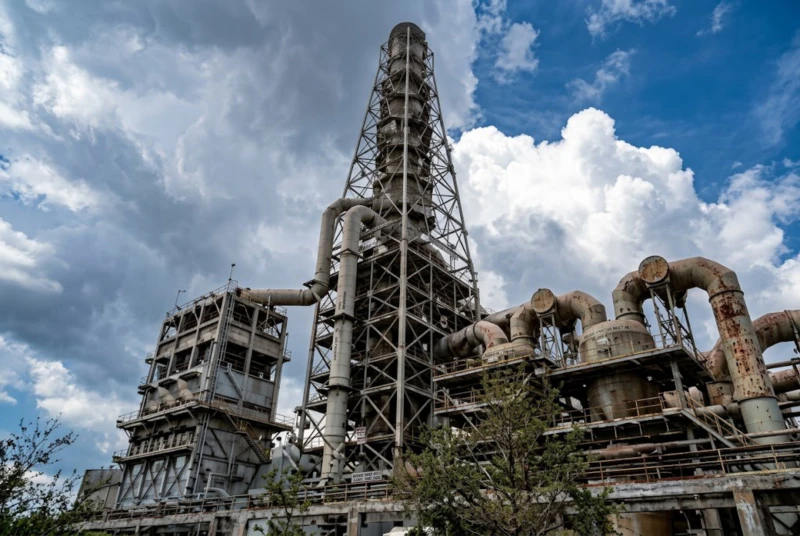
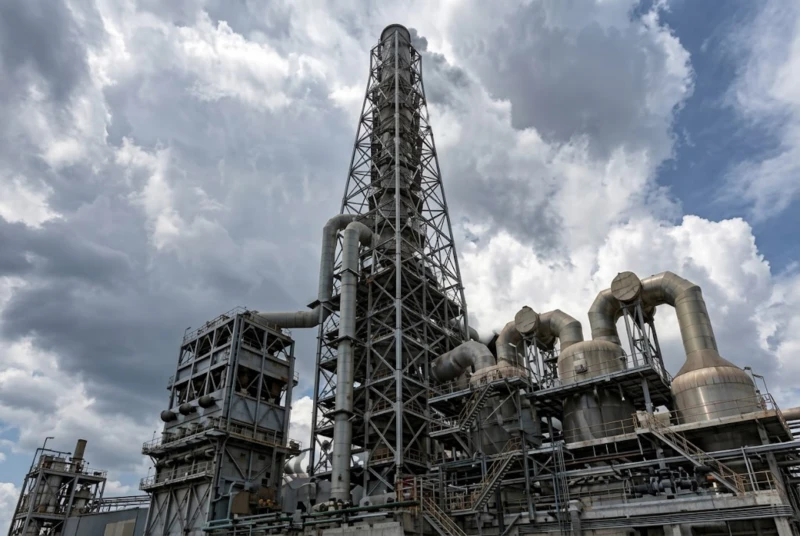
مقایسه قبل و بعد بدون ابهام است: با واحد MPA در حالت آماده به کار، یک توده سفید متراکم از دودکش در مقابل آسمان قابل مشاهده است؛ با واحد کاملاً عملیاتی، همان دودکش تحت شرایط عملیاتی یکسان عملاً نامرئی است. این عکسهای میدانی که در شرایط تولید عادی گرفته شدهاند، تأیید میکنند که این فناوری بدون نیاز به شرایط جوی یا فصلی برای پوشاندن نتیجه، به وعده اصلی خود عمل میکند.
07 — هشدارهای اجرایی
ملاحظات مهندسی حیاتی برای تصفیه گازهای خروجی از سوزاندن زبالههای جامد
- ⚠️
چسبندگی قیر، ریسک اصلی عملکرد بلندمدت است: گازهای خروجی از سوزاندن زبالههای جامد، ذرات قیر و روغن کک را حمل میکنند که در دماهای زیر تقریباً 60 درجه سانتیگراد، روی سطوح جاذب و نازلهای اسپری متراکم میشوند. اگر سیستم شستشوی معکوس گردشی مجهز به فیلتراسیون درون خطی نباشد، قیر در هدرهای اسپری جمع میشود و به تدریج در عرض 4 تا 8 هفته پس از عملیات، منافذ نازل را مسدود میکند. صافیهای سبدی درون خطی 50 میکرونی را روی تمام خطوط گردشی شستشوی معکوس نصب کنید و از روز اول عملیات، پروتکل بازرسی فصلی نازل را اجرا کنید. - ⚠️
برنامهریزی برای تخلیه آب گرم اختیاری نیست: لایه جاذب کامپوزیت گرافن را میتوان با پاکسازی، حل کردن و شستشوی رسوبات قیر انباشته شده با آب گرم، به صورت حرارتی بازسازی کرد. این پاکسازی باید در طول خاموشیهای برنامهریزی شده تعمیر و نگهداری برنامهریزی شود - معمولاً یک بار در هر سه ماه در طول سال اول، و پس از ایجاد نرخ رسوب در حالت پایدار، به دو بار در سال کاهش مییابد. آب گرم با دمای 80 تا 90 درجه سانتیگراد (نه بخار، که میتواند پیوند کامپوزیت گرافن را دچار شوک حرارتی کند) به طور قابل توجهی مؤثرتر از آب سرد برای انحلال قیر است. اگر پاکسازی به تعویق بیفتد، تجمع قیر نفوذپذیری بستر را کاهش میدهد و سیستم را مجبور میکند با افت فشار بالا کار کند و جریان هوا و در نتیجه راندمان تصفیه را کاهش دهد. - ⚠️
حفاظت در برابر خوردگی باید در تمام تجهیزات، نه فقط واحد MPA، مشخص شود: ماهیت بسیار خورنده گازهای خروجی از سوزاندن زبالههای جامد (حاوی همزمان آئروسلهای HCl، HF، SO2 و اسیدهای آلی) به این معنی است که کانالهای بالادستی، دمپرها، اتصالات انبساطی و فن مکش القایی، همگی نیاز به مشخصات ضد خوردگی اختصاصی دارند. نقص در اجزای بالادستی به محصولات خوردگی و میعانات اجازه میدهد تا جریان گاز را قبل از رسیدن به واحد MPA آلوده کنند، که باعث افزایش بار آلاینده و کوتاه شدن فاصله زمانی بازسازی جاذب میشود. - ⚠️
طبقهبندی زباله و جداسازی در بالادست پیشنیازها هستند: تأسیسات دفع زباله جامد معمولاً چندین دسته زباله را به طور همزمان مدیریت میکنند - در این مورد لجن اسیدی، خاکستر دودکش و کاتالیزورهای مصرفشده که هر کدام شیمی احتراق متفاوتی دارند. جریانهای گاز از مراحل مختلف فرآیند (خروجی کوره زبالهسوزی، گاز خروجی خشککن، گاز خنککننده) باید قبل از ورود به سیستم تصفیه مشترک، طبقهبندی و تفکیک شوند. مخلوط کردن جریانهای ناسازگار بدون تعیین مشخصات جریانهای بالادستی میتواند باعث تشکیل ترکیبات غیرمنتظرهای شود که عملکرد تصفیه را کاهش میدهد. - ⚠️
شرایط مجوز پسماندهای خطرناک، الزامات نظارتی بیشتری را تحمیل میکند: تأسیساتی که تحت مجوز سوزاندن زبالههای خطرناک فعالیت میکنند، معمولاً مشمول الزامات سیستم نظارت مداوم بر انتشار (CEMS) برای مجموعهای گستردهتر از پارامترهای آلاینده نسبت به تأسیسات صنعتی استاندارد، از جمله دیاکسینها، فلزات سنگین و HCl علاوه بر کانالهای مرسوم NOx، SO2 و ذرات معلق هستند. قبل از راهاندازی، اطمینان حاصل کنید که مشخصات CEMS تمام پارامترهای مورد نیاز مجوز را پوشش میدهد و تأیید کنید که نقطه تخلیه واحد MPA جدید به درستی به عنوان محل نظارت رسمی در مجوز بهرهبرداری تعیین شده است. - ⚠️
زبالههای جامد خطرناک حاصل از عملیات پاکسازی تعمیر و نگهداری نیاز به دفع مطابق با قوانین دارند: فاضلاب قیرآلود تولید شده در طول پاکسازی جاذب آب گرم ممکن است حاوی فلزات سنگین و ترکیبات آلی پایدار در غلظتهایی باشد که آن را تحت استانداردهای مربوطه به عنوان زبالههای خطرناک طبقهبندی میکند. طبقهبندی پساب پاکسازی را قبل از اولین پاکسازی با تجزیه و تحلیل آزمایشگاهی معتبر تأیید کنید و قبل از راهاندازی سیستم، از وجود مسیر دفع (تصفیه در محل یا پیمانکار دارای مجوز) اطمینان حاصل کنید. یک طرح مدیریت پساب پاکسازی باید در مستندات کلی سیستم مدیریت زیستمحیطی برای تأسیسات گنجانده شود.
۸ - نکات مهندسی
چهار درس قابل انتقال از این پروژه تصفیه پسماند جامد
- 1
انتخاب ماده جاذب، انتخاب طراحی تعیینکننده در کاربردهای چسب قیر است. انتخاب کامپوزیت گرافن به جای جاذبهای جایگزین، تصمیم مهندسی بود که موفقیت یا شکست این پروژه را در طول عمر عملیاتی چند ساله تعیین کرد. پدهای جاذب فیبری مرسوم تحت شرایط بارگذاری مشابه قیر، نیاز به تعویض ماهانه داشتند و هزینه نگهداری و جریان زبالهای را ایجاد میکردند که پروژه را از نظر اقتصادی غیرقابل توجیه میکرد. مشخصات مواد در کاربردهای سوزاندن زبالههای جامد، شایسته توجه طراحی متناسبتری نسبت به هر زمینه استقرار MPA دیگری است. - 2
خوردگی یک مشکل در سطح سیستم است، نه در سطح واحد. این پروژه نشان داد که استفاده از مواد مقاوم در برابر خوردگی در واحد MPA لازم است اما کافی نیست. خرابیهای کانالهای بالادستی ناشی از خوردگی ناشی از همان جریان گاز، بار آلایندهها را در ورودی MPA فراتر از پوشش طراحی افزایش میداد، عمر جاذب را کوتاه میکرد و عملکرد کلی سیستم را کاهش میداد. ممیزی مواد کل سیستم - از خروجی کوره تا بالای دودکش - که قبل از ساخت انجام میشود، مقرون به صرفهترین راه برای جلوگیری از این نتیجه است. - 3
پروتکلهای تعمیر و نگهداری برنامهریزیشده باید قبل از راهاندازی طراحی شوند، نه بعد از آن. الزام پاکسازی آب گرم و برنامه نگهداری فیلتراسیون شستشوی معکوس، موارد فرعی نیستند - آنها بخش جداییناپذیری از تضمین عملکرد سیستم هستند. تأسیساتی که سیستمهای MPA را بدون یک برنامه مدیریت نگهداری مستند راهاندازی میکنند، معمولاً اولین حادثه تخریب عملکرد خود را ظرف ۳ تا ۶ ماه تجربه میکنند و آن را به خرابی تجهیزات نسبت میدهند تا به تعویق افتادن نگهداری. گنجاندن برنامه پاکسازی و بازرسی در CMMS (سیستم مدیریت نگهداری کامپیوتری) تأسیسات قبل از راهاندازی، از این امر جلوگیری میکند. - 4
موفقیت در اولین سفارش، انتظاری دستیافتنی است، نه یک آرزوی خوشبینانه. نتیجهی راهاندازی اولیهی بدون نقص در این پروژه، حاصل مهندسی کامل پیش از راهاندازی بود: تعیین دقیق مشخصات گاز دودکش پایه، حاشیههای طراحی محافظهکارانه، تطبیق منحنی فن از پیش اعتبارسنجیشده با افت فشارهای اندازهگیریشدهی سیستم، و آموزش اپراتور که قبل از روز راهاندازی انجام شد. تأسیساتی که در این رشتهی مهندسی پیش از راهاندازی سرمایهگذاری میکنند، به طور مداوم به موفقیت اولیه دست مییابند؛ تأسیساتی که معمولاً به ۲ تا ۴ هفته اصلاح پس از راهاندازی نیاز ندارند.
09 — سوالات متداول
کاهش حجم توده مغناطیسی برای تصفیه پسماند جامد: پاسخ به ده سوال
سوالات جمعآوریشده از مأموران انطباق با محیطزیست، مدیران کارخانهها و تیمهای مهندسی که فناوری MPA را برای تأسیسات سوزاندن زبالههای جامد ارزیابی میکنند.
آمادهاید تا پر سفید خود را از بین ببرید؟
طیف کاملی از راهکارهای کنترل انتشار گازهای صنعتی را بررسی کنید
از کاهش پلوم مغناطیسی در تصفیه پسماند جامد گرفته تا سیستمهای اکسیداسیون حرارتی احیاکننده برای کاهش غلظت بالای VOCتیم مهندسی ما، راهکارهای تأیید شده میدانی را برای چالش برانگیزترین الزامات کنترل انتشار گازهای صنعتی ارائه میدهد.