For industrial operators of medium and small-sized boilers and kilns, the operational expenditure (OPEX) of desulfurization is a relentless financial pressure. While the Spray Drying Absorption (SDA) process is internationally recognized for its Wastewater-Zero operation and high efficiency, its ultimate profitability is hidden within its own waste. Traditional systems often discard desulfurization residue after a single pass, but BAOLAN’s BLSDA series utilizes a sophisticated Residue Circulation Loop. This process transforms desulfurization ash from a disposal liability into a high-activity absorbent “nuclei,” allowing facilities to reduce fresh lime consumption by up to half. This technical analysis explores the thermodynamic and kinetic secrets that allow SDA systems to achieve ultra-low emissions while delivering a massive boost to the facility’s Return on Investment (ROI).
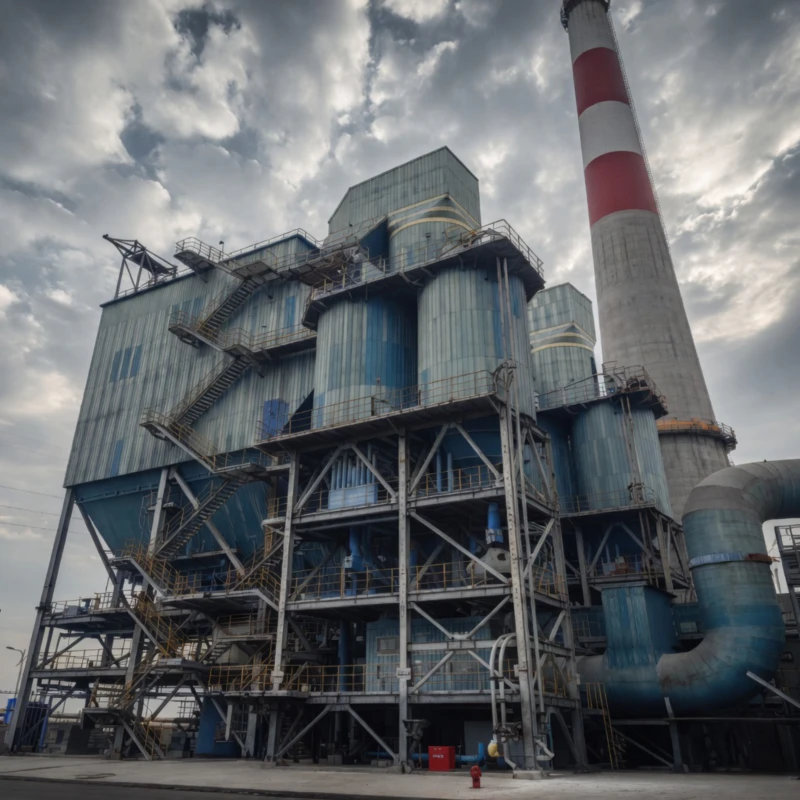
Fig 1: Mega-Scale SDA System designed for high-efficiency multi-pollutant collaborative control
1. The Core Principle: Triple-Phase Neutralization
The SDA process is a masterpiece of gas-liquid-solid three-phase interaction. Within the absorber tower, a finely atomized alkaline slurry (typically lime-based) is introduced into a high-temperature flue gas stream ($140\sim220^{\circ}C$). The heat from the gas initiates a rapid evaporation of the slurry droplets, creating a temporary gas-liquid interface where $SO_2, HCl,$ and $HF$ are absorbed and neutralized.
Simultaneous Absorption and Drying
The chemical “magic” occurs because the droplets are engineered to dry completely into a solid powder before they reach the tower wall. This prevents internal scaling and eliminates the need for complex wastewater treatment facilities. By maintaining a precise droplet diameter (average 60μm), the system ensures over 95% desulfurization efficiency while simultaneously stripping halide acids. This multi-pollutant collaborative control makes SDA the mainstream choice for industrial kilns and waste incineration plants.
However, a single-pass reaction inevitably leaves unreacted calcium hydroxide ($Ca(OH)_2$) trapped within the dry product. Without a recycling mechanism, this expensive chemical reagent is wasted.
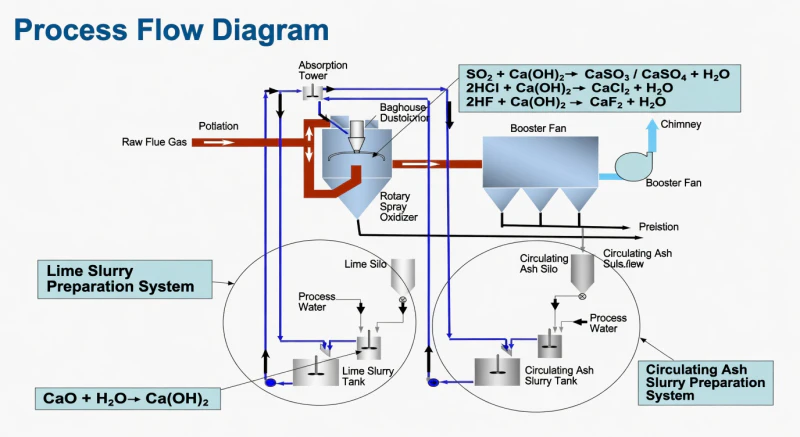
Fig 2: The Synergistic Process Logic of BAOLAN SDA Technology
2. The Secret of the 50% Cut: Ash Recycling
The most potent tool in the BLSDA series’ arsenal is the Residue Circulation System. By re-introducing a portion of the desulfurization residue back into the slurry preparation tank, the system achieves “Reagent Valorization.”
Nucleated Absorption Dynamics
When desulfurization products—which still contain significant amounts of residual alkali—are recycled into the slurry, they do not just act as “filler.” These particles form stable Nuclei inside each newly atomized lime slurry droplet. As fresh absorbent is added to the loop, it continuously deposits onto these nuclei, effectively increasing the total specific surface area available for chemical reaction.
Engineering experience demonstrates that this recycling loop can reduce reagent consumption by 30-50%. It ensures that every molecule of lime reaches its full oxidative potential, driving the facility’s desulfurization efficiency to internationally advanced levels.
Furthermore, this high solid concentration within the droplets enhances the drying kinetics, helping to ensure that the byproduct is a completely dry powdery ash, easily managed by pneumatic conveying systems without risk of clumping or equipment blockage.
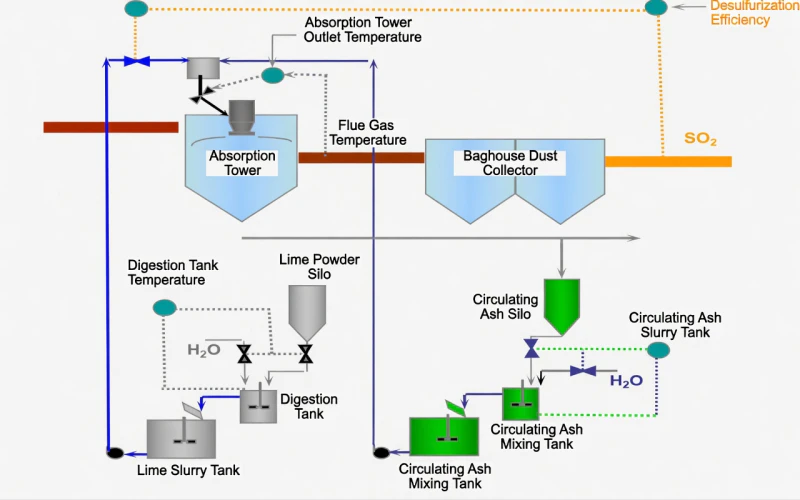
Fig 3: System Component Topology: The Slurry-to-Ash Circulation Architecture
3. Structural Rationality and Metallurgy
To facilitate a continuous ash recycling loop, the Absorber Body must be an uncompromising vessel of mechanical integrity. The abrasive nature of recycled desulfurization residue requires specialized protection. BAOLAN towers are fabricated from high-grade carbon steel, reinforced to handle shell design pressures of $-6000\sim6000(Pa)$.
Glass-Flake Anti-Corrosion Defense
The entire internal surface of the absorber is fortified with a glass-flake anti-corrosion coating. This metallurgical shield prevents acidic penetration and resists the erosive impact of high-velocity particulates.
Combined with a Central Gas Distributor that induces a Slight Counter-Clockwise Rotation in the flue gas flow, the system ensures thorough mixing and maximum residence time. This aerodynamic “Spin” is what allows the recycled lime to have multiple opportunities to encounter SO2 molecules, driving the stoichiometric ratio to an ultra-efficient peak and safeguarding the facility against sulfur “breakthrough.”
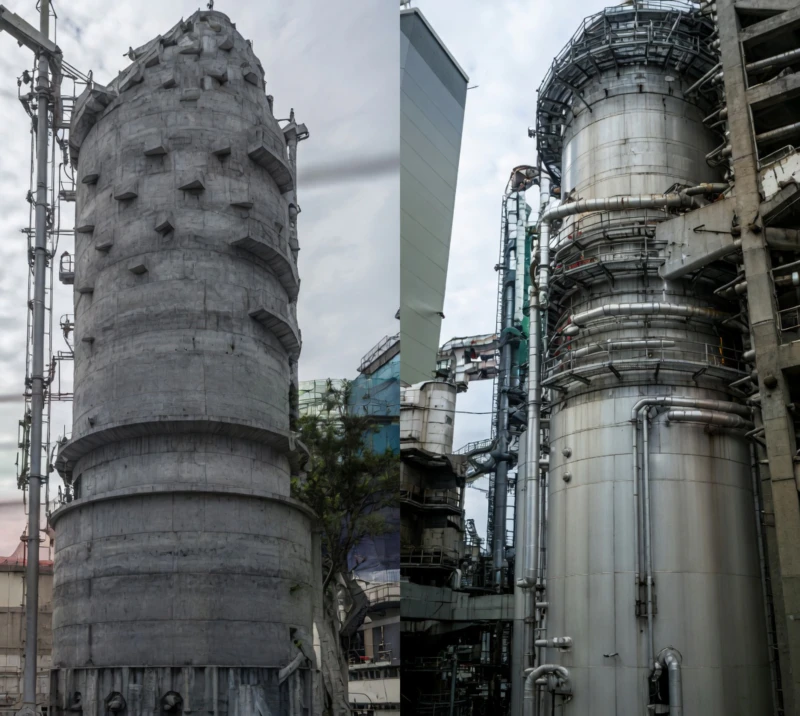
Fig 4: The Absorber Body: A Masterpiece of Structural Rationality
Sustainability Meets Profitability
The BLSDA series represents a technical evolution where environmental compliance and economic health are perfectly aligned. By integrating a closed-loop pneumatic ash conveying system and a large-crushing-ratio recycling circuit, BAOLAN ensures that your facility achieves ultra-low emission standards while simultaneously minimizing operational waste.
Zero Wastewater
Eliminate the capital and maintenance costs of water treatment. The SDA process evaporates all liquid, leaving only dry, manageable solids.
50% Lower OPEX
Reagent recycling fundamentally alters the stoichiometric logic of the tower, providing a definitive competitive edge in manufacturing costs.
Near-Zero Emissions
Achieve outlet SO2 emissions below 35 mg/Nm3, satisfying the most stringent global standards for industrial kiln and boiler exhaust.
The “secret” to the 50% reagent reduction is not a miracle—it is the holistic synergy of high-automation feeding, sub-micron atomization, and the thermodynamic utilization of flue gas heat. By choosing BAOLAN’s SDA technology, industrial facilities turn a regulatory “cost center” into a masterclass in chemical and mechanical efficiency.
Rancang Masa Depan Efisiensi Tinggi Anda Hari Ini
Don’t let high reagent costs and complex wastewater disposal threaten your operational profitability. Implement the power of BAOLAN’s BLSDA series to secure safe, stable, and economically superior desulfurization. Contact our expert engineering team today to design a specialized SDA system strictly tailored to your facility’s exact volumetric and emission targets.