
Product Profile
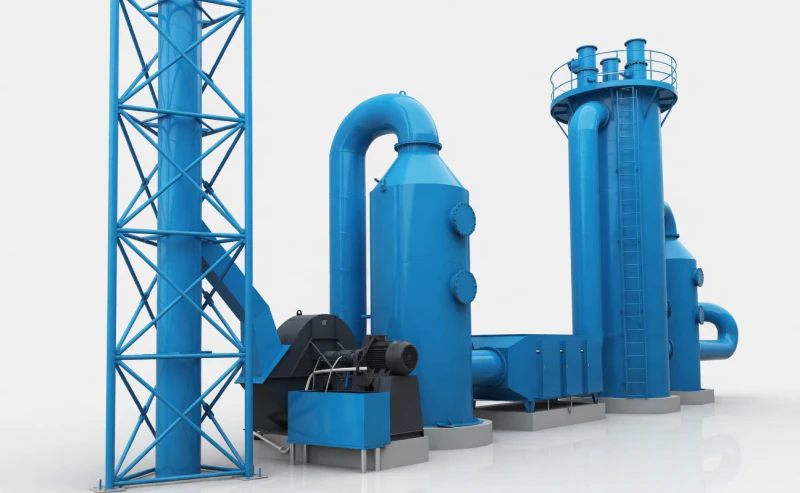
Our company's ionization catcher integrates design, manufacturing, installation, and commissioning. The ionization catcher series products are advanced equipment in the field of environmental protection and energy recovery, possessing an internationally leading level. Over the years, through practical applications and continuous optimization in numerous industrial projects, the product structure has become increasingly rational, with strong operational stability and high processing efficiency, capable of meeting various strict environmental protection and energy efficiency standards. The ionization catcher can be widely used in chemicals, coking, carbon, spraying, printing, and other industries, achieving efficient treatment of tar and particulate matter.
Core Concepts
Ionization catcher: When smoke containing impurities such as tar and droplets passes through this electric field, the impurities adsorbed with negative ions and electrons move to the precipitation electrode under the action of the electric field's Coulomb force, releasing the charged particles and adsorbing onto the precipitation electrode (charging phenomenon). When the mass of impurities adsorbed on the precipitation electrode increases to greater than its adhesion force, it will automatically flow down and be discharged from the bottom of the ionization catcher, while the clean gas exits from the upper part of the ionization catcher.
Working Principle & Process Flow
The Ionization Catcher utilizes cutting-edge electrostatic precipitation technology to meticulously separate suspended particulate matter, tar, and aerosols from exhaust gas streams through a precise four-step physical process.
Phase 1 High-Voltage Ionization
The flue gas enters the tens of thousands of volts corona zone. The strong electric field tears gas molecules apart, generating a massive cloud of free electrons and negative ions.
Phase 2 Particle Charging
As tar, droplets, and dust particles pass through the electric field, they collide with these ions at high frequencies, acquiring a strong negative surface charge.
Phase 3 Directional Precipitation
Under the strong Coulomb force of the electric field, the charged impurities are rapidly pulled away from the main airflow and firmly adsorbed onto the precipitation electrode (anode tube).
Phase 4 Discharge & Recovery
When the mass of the adsorbed tar/impurities exceeds their adhesion force, they automatically flow downward by gravity into the bottom hopper for resource recovery, while the clean gas safely exits from the top.
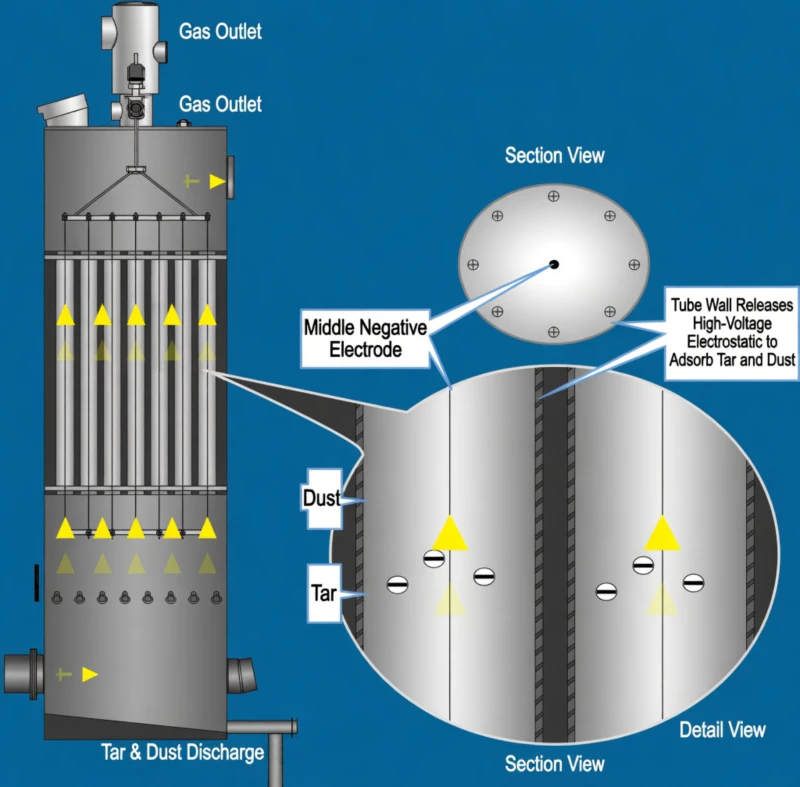
Schematic diagram illustrating the Coulomb force charging and tar migration process.
Core System Components
Engineered with premium materials and advanced electrical controls to ensure safe, stable, and continuous high-efficiency precipitation of tar, mist, and particulate matter.
⚡ Corona System
The core assembly consists of corona wires, high-voltage porcelain insulators, suspension rods, upper/lower rings, and tensioning weights. Installed inside the tower, it generates an intense high-voltage electric field to ionize the surrounding gas, negatively charging tar, water mist, and dust mixtures.
🎛️ High Voltage Control Cabinet
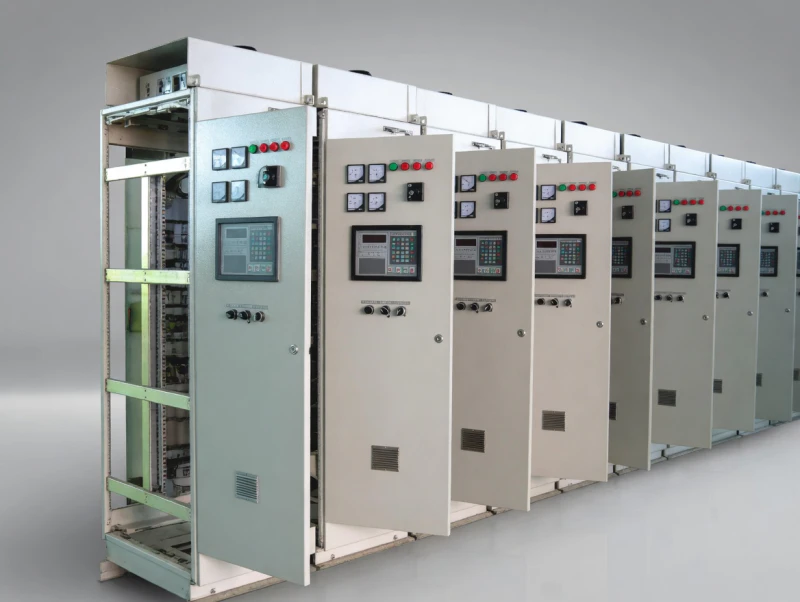
The "brain" of the ionization catcher. It centrally manages power input, working voltage adjustment/output, fault alarms, and automatic cutoff. The operational status is clearly displayed via intuitive meters and indicator lights on the panel.
🔋 HV Silicon Rectifier Transformer
This crucial component steps up and rectifies the standard AC voltage from the control cabinet into a stable, high-voltage Direct Current (DC), supplying it directly to the internal corona electrode system.
🛡️ Kotak Isolator
To prevent electrical tracking, creepage, and short circuits in highly humid environments, the high-voltage porcelain insulators are housed within a dedicated thermostatic box equipped with automated electric heating devices.
.webp)
Structural blueprint illustrating the core internal anatomy.
High-precision internal electrode and collection module details.
Core Performance Advantages & ROI
Designed to deliver absolute environmental compliance while generating significant economic returns. Our Ionization Catchers dominate complex exhaust streams.
♻️ Turn Waste into Profit
Highly efficient recovery of valuable pure tar, oils, and chemical solvents from the exhaust stream. For many coking and chemical plants, the recovered resources yield an economic return that can offset the entire equipment investment within 1-2 years.
🛡️ Ultimate Downstream Protection
By intercepting sticky resin, paint mist, and heavy tar upfront, the Ionization Catcher serves as the perfect pre-treatment barrier. It completely prevents downstream equipment (such as expensive RTO ceramic beds or ID fans) from clogging or catching fire.
⚡ Smart High-Frequency Power
Equipped with an intelligent high-frequency power supply capable of microsecond spark tracking and automatic arc extinguishing. This ensures maximum corona intensity without short circuits, reducing electrical energy consumption by up to 30%.
⚙️ Optimized Fluid Aerodynamics
Advanced honeycomb or specific tubular array design maximizes cross-sectional utilization. This ensures extremely uniform gas distribution and successfully overcomes the common defects of traditional catchers, such as wall-hanging, bridging, and internal arcing.
Manufacturing Excellence & Facilities
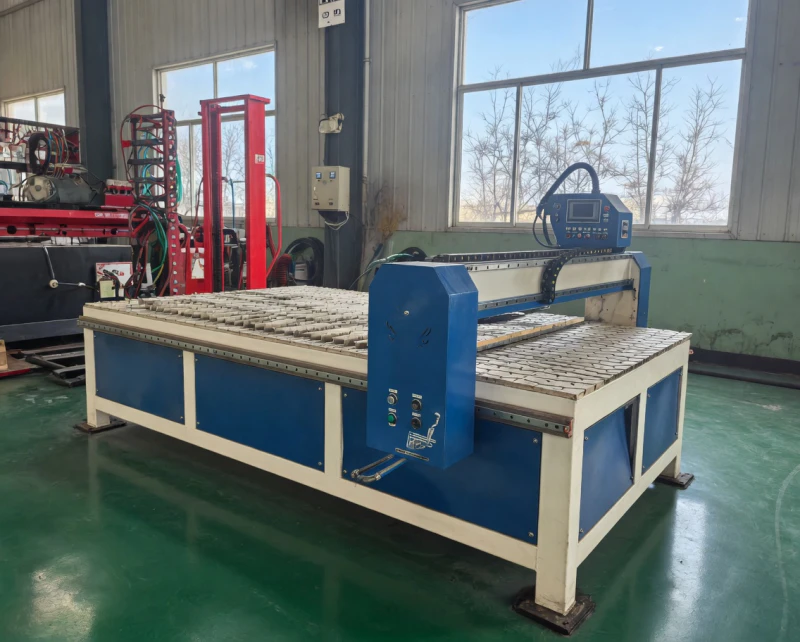
Our company is an integrated supplier specializing in the R&D and production of heavy industrial environmental protection systems. With an annual production capacity of over 50,000 tons, we are equipped with specialized production lines and state-of-the-art CNC machinery. Adhering strictly to the ISO 9001 management system, we guarantee flawless fabrication and mass production capabilities.
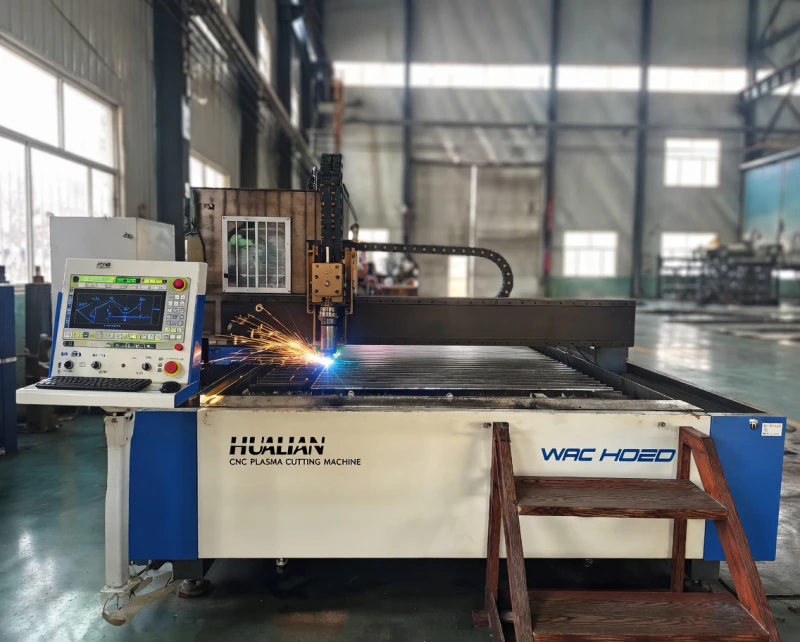
CNC Cutting Machine
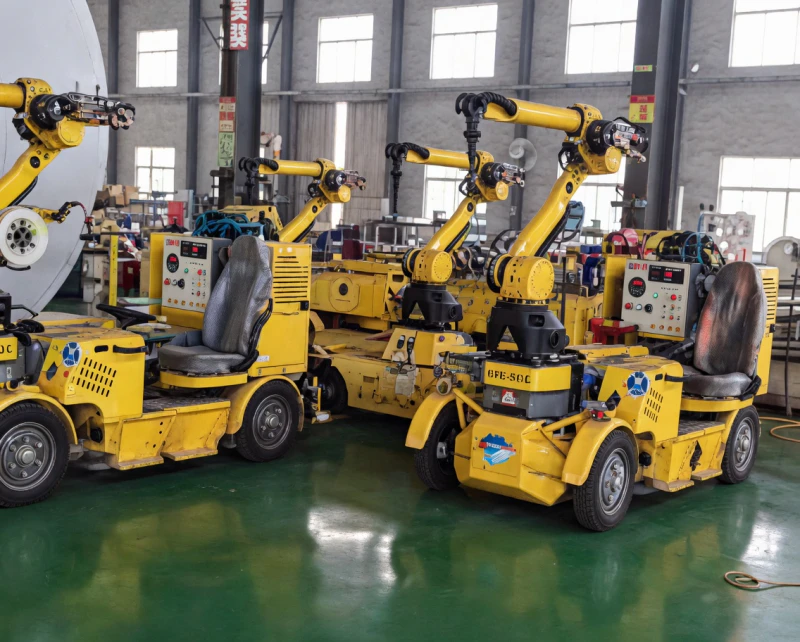
Robotic Automated Welding
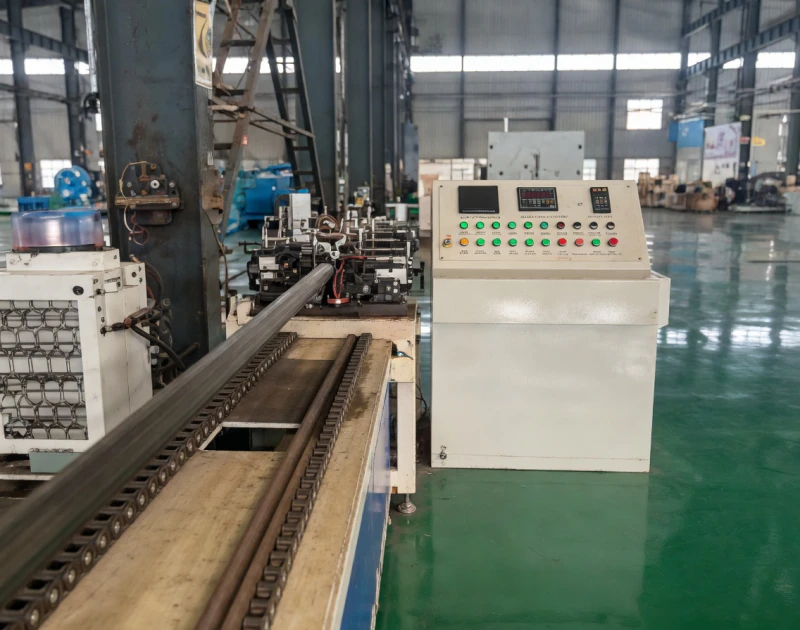
Finned Tube Rolling Machine
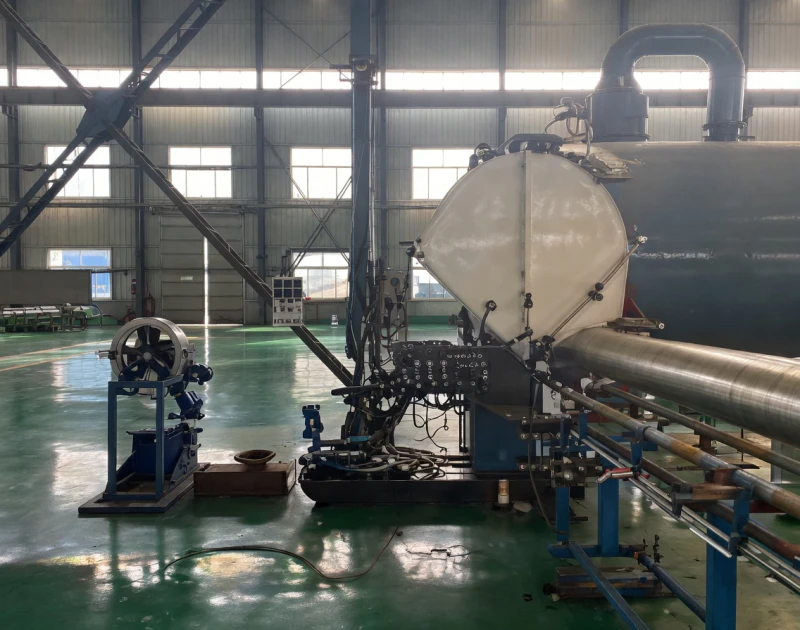
Heavy Coiling Machine
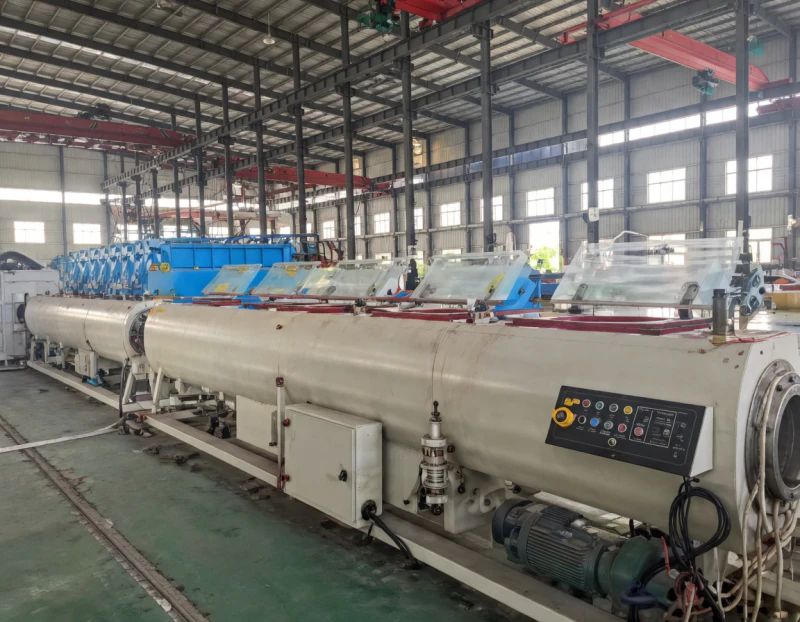
Graphene Production Line
Laser Engraving Machine
Technology Comparison
See why leading EPC contractors and facility managers choose our Ionization Catcher over legacy filtration methods for handling complex, sticky, and highly corrosive exhaust streams.
| Evaluation Metric | Ionization Catcher (Our Tech) | Traditional Wet Scrubber | Standard Baghouse Filter |
|---|---|---|---|
| Target Pollutants | Sticky tar, acid mist, oil smoke, sub-micron aerosols | Soluble gases, large heavy dust particles | Dry dust, non-sticky particulate matter |
| Sub-micron (<2μm) Efficiency | > 99.5% (Excellent) | 40% - 60% (Poor) | > 99% (Good, but clogs easily) |
| Operating Resistance (OpEx) | Ultra-Low (< 300 Pa) | High (1500 - 3000 Pa) | High (> 1500 Pa) |
| Resource Recovery & Secondary Waste | Recovers pure tar/oil. Zero secondary wastewater. | Generates massive amounts of heavily polluted wastewater. | Cannot handle liquid or sticky aerosols (Destroys bags). |
| Frekuensi Perawatan | Minimal (Automated liquid discharge) | High (Nozzle clogging & pump wear) | Very High (Frequent bag replacement required) |
Proven Global Case Studies
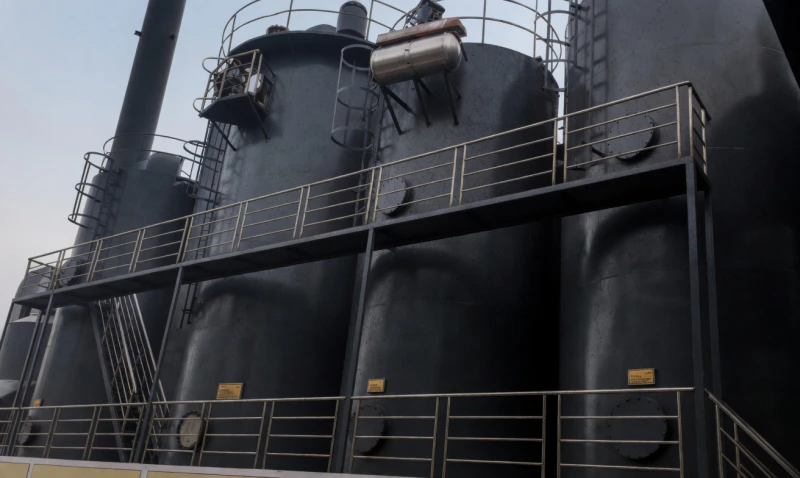
See how our Ionization Catchers deliver measurable environmental compliance, safeguard downstream equipment, and generate rapid ROI in the world's most demanding heavy industries.
.webp)
Integrated EPC Supply Since 2000
Backed by our own dedicated R&D, continuous technological innovation, and extensive Sino-foreign technical and strategic business cooperation, our company has been providing comprehensive integrated supply for a massive array of engineering projects since the year 2000. This unmatched capability is driven by the synergistic efforts of our specialized business divisions:
VOCs Division
Desulfurization &
Denitrification Division
Plume Eradication
(White Smoke) Division
Mobile Suspension
Division
Carbon Neutrality
Division
Panduan Pemilihan Peralatan
Sizing an Ionization Catcher is an exact science. Our engineering team follows a rigorous 4-step process to deliver a system tailored to your exact operational matrix.
Parameter Collection
Provide your actual gas volume (m³/h), operating temperature, gas chemical composition, and inlet dust/tar concentration limits.
CFD Modeling & Sizing
Our engineers calculate the precise Specific Collection Area (SCA), number of electric fields, and optimal gas distribution using fluid dynamics.
Pemilihan Material
Based on exhaust corrosiveness, we select the perfect anode tube materials: Carbon Steel, 304/316L, 2205 Duplex, or Conductive FRP.
Integrated Delivery
We generate customized CAD drawings, provide a competitive quote, and proceed to ISO-certified manufacturing and turnkey site installation.