
Komposisi Gas Sisa Farmaseutikal dan Kimia
- Pelarut organik: aseton, etanol, isopropanol, etil asetat, dan sebagainya, dengan turun naik kepekatan yang besar.
- Hidrokarbon terhalogen: diklorometana, kloroform, dsb., sangat menghakis dan sukar dikendalikan.
- Hidrokarbon aromatik: sebatian benzena, dsb., sangat toksik dan berisiko tinggi menghidap kanser.
- Sebatian sulfur/nitrogen: hidrogen sulfida, ammonia, dsb., dengan bau yang kuat dan mudah mengalami masalah.
- Habuk dan aerosol: habuk bahan farmaseutikal aktif, pelepasan perantaraan.
Bahaya Gas Sisa Farmaseutikal dan Kimia
- Risiko Pelanggaran Alam Sekitar: Melebihi piawaian pelepasan boleh mengakibatkan denda sebanyak 200,000 hingga 2 juta yuan; pelanggaran berulang akan menyebabkan penutupan pengeluaran dan pembetulan.
- Bahaya Keselamatan dan Letupan: Sesetengah pelarut mempunyai had letupan yang rendah; kawalan kepekatan yang tidak betul boleh menyebabkan kemalangan dengan mudah.
- Kakisan dan Kerosakan Peralatan: Gas buangan yang mengandungi halogen membentuk bahan berasid, yang mengakibatkan penghakisan teruk pada saluran paip dan peralatan.
- Ancaman Kesihatan Pekerja: Pendedahan jangka panjang membawa kepada risiko penyakit pekerjaan dan meningkatkan kos buruh untuk syarikat.
- Hubungan Komuniti yang Merosot: Gangguan bau menyebabkan aduan dan merosakkan imej sosial syarikat.
- Pembaziran Tenaga yang Teruk: Gas buangan mengandungi tenaga haba yang tidak dipulihkan, mengakibatkan pembaziran sumber.
- Sekatan ke atas Pembangunan Perniagaan: Kegagalan untuk memenuhi piawaian alam sekitar akan menjejaskan kelulusan projek baharu dan menyekat pelan pengembangan.

Parameter teras Teknologi RTO
| Parameter | RTO Dua Menara | RTO Tiga Menara | RTO Rotary | Unit |
|---|---|---|---|---|
| Kecekapan Pemusnahan VOC | 98.0 – 99.0% | ≥99.5% | 97.0 – 99.0% | % |
| Kecekapan Terma | 90 – 94% | 95 – 98% | 90 – 95% | % |
| Konsentrasi Kekal Berdikari | ≥2.0 | ≥1.8 | ≥1.5 | g/m³ |
| Suhu Operasi | 780 – 850 | 800 – 850 | 760 – 820 | °C |
| Masa Tinggal | 0.8 – 1.2 | 1.0 – 1.5 | 0.7 – 1.0 | s |
Cara Mengurus RTO
Untuk gas buangan yang mengandungi klorin (contohnya, diklorometana):
Gas buangan yang mengandungi klorin → Pencucian dan peneutralan alkali → RTO tiga menara → Penyejukan pantas → Pematuhan pelepasan
Kunci:
- Cegah penghasilan dioksin; gunakan reka bentuk tiga menara untuk mengelakkan pencemaran silang
- Untuk turun naik kepekatan: Kelompok pengeluaran farmaseutikal menyebabkan turun naik kepekatan:
- Pelarasan pintar: Pantau kepekatan secara automatik dan laraskan parameter operasi
Tangki penimbal: Melancarkan puncak kepekatan seperti takungan
Perlindungan keselamatan: Pencairan automatik apabila kepekatan terlalu tinggi untuk memastikan keselamatan
Untuk komponen kompleks: Rawatan campuran gas buangan daripada bengkel dan proses yang berbeza:
Pengumpulan bersepadu: Rawatan berpusat semua gas buangan dari loji
Reka bentuk yang serasi: Sesuai dengan pelbagai pelarut, perantaraan dan habuk
Rawatan berperingkat: Prarawatan fizikal diikuti dengan pengoksidaan kimia
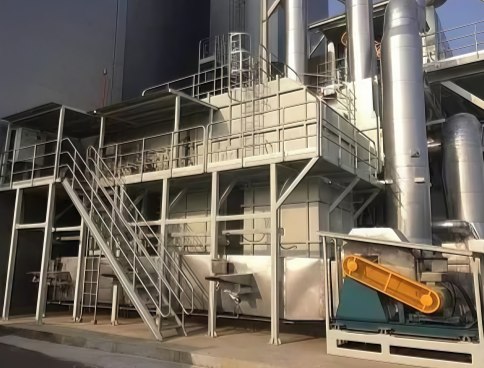
Cara Memilih Sistem RTO yang Sesuai
| Kriteria Pemilihan | RTO Dua Menara | RTO Tiga Menara | RTO Rotary | Senario yang Disyorkan |
|---|---|---|---|---|
| Ciri-ciri Gas Sisa | Komposisi ringkas, tiada halogen | Mengandungi halogen, sulfur dan komponen menghakis yang lain | Komposisi yang agak mudah | Pilih berdasarkan laporan ujian |
| Julat Kepekatan | 1-8g/m³ | 0.5-10g/m³ | 0.3-3g/m³ | Pemantauan dalam talian disyorkan |
| Kecekapan Rawatan | 98-99% | >99.5% | 97-99% | Wajib tiga menara untuk gas yang mengandungi halogen |
| Penggunaan Tenaga | Sederhana | Sederhana | Rendah | Jenis putar mempunyai penjimatan tenaga yang jelas |
| Keluasan Lantai | Sederhana | Besar | Padat | Jenis putar untuk tapak yang terhad ruang |
| Kos Pelaburan | 1-1.5 juta RMB | 1.5-2.5 juta RMB | 1.2-2 juta RMB | Nilaikan TCO 3 tahun |
| Keperluan Penyelenggaraan | Rendah | Sederhana | Tinggi | Pertimbangkan keupayaan operasi perusahaan |
Kajian Kes: Contoh Aplikasi RTO dalam Syarikat Farmaseutikal Besar
Projek rawatan gas sisa pengeluaran antibiotik Sefalosporin
Latar Belakang Syarikat: Pengilang antibiotik domestik terkemuka dengan pengeluaran tahunan sebanyak 1,200 tan bahan mentah sefalosporin. Gas buangan terutamanya berasal daripada proses penapaian, pengekstrakan dan sintesis.
Cabaran Projek:
- Komposisi gas ekzos kompleks: Mengandungi 12 pelarut organik termasuk aseton, etanol dan diklorometana.
- Turun naik kepekatan yang besar: 0.8-6.5 g/m³, mempamerkan ciri-ciri pelepasan sekejap-sekejap.
- Keperluan perlindungan alam sekitar yang tinggi: Mesti memenuhi had pelepasan khas "Standard Pelepasan untuk Pencemar Udara daripada Industri Farmaseutikal".
- Kekangan tapak: Pengubahsuaian kawasan kilang sedia ada, ruang yang terhad.
Penyelesaian dan Keputusan Pelaksanaan
Peralatan yang digunakan: Sistem RTO tiga menara 30,000 m³/j, dilengkapi dengan peranti prarawatan dan pemulihan haba buangan.
| indeks | Sebelum pengubahsuaian | Selepas pengubahsuaian | Kadar penambahbaikan |
|---|---|---|---|
| Kepekatan pelepasan VOC | 320-450mg/m³ | 12-28mg/m³ | >92% |
| Kos operasi tahunan | 1860000 | 720000 | Simpan 61% |
| Denda alam sekitar tahunan | 500000-800000 | 0 | Singkirkan sepenuhnya |
Testimoni pelanggan: “Sistem RTO beroperasi dengan stabil, dan pelepasan secara konsisten memenuhi piawaian, sekali gus mengurangkan sepenuhnya tekanan alam sekitar kami. Wap yang dihasilkan daripada pemulihan haba buangan menjimatkan bengkel pengeluaran kira-kira 450,000 yuan dalam kos tenaga setiap tahun.”
Soalan Lazim
1. Apakah RTO?
A: RTO ialah peranti rawatan gas sisa berkecekapan tinggi yang "membakar" gas sisa menjadi bahan tidak berbahaya pada suhu tinggi sambil memulihkan haba.
2. Berapakah tahap kecekapan rawatan tersebut?
A: Kadar penyingkiran melebihi 99%, dan pelepasan jauh di bawah piawaian kebangsaan.
3. Apakah jenis gas buangan yang boleh dirawat?
A: Sesuai untuk gas sisa organik daripada industri farmaseutikal dan kimia, termasuk komponen kompleks yang mengandungi klorin dan sulfur.
4. Adakah kos operasi tinggi?
A: Penggunaan tenaga yang rendah. Apabila kepekatan gas buangan memenuhi piawaian, hampir tiada bahan api tambahan diperlukan, dan tenaga haba boleh dipulihkan.
5. Bolehkah ia merawat gas buangan yang mengandungi klorin?
J: Ya. Ia menggunakan reka bentuk tiga menara untuk mengelakkan kakisan dan mencegah penghasilan dioksin.
6. Bagaimana jika kepekatan gas buangan berubah-ubah dengan ketara?
A: Sistem pintar melaraskan secara automatik untuk menyesuaikan diri dengan perubahan kepekatan, memastikan operasi yang stabil.
7. Adakah peralatan tersebut memerlukan kawasan yang luas?
A: Tidak besar. Sebuah unit yang mengendalikan 10,000 meter padu udara meliputi kawasan kira-kira 40 meter persegi, lebih kurang sebesar ruang letak kereta.
8. Adakah ia memerlukan operasi khusus?
A: Sangat automatik, pada dasarnya tanpa pengawasan dan boleh dipantau dari jauh melalui telefon bimbit.
9. Berapa lama masa yang diperlukan untuk mendapatkan semula pelaburan tersebut?
A: Biasanya 1-3 tahun. Kos dipulihkan dengan cepat melalui penjimatan tenaga dan mengelakkan penalti alam sekitar.
10. Adakah penyelenggaraan sukar?
A: Mudah. Kebanyakannya memerlukan pemeriksaan berkala, dengan 1-2 sesi penyelenggaraan setahun.
11. Adakah ia selamat?
A: Sangat selamat. Pelbagai perlindungan disediakan: penggera suhu berlebihan, pemadaman kebakaran automatik dan reka bentuk kalis letupan.
Jika anda ingin mengetahui lebih lanjut tentang pengoksidaan terma regeneratif, sila hubungi kami.