BLSDS1W/230W Series SDS Dry Desulfurization System
Discover the BLSDS Series SDS Dry Desulfurization System. Achieve >95% SO2 removal with zero wastewater using advanced Sodium Bicarbonate Dry Injection.
1. Product Overview
High-Efficiency Dry Sorbent Injection (DSI)
ال BLSDS1W/230W Series SDS Dry Desulfurization System utilizes advanced Sodium Bicarbonate (NaHCO3) Dry Injection technology to purify industrial flue gas. By injecting ultra-fine sodium bicarbonate powder into a high-temperature reactor, the sorbent is thermally activated, creating a highly porous structure that aggressively absorbs acidic pollutants like SO2، لذا3, HCl, and HF.
Designed as a superior, high-ROI alternative to premium European DSI systems (such as SOLVAir or Lhoist generic solutions), our BLSDS Series delivers an identical >95% desulfurization efficiency while completely eliminating the massive capital expenditure required by Western brands.
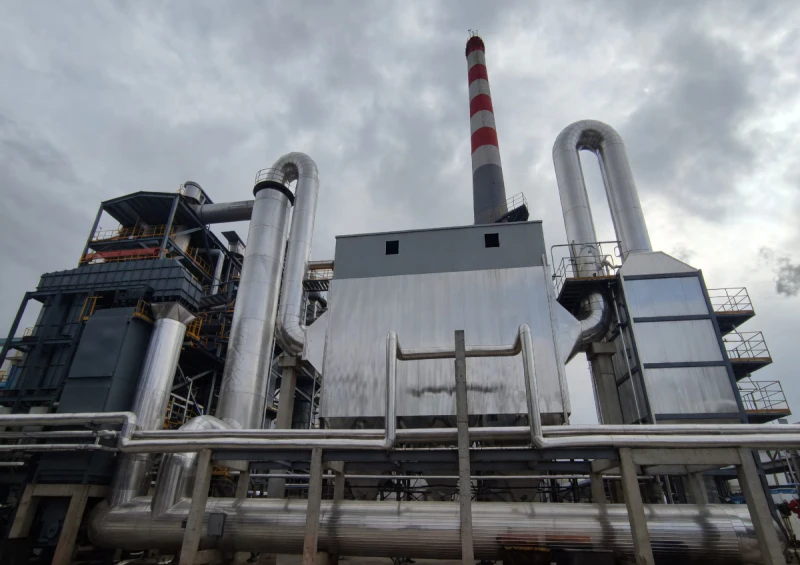
Core Advantages Overview: Zero wastewater discharge, no visible vapor plume, extremely compact footprint, high-temperature bag filter resistance (>260°C), and a proprietary classifying mill that produces >1000 mesh ultra-fine sorbent for maximum reaction surface area.
2. Technical Specifications
Main Engineering Parameters
The BLSDS Series provides incredible operational flexibility, capable of managing vast exhaust volumes and severe temperature spikes typical in industrial kilns and incineration plants.
| عنصر المعلمة | Specification Range | وحدة |
|---|---|---|
| Processing Gas Volume | 10,000 - 2,300,000 | m³/h |
| درجة حرارة الغاز المسموح بها | ≤ 260 | درجة مئوية |
| الكثافة المسموح بها للغبار الداخل | 1 - 1,500 | ملغم/متر مكعب |
| System Design Pressure | -6,000 ~ +6,000 | با |
| مقاومة التشغيل | 800 ~ 1,000 | با |
| Guaranteed Outlet Emission | < 35 | ملغم/متر مكعب |
3. Reaction Mechanism
How It Works: The Chemical Principle
Flue gas extracted from the duct (between 140-260°C) enters the SDS reactor. Ultra-fine sodium bicarbonate is injected and thermally decomposes into highly porous sodium carbonate, maximizing the surface area for rapid gas-solid neutralization.
1. Main Desulfurization Reaction
The highly active Na2CO3 chemically reacts with SO2 in the flue gas, neutralizing the acid to form sodium sulfite.
2. تفاعل جانبي للأكسدة
In the presence of excess oxygen within the hot flue gas stream, the sodium sulfite is further oxidized into a stable sodium sulfate byproduct.
3. Acid Mist (SO3) Removal
Trace amounts of sulfuric acid mist (SO3) are also aggressively captured by the sorbent, completely avoiding downstream equipment corrosion.
4. Key Benefits
Unmatched Process Features
>95% Efficiency
Ultra-fine sodium bicarbonate is rapidly activated by high-temperature flue gas, achieving exceptional desulfurization efficiencies surpassing 95%.
Classifying Mill Technology
Adopts an advanced classifying mill with an output fineness above 1000 mesh (below 15 μm). It guarantees a massive reaction surface area and excellent particle sizing.
Optimized Residence Time
Equipped with proprietary SDS injection and mixing components that vastly improve gas-solid contact uniformity, ensuring a residence time of more than 4 seconds.
High-Temp Bag Filter
The integrated bag filter uses specialized materials capable of withstanding extreme temperatures above 260°C, ensuring safe and stable long-term operation.
Automated Vacuum Feeding
The system incorporates a highly automated vacuum feeding mechanism, eliminating dust spillage, lowering labor intensity, and ensuring precise dosing.
Cost-Effective Sorbent
Utilizes domestic, widely available sodium bicarbonate to produce the ultra-fine powder on-site, ensuring a low operational cost and a highly stable supply chain.
5. System Engineering
Process Flow & Pulverizing System
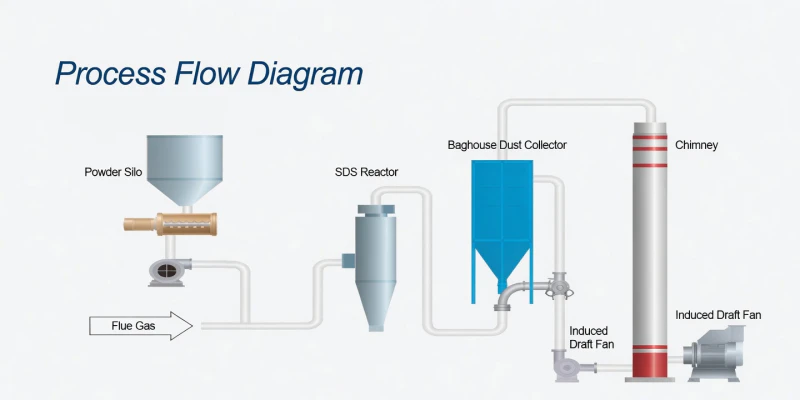
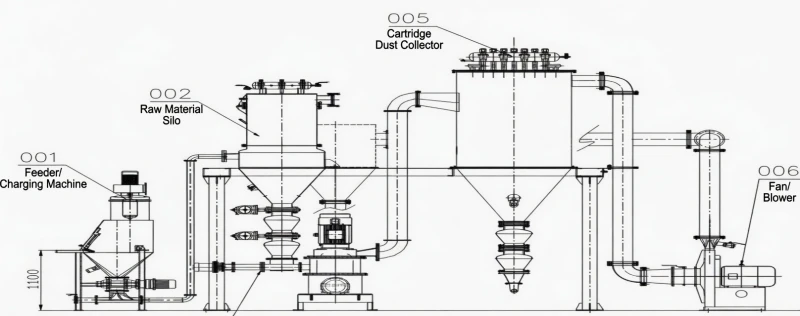
The BLSDS System relies on a seamless integration of sorbent storage, precise pulverization, pneumatic conveying, and gas-solid reaction. The raw sodium bicarbonate is transported via vacuum feeding to the classifying mill, where it is instantly crushed to <15 μm.
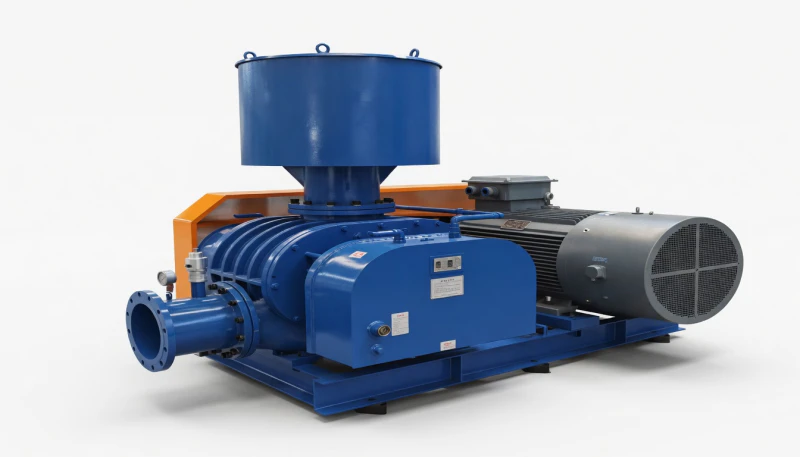
The ultra-fine powder is then propelled by roots blowers through proprietary injection lances directly into the high-velocity flue gas duct. After reacting, the byproduct and fly ash are collected together in a heavy-duty baghouse filter, ensuring clean gas is exhausted via the chimney.
Optional Hybrid Wet-Scrubbing Subsystems
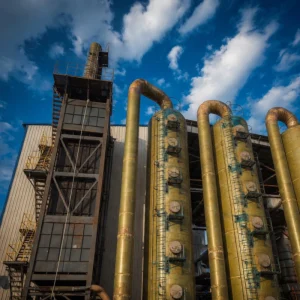
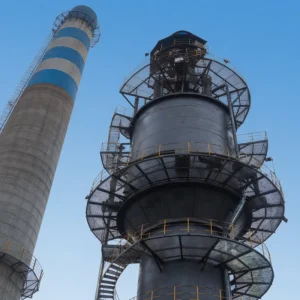
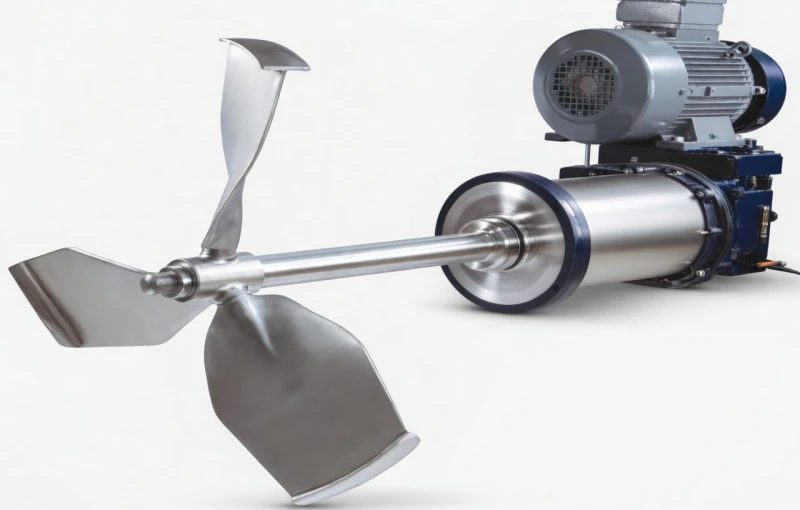
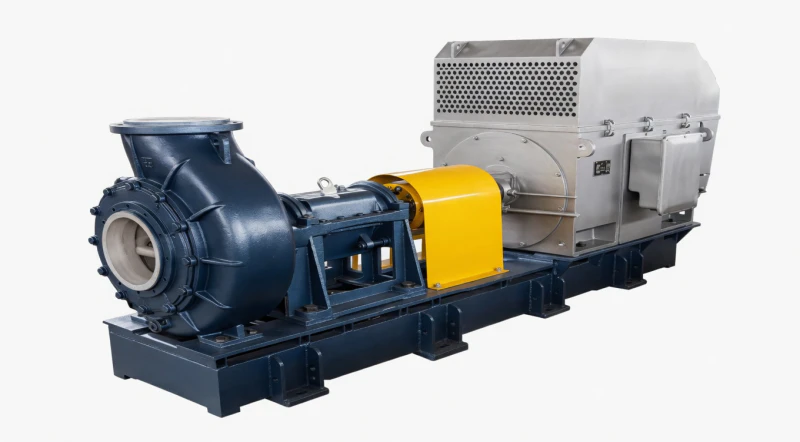
For industrial sites experiencing extreme sulfur spikes or requiring dual-stage (Dry + Wet) desulfurization, the BLSDS series can seamlessly integrate with our heavy-duty wet scrubbing modules. Below are the premium components used in our hybrid configurations:
6. Application Scenarios
Where the BLSDS Series Thrives
Waste Incineration (WTE)
The perfect solution for neutralizing highly acidic exhaust gases (rich in HCl, HF, and SO2) generated by municipal solid waste or hazardous waste incinerators.
Industrial Boilers
Ideal for small to medium-sized coal or biomass-fired boilers where site footprint is strictly limited and wastewater discharge is prohibited.
Glass & Ceramics Kilns
Effectively manages the continuous, high-temperature (up to 260°C) exhaust streams typical in glass melting and ceramic firing processes without cooling the gas.
7. Value & ROI
Why Choose The BLSDS Series?
Notice for Engineering Selection: The mention of premium global brands (such as SOLVAir, Lhoist, or generic Western DSI systems) is strictly for technical benchmarking purposes to assist facility engineers in sizing. We do not sell counterfeit products nor claim any legal affiliation. The BLSDS Series is an independently innovated, highly competitive industrial alternative.
| مقياس التقييم | Our BLSDS Series | Premium Western DSI | Wet/Semi-Dry Scrubbers |
|---|---|---|---|
| Desulfurization Efficiency | ≥ 95% (Ultra-Fine Milling) | ≥ 95% | 85% - 98% |
| الإنفاق الرأسمالي (CapEx) | Highly Optimized (Fast ROI) | Extremely High Premium | High (Complex Towers) |
| Wastewater Generation | Zero (Completely Dry) | صفر | Massive Volumes (Wet) |
| بصمة النظام | Extremely Compact | صغير الحجم | Large (Tower + Slurry Tanks) |
8. Quality Assurance
Global Certifications & EPC Capabilities
Advanced emission control systems require uncompromising engineering. We manufacture all BLSDS components under stringent international protocols, ensuring seamless integration into your facility.
ISO & CE Compliance
Manufactured in ISO 9001:2015 certified facilities. All milling, injection, and pneumatic conveying equipment conforms to CE safety directives.
Full-Cycle EPC Services
We provide a complete turnkey solution: Gas dynamics modeling, classifying mill fabrication, global shipping, on-site erection, and intelligent PLC commissioning.
Ready to Upgrade Your Plant?
Provide our engineering team with your flue gas volume, duct temperature, and inlet SO2 concentration to receive a tailored injection strategy and quote.
9. Knowledge Base
الأسئلة الشائعة
1. What does SDS stand for in desulfurization?
SDS refers to Sodium Bicarbonate (NaHCO3) Dry Injection System. It is a highly efficient dry sorbent injection technology that uses thermally activated baking soda to neutralize acidic industrial gases.
2. Why does the sodium bicarbonate need to be milled so finely?
Milling the sorbent to below 15 μm (>1000 mesh) exponentially increases its surface area. When exposed to hot flue gas, it undergoes a "popcorn effect," becoming highly porous and allowing for rapid, >95% efficient absorption of SO2.
3. What is the optimal temperature range for this system?
The SDS process requires the flue gas to be between 140°C and 260°C to properly activate (decompose) the sodium bicarbonate into active sodium carbonate. Temperatures below 140°C drastically reduce the reaction kinetics.
4. Is any wastewater generated during this process?
No. The BLSDS series is a 100% dry process. There is absolutely no water injection, slurry mixing, or wastewater discharge, effectively eliminating the need for expensive water treatment facilities.
5. What are the byproducts of this desulfurization process?
The main byproducts are dry, solid sodium sulfate (Na2لذا4) and sodium sulfite (Na2لذا3). These dry powdery salts are captured together with the fly ash in the baghouse filter and safely discharged.
6. Can the bag filter handle the high temperatures?
Yes. Our systems are equipped with specialized high-temperature resistant filter bags (often utilizing PTFE or fiberglass blends) that comfortably withstand continuous operations above 260°C.
7. Does the system increase the aerodynamic resistance of the plant?
The operating resistance of the entire SDS reactor and injection system is very low, typically between 800 Pa and 1,000 Pa, meaning it places minimal additional load on your existing induced draft (ID) fans.
8. How does the vacuum feeding system work?
Instead of manual pouring, a pneumatic vacuum pulls the bulk sodium bicarbonate from the storage silo directly into the classifying mill. This highly automated process prevents dust leakage and reduces manual labor.
9. Can it remove other pollutants besides SO2?
Absolutely. Sodium bicarbonate is a highly aggressive alkaline sorbent. It excellently captures sulfuric acid mist (SO3), hydrogen chloride (HCl), and hydrogen fluoride (HF), providing multi-pollutant control.
10. How long is the installation timeline?
Because the SDS system lacks massive liquid slurry tanks and complex wet scrubbers, the installation footprint is small. Manufacturing and on-site erection are typically completed significantly faster than wet systems, often within 3 to 4 months total.
Advanced Environmental Protection Solutions
Ensure strict emission compliance without the headache of wastewater. Partner with us for a clean, dry, and highly efficient desulfurization strategy.