Dans le domaine industriel de la réduction des oxydes d'azote, la température est le principal facteur de réussite. Tout concepteur environnemental se trouve confronté à un choix thermodynamique fondamental : la réaction doit-elle se produire au cœur du four, à 850 °C, ou dans un réacteur catalytique de précision à 180 °C ? Il ne s'agit pas d'une simple préférence technique, mais d'un choix fondamental en matière de logique chimique. Alors que la réduction non catalytique sélective (SNCR) utilise l'énergie thermique brute pour provoquer des collisions moléculaires, la réduction catalytique sélective (SCR) introduit un raccourci chimique qui abaisse la barrière énergétique. La maîtrise de l'interaction entre ces deux régimes thermiques est la seule voie possible pour atteindre des normes d'émissions ultra-faibles, voire quasi nulles.
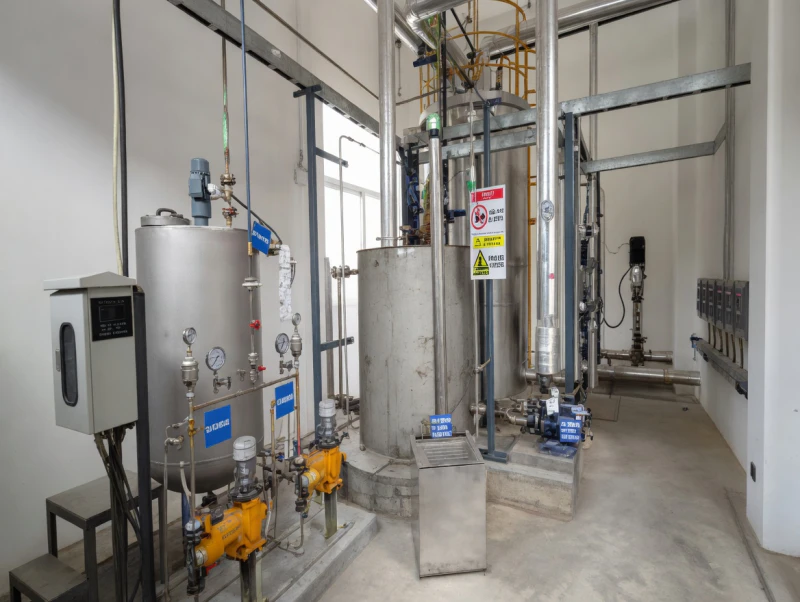
Figure 1 : Infrastructure de dénitrification à grande échelle de la série BL de BAOLAN
1. La frontière des 850 °C : SNCR et force brute thermique
La logique de la réduction sélective non catalytique (SNCR) est d'une élégante simplicité. Elle considère le four de la chaudière lui-même comme le réacteur. En l'absence de catalyseur externe, les oxydes d'azote ne peuvent être neutralisés que si le milieu fournit suffisamment d'énergie cinétique pour rompre les liaisons moléculaires de l'agent réducteur. Cette condition physique impose une plage de températures thermodynamiques stricte : de 850 °C à 1 050 °C.
Métamorphose moléculaire à haute température
Lorsqu'un agent réducteur contenant un groupe amino (généralement de l'ammoniaque ou de l'urée) est injecté dans cette zone à haute température, il subit une décomposition thermique instantanée pour générer des radicaux NH₂. Ces radicaux réagissent ensuite avec les NOx pour former du diazote et de la vapeur d'eau, deux gaz inoffensifs. Cependant, la plage de températures est critique. Si la température est inférieure à 850 °C, la réaction est trop lente, ce qui entraîne une fuite d'ammoniaque. Si elle dépasse 1050 °C, l'ammoniaque s'oxyde, créant davantage de NOx. La série BL de BAOLAN utilise une modélisation CFD avancée pour garantir que l'injection ait lieu au moment cinétique optimal.
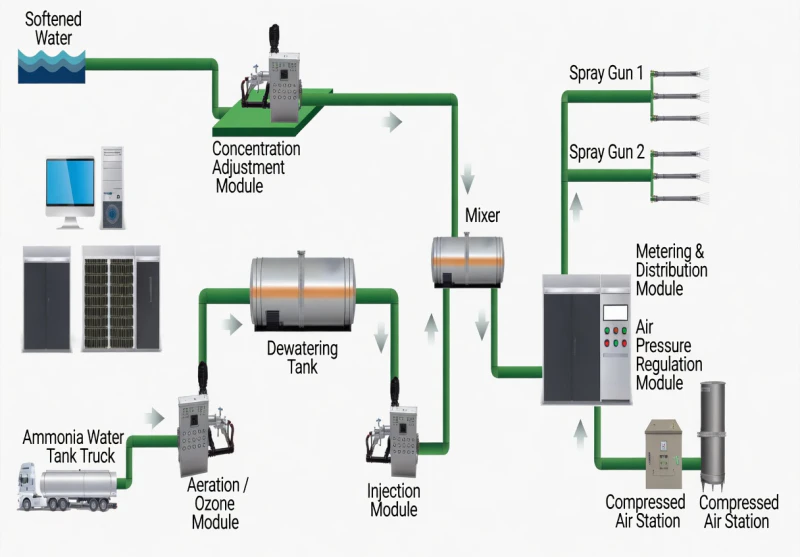
Figure 2 : Grille d’injection de réactifs de la logique thermique SNCR
2. La percée à 180 °C : précision catalytique
La technologie SCR modifie le mécanisme de la réaction, passant d'une force thermique brute à une orientation moléculaire. L'introduction d'un lit catalytique abaisse la barrière énergétique, permettant ainsi une neutralisation chimique identique à une température remarquablement basse, de 180 °C à 400 °C.
Le piège moléculaire sélectif
Dans un réacteur SCR, le catalyseur sert de support. Les molécules d'ammoniac s'adsorbent sur les sites métalliques actifs, où elles sont orientées de manière à attendre le passage des molécules de NOx. Cette sélectivité est la principale raison pour laquelle le SCR peut atteindre des rendements de réduction supérieurs à 95 %. Alors que le SNCR est une solution rapide et peu coûteuse pour les petites chaudières, le SCR est la solution de choix pour les grandes chaudières industrielles, les fours verriers et les fours à ciment soumis à des normes d'émissions quasi nulles.
La rationalité structurelle du réacteur SCR est un facteur déterminant. Si la distribution des gaz n'est pas parfaitement uniforme sur le lit catalytique, la réaction échoue, entraînant un gaspillage de réactifs et une instabilité opérationnelle. BAOLAN intègre des guides d'écoulement internes de précision pour garantir l'utilisation optimale de chaque pore du catalyseur.
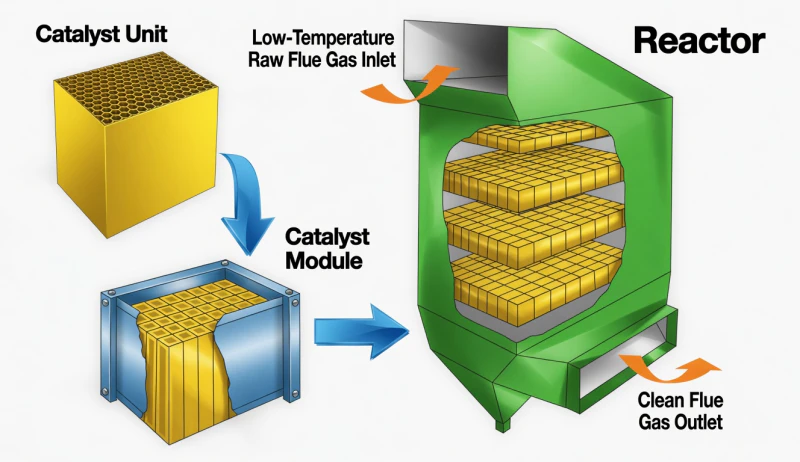
Figure 3 : Structure interne modulaire du boîtier du réacteur SCR
3. Protection de l'intégrité des actifs : la matrice de soufflage de suie
Élimination des cendres volantes et des sels
Le principal obstacle au bon fonctionnement de tout procédé de dénitrification, que ce soit à 850 °C ou à 180 °C, est l'accumulation de particules. Dans les gaz d'échappement des chaudières industrielles, les cendres volantes, les poussières et les sels d'ammonium collants menacent constamment d'obstruer les pores du catalyseur ou les conduits. Cet encrassement entraîne une chute brutale du rendement et une augmentation exponentielle de la consommation énergétique des ventilateurs de tirage induit.
- Éliminer le blocage : Les souffleurs de suie acoustiques ou à vapeur haute intensité brisent les ponts de poussière au contact.
- Réduction de la résistance : Le maintien de passages dégagés permet d'éviter des différentiels de pression excessifs à travers le réacteur.
- Protéger le catalyseur : Prévenir les dépôts de cendres prolonge la durée de vie du catalyseur de plusieurs années, protégeant ainsi votre investissement de plusieurs millions de dollars.
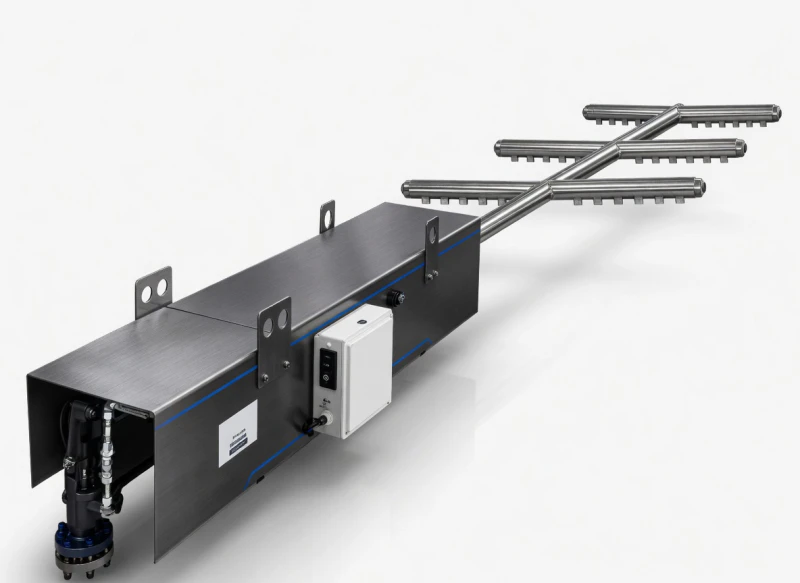
Figure 4 : Souffleur de suie automatisé : le bouclier aérodynamique du réacteur SCR
4. Logique de sélection : Processus d’adéquation au secteur vertical
Le choix entre 850 °C et 180 °C dépend des exigences spécifiques de votre secteur industriel. BAOLAN propose une intégration clé en main pour l'ensemble de l'industrie lourde.
Services publics et frittage
Les machines de frittage de grande capacité utilisées dans la sidérurgie et les chaudières industrielles exigent un rendement supérieur à 95%. Dans ce contexte, le réacteur SCR (réduction catalytique sélective) fonctionnant entre 180 et 400 °C est un élément essentiel pour garantir la conformité environnementale.
Petite puissance et chaleur
Les chaudières de chauffage municipal et les petites unités thermiques utilisent souvent la logique SNCR 850-1050°C en raison de son faible coût d'investissement et de ses cycles de construction courts.
Ciment et verre
Des formulations de catalyseurs hautement spécifiques sont utilisées pour résister à l'empoisonnement chimique par les métaux alcalins tout en maintenant la stabilité thermique dans les environnements de four.
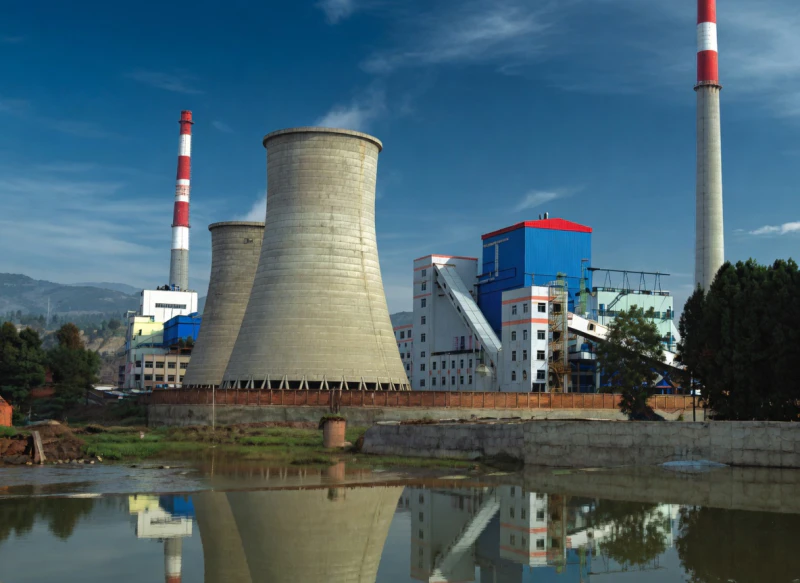
Figure 5 : Succès intersectoriel : des fours à ciment aux centrales électriques
5. Fourniture intégrée clé en main : La référence BAOLAN
Un système de dénitrification est un ensemble complexe de modules distincts. BAOLAN intervient en tant que fournisseur intégré, proposant sept modules essentiels : du stockage des réactifs et des doseurs de haute précision à l’unité de contrôle électrique intelligente et à l’infrastructure automatisée de soufflage de suie. Avec une capacité de production annuelle supérieure à 50 000 tonnes et un strict respect de la norme ISO 9001, nous garantissons que chaque soudure et chaque circuit répondent aux normes internationales les plus exigeantes.
Que votre installation nécessite l'agilité d'un SNCR à 850 °C ou les performances sans compromis d'un SCR à 180 °C, notre offre de services complète – intégrant la R&D, la production allégée, l'ingénierie d'installation et la mise en service intelligente – fait de BAOLAN votre partenaire de confiance pour un succès opérationnel à long terme.
Élaborez dès aujourd'hui votre feuille de route de conformité.
Ne laissez pas la conformité de votre système de traitement des oxydes d'azote au hasard. Choisir entre 850 °C et 180 °C est une décision qui déterminera la viabilité de vos opérations pour les dix prochaines années. Contactez BAOLAN EP INC. dès aujourd'hui pour un audit de site spécialisé et une sélection de procédé sur mesure, conçue spécifiquement pour répondre aux objectifs thermodynamiques et volumétriques uniques de votre installation.