Dans la quête mondiale d'une durabilité environnementale absolue, les technologies classiques de contrôle des émissions industrielles sont fréquemment poussées à leurs limites. Si les centrales électriques municipales et les chaudières industrielles classiques fonctionnent avec des profils de gaz de combustion relativement prévisibles, les industries verrières et de cokéfaction métallurgique présentent une réalité chimique chaotique et extrêmement hostile. Ces secteurs spécifiques génèrent des flux d'échappement caractérisés par de fortes fluctuations de température, des vapeurs de poisons alcalins, des aérosols acides hautement corrosifs et des composés organiques volatils complexes. Face aux normes d'émissions d'oxydes d'azote « quasi nulles » imposées par les organismes de réglementation internationaux, les méthodes de dénitrification conventionnelles ne sont plus viables. Garantir et maintenir la conformité dans ces environnements extrêmes exige une refonte fondamentale de l'architecture de la réduction catalytique sélective (SCR). Cette analyse technique approfondie décortique les risques métallurgiques spécifiques aux fours verriers et de cokéfaction et explore comment la gamme BAOLAN BL utilise des formulations de catalyseurs avancées, un prétraitement synergique et une maintenance aérodynamique automatisée pour garantir une conformité réglementaire irréprochable et durable.
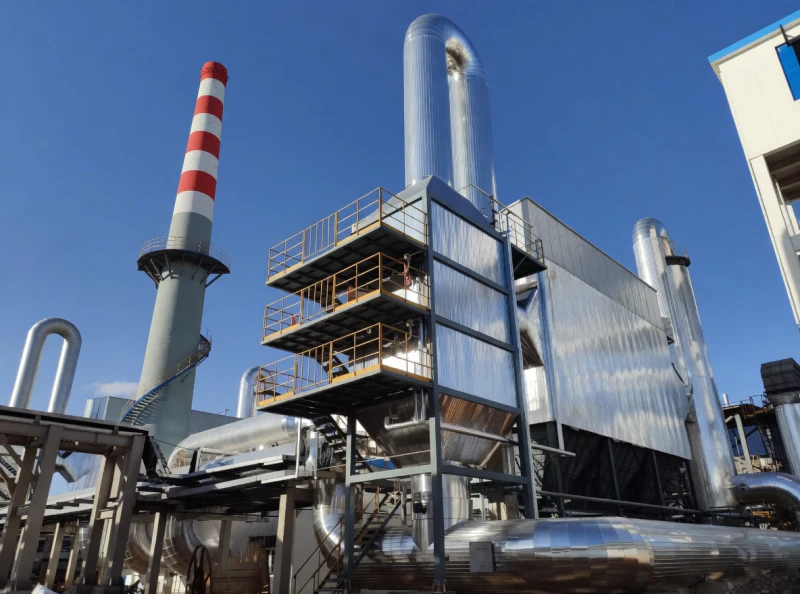
Figure 1 : Infrastructure de dénitrification à grande échelle conçue pour les gaz de combustion industriels complexes
1. Le paradigme du four à verre : survivre à l'empoisonnement alcalin
La fabrication du verre est un procédé métallurgique à haute température qui repose sur la fusion continue de sable siliceux, de carbonate de sodium, de calcaire et de divers agents d'affinage. Les gaz de combustion générés par cet environnement thermique intense constituent un mélange chimique extrêmement corrosif. Contrairement aux cendres de charbon, principalement composées de silicates inertes, les particules issues d'un four à verre sont fortement saturées en métaux alcalins vaporisés, notamment en sodium (Na) et en potassium (K), ainsi qu'en traces de métaux lourds tels que l'arsenic et le bore.
Le mécanisme de la mort catalytique
Lorsque des réacteurs SCR (réduction catalytique sélective) classiques sont appliqués directement aux gaz d'échappement des fours verriers, une défaillance catastrophique est imminente. Le catalyseur standard au vanadium-tungstène-titane (VTT) repose sur des sites actifs acides pour adsorber et neutraliser l'ammoniac et les oxydes d'azote. Lorsque du sodium ou du potassium vaporisé se condense sur ces lits catalytiques, les métaux alcalins neutralisent rapidement les sites actifs acides. Cette réaction chimique détruit définitivement la capacité du catalyseur à catalyser la réduction, un phénomène connu sous le nom d'« empoisonnement alcalin ». En quelques semaines, un catalyseur standard devient totalement inerte, entraînant des dépassements massifs des normes d'émissions.
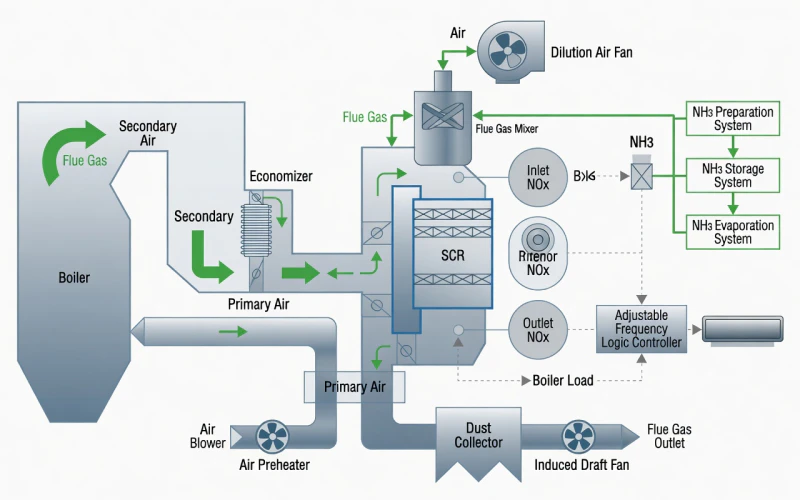
Figure 2 : Topologie des processus stratégiques nécessitant un prétraitement en amont
2. La solution du verre : une architecture défensive à deux niveaux
Prétraitement électrostatique et substrats personnalisés
Pour garantir une stabilité opérationnelle pluriannuelle dans l'industrie verrière, BAOLAN abandonne l'approche à réacteur unique et met en œuvre une stratégie de défense à deux niveaux très sophistiquée. Le système est conçu pour intercepter la menace avant même qu'elle n'atteigne le cœur catalytique.
- Précipitation électrostatique à haute température (ESP) : L'architecture impose le placement d'un groupe électrostatique ESP haute performance directement en amont du réacteur SCR. Fonctionnant à haute température, ce champ électrostatique ionise et capture efficacement les métaux alcalins vaporisés et les particules lourdes, extrayant physiquement les poisons du catalyseur de la phase gazeuse.
- Formulations de catalyseurs résistants aux alcalis : Le gaz résiduel pénètre dans le réacteur SCR, équipé de catalyseurs de type nid d'abeille ou plaque, formulés sur mesure. Ces substrats exclusifs sont conçus avec des sites acides modifiés, très résistants à la dégradation par le sodium et le potassium résiduels, garantissant ainsi des rendements de conversion des oxydes d'azote supérieurs à 95% sur le long terme.
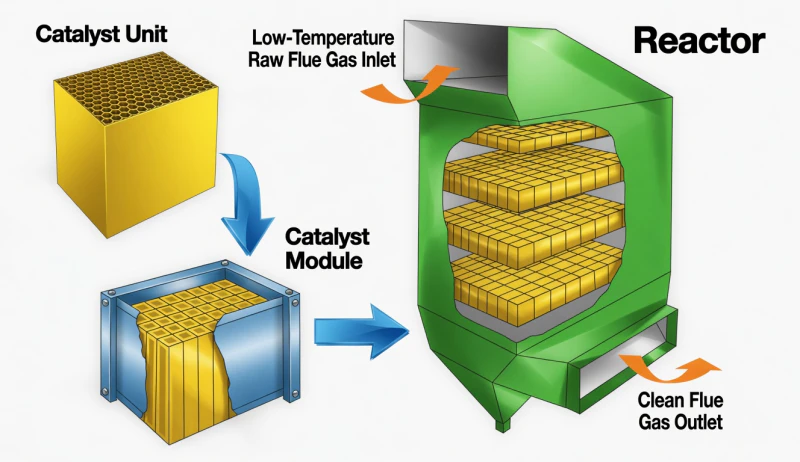
Figure 3 : Matrice de réacteur SCR personnalisée protégée par précipitation électrostatique en amont
3. Le paradigme du four à coke : la menace du bisulfate d'ammonium
Condensation à basse température et blocage par le goudron
L'industrie de la cokéfaction métallurgique présente un défi d'ingénierie totalement différent, mais tout aussi dévastateur. Les gaz d'échappement des fours à coke sont intrinsèquement caractérisés par des variables complexes : des températures fluctuantes relativement basses, une teneur en humidité extrêmement élevée, des composés organiques volatils (dont des aérosols de goudron collants) et des concentrations massivement élevées de dioxyde de soufre (¹⁴TP₄TSO₂¹⁴TP₄).
Lors du fonctionnement normal d'une cokerie, le four subit périodiquement un processus d'inversion, provoquant une chute brutale de la température des gaz de combustion. Le principal risque dans cette application est la synthèse du bisulfate d'ammonium ($NH_4HSO_4$). Dans tout système SCR, une infime fraction de l'ammoniac injecté reste non réagie. Lorsque cet ammoniac résiduel entre en contact avec le trioxyde de soufre à des températures inférieures à 230 °C, il subit une transition de phase, formant un acide liquide très visqueux et collant.
Ce liquide se condense directement à l'intérieur des pores microscopiques du catalyseur en nid d'abeille, agissant comme un puissant adhésif industriel. Il se lie instantanément aux aérosols de goudron et aux cendres volantes, créant un bouchon aussi solide que du béton. Cet événement catastrophique détruit définitivement l'intégrité aérodynamique du réacteur, provoquant une brusque montée en pression, le blocage des ventilateurs de tirage induit et l'arrêt brutal et dangereux de l'ensemble du processus de cokéfaction.
4. La solution de cokéfaction : synergie en amont et catalyse à basse température
Éliminer la variable du soufre
Pour déployer efficacement la réduction catalytique sélective (SCR) dans une cokerie, la solution technique doit être globale et non isolée. Le modèle BAOLAN stipule que le réacteur SCR ne doit jamais être exposé à la charge de soufre brut. L'architecture préconise l'installation d'une unité de désulfuration à haut rendement – telle que le procédé d'absorption par pulvérisation (SDA) ou le procédé de séchage au bicarbonate de sodium (SDS) – en amont immédiat de la zone de dénitrification.
En éliminant efficacement les composés soufrés du flux gazeux avant son interaction avec la grille d'injection d'ammoniac, la formation du bisulfate d'ammonium est mathématiquement empêchée. De plus, pour compenser les fluctuations de température inhérentes aux inversions de polarité du four, BAOLAN utilise des systèmes spécialisés Catalyseurs SCR basse températureCes formulations avancées conservent une activité catalytique extraordinaire même lorsque la température des gaz de combustion descend à 180 °C, assurant ainsi une conformité quasi nulle continue et ininterrompue sans la lourdeur énergétique liée au réchauffage des gaz.
.webp)
Figure 4 : Maîtriser les profils d'émissions complexes dans le secteur de la cokéfaction
5. Le défenseur ultime : le balayage aérodynamique automatisé
Quelle que soit la formulation du catalyseur ou le prétraitement en amont, l'accumulation de particules résiduelles est inévitable dans l'industrie lourde. Afin de préserver cet investissement catalytique de plusieurs millions de dollars, la gamme BAOLAN BL intègre des épurateurs de suie industriels comme exigence architecturale de base.
Réseaux de résonance acoustique
Grâce à de puissants diaphragmes en titane, ces systèmes génèrent des ondes sonores de basse fréquence et de haute énergie qui pénètrent profondément dans la matrice du catalyseur. Ceci induit une forte résonance vibratoire, brisant violemment les ponts de poussière et délogeant les particules libres sans introduire d'humidité ni provoquer d'usure mécanique des fragiles substrats céramiques.
Nettoyage cinétique pneumatique
Pour les dépôts plus épais et plus collants, fréquents lors de certaines anomalies de fonctionnement, on utilise des systèmes de projection d'air comprimé ou de vapeur sèche surchauffée à haute vitesse. Ces râteaux pneumatiques nettoient physiquement les bords d'attaque des blocs de catalyseur, garantissant ainsi une perméabilité aérodynamique maximale sur toute la surface du réacteur.
Réduction drastique des charges énergétiques parasites
Intégrés directement à des automates programmables intelligents, les modules de nettoyage des suies s'activent automatiquement en fonction des relevés de pression différentielle en temps réel. En éliminant en continu les obstructions, le système prévient les résistances aérodynamiques excessives, réduisant ainsi considérablement les millions de mégawatts généralement gaspillés par les ventilateurs à tirage induit surchargés.
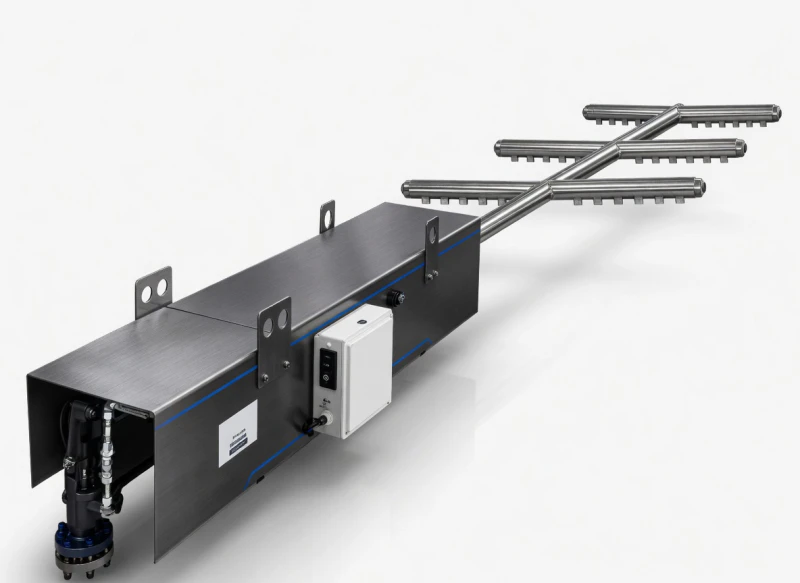
Figure 5 : Corne de soufflerie à résonance acoustique
6. Intégration complète de l'écosystème
L’obtention d’une conformité quasi nulle et stable dans les opérations de production de verre et de cokéfaction exige des capacités de production industrielle considérables et une intégration numérique irréprochable. BAOLAN se positionne comme un fournisseur environnemental complet, assurant la fabrication en interne de l’ensemble de l’écosystème architectural.
Avec une capacité de production annuelle dépassant cinquante mille tonnes, notre site de fabrication utilise le soudage robotisé automatisé et la découpe plasma CNC pour produire des enveloppes de réacteur parfaitement alignées et parfaitement étanches. Outre les structures en acier massif, nous fournissons l'ensemble des armoires électriques haute et basse tension nécessaires à l'automatisation complète du processus de purification.
Du dosage précis de l'ammoniac au déclenchement séquentiel des systèmes de nettoyage des suies, chaque composant est rigoureusement contrôlé par le système de management de la qualité ISO 9001. Ceci garantit que nos installations constituent une référence technique de pointe à l'échelle internationale pour les environnements industriels les plus exigeants au monde.
Élaborez dès aujourd'hui votre stratégie de survie industrielle.
L'ère du simple respect des réglementations de base est révolue. L'exploitation des verreries et des cokeries métallurgiques exige désormais des performances quasi-zéro émission. Ne laissez pas une contamination alcaline ou des blocages aérodynamiques catastrophiques compromettre la continuité de vos opérations. Exploitez la puissance inégalée de la technologie SCR BAOLAN série BL pour garantir une efficacité de dénitrification supérieure à 951 TP3T, grâce à une intégration amont avancée et une maintenance aérodynamique intelligente. Contactez dès aujourd'hui notre bureau d'études pour concevoir une architecture sur mesure à très faibles émissions pour votre installation.