The global steel and cement manufacturing sectors are the undisputed backbone of modern infrastructure. However, they also represent the most formidable environmental engineering challenges on the planet. Operating at extreme temperatures, these facilities process massive volumes of raw minerals, exhaling a highly toxic, abrasive, and complex mixture of Nitrogen Oxides, Sulfur Dioxide, and heavy particulate matter. As international environmental legislation shifts from basic regulatory compliance to absolute “Near-Zero” emission mandates, these heavy industries must undergo a fundamental “breathing” revolution. They can no longer simply filter their exhaust; they must operate as highly advanced chemical refineries, scrubbing every microscopic pollutant from the gas stream before it reaches the atmosphere. The BAOLAN BL-Series represents the ultimate architectural blueprint for this revolution. By seamlessly integrating mega-scale desulfurization, precision catalytic denitrification, and intelligent aerodynamic maintenance, the BL-Series transforms the heaviest industrial polluters into paragons of sustainable, near-zero emission manufacturing.
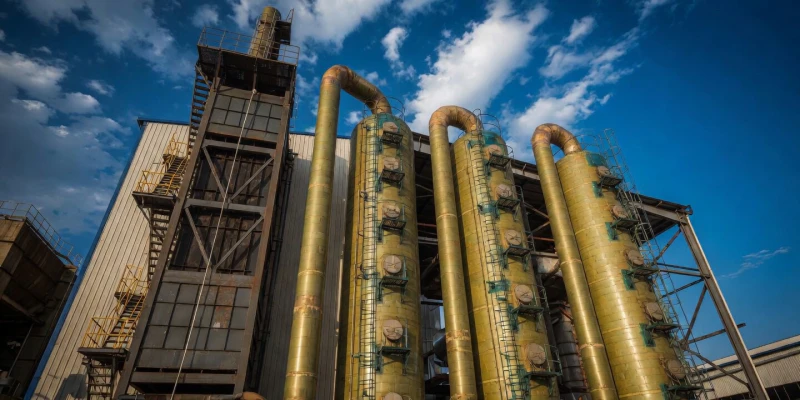
Figure 1: The BAOLAN BL-Series: Architecting the “Lungs” of the Modern Industrial Park
1. The Steel Industry: Taming the Volumetric Beast
In the metallurgical sector, the sheer scale of the exhaust stream is the primary antagonist. Modern steel plants, particularly the massive sintering and pelletizing lines, generate colossal volumes of flue gas—often exceeding two million cubic meters per hour. This gas is heavily saturated with Sulfur Dioxide generated from the combustion of iron ore and fossil fuels.
Mega-Capacity Desulfurization
To tame this volumetric beast and achieve near-zero sulfur emissions, BAOLAN deploys the BL-Series Limestone-Gypsum Flue Gas Desulfurization (FGD) architecture. By utilizing specialized counter-current absorption towers, high-purity limestone slurry is atomized into a dense, highly reactive mist. This liquid-phase mass transfer operates with such extreme kinetic efficiency that it easily handles fluctuating inlet sulfur concentrations of up to 5,000 milligrams per normal cubic meter, consistently crushing the outlet emissions down to below 35 milligrams.
Furthermore, the system does not merely destroy the pollutant; it metabolizes it. Through high-pressure forced oxidation driven by industrial Roots blowers, the toxic sulfur compounds are chemically metamorphosed into high-purity Calcium Sulfate Dihydrate. This byproduct is subsequently extracted, dewatered, and sold as construction-grade gypsum, generating a secondary revenue stream and closing the loop on the circular industrial economy.
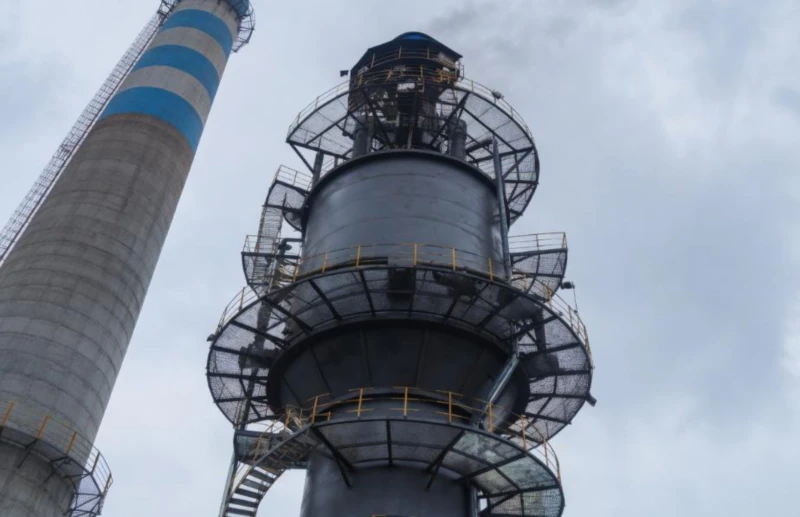
Figure 2: Mega-Scale Limestone-Gypsum Absorption Towers at a Steel Plant
2. Cement Kilns: Surviving the High-Dust, Alkaline Nightmare
Navigating Aerodynamic Asphyxiation
While the steel industry wrestles with massive volumetric flows, the cement manufacturing sector presents an entirely different breed of aerodynamic nightmare. The exhaust exiting a modern dry-process cement rotary kiln is saturated with extreme concentrations of dust. Crucially, this dust is highly alkaline, carrying massive amounts of calcium oxide and vaporized potassium compounds. If standard catalytic denitrification structures are deployed here, this sticky, basic dust will rapidly bridge across the catalyst channels, blinding the active chemical sites and causing severe aerodynamic asphyxiation.
The Structural Defense Strategy:
- Plate-Type Topologies: BAOLAN replaces standard honeycomb blocks with highly resilient Plate-Type Selective Catalytic Reduction (SCR) modules. Built upon rigid stainless steel mesh frameworks, these plates feature exceptionally wide physical pitch gaps that physically reject dust bridging.
- Vertical Downward Flow: The entire reactor housing is geometrically engineered for vertical, downward gas flow. The natural force of gravity, combined with the high-velocity flue gas, aggressively forces the heavy particulate matter to fall straight through the catalyst beds without settling.
- Specialized Formulations: The active catalytic paste is custom-engineered with proprietary substrate modifications specifically designed to resist long-term chemical poisoning from volatile alkali metals.
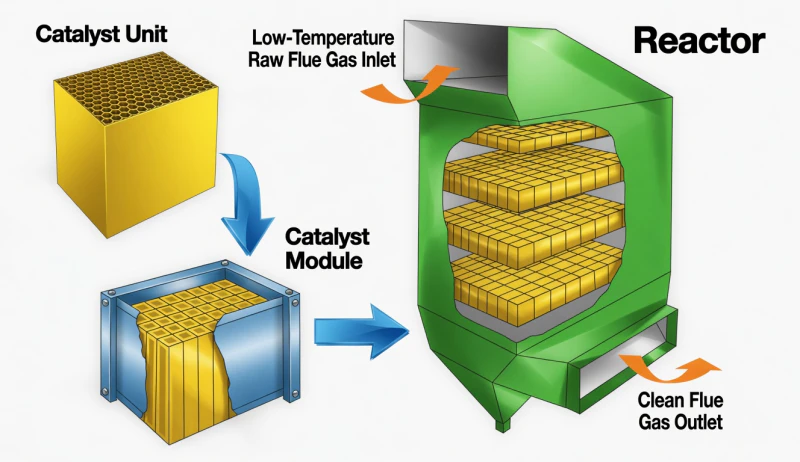
Figure 3: Vertical Flow Reactor Architecture Optimized for High-Dust Environments
3. Synergistic Multi-Pollutant Control
True near-zero compliance cannot be achieved by addressing pollutants in isolation. Heavy industry exhausts are complex cocktails. When Nitrogen Oxides and Sulfur Dioxides are treated, the facility must also manage the sub-micron particulate matter, sulfuric acid mist, and highly corrosive aerosols that form downstream as the flue gas temperature drops.
The Electrostatic Shield
To provide an uncompromising environmental shield, the BAOLAN BL-Series integrates advanced secondary purification technologies directly into the exhaust architecture. By placing ultra-high-efficiency Ionization Catchers and specialized wet electrostatic precipitators downstream of the primary desulfurization and denitrification units, the system aggressively attacks the final fractional percentages of pollution.
These electrostatic matrices utilize intense high-voltage fields to ionize and magnetically capture sub-micron particles, trace heavy metals, and invisible acid aerosols that standard mechanical baghouses simply cannot physically trap. This synergistic, multi-pollutant strategy is what ultimately eliminates the highly regulated “blue plume” effect, guaranteeing that the final stack emission is completely transparent and environmentally benign.
Sub-Micron Electrostatic Filtration
Eradicating Invisible Acid Aerosols
4. Protecting the Lungs: Automated Aerodynamic Maintenance
The Soot Blower Subsystem
Whether the industry is cement, steel, or glass, physical blockages remain a universal threat to near-zero compliance. When unreacted ammonia slips past the catalysts, it forms sticky ammonium bisulfate, trapping fly ash and plunging the system’s efficiency while simultaneously creating massive pressure drops that overload the facility’s electrical fans.
To guarantee the multi-year lifespan of the catalytic assets, BAOLAN integrates ultra-high-intensity acoustic and pneumatic steam Soot Blowers directly into the reactor housings. Operating on automated, highly sequenced PLC cycles, these sweeping mechanisms violently shatter dust bridges and strip away chemical deposits, ensuring the aerodynamic purity of the system remains absolute from day one to year ten.
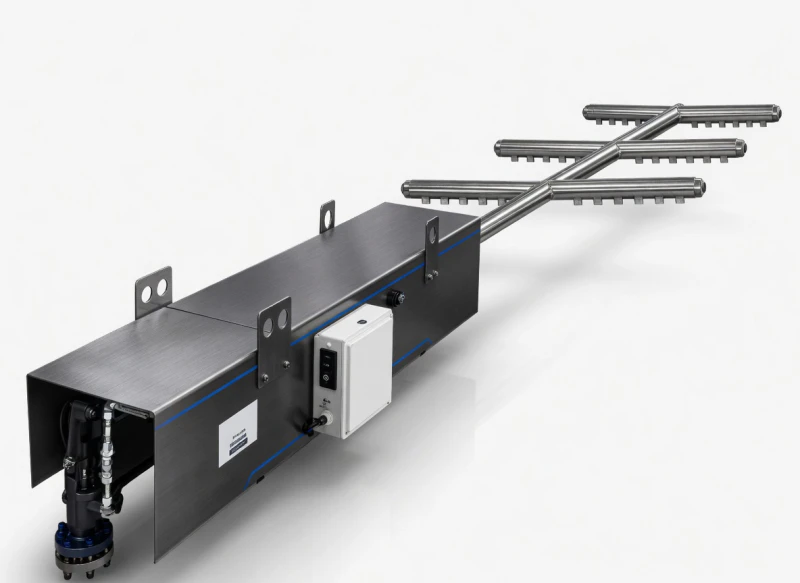
Figure 4: Automated Acoustic Resonance Cleaners Preserving Catalyst Micro-Pores
5. Heavy Manufacturing: The Turnkey Standard
Architecting the “lungs” of the modern heavy industrial park requires more than exceptional chemical engineering; it demands immense physical production capabilities and flawless digital integration.
Scale of Production
Our advanced manufacturing base boasts an annual production capacity exceeding fifty thousand tons of structural steel. Leveraging robotic automatic welding systems, precision CNC plasma cutting grids, and massive heavy-duty plate rolling machines, we fabricate monumental reactor housings that guarantee absolute zero-leakage structural integrity.
Intelligent Automation
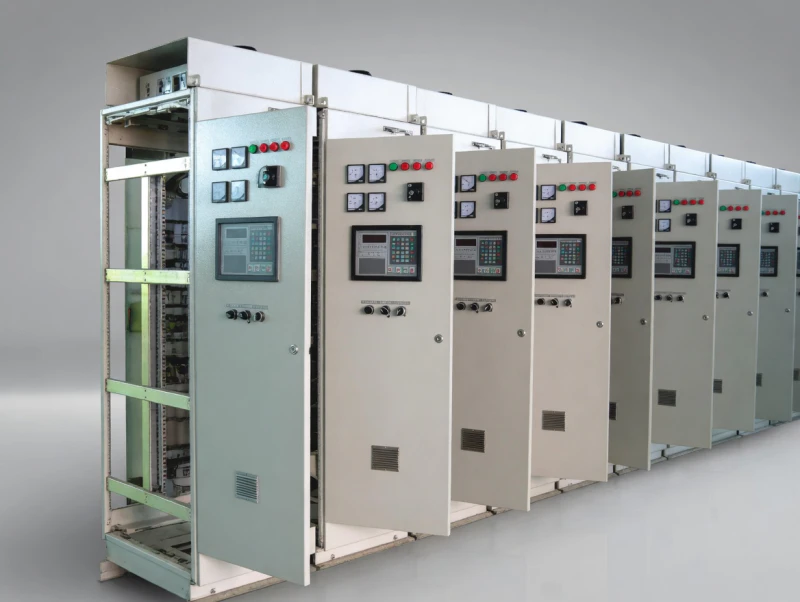
A chemical reactor cannot function without a highly sophisticated brain. BAOLAN delivers fully integrated electrical control modules, incorporating high and low voltage power cabinets. These advanced Programmable Logic Controllers orchestrate the ammonia metering, fluid distribution grids, and soot blowing arrays continuously in real-time.
Global Quality Assurance
Every component manufactured within our ecosystem is governed strictly by the rigorous protocols of the ISO9001 quality management system. From the high-pressure structural welds to the internal glass-flake anti-corrosion linings, we ensure that every system meets an internationally advanced level of operational safety.
Lead the Era of Near-Zero Heavy Manufacturing
The transition to Near-Zero emissions is no longer an environmental ideal; it is the absolute baseline requirement for operational survival in the modern steel and cement industries. Do not let outdated technology or compromised aerodynamic layouts threaten your multi-million dollar investments. Partner with BAOLAN EP INC. to implement an internationally recognized, turnkey emission control ecosystem. Contact our elite engineering division today to architect your facility’s customized purification roadmap.