Процесс высокоэффективной системы денитрификации
Комплексное освещение технологий денитрификации SNCR и SCR, включающее исследования и разработки, проектирование, бережливое производство, инженерно-монтажные работы и интеллектуальный ввод в эксплуатацию. Мы помогаем вашим промышленным печам без труда превзойти строгие экологические требования, от сверхнизких до практически нулевых выбросов.
Связаться с намиВведение в процесс системы денитрификации
Наша компания специализируется на предоставлении эффективных и надежных комплексных решений по денитрификации для очистки промышленных дымовых газов. Ассортимент нашей продукции включает системы денитрификации SNCR и SCR, объединяющие исследования и разработки, проектирование, бережливое производство, инженерно-монтажные работы и интеллектуальный ввод в эксплуатацию в рамках комплексного сервисного предложения.
Разработанная в ходе многочисленных проектов, наша серия BL зарекомендовала себя как технический эталон в сфере охраны окружающей среды. Благодаря непрерывной итерации и оптимизации, серия BL достигла передовых международных стандартов в области структурной рациональности, эксплуатационной стабильности и эффективности денитрификации, полностью соответствуя различным строгим требованиям к выбросам — от традиционных стандартов до сверхнизких и близких к нулю выбросов.
Благодаря глубокому техническому опыту, серия BL успешно применяется в ключевых отраслях промышленности, таких как металлургия, коксование, энергетика, металлургия, цементная промышленность и химическая промышленность. Мы являемся вашим надежным партнером в области решений для денитрификации.
Система денитрификации SNCR
Селективное некаталитическое восстановление (SNCR) — это хорошо отработанный, коммерчески доступный метод получения оксидов азота.х технология управления. Работает полностью без катализатораВ этой системе печь и дымоход используются непосредственно в качестве реактора, что приводит к относительно низким первоначальным инвестициям и значительному сокращению сроков строительства.
Вводя аминосодержащий восстановитель в определенную высокотемпературную зону, система расщепляет вредные оксиды азота на безвредный газообразный азот и водяной пар. SNCR — это идеальное и экономически выгодное решение для котлов малого и среднего размера, а также для проектов с традиционными целевыми показателями выбросов.
Принцип работы и реакции
Процесс SNCR основан на точном соблюдении температурного диапазона. от 850°C до 1050°CПри таких высоких температурах вводимый восстановитель быстро разлагается на аммиак, который избирательно реагирует с NO.х в дымовых газах.
Первичная реакция восстановления (NO)
Основная реакция нейтрализует оксид азота, превращая его в безвредный газообразный азот.
Вторичная реакция восстановления (NO)2)
Одновременно расщепляет диоксид азота, присутствующий в выхлопных газах.
Структура системы и модули
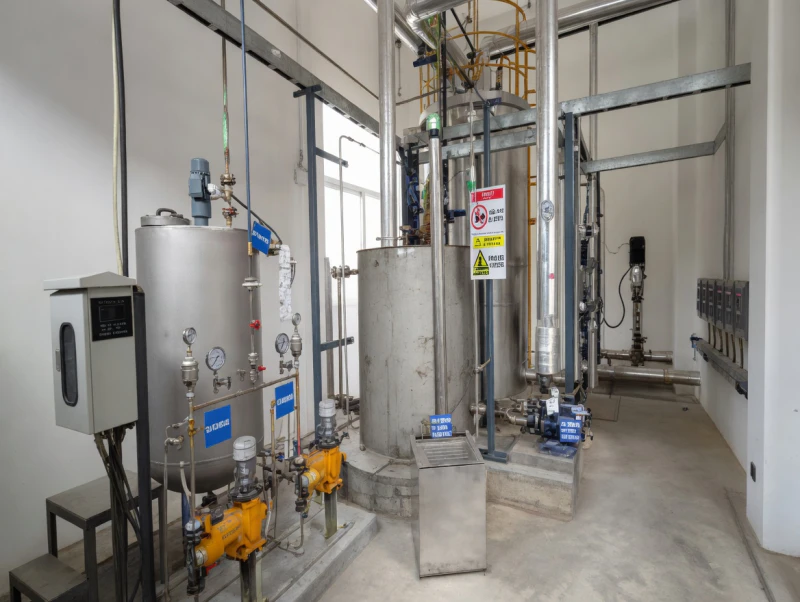
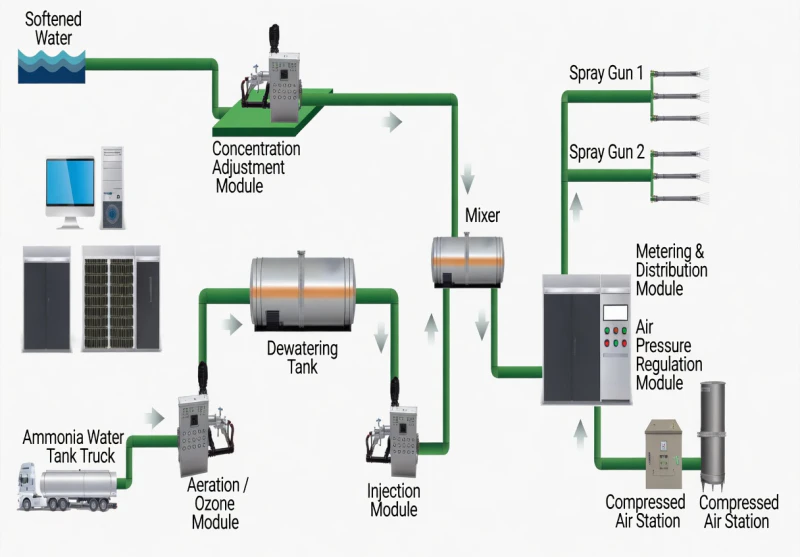
Грамотно спроектированная система SNCR требует точной подачи жидкости и интеллектуального управления для впрыскивания точного количества реагента в нужный температурный диапазон. Наш комплексный пакет «под ключ» включает в себя:
Готовы внедрить SNCR?
Свяжитесь с нашей инженерной командой сегодня, чтобы обсудить технические характеристики вашего котла, проанализировать температурные диапазоны и получить индивидуальную схему для вашей системы денитрификации SNCR.
Просмотреть подробные технические характеристики продуктаСистема денитрификации SCR
Селективное каталитическое восстановление (SCR) — это наиболее проверенная, передовая и широко используемая в мире технология для достижения сверхнизких выбросов оксидов азота (NOx).х выбросы. Использование специального катализатора в присутствии кислорода способствует восстановлению вредных оксидов азота до безвредного азота (N).2) и воды (H)2О).
Наши системы SCR гарантируют исключительно высокую эффективность денитрификации, часто превышающую первоначальные значения. 90% до 95%Они разработаны специально для самых сложных задач в тяжелой промышленности, включая массивные тепловые котлы, цементные печи, стеклодувные печи и коксовые заводы, где строгое соблюдение экологических норм является обязательным.
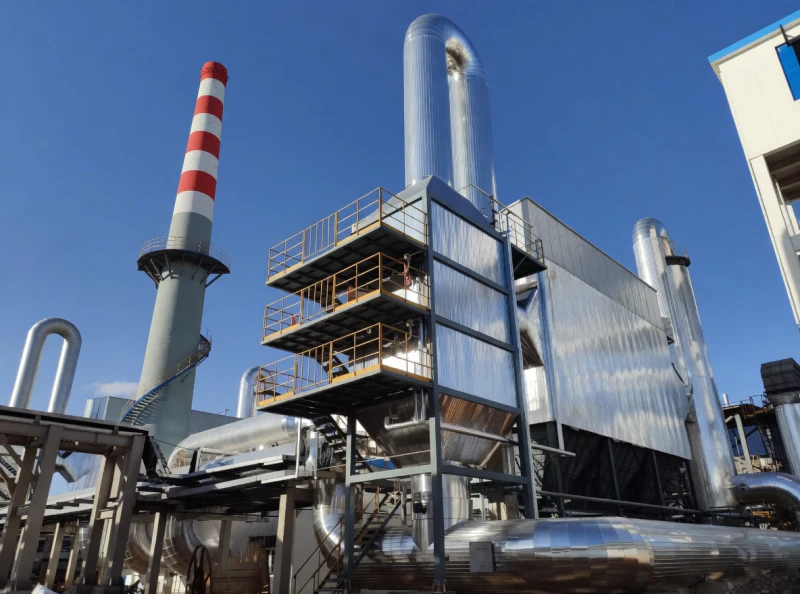
Реактор SCR
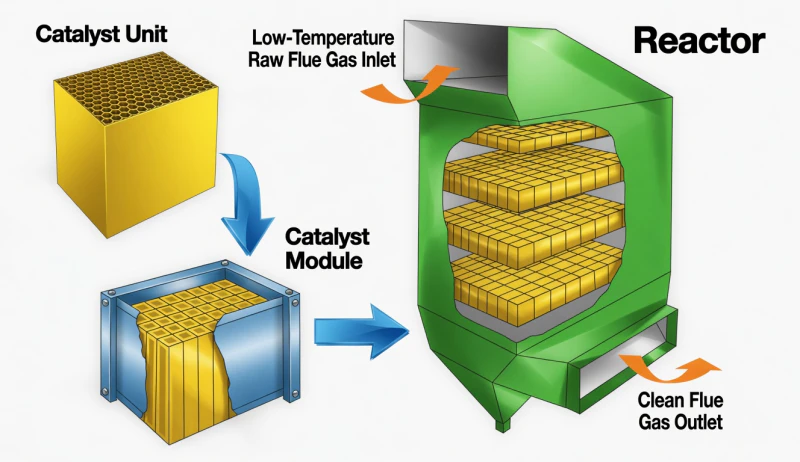
Он Реактор SCR Это абсолютно ключевое оборудование всей системы денитрификации дымовых газов. Его основная функция гораздо шире, чем просто размещение каталитических блоков; он обеспечивает именно ту физическую среду, которая необходима для протекания сложных реакций денитрификации.
Благодаря передовому моделированию с использованием вычислительной гидродинамики (CFD), наши реакторы спроектированы с особой тщательностью, чтобы гарантировать... Плавная динамика потока дымовых газов и высокоравномерное распределение газоаммиака.Это предотвращает локальный износ катализатора и утечку аммиака.
Принцип работы и реакции
Этот процесс называется «селективным», потому что под действием конкретного катализатора восстановитель (обычно аммиак или пиролизованная мочевина) преимущественно реагирует с NO.х вместо того, чтобы сгорать под воздействием обильного количества кислорода.2 в дымовых газах. Присутствие O.2 Он, по сути, незаменим, поскольку способствует реакции денитрификации.
Основные реакции денитрификации
Под действием катализатора аммиак быстро и эффективно восстанавливает NO и NO₂.2 В дымовых газах образуется совершенно безвредный газообразный азот и водяной пар.
Возможные побочные реакции
При резких колебаниях температуры или впрыскивании избытка аммиака (просачивание аммиака) могут происходить вторичные реакции, потенциально приводящие к образованию бисульфата аммония, который может загрязнять воздухоподогреватели.
Архитектура системы
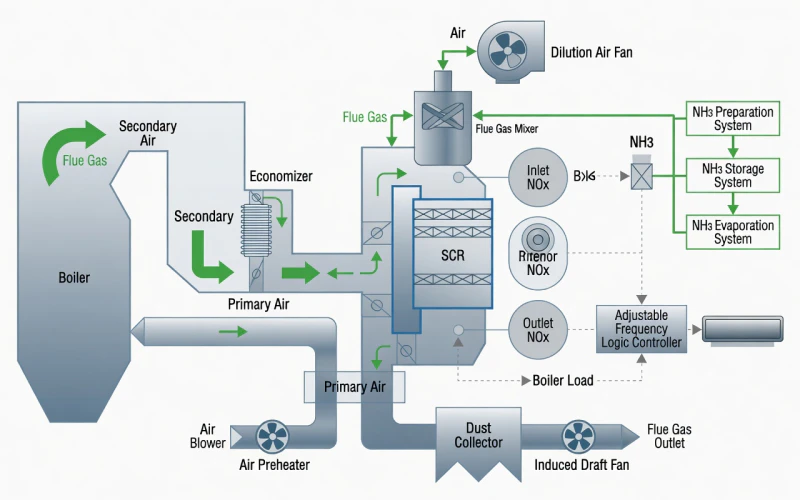
Высокоэффективная система SCR представляет собой сложную интеграцию гидродинамики, химической инженерии и интеллектуальной автоматизации. Наш комплексный пакет «под ключ» состоит из 7 основных промышленных модулей:
Добейтесь сверхнизких выбросов уже сегодня!
Предоставьте технические характеристики вашего котла, температуру дымовых газов и целевой уровень выбросов NO.х уровни. Наши инженеры разработают высокоиндивидуальную схему SCR и проведут анализ объема катализатора.
Посмотреть полные технические характеристики продуктаВыбор катализаторов SCR
Катализатор — это активная среда, которая обеспечивает восстановление NO.хМы предлагаем катализаторы, разработанные с высокой точностью и адаптированные к конкретным условиям дымовых газов, пылеобразованию и температурному режиму.
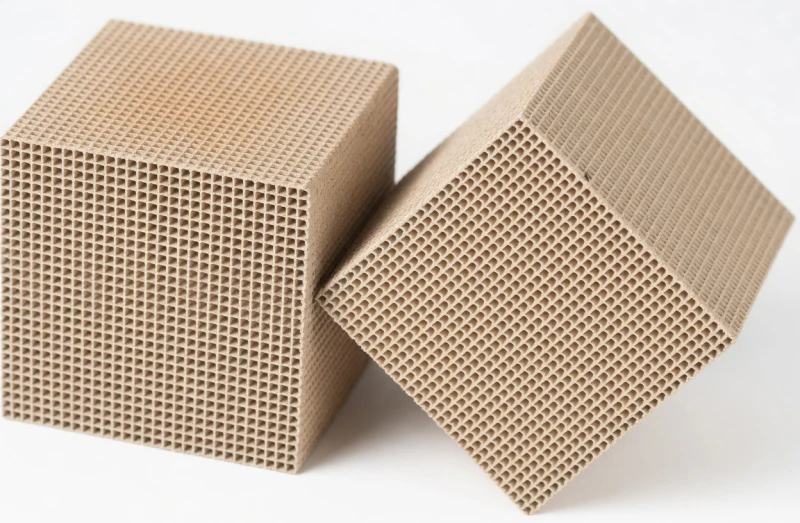
Сотовый катализатор
Высокая доля рынка: Обладает огромной удельной поверхностью. При одинаковых параметрах, обеспечивает меньший объем и меньший вес, а также очень широкий спектр применения. Активные вещества входят в состав как внутренних, так и наружных фильтрующих материалов.
Пластинчатый катализатор
Эффективная защита от засорения: Обладает меньшей удельной поверхностью, что приводит к большему объему, но особенно эффективен в условиях высокой запыленности. Имеет внутренний металлический каркас, покрытый активными веществами. Примечание: Склонна к скоплению пыли в зазорах корзины и коррозии краев сетки.
Катализатор в виде гофрированной пластины
Нишевое приложение (<5% Share): Сверхлегкий, со средней площадью поверхности. Обладает относительно низкой износостойкостью и склонен к накоплению пыли в зазорах. Рекомендуется исключительно для чистых газовых силовых установок.
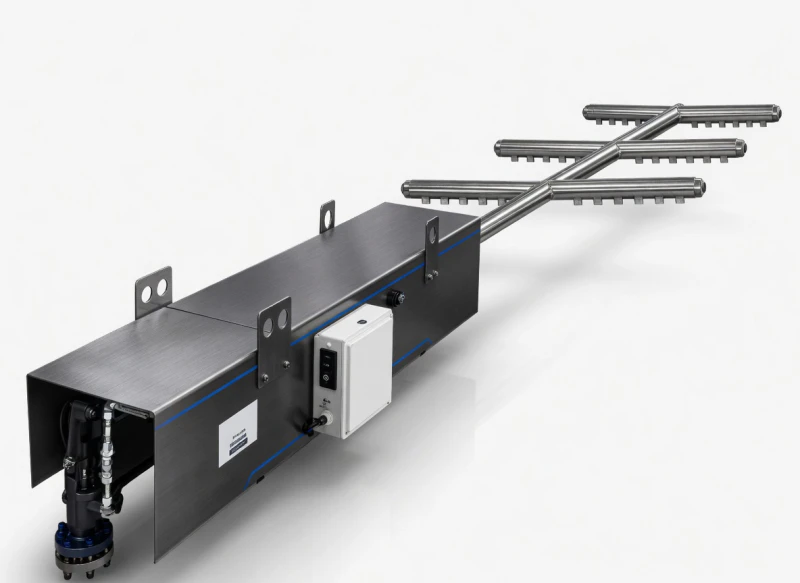
Система продувки сажей
Непрерывная работа SCR-реактора в условиях сильной запыленности обеспечивается сажеочистителем. Используя звуковые волны или пар под давлением, он поддерживает аэродинамическую целостность и химическую активность каталитических блоков.
Удаление зольных отложений
С помощью мощного сдувания удаляются летучая зола, пыль и липкие соли аммония с поверхности и из пор катализатора, предотвращая его сильное засорение.
Обеспечение эффективности
Обеспечивает равномерное прохождение дымовых газов через каналы катализатора, предотвращая снижение эффективности денитрификации, вызванное засорением золой.
Снижение системного сопротивления
Предотвращает чрезмерные перепады давления в дымоходе и реакторе, активно снижая паразитное энергопотребление вентилятора принудительной тяги.
Защитите катализатор
Предотвращая накопление золы, он снижает долговременный износ и химическое отравление, значительно продлевая срок службы и окупаемость инвестиций в катализатор.
Идеальное производственное оборудование
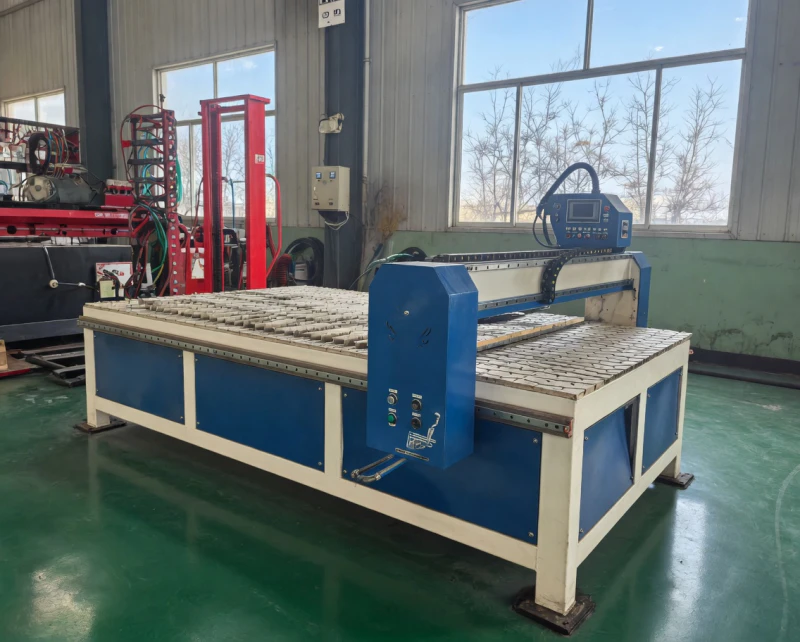
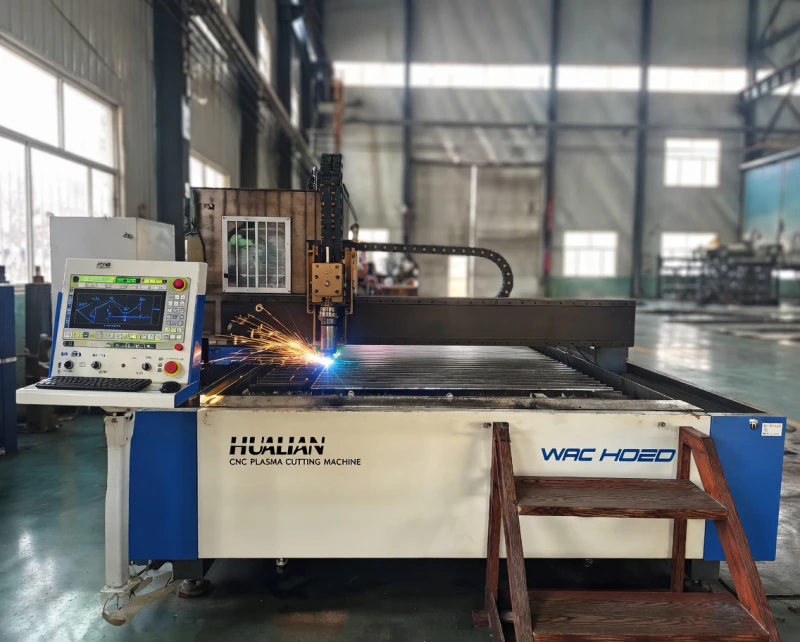
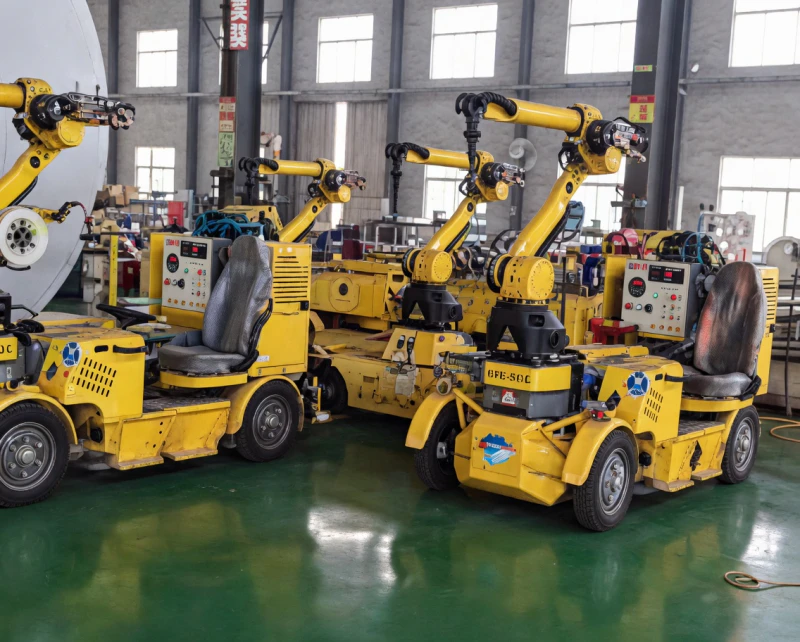
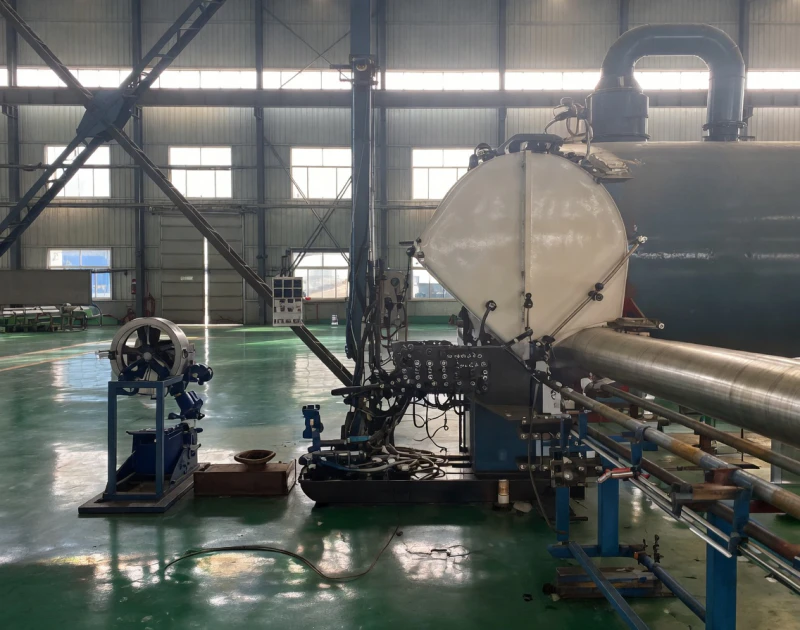
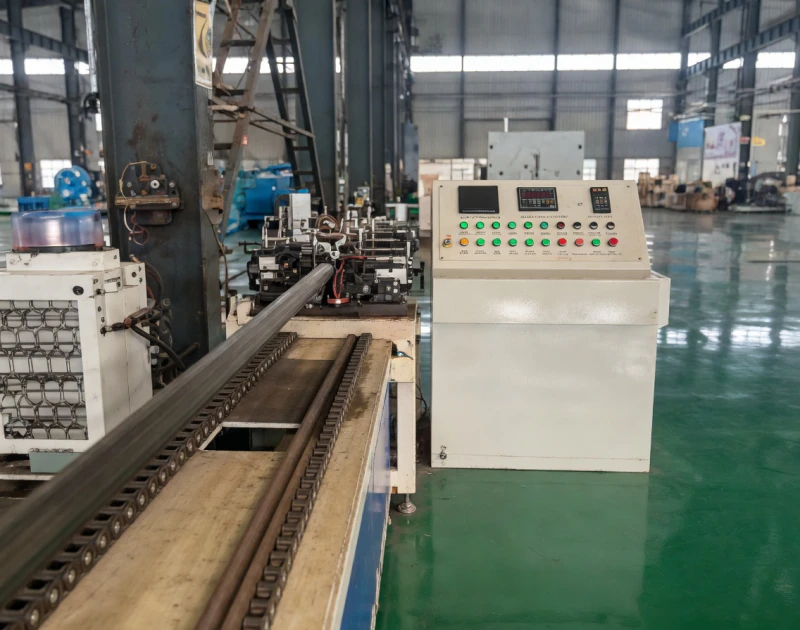
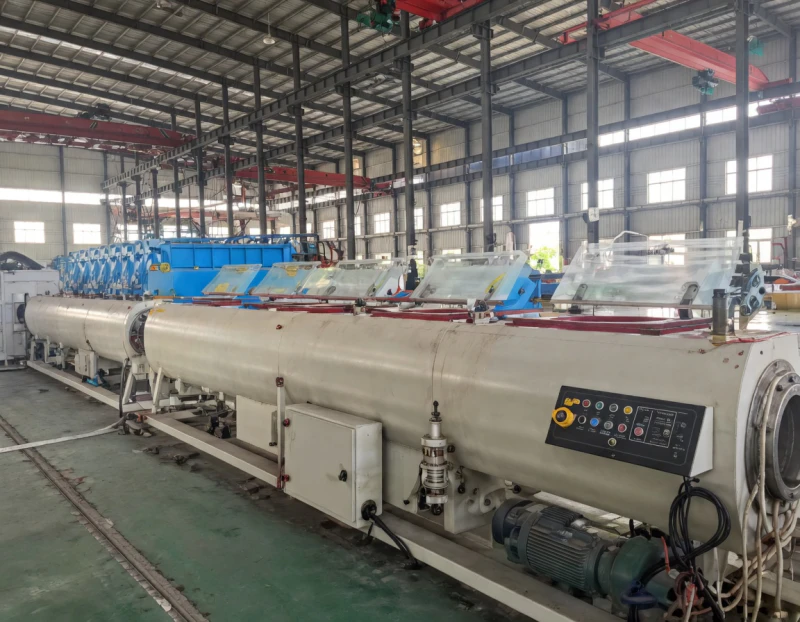
Как интегрированный поставщик, специализирующийся на исследованиях, разработках и производстве оборудования для систем защиты окружающей среды, мы можем похвастаться годовой производственной мощностью, превышающей 50 000 тонн. Мы оснащены специализированными производственными линиями для полярных пластин и разрядных электродов пылеулавливающего оборудования, а также крупногабаритными кромкооблицовочными и листогибочными станками для изготовления кольцевых балок, что полностью отвечает требованиям серийного производства.
Строго придерживаясь системы управления ISO9001, мы обеспечиваем высокое качество нашей продукции, занимая лидирующие позиции в отрасли.
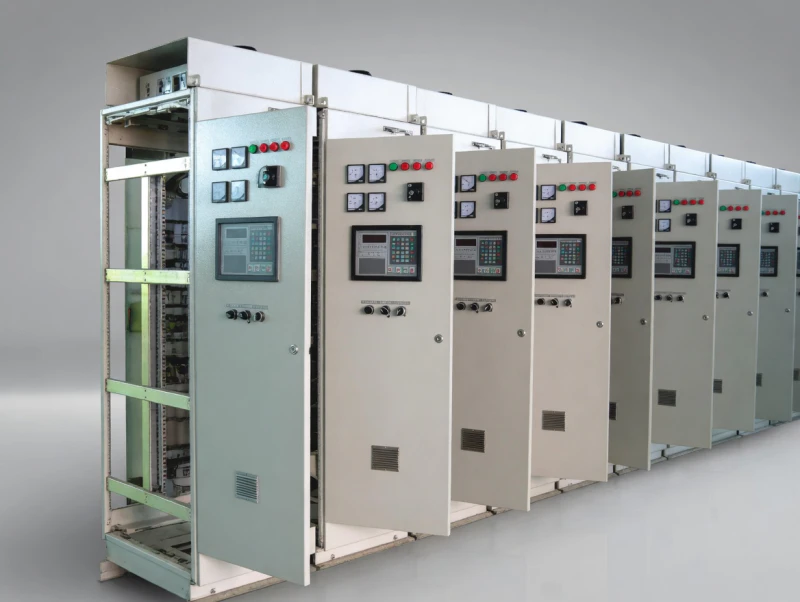
Системы управления и контрольно-измерительные приборы
Наша компания поставляет полный комплект электротехнического оборудования, контрольно-измерительных приборов и комплектующих для высоковольтных и низковольтных систем электропитания и управления, необходимых для процессов электрической денитрификации.
Какая система подходит для вашего предприятия?
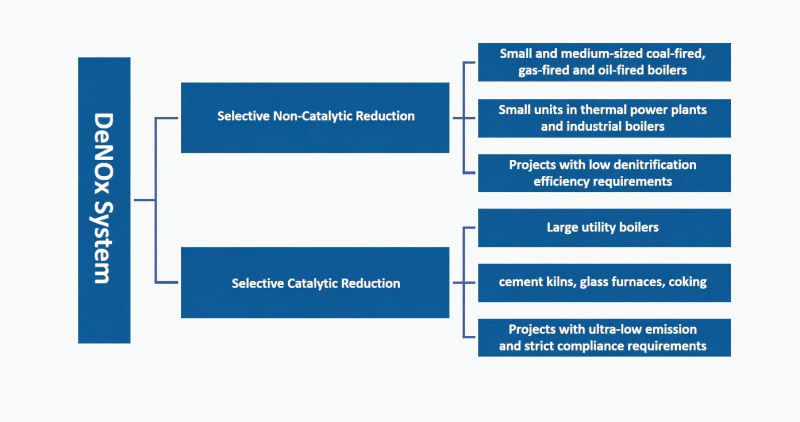
Выбор между селективным некаталитическим восстановлением (SNCR) и селективным каталитическим восстановлением (SCR) полностью зависит от местных норм выбросов, размера котла и бюджета. Воспользуйтесь нашим руководством ниже, чтобы найти идеальный вариант.
Выберите SNCR, если...
Экономичный и компактный- ✔ Вы работаете от малого до среднего размера Котлы, работающие на угле, газе или мазуте.
- ✔ Вашему предприятию достаточно соответствовать следующим требованиям. общепринятый или умеренные требования к денитрификации.
- ✔ У вас ограниченное пространство на площадке, и вы не можете установить массивный внешний реактор.
- ✔ Вам необходимы более низкие первоначальные капитальные затраты (CapEx) и быстрый цикл строительства.
Выберите SCR, если...
Сверхнизкий уровень выбросов- ✔ Вы работаете большие тепловые котлыцементные печи, стеклодувные печи или коксовые заводы.
- ✔ Вы обязаны достичь сверхнизкий или стандарты выбросов, близкие к нулю.
- ✔ Вам требуется гарантированное НЕТх эффективность удаления более 90%.
- ✔ У вас есть бюджет и инфраструктура для размещения автономного каталитического реактора.
| Метрика оценки | Система SNCR | Система SCR |
|---|---|---|
| Эффективность денитрификации | 30% - 60% (Типичное поле) | > 90% (Сверхнизкий) |
| Диапазон температур реакции | Высокая температура (850°C - 1050°C) | Умеренный (зависит от катализатора) |
| Необходим катализатор? | Нет | Да (соты, тарелка и т. д.) |
| Системный охват | Очень маленький (использует существующую печь) | Большой (требует отдельного реактора) |
| Первоначальные инвестиции (капитальные затраты) | Низкий | Высокий |
| Строительный цикл | Короткий | Относительно длинный |
Комплексные поставки и проектирование «под ключ».
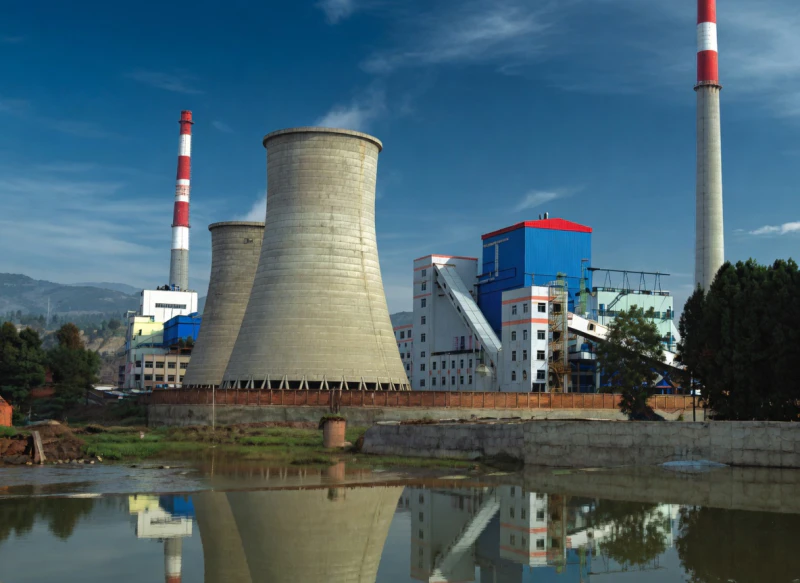
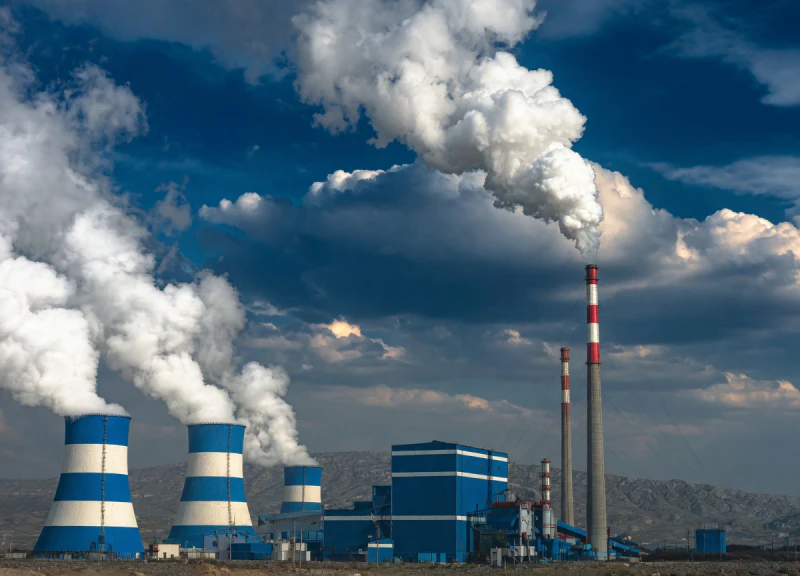
Опираясь на собственные исследования и разработки, непрерывные технологические инновации и широкое китайско-иностранное стратегическое сотрудничество, наша компания с 2000 года предоставляет комплексные интегрированные решения в области поставок. 2000.
Благодаря слаженной совместной работе наших специализированных подразделений — Департамента комплексного инженерного оборудования, Департамента комплексного цементного оборудования, Департамента металлургического проектирования и Департамента международного бизнеса — мы успешно реализуем сложные инженерные проекты по всему миру.
В наш ассортимент продукции входят:
- ✓ Различные передовые системы денитрификации и комплексные системы контроля загрязнения воздуха.
- ✓ Зарубежные инженерные проекты по поставке комплектного оборудования для малых и средних электростанций, цементных заводов и металлургических предприятий.
Что говорят наши партнеры
Не верьте нам на слово. Узнайте от лидеров отрасли, которые благодаря нашим интегрированным решениям трансформировали свои системы соблюдения экологических норм и повысили эффективность своей деятельности.
«Мы сотрудничали с ними в рамках комплексной модернизации системы денитрификации SCR на нашей главной тепловой электростанции. Уровень инженерной интеграции и их способность предоставить полный комплект электрооборудования управления были выдающимися. С момента ввода в эксплуатацию наша система NOх Уровень выбросов неизменно оставался значительно ниже целевых показателей сверхнизкого уровня выбросов без каких-либо существенных проблем с превышением допустимых норм выбросов аммиака.
Майкл К.
Директор электростанции, производство электроэнергии«Их отдел международного бизнеса обеспечил абсолютно бесперебойный процесс закупок за рубежом. Они поставили для нашего цементного завода высокоспециализированную систему SNCR, включающую в себя все, от разгрузочных модулей до интеллектуальных контрольно-измерительных приборов. Прочная конструкция и надежная работа их оборудования значительно повысили стабильность нашей работы».