BLSCR1W / 230W Series SCR Denitrification System
Achieve >95% NOx removal with the BLSCR1W Series SCR Denitrification System. A cost-effective, high-efficiency DeNOx solution for industrial boilers and kilns.
这 BLSCR1W/230W Series Selective Catalytic Reduction (SCR) System is engineered for heavy-duty industrial flue gas denitrification. As global emission standards transition toward "Near-Zero" requirements, this series provides the most reliable pathway to compliance. By utilizing premium vanadium-tungsten-titanium catalysts and high-precision ammonia injection arrays, it achieves a nitrogen oxide (NOx) removal efficiency exceeding 95%–98%, even under fluctuating boiler loads and complex gas compositions.
Global Engineering Alternative:
The BLSCR1W series is designed as a direct technical peer to high-end systems from Siemens, Alstom (GE), Babcock & Wilcox (B&W), and Mitsubishi (MHPS). It matches their catalytic performance and automation precision while offering significantly lower lifecycle costs and faster localized technical support.
2. Comprehensive Technical Specifications
High-accuracy operational ranges for industrial-scale utility and process applications.
| 参数项 | Performance Specification | 单元 |
|---|---|---|
| 处理气量 | 10,000 - 2,300,000 | 立方米/小时 |
| Reaction Temperature | 180 - 420 (High/Low Temp Compatible) | 摄氏度 |
| Denitrification Efficiency | ≥ 95% (Peak up to 98.5%) | % |
| Ammonia Slip at Outlet | ≤ 3 (Guaranteed) | ppm |
| Catalyst Pitch | 4.5 - 9.2 (Customizable) | mm |
| 所以2/SO3 Conversion | ≤ 1% | % |
3. Scientific Working Principle
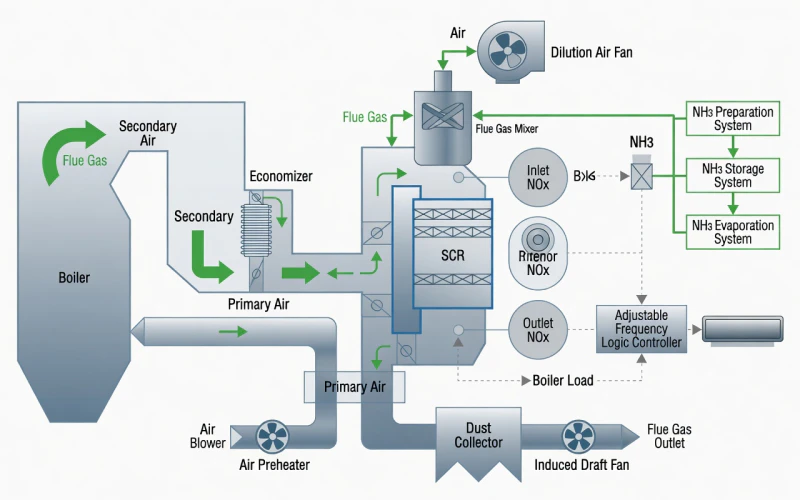
SCR technology utilizes a specialized catalytic bed to lower the activation energy required for the reduction of nitrogen oxides. In this process, a reducing agent—typically Ammonia (NH3) or Pyrolyzed Urea—is injected into the flue gas stream upstream of the reactor. As the mixture passes through the honeycomb or plate catalyst beds, the NOx molecules selectively react with the ammonia on the catalyst's active sites. The result is a total conversion into harmless atmospheric nitrogen (N2)和水蒸气(H2O).
The presence of Oxygen (O2) is vital as it acts as a co-reactant, significantly accelerating the reaction kinetics. Furthermore, the system is designed to minimize side reactions, such as the oxidation of SO2 to SO3, protecting downstream equipment from Ammonium Bisulfate (ABS) fouling.
Main Reduction (4:4:1 Ratio):
4NO + 4NH3 + O2 → 4N2 + 6H2哦
High-Speed NO2 Reduction:
6NO2 + 8NH3 → 7N2 + 12H2哦
4. Core Engineering Advantages
Industrial-strength DeNOx performance designed for the harshest utility environments.
Ultra-High NOx Conversion
Standard removal efficiency exceeding 95%. This enables power plants to drop inlet NOx levels from 800mg/Nm³ to under 30mg/Nm³, achieving absolute compliance with global Tier IV and "Ultra-Low" mandates.
Precise Stoichiometric Control
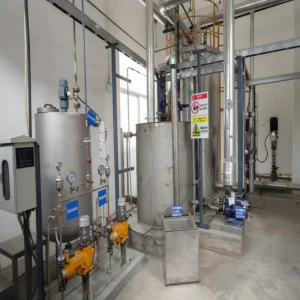
Our integrated Ammonia Injection Grid (AIG) features independent valve-level control. Combined with CFD modeling, this ensures a perfectly uniform NH3/NOx ratio, keeping ammonia slip consistently under 3ppm.
Catalyst Lifecycle Maximization
Advanced reactor geometry prevents the formation of large ash deposits. Using plate or honeycomb structures with optimized pitch sizes ensures DeNOx performance remains stable for over 3 years without replacement.
5. The SCR Reactor: Core Structure
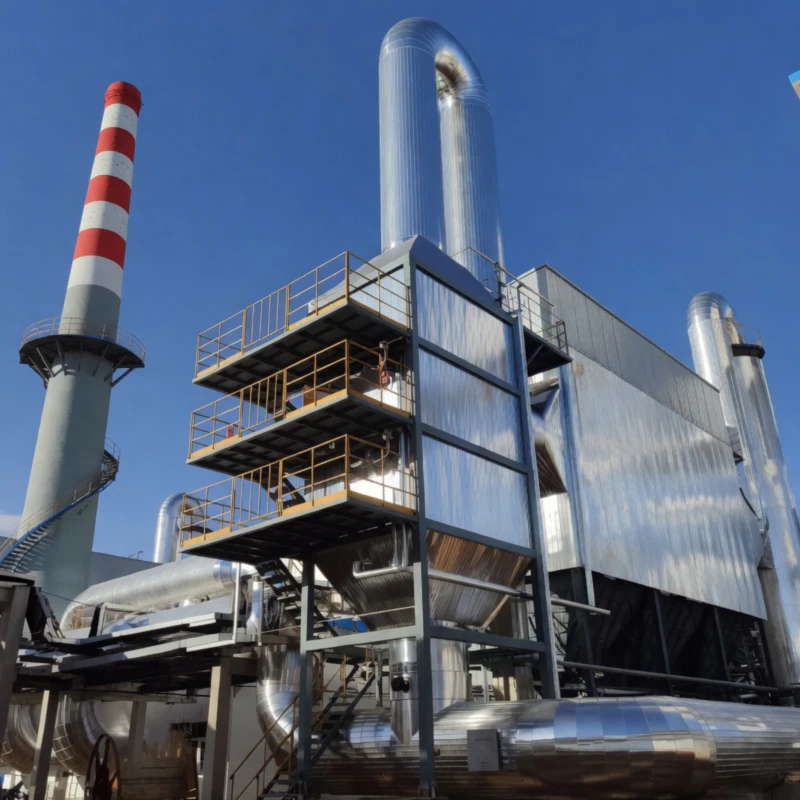
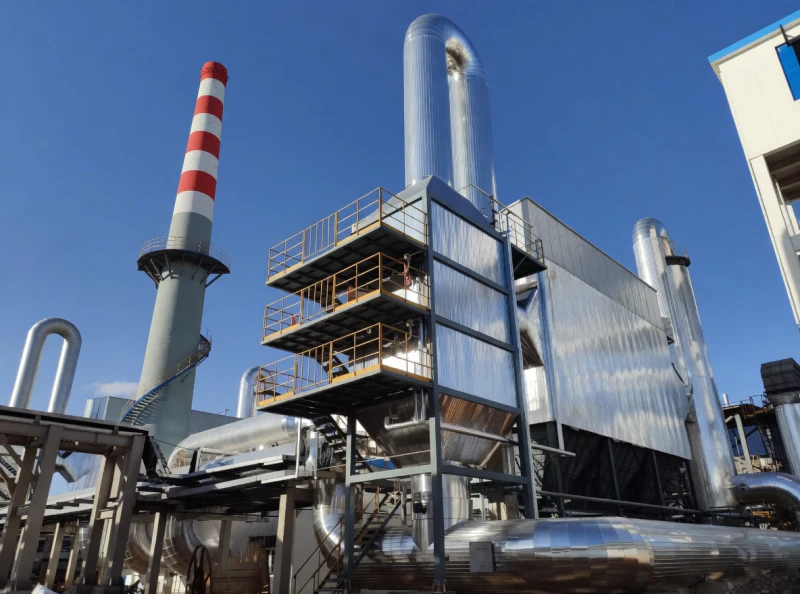
The SCR Reactor is the engine room of the system. Our designs incorporate sophisticated static mixers and guide vanes to ensure a Flow Uniformity (CV) of < 10%. This prevents localized catalyst wear and ammonia slip, maximizing the reaction surface area utilized in every layer.
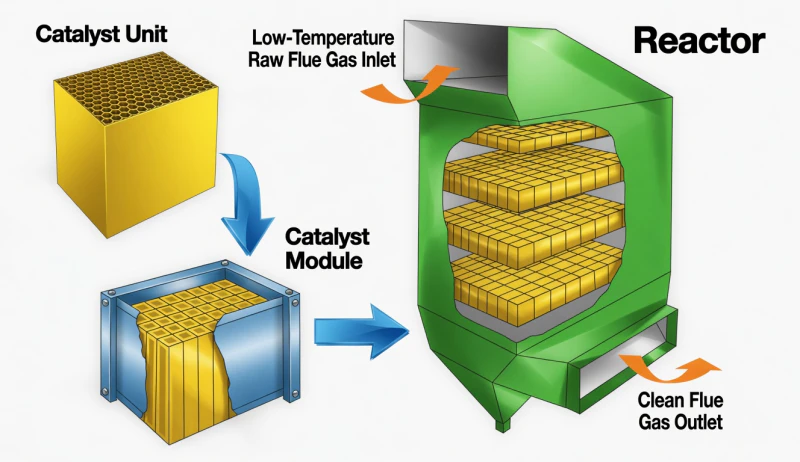
Technical Diagram: Multi-Layer SCR Housing
To protect the catalyst from physical blinding in high-ash coal-fired or cement kiln applications, we integrate high-energy Sonic or Steam Soot Blowers. These units operate automatically based on reactor pressure-drop (Delta-P) feedback, keeping catalyst pores clear for optimal gas contact.
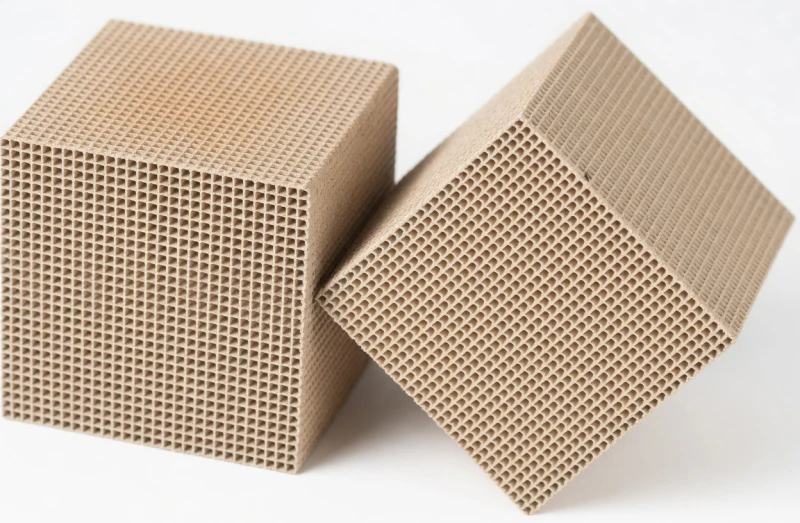
Advanced DeNOx Catalyst Modules
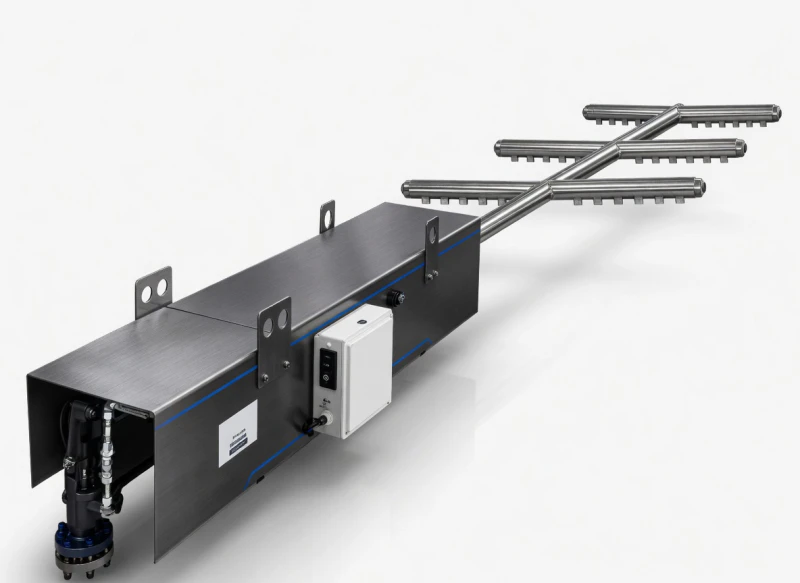
Protective Soot Blowing System
6. Control & Instrumentation
A fully integrated electrical architecture designed for autonomous, 24/7 compliance.
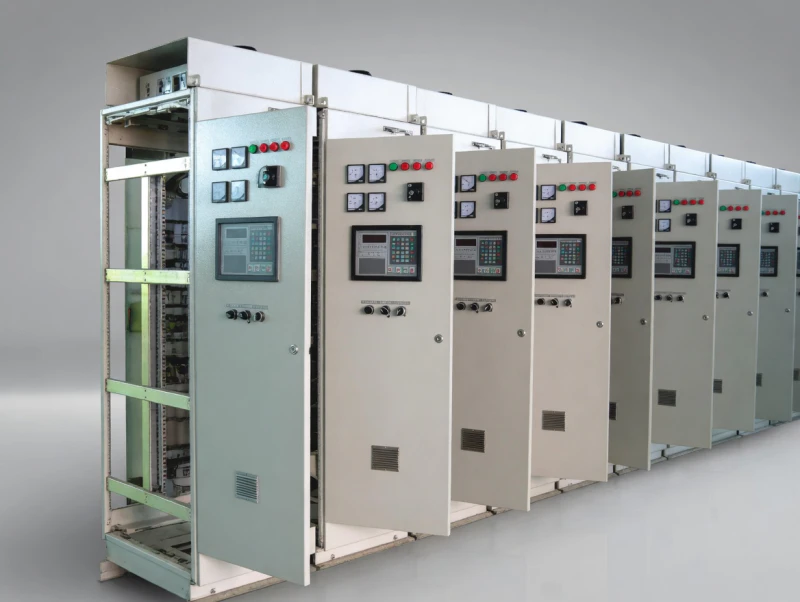
- • Predictive PID Dosing: Constantly calculates inlet NOx spikes to inject the exact stoichiometric amount of ammonia water or urea solution, preventing reagent waste.
- • Full DCS Connectivity: Supports Ethernet/IP, Modbus TCP, and Profibus for seamless communication with your plant’s main control room.
- • Automated Compliance Reporting: Logs NOx reduction performance and ammonia slip levels in real-time for environmental auditing and regulatory proof.
7. Typical Application Scenarios
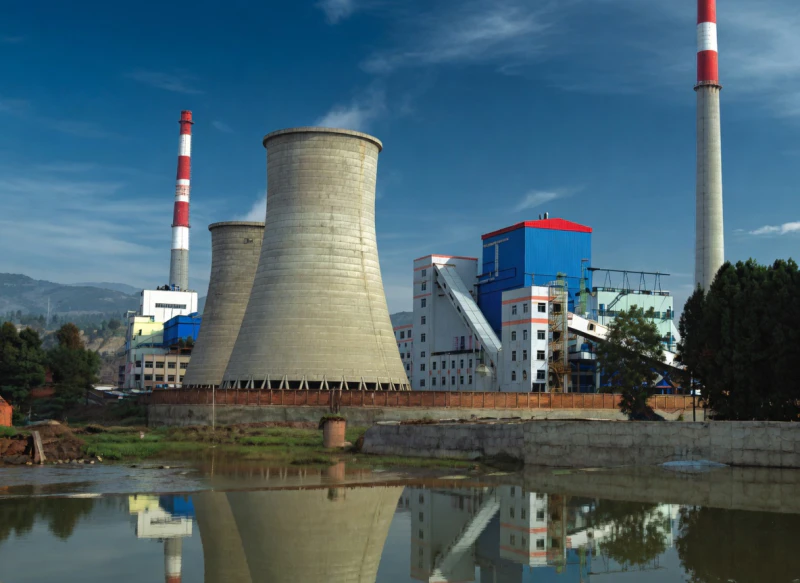
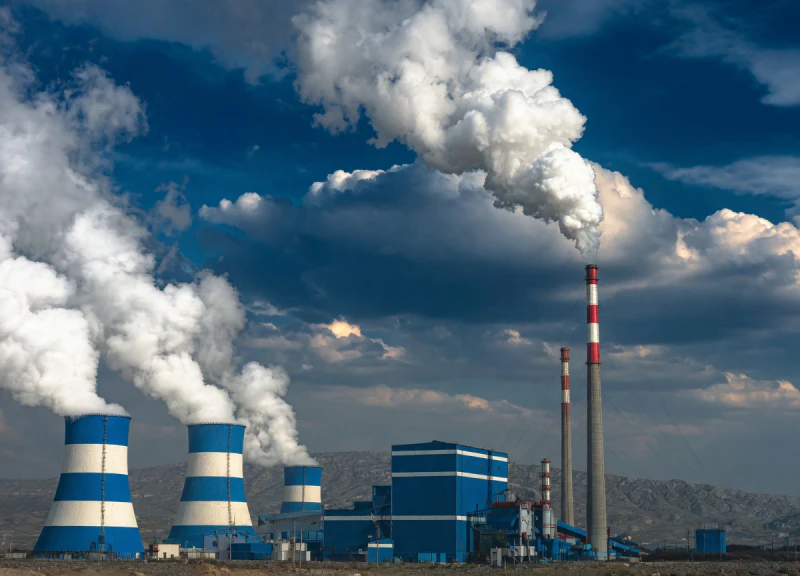
The BLSCR1W/230W Series is the definitive choice for industries facing massive exhaust volumes and complex particulate matter. From 600MW Utility Power Units to 10,000tpd Cement Production Lines, our systems operate reliably where lower-tier retrofits fail. It is essentially immune to the high-dust poisoning that blurs standard SCR performance, ensuring your plant stays online and 100% compliant.
8. Market Benchmarking & ROI
Technical Comparison Notice: All references to international premium brands (Alstom, B&W, MHPS) are provided strictly for technical benchmarking, engineering capacity comparisons, and to assist customers in their procurement selection process. We deliver independently engineered BLSCR systems that meet or exceed these global performance specifications at a highly optimized capital cost (CapEx) and operational cost (OpEx).
| 评估指标 | Our BLSCR1W Series | Western Tier-1 SCR | Budget Retrofits |
|---|---|---|---|
| 氮氧化物减排 | ≥ 95% (Stable) | ≥ 95% | 85% - 90% |
| Initial CapEx | Optimized ROI | 极高 | 缓和 |
| Ammonia Slip Control | ≤ 3 ppm | ≤ 3 ppm | > 5 ppm |
| Catalyst Durability | Superior | 出色的 | 贫穷的 |
9. Quality Certification & Global EPC Service
Trust-certified manufacturing with a 50,000-ton annual production capacity.
As an ISO 9001:2015 certified manufacturer, we oversee the entire value chain. From the initial CFD aerodynamics simulation and reactor vessel fabrication to on-site installation and final intelligent PLC commissioning, our engineering team manages every technical detail. Our International Business Department ensures seamless logistics and technical supervisor dispatch for projects spanning five continents, guaranteeing that your DeNOx investment performs according to the initial blueprint.
10. 常见问题解答 (FAQ)
1. Why should we choose SCR over SNCR for our cement kiln?
While SNCR is cost-effective, its reduction efficiency is limited to 40-70%. If your regional environmental standards require NOx levels below 50mg/Nm³ or 100mg/Nm³, an SCR system is mandatory. SCR also features much tighter control over ammonia slip, preventing downstream ABS fouling of preheaters.
2. How do you prevent catalyst blinding in high-dust coal-fired boilers?
We utilize large-pitch Plate-type Catalysts specifically engineered for high-particulate gas. These are paired with high-energy Sonic Soot Blowers that operate at frequencies designed to oscillate ash off the catalyst surface before it can harden or blind the channels.
3. What is the impact of sulfur (SO2) on the SCR catalyst?
High sulfur can lead to the formation of SO3, which reacts with ammonia slip to form sticky Ammonium Bisulfate (ABS). Our catalysts are formulated with specific Tungsten (W) and Vanadium (V) ratios to suppress SO2/SO3 oxidation to < 1%, effectively preventing ABS deposits.
4. Can the SCR system be retrofitted into existing plants with space constraints?
Yes. We offer "Tail-End" or "High-Dust" configurations. If space at the boiler outlet is restricted, we can design the reactor in a vertical or horizontal layout, or utilize low-temperature catalysts to place the reactor downstream of the baghouse filter.
5. What is the typical lead time for a 500,000 m³/h capacity system?
Engineering and CFD modeling typically take 4-6 weeks. Fabrication of the reactor and control modules takes 12-16 weeks. Shipping and on-site erection times vary by geography, but a typical turnkey handover occurs within 6-8 months.
6. Does your system come with an automated NOx analyzer feedback loop?
Absolutely. All BLSCR1W systems include a high-precision PLC control suite that integrates with your CEMS (Continuous Emissions Monitoring System). It uses feed-forward PID logic to adjust reagent dosing in milliseconds as the gas volume or inlet NOx spikes.
7. How do we ensure even gas distribution across the catalyst bed?
We use 3D CFD (Computational Fluid Dynamics) modeling of your plant's specific flue duct architecture. This allows us to design internal guide plates and baffles that ensure gas velocity and NOx concentration reach a uniformity coefficient of ≥ 0.9 before entering the catalyst bed.
8. What is the expected pressure drop (static resistance) of the reactor?
Depending on the number of catalyst layers (standard 2+1 layout) and catalyst type, the pressure drop ranges from 600 to 1200 Pa. This is significantly lower than standard fabric filters and is accounted for during the ID fan specification stage.
9. Is the system compatible with low-load boiler operation (below 40% load)?
Yes. By using a "Flue Gas Bypass" or a "Duct Burner," we can maintain the catalyst reaction temperature window during low-load periods, ensuring your facility remains in compliance regardless of the power generation demand.
10. Do you provide spare parts and catalyst regeneration services?
Yes. We maintain a full inventory of lances, valves, and PLC modules. Furthermore, we offer catalyst activity testing and chemical regeneration services, which can restore deactivated catalysts to 90%+ of their original performance at half the cost of buying new modules.
Ready to Achieve Near-Zero Emissions?
Partner with our environmental engineering experts for a full technical audit, CFD gas flow simulation, and a custom-designed SCR solution tailored to your plant architecture.