Metallurgical Industry Solutions
Achieving Ultra-Low Emissions Across Sintering, Blast Furnace, and Steelmaking Operations
Advanced dust collection and emission control solutions engineered for iron ore sintering, blast furnace operations, electric arc furnace steelmaking, and secondary refining processes. With proven performance across 280+ integrated steel plants and iron facilities worldwide, delivering comprehensive technology to meet stringent environmental standards while optimizing production efficiency and maintaining product quality. Integrated technology platforms achieve outlet emissions as low as 10-20 mg/Nm³ consistently across variable ore composition, fuel types, and operating conditions.
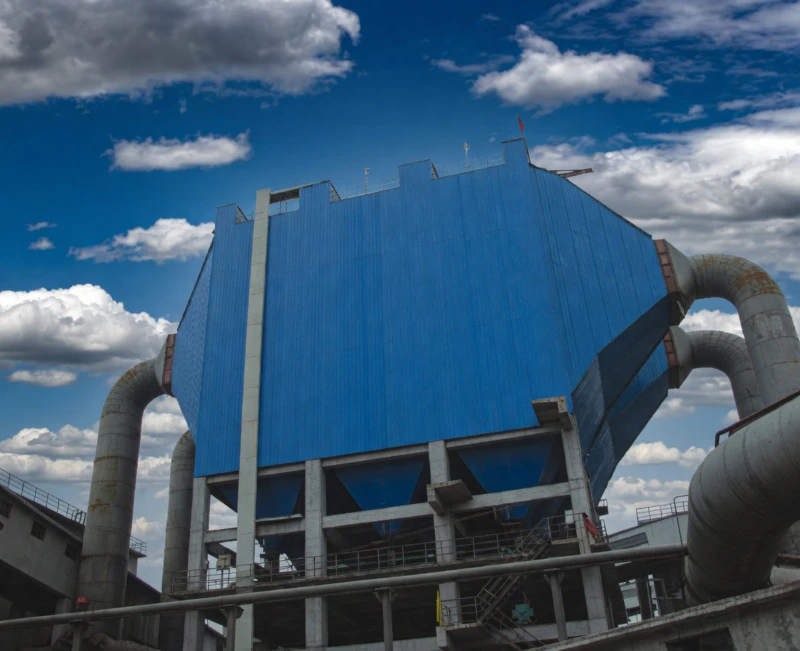
The Metallurgical Industry Faces Exceptional Dust Control and Environmental Compliance Challenges
The metallurgical industry—producing steel, iron, and nonferrous metals essential for global manufacturing—operates at the intersection of extraordinary technical complexity and severe environmental regulatory pressure. Iron ore sintering, the foundational process converting raw ore into feedstock for blast furnaces, generates among the most challenging dust streams in any industrial sector. Sintering machines process tens of millions of tons of iron ore annually, employing combustion temperatures exceeding 1200°C within massive traveling grates that generate voluminous flue gas laden with particulate matter. This sintering dust presents exceptional challenges: extremely fine particles (often below 1 micron), variable composition depending on ore source and additives, high sticky ash content tending to agglomerate and clog collection equipment, and corrosive constituents including sulfur compounds and chloride salts that attack traditional materials.
The Dust Challenge in Metallurgical Operations
Steel and iron production generates dust at numerous critical points: sintering machines produce sintering dust at inlet concentrations exceeding 500 g/Nm³; blast furnaces discharge hot, abrasive furnace dust from multiple points along the shaft; electric arc furnace steelmaking generates fine, chemically heterogeneous dust from melting of recycled scrap; secondary refining (ladle furnaces, vacuum treatment) produces additional specialized dust streams. Unlike power generation where coal combustion produces relatively consistent ash characteristics, metallurgical dust varies dramatically based on ore source, flux additives, fuel selection, recycled scrap composition, and operational parameters. Chinese iron ore sintering produces distinctly different dust properties compared to Australian, Indian, or Brazilian ore. The presence of moisture and stickiness in sintering dust—absent from coal ash—creates unique agglomeration challenges. Traditional electrostatic precipitators and baghouse collectors designed for power applications often fail catastrophically when exposed to metallurgical dust without specialized adaptations.
Environmental Regulatory Requirements
China’s GB28665 Iron Smelting Sintering Emission Standard mandates that sintering machine head emissions not exceed 200 mg/Nm³ and sintering machine tail emissions not exceed 50 mg/Nm³. Similar or stricter standards apply in the European Union, Japan, South Korea, and increasingly throughout Asia as environmental consciousness rises. These regulations reflect growing scientific understanding of health impacts from metallurgical dust—containing iron oxides, silica, heavy metals including lead and cadmium, and carcinogenic compounds. Non-compliance results in facility shutdown, substantial fines, and operational disruption for steel producers who cannot meet deadlines for automotive, construction, and infrastructure customers. Many existing sintering facilities built decades ago operate with outdated emission control equipment, creating both environmental liability and competitive disadvantage for upgrading operators competing against uncontrolled facilities in less-regulated jurisdictions.
The Path Forward: Successful steel producers achieve regulatory compliance while maintaining economic viability through integrated emission control solutions specifically engineered for metallurgical applications. Advanced systems combine proven electrostatic precipitator technology with specialized adaptations for sticky sintering dust, high-temperature operation, and corrosive constituents. These engineered solutions enable consistent achievement of 10-20 mg/Nm³ outlet emissions—well below regulatory limits—while optimizing sintering efficiency and maintaining product quality.
Critical Emission Control Points in Sintering and Iron Production
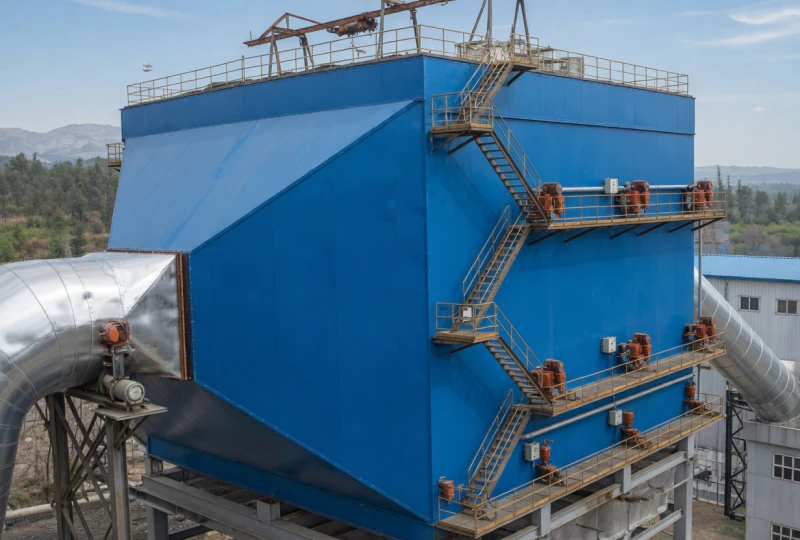
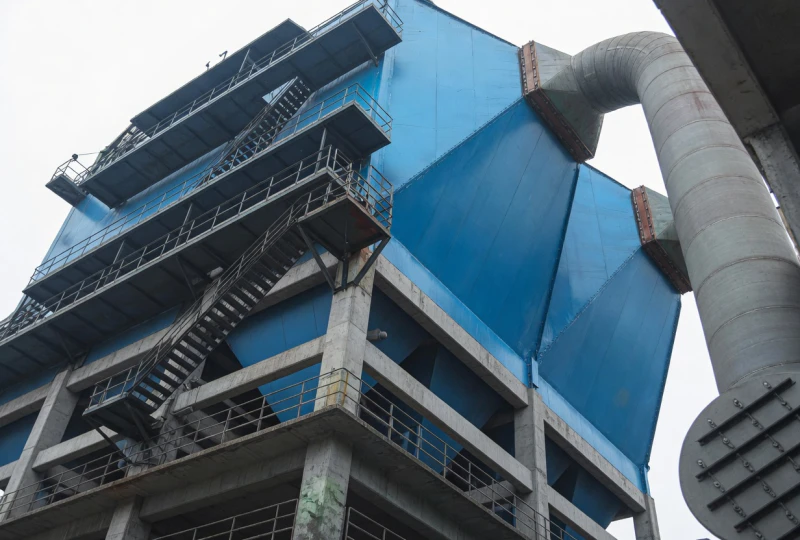
Proven Applications Across Integrated Steel Mills and Iron Production
Comprehensive Performance Data for Metallurgical Applications
| Parameter | Sintering Head | Sintering Tail | Blast Furnace |
|---|---|---|---|
| Gas Volume (m³/h) | 50k-500k | 40k-400k | 30k-350k |
| Temperature (°C) | 180-220 | 60-100 | 150-300 |
| Inlet Dust (g/Nm³) | 300-500 | 50-200 | 100-400 |
| Outlet (mg/Nm³) | <50 | <50 | <50 |
| Removal Efficiency (%) | ≥99% | ≥99% | ≥98% |
| Pressure Drop (Pa) | 600-1,200 | 500-1,000 | 700-1,400 |
Specialized Component Technology for Metallurgical Dust
Metallurgical dust presents extraordinary challenges requiring specialized materials and designs unavailable in standard industrial equipment. The sticky, agglomerating nature of sintering dust demands electrode configurations preventing buildup and bridging. High corrosion potential from sulfur compounds and chloride salts necessitates advanced stainless steel and coating systems far exceeding power plant requirements. Temperature cycling from 180°C in sintering head to 60°C in cooled tail gas creates thermal stress demanding flexible coupling designs and thermal compensation systems.
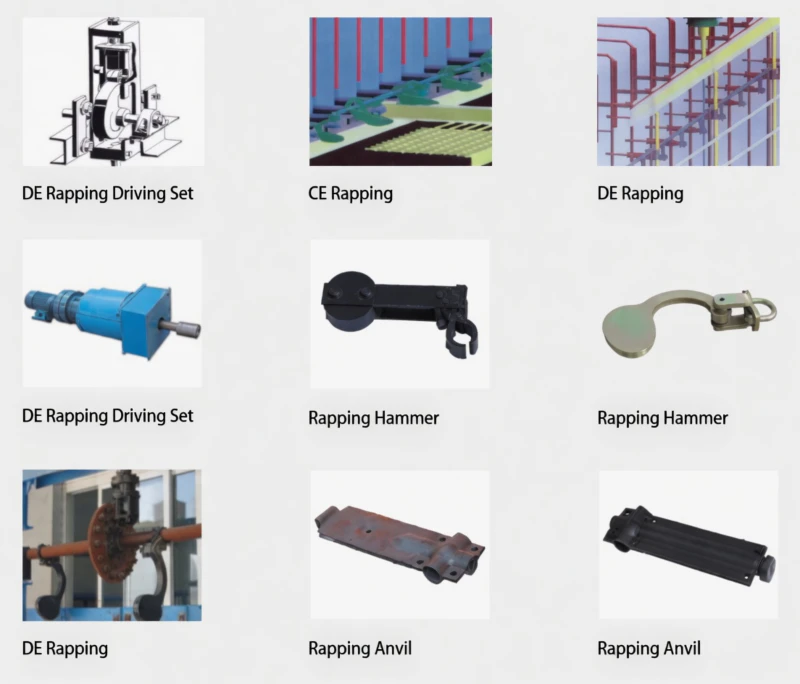
Advanced rapping systems represent a critical differentiator. Electromagnetically-driven mechanical hammers with optimized frequency and intensity prevent electrode blinding that plagues standard systems handling sintering dust. Specialized discharge electrode designs with optimized corona generation maximize charging efficiency for the variable particle size distribution in metallurgical dust. Collecting plate geometry incorporates wider spacing to prevent bridging while maintaining electrical field strength. Multi-stage collection chambers enable selective operation, reducing electrical stress on early-stage electrodes that bear the heaviest dust loading.
Filter Media and Support Structures
Baghouse collectors employed in EAF and some sintering tail applications require specialized filter media engineered for metallurgical dust. Aramid fibers provide high-temperature capability and excellent chemical resistance to acidic sintering fumes. PTFE provides superior hydrophobic properties and maximum reusability—critical for sintering dust which rapidly degrades conventional polyester media. Support cages manufactured from stainless steel withstand corrosive environment without degradation. Advanced three-point suspension systems accommodate thermal expansion and contraction. Automatic cleaning systems employ pulse-jet mechanisms optimized for sticky dust, preventing cake formation that destroys conventional baghouse performance.
.webp)
Specialized Maintenance for Metallurgical Emission Control Systems