Industrial NOx Reduction Experts:
Advanced DeNOx Engineering
Purification efficiency exceeds 95 percent. Empowering power plants, cement kilns, and chemical facilities to achieve ultra-low emission compliance under EU BREF and the Netherlands NeR (Nederlandse Emissie Richtlijn) standards.
Why Industrial NOx Emissions Demand Professional Treatment
Chemical Complexity of NOx
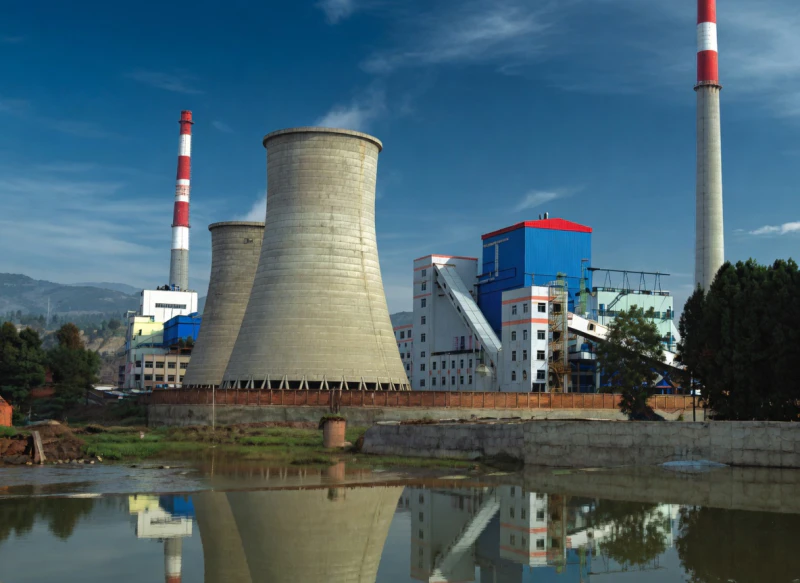
Nitrogen Oxides (mainly NO and NO2) are primary combustion byproducts. These compounds are precursors to ground-level ozone, acid rain, and fine particulate matter (PM2.5), posing significant risks to both public health and ecosystem stability.
The Regulatory "Hard Line"
In the Netherlands, emission limits are becoming increasingly stringent. Industrial operators must adhere to the NeR (Nederlandse Emissie Richtlijn) and Activiteitenbesluit, alongside EU BREF directives, which mandate ultra-low NOx concentrations for power plants and chemical facilities.
The Business Risk
Non-compliance leads to severe financial penalties and potential revocation of operating permits. Implementing a professional DeNOx solution is not just an environmental choice, but a critical strategy for long-term operational security and corporate sustainability.
Technology Path: SCR vs. SNCR
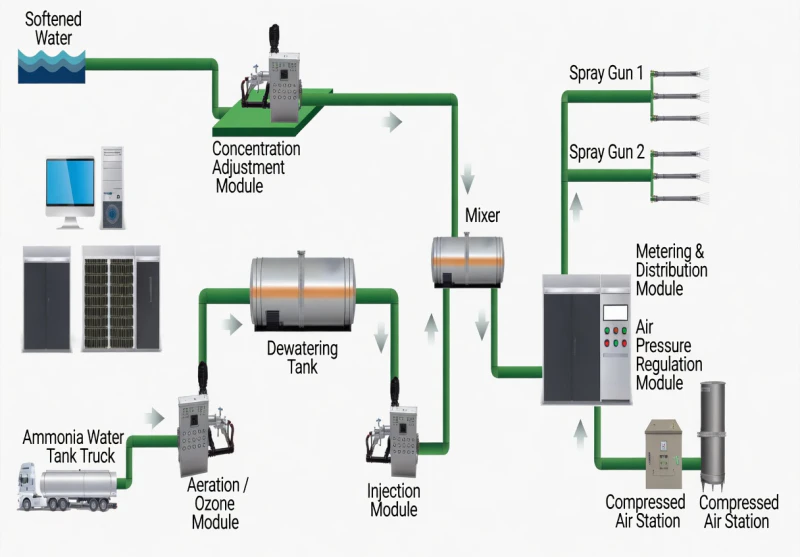
SNCR: Selective Non-Catalytic Reduction
SNCR technology achieves NOx reduction by injecting ammonia or urea directly into the boiler furnace at very high temperatures. It relies entirely on the high temperature window to drive the chemical kinetics without the need for a catalyst. It is often utilized in retrofits where space is limited or lower efficiency targets (under Dutch general rules) are acceptable.
- NOx Removal Efficiency 30% – 70%
- Operating Temp. Window 850°C – 1100°C
- Catalyst Required None
- Initial Investment Lower
SCR: Selective Catalytic Reduction
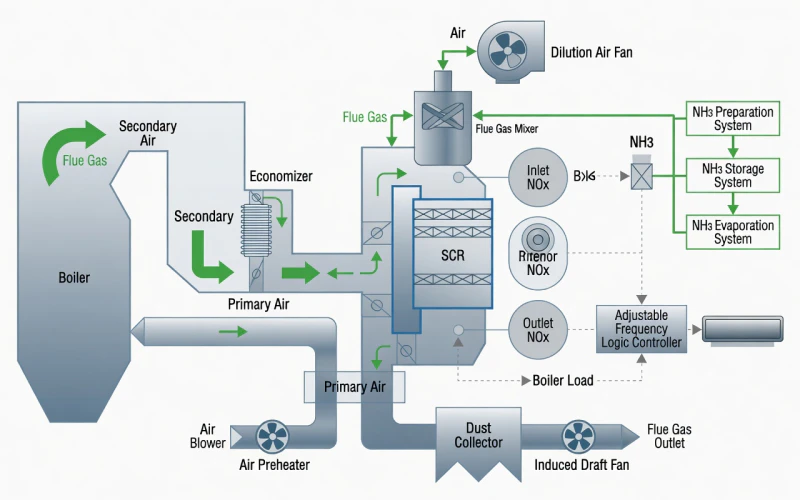
SCR is the definitive solution for high-efficiency NOx removal. It utilizes specialized honeycomb or plate catalysts to facilitate the reduction reaction at lower temperatures. This process irrevocably converts NOx into harmless N2 and H2O. It is the industrial standard for meeting the Netherlands' stringent NeR ultra-low emission targets in demanding sectors.
- NOx Removal Efficiency 90% – 98%
- Operating Temp. Window 300°C – 420°C typical
- Catalyst Required Yes (Vanadium/Titanium)
- Initial Investment Higher
Proven DeNOx Performance
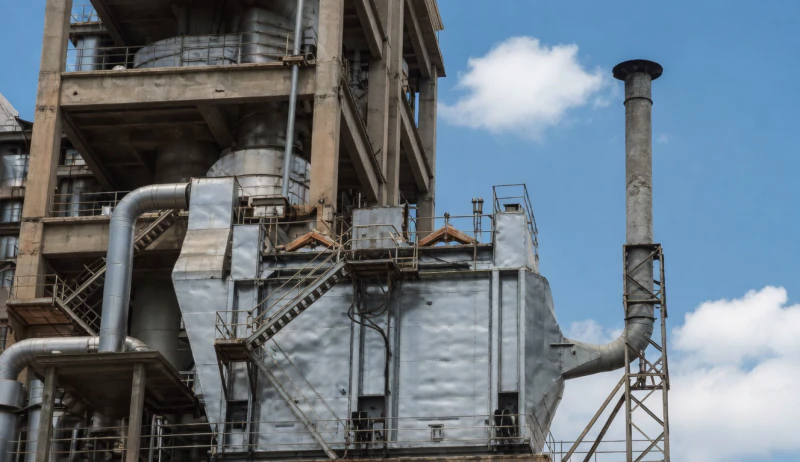
Large-Scale Combustion Control
Ensuring absolute compliance for coal and gas-fired utility boilers. Our high-efficiency SCR designs manage massive flue gas volumes, achieving 95 percent NOx reduction while maintaining strict control over ammonia slip to protect downstream equipment.
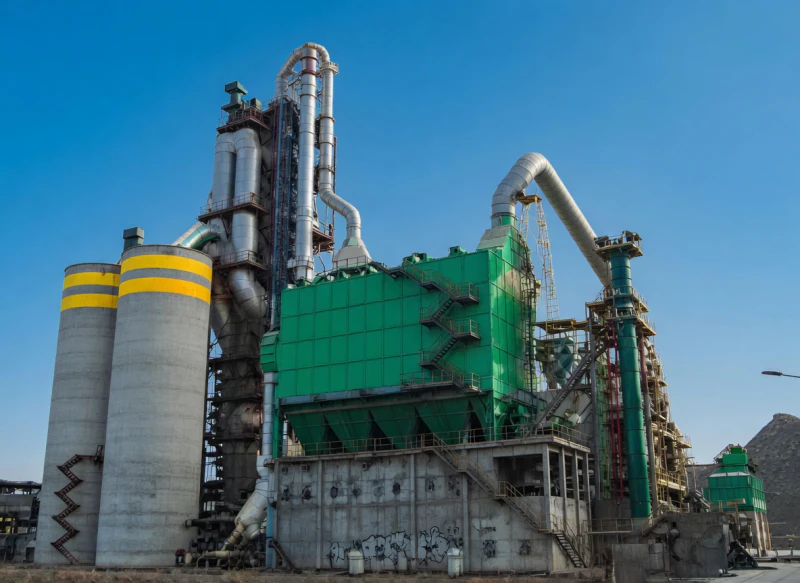
Cement Kilns & Glass Furnaces
Addressing the challenges of high-temperature and high-particulate exhaust. We deploy advanced SNCR systems with multi-point injection logic to ensure stable denitrification across variable kiln loads, meeting the Netherlands NeR boundary standards.
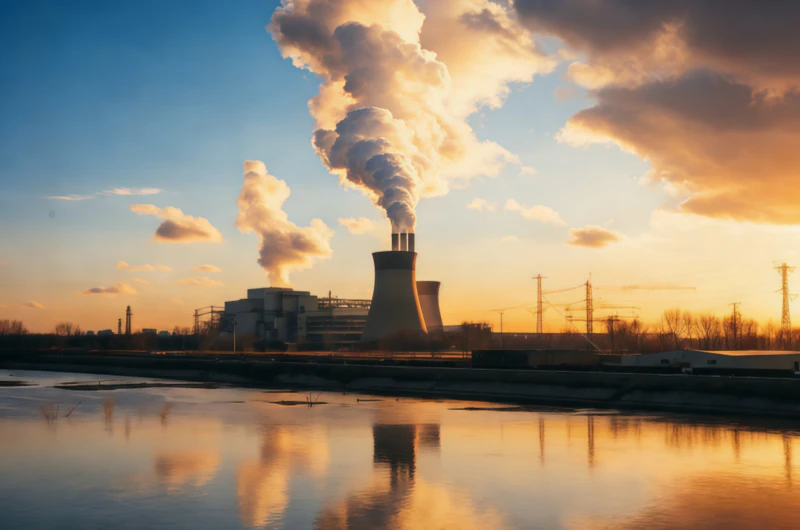
Waste-to-Energy Incineration
Handling the complex flue gas chemistry of municipal and hazardous waste incineration. Our hybrid SCR/SNCR solutions are engineered to provide deep NOx reduction in sensitive urban environments, satisfying the strict requirements of the Activiteitenbesluit.
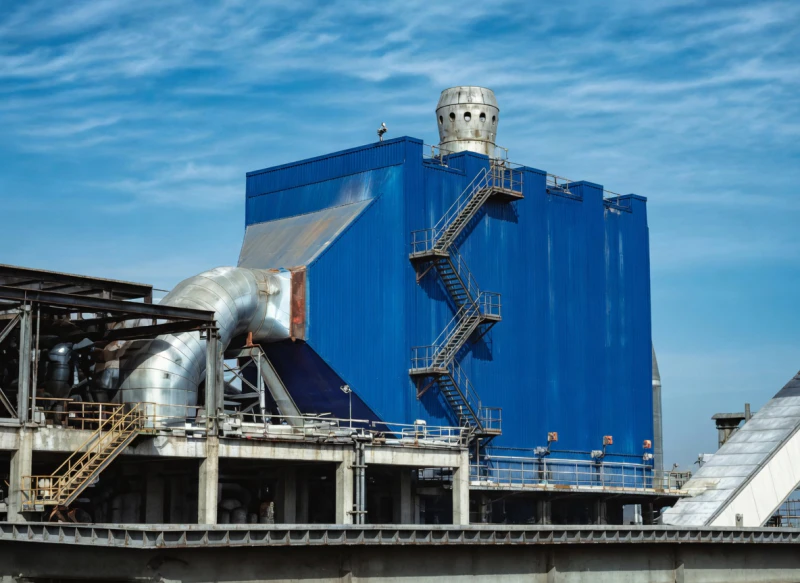
Nitric Acid & Refinery Off-Gas
Precision removal of NO2 and high-concentration NOx from chemical reactor vents and refinery process streams. Systems are custom-built with ATEX certification for safe operation within the high-risk zones of the Rotterdam and Chemelot industrial hubs.
DeNOx Technology Selection Guide
A comparative analysis of Selective Catalytic Reduction (SCR) versus Selective Non-Catalytic Reduction (SNCR) for Dutch industrial compliance.
| Feature / Parameter | SCR Technology | SNCR Technology |
|---|---|---|
| Removal Efficiency | 90% – 98% | 30% – 70% |
| Reaction Temperature | 300°C – 420°C | 850°C – 1100°C |
| Catalyst Requirement | Essential (Honeycomb/Plate) | None Required |
| Ammonia Slip Control | < 2 ppm (Precision) | 5 – 10 ppm (Variable) |
| Capital Expense (CapEx) | Higher (Reactor + Catalyst) | Lower (Injection System) |
| Space Requirement | Larger (Requires Reactor Space) | Minimal (Injection Lances) |
| Ideal Application | Power Plants, Chemical Vents | Cement Kilns, Small Boilers |
| Dutch Regulation Suitability | NeR Class I (Ultra-low) | Activiteitenbesluit General |
When to Choose SCR?
Select SCR when your facility must meet strict NeR Class I boundary concentrations or when the flue gas temperature is below 500°C. It is the gold standard for high-performance chemical and utility operations.
When to Choose SNCR?
Select SNCR for cost-effective retrofits on existing boilers or kilns where a furnace temperature window of 900°C is readily available and ultra-high removal rates are not legally mandated.
The Hybrid Approach
For complex facilities with fluctuating loads, a hybrid SNCR/SCR system can be engineered to balance initial investment with long-term operational efficiency and strict compliance.
Case Studies: Industrial DeNOx Performance Data
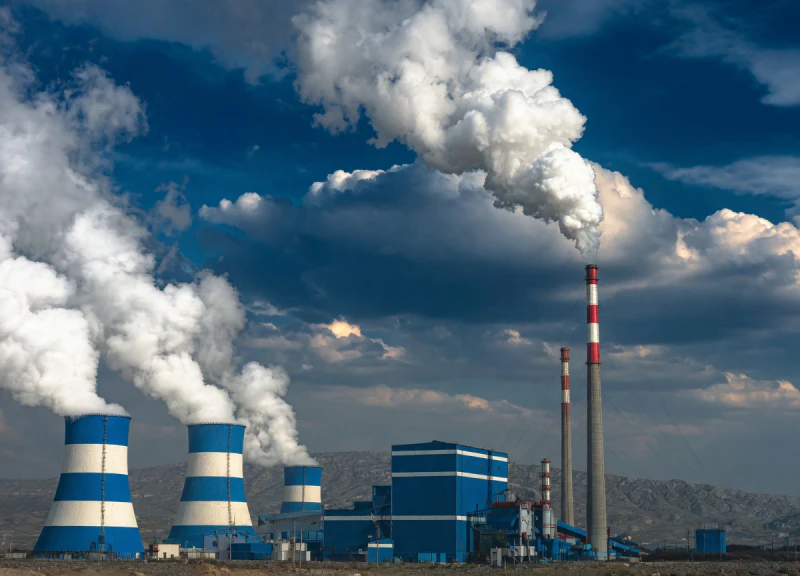
Chemical Production Line SCR Retrofit
This facility faced extreme initial NOx concentrations and complex gas fluctuations. We engineered a customized 3-layer catalytic SCR system to ensure boundary compliance.
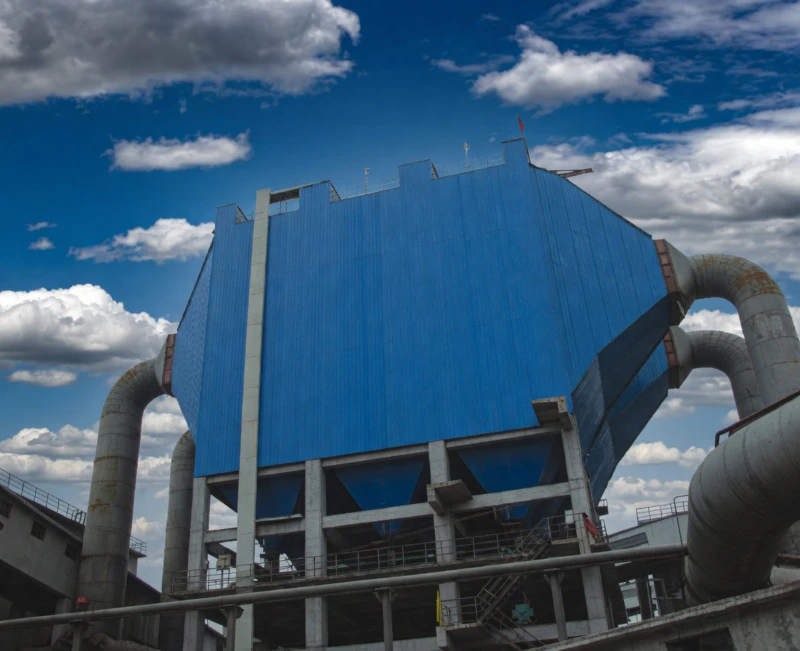
Waste-to-Energy SNCR Efficiency Upgrade
Optimizing existing SNCR systems where efficiency was low and ammonia slip was high. We redesigned the spray logic and reagent ratios for maximum impact.
Unsure which technology is most cost-effective?
DeNOx selection depends heavily on your flue gas temperature, flow rates, and available spatial footprint. Upload your flue gas composition report and our senior environmental engineers will provide a preliminary technical selection and ROI analysis within 24 hours.
Upload Flue Gas Report & Get Your Proposal