
Dust Collector Process Introduction
Comprehensively covering baghouse dust collectors, dry electrostatic precipitators, and wet electrostatic precipitators. With outstanding structural design and operational stability, our systems perfectly meet stringent environmental standards—from conventional to ultra-low and near-zero emissions.
Contact UsComprehensive Dust Removal Solutions
Focused on providing efficient and reliable dust removal solutions for industrial flue gas treatment, we integrate R&D design, lean manufacturing, and engineering installation into a seamless system[cite: 11, 12].
Our products have reached an internationally advanced level in structural rationality and operational stability, honed through numerous high-profile projects[cite: 13, 14]. Whether achieving conventional standards or ultra-low near-zero emissions, we provide the technical benchmark your facility requires[cite: 14].
From steel and coking to power and chemical industries, we are the trustworthy partner for core industrial fields worldwide[cite: 15].
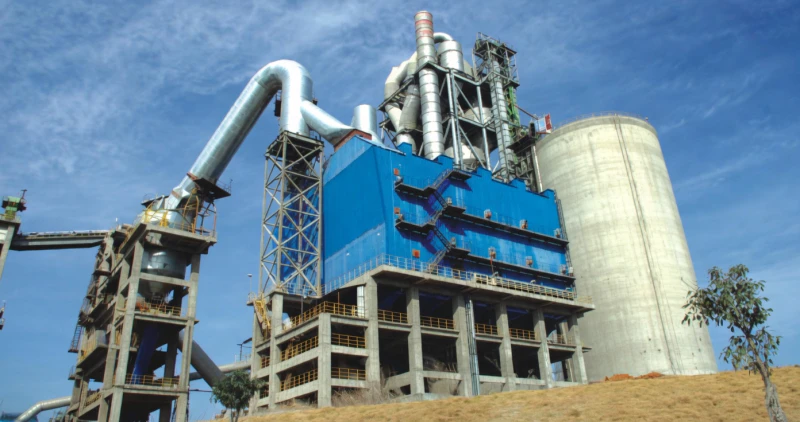
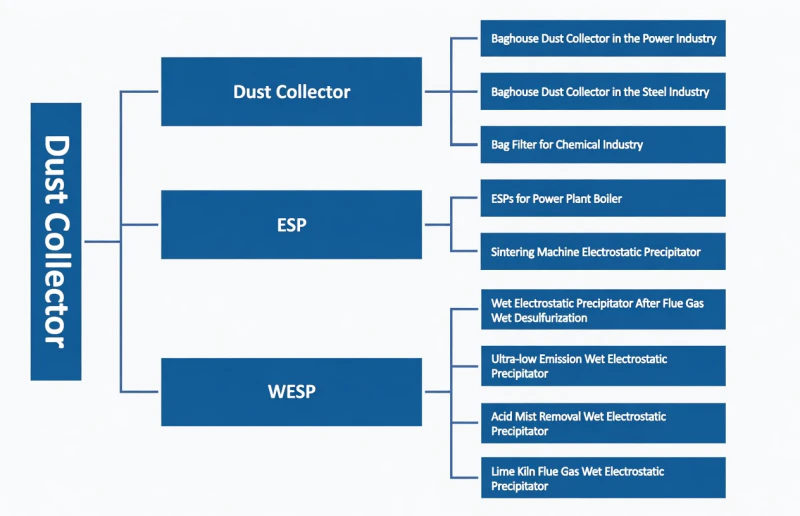
Baghouse Dust Collector
High-Efficiency Filtration · Stable Cleaning · Excellent Structure
Working Principle & Composition
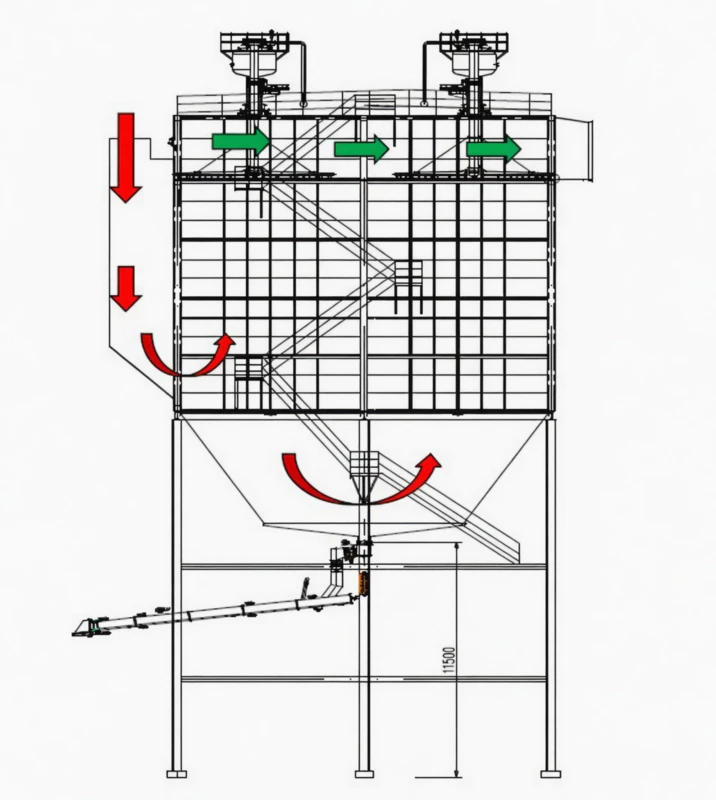
A baghouse dust collector is a high-efficiency dry dust removal device that uses fiber filter bags to capture dust. Dust-laden gas enters from the lower part and passes through a baffle into the ash hopper. Due to the collision and velocity reduction, coarse dust particles fall into the hopper, while fine dust particles enter the filter bag chamber and are retained on the outer surface of the bags. The purified gas escapes and is discharged. The system uses a pulse jet airflow method to achieve cleaning, and the removed dust is discharged by the ash removal device.
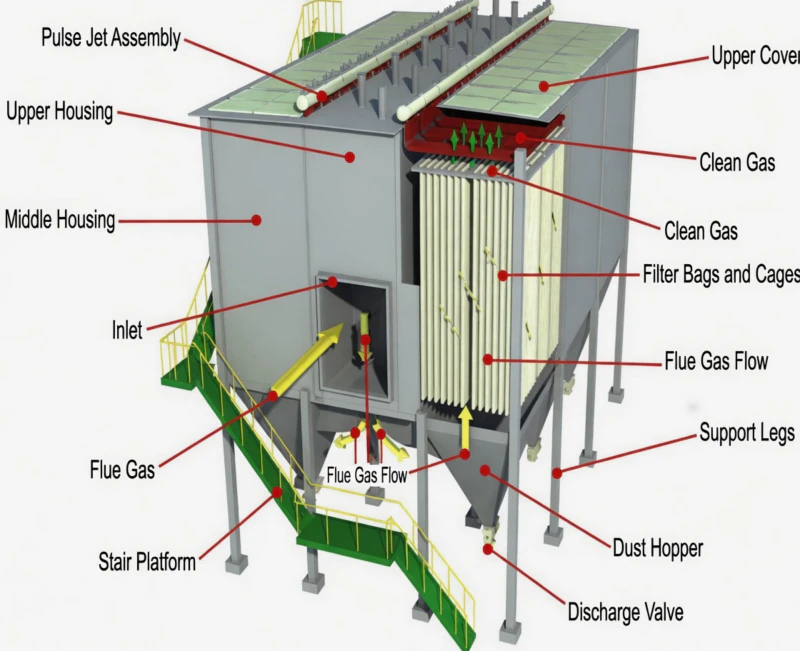
Core Design Features
The BLBD series baghouse dust collectors have undergone deep optimization in fluid dynamics and anti-corrosion processes to ensure long-term stable operation under complex working conditions.
1. Pre-dust Removal Design
The dust collector inlet is equipped with a pre-dust removal device. The inlet flue is reasonably designed to utilize flue gas direction reversal and velocity reduction to achieve pre-dust removal, reducing the filtration load on the bags.
2. Airflow Homogenization
Guide plates are installed in the inlet flue of the dust removal device to ensure uniform filtration air velocity across all chambers.
3. Optimized Resistance Distribution
The height of the gas collecting box above the tube sheet is 800-1000mm, effectively solving the problem of excessive uniform resistance distribution and uneven filtration air velocity.
4. Anti-condensation Protection
The insulation of the upper side wall of the tube sheet is strengthened to prevent internal wall condensation corrosion caused by the sudden decrease in flue gas temperature.
Dry Electrostatic Precipitator (ESP)
An electrostatic precipitator is a highly efficient dust removal device that utilizes electrostatic force (Coulomb force) to separate particles from the gas stream. When a high direct current is applied to the two electrodes—a discharging electrode (cathode) and a collection electrode (anode)—a powerful electric field is created. The gas stream is ionized, charging the suspended particles and causing them to move toward and stick to the collection plates. Accumulated particles are periodically removed by rapping, falling into the base hoppers for disposal, while the purified exhaust gas is safely expelled into the atmosphere.
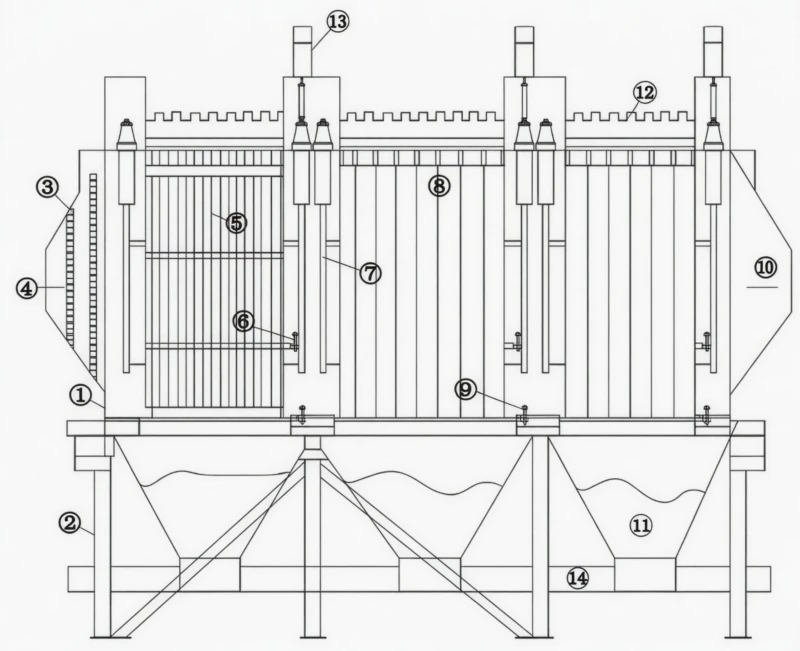
System Structure
Core Internal Components
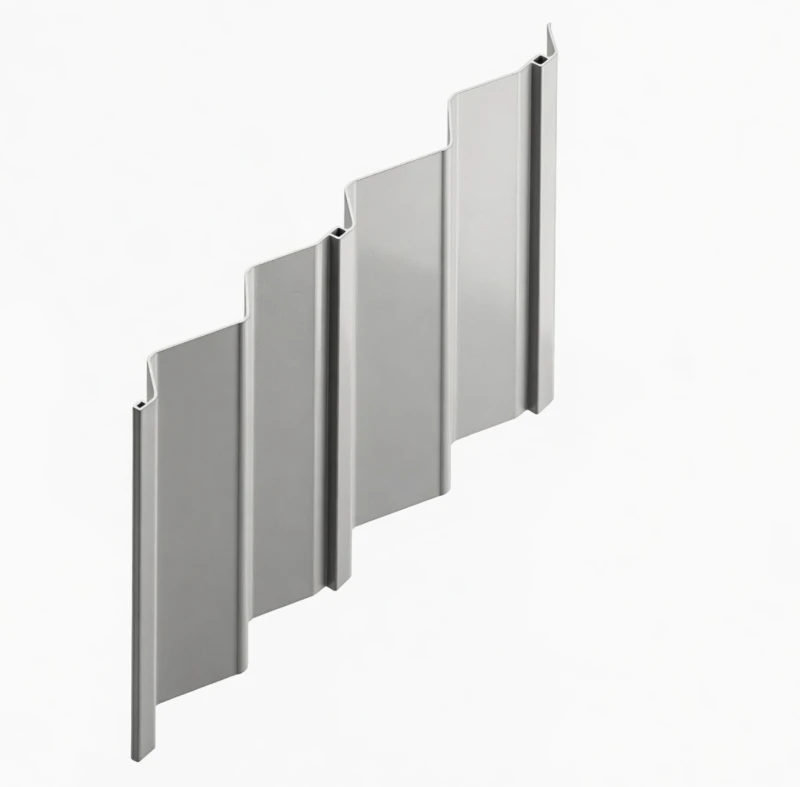
Collecting Electrode (CE)
Adopts the ZT24 plate design, ensuring excellent discharging performance and uniform current density. This provides a 10% higher effective dust-collecting area compared to others within the same space dimensions.
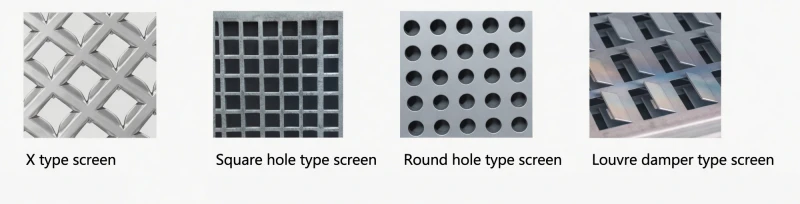
Distribution Screen
Available in X-type, square-hole, round-hole, and louvre damper designs. Features a high perforation rate, allowing for uniform gas flow distribution and an extended service life.
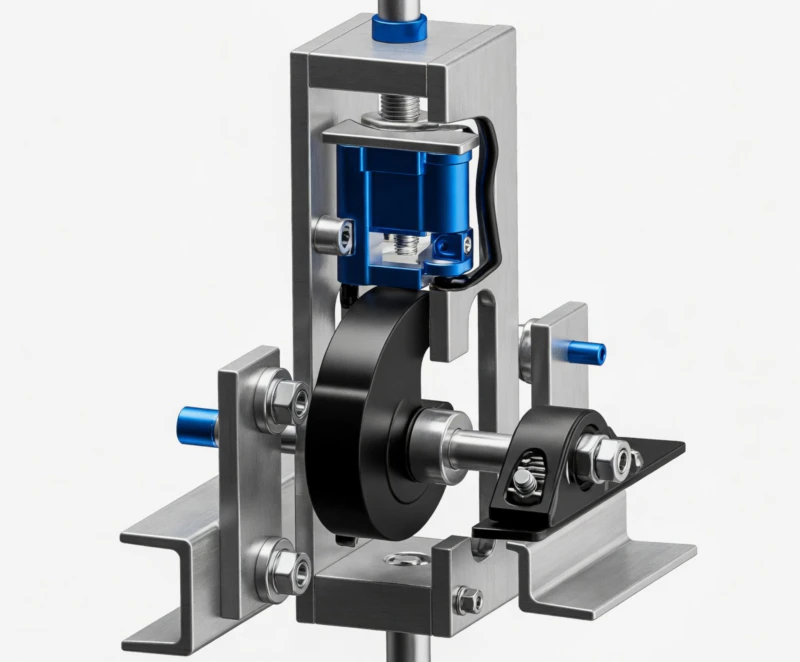
Rapping & Cleaning Device
The discharge electrode utilizes a top cam lifting mechanism or internal vertical drive for continuous, stable rapping. The collecting electrode employs a highly reliable side-driving revolving-arm hammer method.
ESPs for Multiple Industries
Engineered to handle extreme conditions, our Electrostatic Precipitators are highly adaptable to the unique demands of cement, power, and metallurgical manufacturing. We provide customized, high-performance solutions to ensure optimal dust collection and strict emission compliance.
Cement Industry
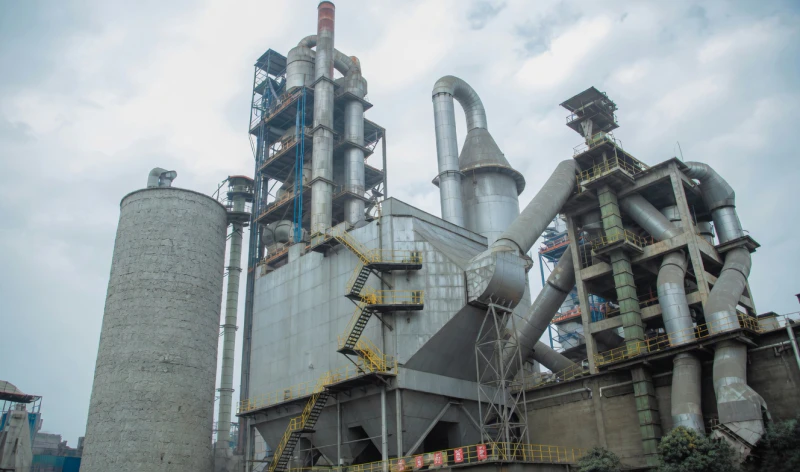
ESPs for Kiln
- Gas Volume Max1,800,000 m³/h
- Gas Temperature130~150 °C
- Inlet Dust Density Max1,200 g/Nm³
- Outlet Dust Density<50 mg/Nm³
- Max Suction Pressure-12,000 Pa
- Size of Plant300~10,000 t/d
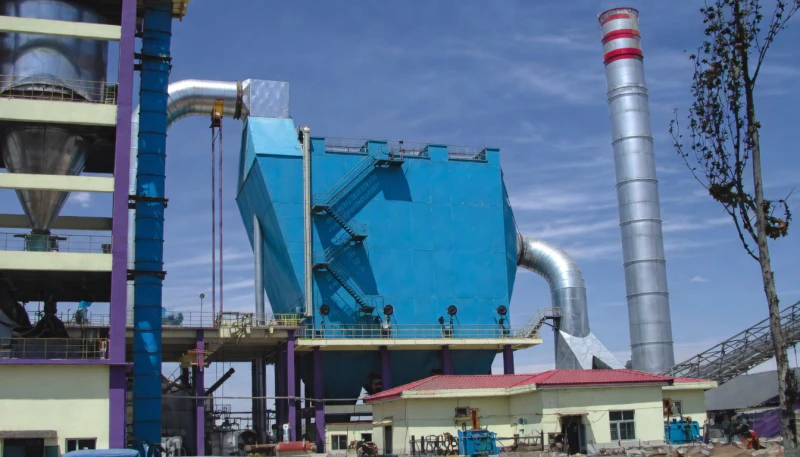
ESPs for Cooler
- Gas Volume Max1,800,000 m³/h
- Gas Temperature400 °C
- Inlet Dust Density Max50 g/Nm³
- Outlet Dust Density<50 mg/Nm³
- Max Suction Pressure-2,500 Pa
- Size of Plant300~10,000 t/d
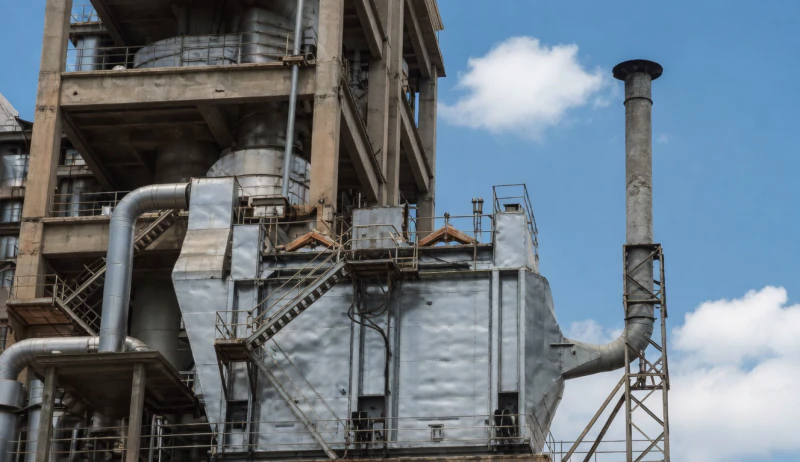
ESPs for Coal Mill
- Gas Volume Max200,000 m³/h
- Gas Temperature60~120 °C
- Inlet Dust Density Max1,000 g/Nm³
- Outlet Dust Density<50 mg/Nm³
- Max Suction Pressure-2,000 Pa
- Size of Plant300~10,000 t/d
Power Industry
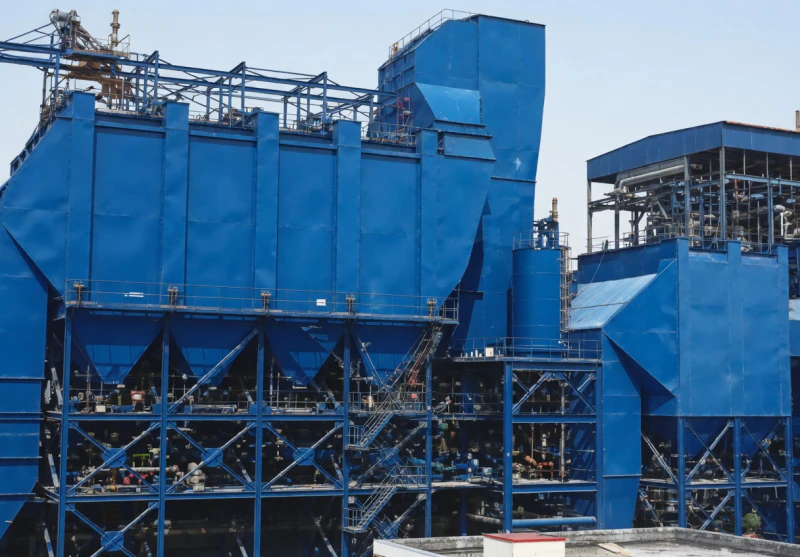
ESPs for Boilers
- Gas Volume Max 2,500,000 m³/h
- Gas Temperature 130~200 °C
- Inlet Dust Density Max 80 g/Nm³
- Outlet Dust Density <50 mg/Nm³
- Max Suction Pressure -9,000 Pa
- Units Supported 50~1000 MW
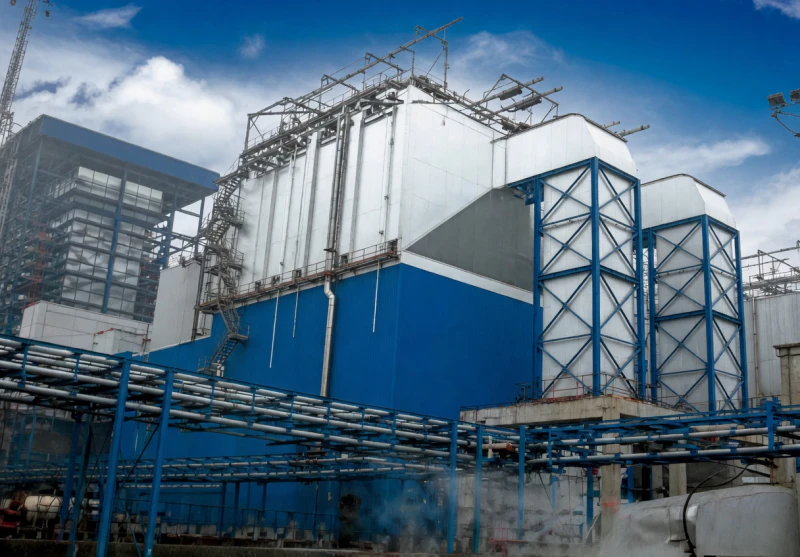
ESPs for FGD
- Gas Volume Max 1,800,000 m³/h
- Gas Temperature 60~120 °C
- Inlet Dust Density Max 12,000 g/Nm³
- Outlet Dust Density <50 mg/Nm³
- Max Suction Pressure -12,000 Pa
- Units Supported 25~300 MW
Metallurgical Industry
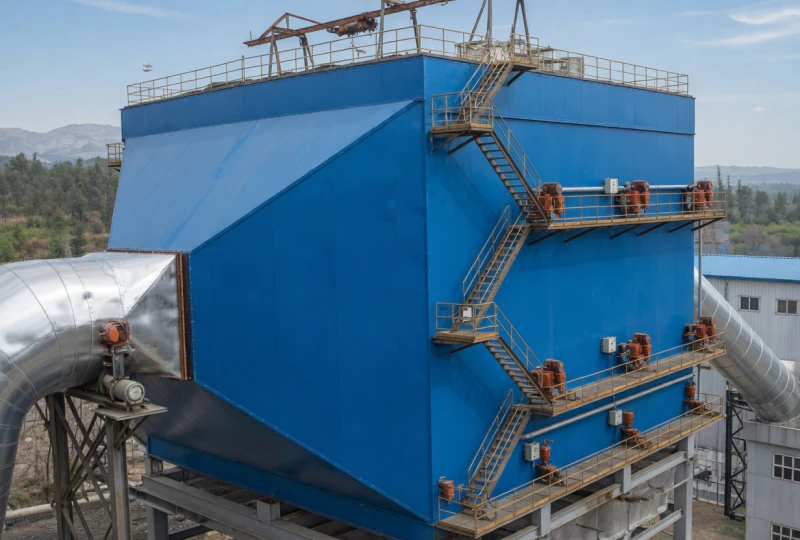
ESPs for Sinter Plant Head
- Gas Volume Max 2,500,000 m³/h
- Gas Temperature 80~120 °C
- Inlet Dust Density Max 6 g/Nm³
- Outlet Dust Density <50 mg/Nm³
- Max Suction Pressure -22,000 Pa
- Units Supported 18~450 MW
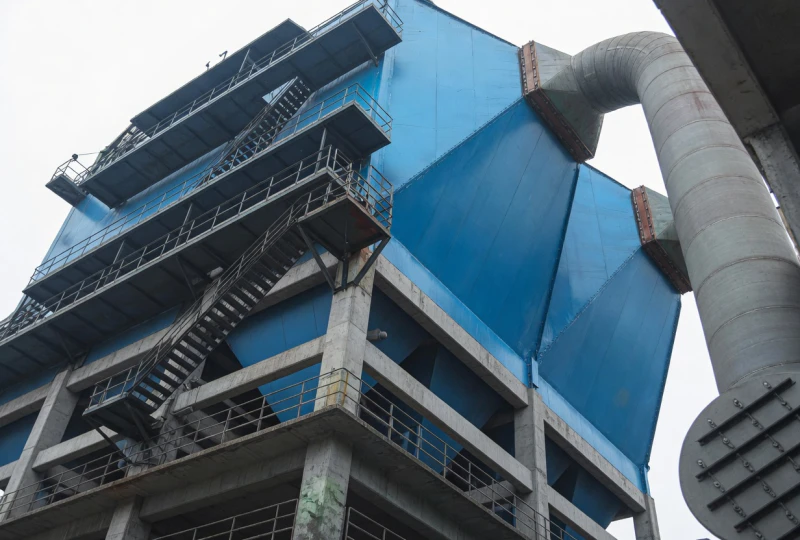
ESPs for Sinter Plant Tail
- Gas Volume Max 1,400,000 m³/h
- Gas Temperature 80~160 °C
- Inlet Dust Density Max 50 g/Nm³
- Outlet Dust Density <50 mg/Nm³
- Max Suction Pressure -5,000 Pa
- Units Supported 18~450 MW
Wet Electrostatic Precipitator (WESP)
The principle of wet electrostatic dust removal technology is to apply tens of thousands of volts of DC high voltage between the anode tube and the cathode wire. Under the action of a strong electric field, the gas between the positive and negative electrodes is fully ionized, generating a large number of electrons and ions. During their movement toward the electrodes under the electric field force, they collide with dust particles in the flue gas and charge them. The charged dust particles are separated from the airflow and move toward the anode tube under the electric field force. When the charged dust reaches the electrode plate and electrode wire, it is adsorbed onto the electrode tube due to electrostatic force, and finally flows into the slurry zone by gravity. The wet electrostatic dust removal system requires a washing system to wash the electrode tubes and electrode wires during startup, shutdown, and continuous operation.
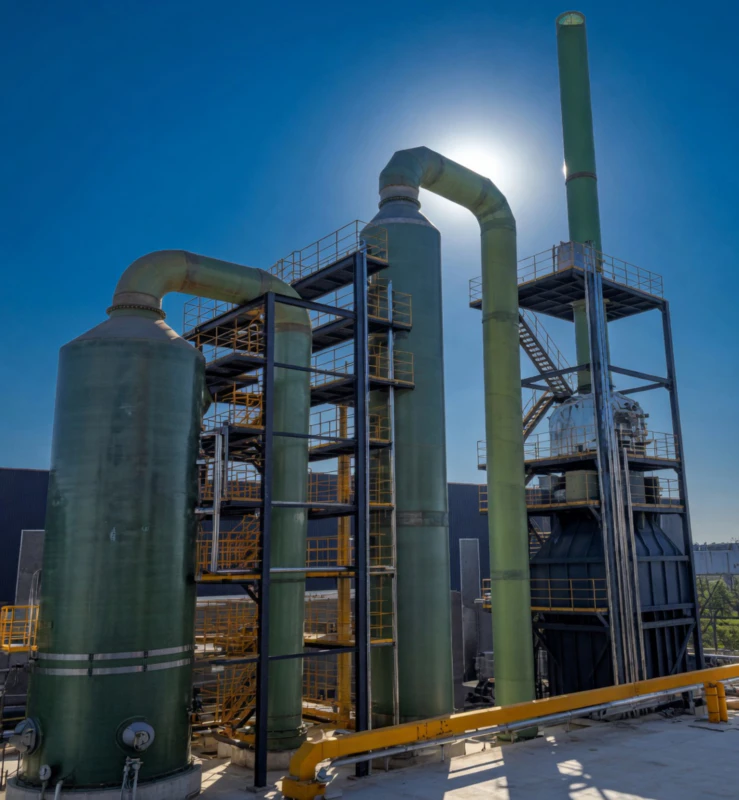
System Structure
Core Internal Components
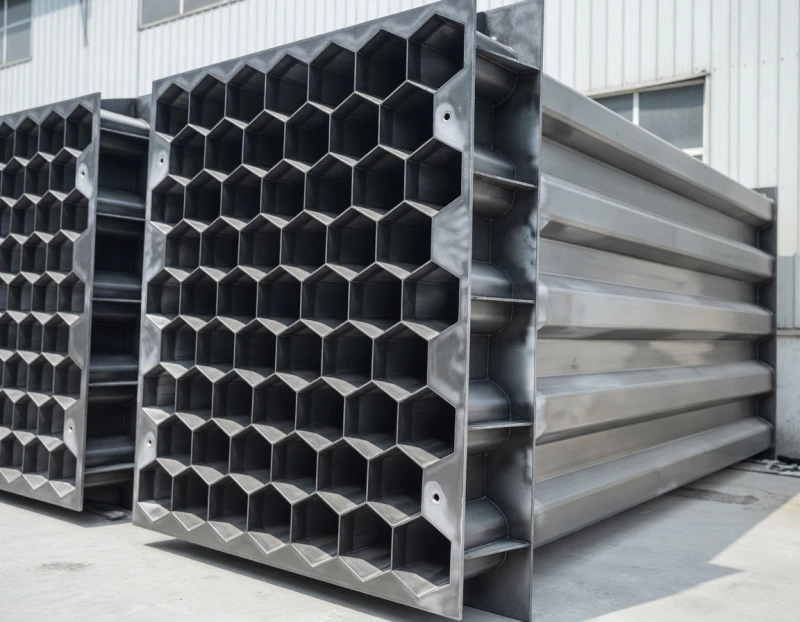
Anode Tube
Made of conductive fiberglass honeycomb type or 2205 material honeycomb type. Features good electrical conductivity, strong corrosion resistance, a large number of tubes arranged per unit cross-section, and a large effective dust collection area.
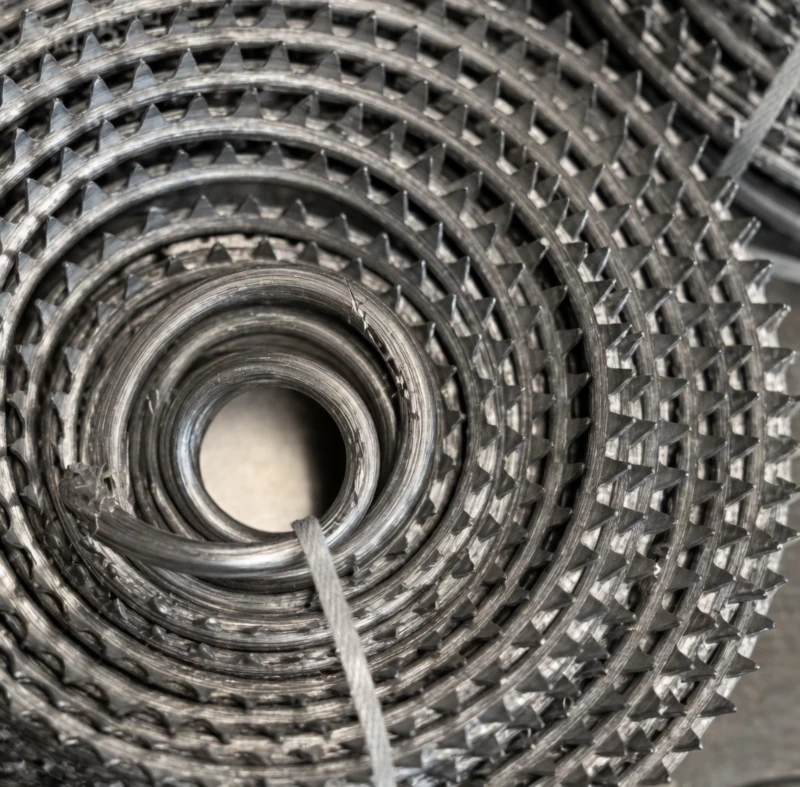
Cathode Wire
According to flue gas conditions, lead-antimony alloy barbed wire, 2205 stainless steel barbed wire, or tubular barbed wire can be selected. The matched cathode wire has advantages such as good discharge performance, durability, and no breakage.
.webp)
Distribution Screen
Available in X type, square hole type, and round hole type. These screens feature a high perforation rate, uniform flow, and long service life to ensure optimal aerodynamic performance.
How to Choose the Right System
Compare the key technical specifications of our three core dust collection technologies. Determine the perfect match for your industrial application based on gas volume, temperature limits, and target emission standards.
| Key Parameters | Baghouse Dust Collector BLBD Series | Dry Electrostatic Precipitator BLESP Series | Wet Electrostatic Precipitator BLWESP Series |
|---|---|---|---|
| Gas Volume Capacity (m³/h) | 10,000 - 2,300,000 [cite: 38] | 20,000 - 2,500,000 [cite: 130, 236] | 10,000 - 2,400,000 [cite: 324] |
| Allowable Gas Temp. (°C) | 30 ~ 250 [cite: 38] | 70 ~ 400 [cite: 130] | 30 ~ 90 [cite: 324] |
| Allowable Inlet Dust Density | 1 - 1,300 g/Nm³ [cite: 38] | 10 - 1,300 g/Nm³ [cite: 130] | 1 - 300 mg/Nm³ [cite: 324] |
| Target Outlet Emission | < 10 (or 5) mg/Nm³ [cite: 38] | < 50 (or 30) mg/Nm³ [cite: 130] | < 10 (or 5) mg/Nm³ [cite: 324] |
| Operating Resistance (Pa) | 800 ~ 1,800 [cite: 38] | 200 ~ 350 [cite: 130] | 300 ~ 500 [cite: 324] |
| Best Suited For |
General Industry & Chemical High-efficiency filtration for fine dust requiring strict emission limits with moderate and stable gas temperatures. |
Heavy Industry & Boilers Extreme high-temperature environments, massive gas volumes, and heavy dust loads (e.g., Cement Kilns, Metallurgical plants). |
Ultra-low Emission & Polishing Removing acid mist, ultra-fine particulate matter, and aerosols after wet desulfurization (FGD) systems. |
Industrial Case Studies
Explore how our high-performance dust collection systems have helped global enterprises overcome severe emission challenges, optimize their operational costs, and comply with the world's strictest environmental regulations.
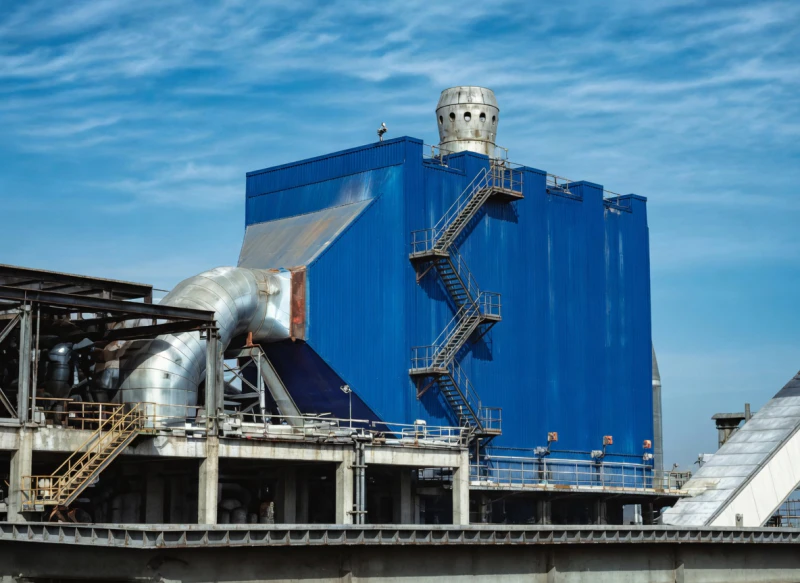
Ultra-Low Emission WESP Integration for Chemical Plant
The Challenge: A leading petrochemical facility in Rotterdam faced stringent new European Union emission directives (BAT conclusions). Their existing scrubbers were failing to capture sub-micron acid mists and fine aerosols, risking heavy regulatory fines and production halts.
The Solution: We engineered and installed a custom Wet Electrostatic Precipitator (BLWESP Series) utilizing highly corrosion-resistant 2205 stainless steel anode tubes. The system was designed to polish the flue gas immediately downstream of their wet desulfurization unit.
Key Project Results:
- Outlet emissions reduced to < 2 mg/Nm³
- 99.9% acid mist removal efficiency
- 100% compliance with EU Directives
- Zero corrosion degradation after 3 years
.webp)
High-Volume Dry ESP Retrofit for Sintering Plant
The Challenge: A major steel manufacturing complex in Monterrey was struggling with outdated dedusting equipment at their sintering machine tail. The massive gas volume (over 1.4 million m³/h) and highly abrasive dust were causing frequent bag failures and severe operational downtime.
The Solution: We replaced the failing bag filters with a robust Dry Electrostatic Precipitator (BLESP Series). The system featured heavy-duty ZT24 collecting electrodes and a highly reliable top-cam rapping mechanism designed specifically to handle massive, continuous heavy-dust loads without abrasion wear.
Key Project Results:
- Smoothly handled 1,400,000 m³/h gas volume
- Reduced operational resistance by 60%
- Slashed annual maintenance costs by 35%
- Stable emissions maintained below 30 mg/Nm³