
Eliminating Submicron Particles, Acid Mist, and Secondary Aerosols in Wet Gas Streams
Advanced wet electrostatic precipitator technology represents the frontier of emission control for post-FGD flue gas, biomass combustion, waste-to-energy facilities, and specialized high-moisture applications. With over 200+ successful installations across five continents, delivering comprehensive solutions for the most challenging wet gas streams. Wet systems eliminate visible plume through fine mist removal, protect downstream stacks from corrosion damage, and achieve ultra-low combined emissions when integrated with dry collection systems. Consistent outlet emissions below 10-15 mg/Nm³ while handling complex wet, corrosive, and temperature-variable gas conditions represent the pinnacle of emission control technology.
.webp)
Wet Gas Streams Present Unique Emission Control Challenges Requiring Specialized Technology
Wet gas streams—produced by flue gas desulfurization (FGD) systems, biomass combustion, waste-to-energy facilities, and chemical processing—present extraordinary emission control challenges fundamentally distinct from dry gas applications. Post-FGD flue gas emerges from wet scrubbers saturated with moisture, containing suspended water droplets, sulfuric acid mist, ammonium bisulfate aerosols, and other secondary particulates generated through chemical reactions in the wet scrubbing process. Biomass combustion produces fine, hygroscopic ash that readily absorbs moisture and forms aggressive sticky deposits. These wet gas characteristics create three distinct problems: conventional electrostatic precipitators designed for dry gas fail catastrophically due to electrical conductivity loss in high-moisture environments; traditional baghouse collectors and metal mist eliminators clog and blind due to acid mist deposition; downstream equipment including fans and stacks suffers corrosion damage from sulfuric acid exposure.
The Wet Gas Paradox
Environmental regulations require emissions below 50 mg/Nm³ from power plants and industrial facilities—increasingly below 20-30 mg/Nm³ in stringent jurisdictions. Meeting these standards with dry collection systems alone proves economically impossible for wet gas applications. FGD systems remove primarily large particulate and sulfur compounds, but secondary aerosol formation in the wet environment creates fine particles escaping downstream. Visible plume—primarily sulfuric acid mist and water vapor—represents an unacceptable environmental appearance even when emission standards are technically met, driving facilities to invest in additional technology. Post-FGD wet electrostatic precipitators provide the only proven, cost-effective solution addressing the full spectrum of wet gas challenges simultaneously.
Regulatory Requirements and Environmental Impact
China’s GB13223 coal power standard now requires post-FGD systems achieve combined outlet emissions below 5 mg/Nm³ for new units—achievable only through integrated FGD plus wet electrostatic precipitator systems. The European Union Industrial Emissions Directive establishes similar requirements through binding emission limit values. Visible plume—the white plume consisting of water vapor and sulfuric acid droplets—is progressively regulated or prohibited in many jurisdictions as environmental consciousness increases. Wet electrostatic precipitators eliminate plume through fine mist removal, providing aesthetic and environmental benefits alongside emission control. The technology represents a paradigm shift from viewing post-FGD waste streams as environmental liabilities to maximizing environmental performance while maintaining economic viability.
The Solution: Wet electrostatic precipitators represent the only proven, economically viable technology for comprehensive post-FGD emission control. These specialized systems address moisture, acid mist, secondary aerosol particles, and plume elimination simultaneously through integrated technology combining liquid collection surfaces, specialized electrode materials, advanced power supplies, and innovative insulation designs preventing electrical failure in wet environments.
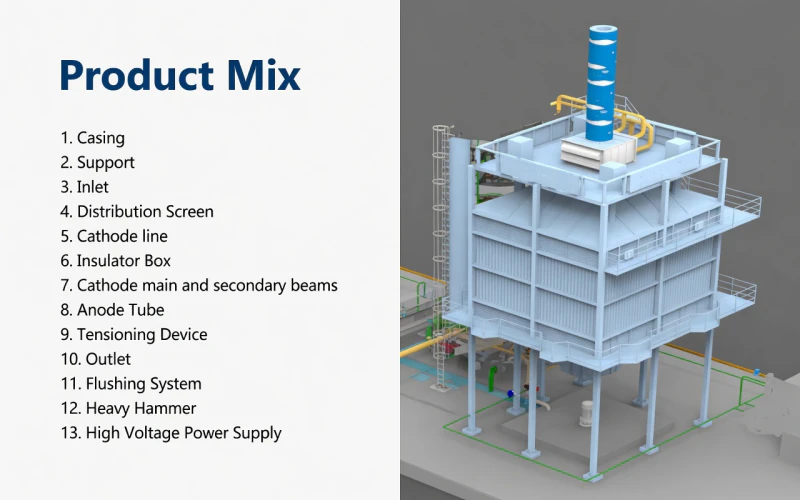
Specialized Components and System Design for Wet Gas Applications
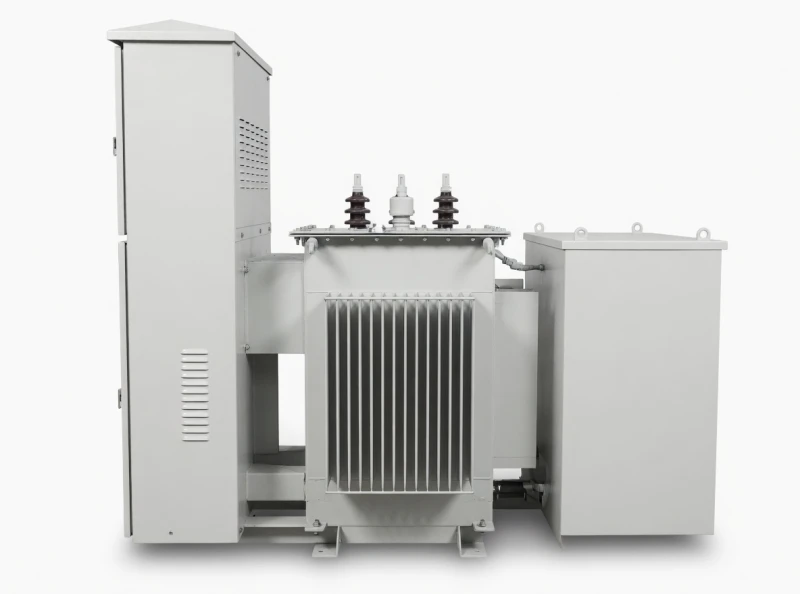
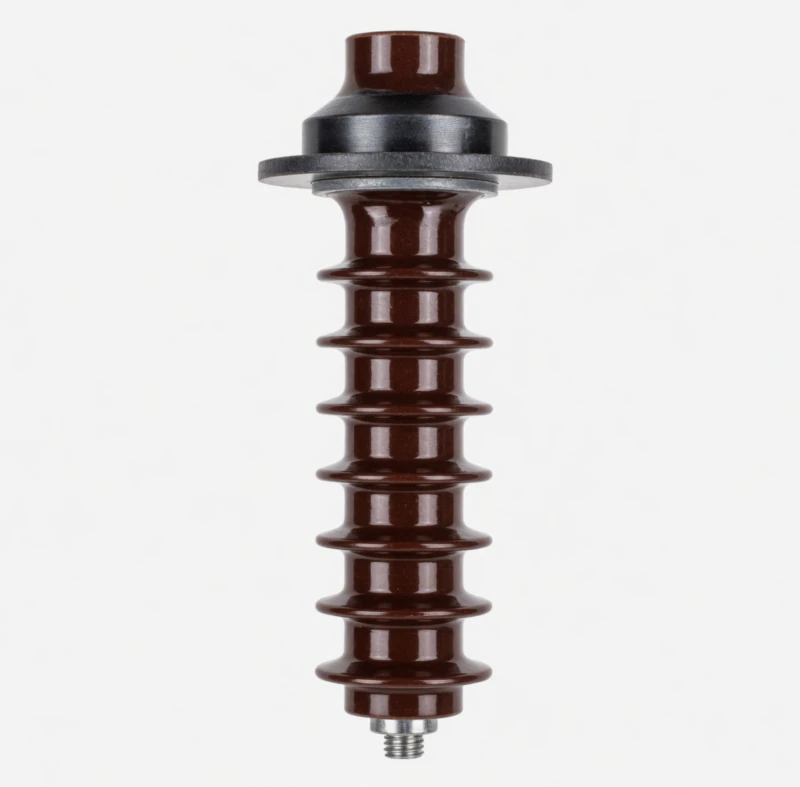
Advanced Insulation Systems Preventing Electrical Failure in High-Moisture Environments
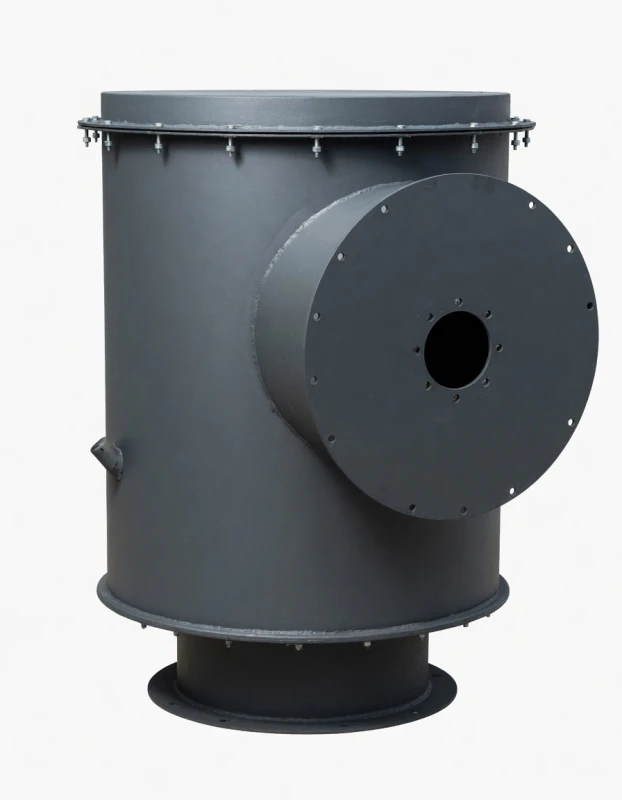
Proven Applications Across Power Generation, Industrial, and Specialty Gas Streams
Comprehensive Wet System Performance Specifications
| Parameter | Standard Wet ESP | High-Performance Wet ESP |
|---|---|---|
| Gas Volume (m³/h) | 10k-1.2M | 20k-2.4M |
| Temperature (°C) | 35-70 | 30-90 |
| Inlet Moisture (% RH) | 70-95% | 80-100% |
| Inlet Dust (mg/Nm³) | 1-300 | 1-500 |
| Outlet (mg/Nm³) | <20-30 | <5-15 |
| Collection Efficiency (%) | ≥95% | ≥99% |
| Pressure Drop (Pa) | 300-500 | 400-600 |
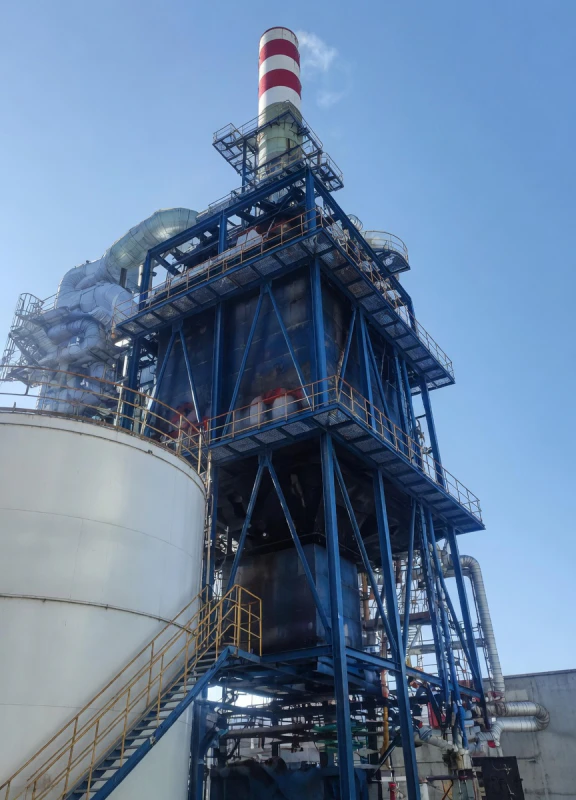
Application Scenarios Demonstrating Wet Electrostatic Precipitator Benefits
.webp)
Comprehensive Service and Maintenance for Wet System Reliability