Industrial Engineering Deep Dive
In the pursuit of zero-emission industrial environments, the Zeolite Adsorption-Desorption + Catalytic Combustion (CO) process has established itself as the global gold standard for treating low-concentration, high-volume Volatile Organic Compounds (VOCs). Unlike simple filtration units that merely trap waste, the Zeolite system functions as an advanced molecular processing facility. It intelligently concentrates dilute pollutants, regenerates its own adsorption media in real-time, and harvests the thermal energy from VOC destruction to power its own operation. This comprehensive guide explores the sophisticated four-phase workflow that converts toxic industrial exhaust into harmless atmospheric air and reusable thermal energy, ensuring both environmental compliance and operational profitability.
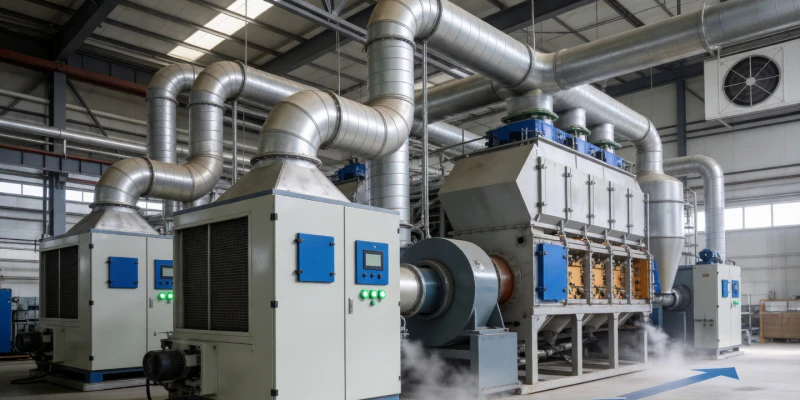
Large-Scale Zeolite System Deployment in a High-Tech Manufacturing Zone
Phase 1: Multi-Stage Aerodynamic Pre-Treatment
The operational longevity of a Zeolite molecular sieve is entirely dependent on the quality of its pre-treatment conditioning. Raw industrial exhaust—especially from coating, printing, or pharmaceutical lines—is rarely just a gas. It is often a chaotic cocktail containing sticky paint aerosols, microscopic paper fibers, and fine chemical powders. If allowed to reach the zeolite bed, these particulates cause “physical blinding,” permanently sealing the sub-nanometer pores and rendering the material useless.
To combat this, the BAOLAN system initiates the workflow within a sophisticated Multi-Stage Dry Filter housing. This conditioning unit acts as a progressive defense shield. First, a high-density filter cotton layer intercepts large agglomerated particles (>5μm). The gas then traverses a tiered array of specialized synthetic filter bags, typically graded from G4 to H10. These bags utilize a high-surface-area fiber matrix to scrub the air of ultra-fine dust (>1μm) while maintaining a steady wind speed of 0.8 to 1.5m/s.
Real-Time Monitoring and Airtight Integrity
Every filtration stage is integrated with differential pressure transmitters. These sensors provide real-time feedback to the central PLC, alerting operators to the exact moment a filter requires replacement before it impacts system pressure. To prevent fugitive emissions, the housing features a handwheel pressing structure, ensuring a laboratory-grade seal even under high-volume industrial flow.
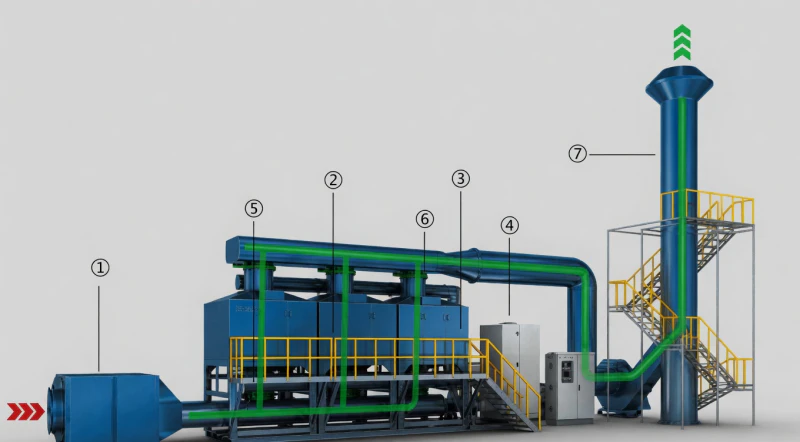
Fig 1: Modular Multi-Stage Filtration and Adsorption Assembly
Phase 2: High-Selectivity Molecular Sieving
Once the exhaust air is conditioned and scrubbed of particulates, it enters the core Adsorption Box. This chamber houses the honeycomb molecular sieve—an inorganic, crystalline aluminosilicate material with a perfectly ordered internal lattice. Unlike activated carbon, which has a chaotic pore structure, zeolite features uniform micropores calibrated specifically between 0.3nm and 1nm.
This regular framework operates on the “Size Exclusion Principle.” As the air passes through the honeycomb channels, small molecules like Nitrogen and Oxygen navigate the matrix unhindered. However, organic molecules with larger critical diameters—such as ethyl acetate, benzene series, and ketones—are physically obstructed and secured within the internal cavities. Furthermore, zeolite’s strong internal electrostatic field acts as a “molecular anchor,” attracting polar molecules and pinning them to the pore walls. This dual-force mechanism ensures over 95% capture efficiency, even when VOC concentrations are extremely dilute.
Crucially, zeolite provides an uncompromising safety upgrade for the factory. Composed of silicon and aluminum oxides, the material is entirely non-flammable. It eliminates the risk of spontaneous bed fires, a frequent catastrophe in activated carbon systems handling ketones or esters. This thermal stability allows the system to operate safely at its maximum adsorption capacity without risk to the facility.
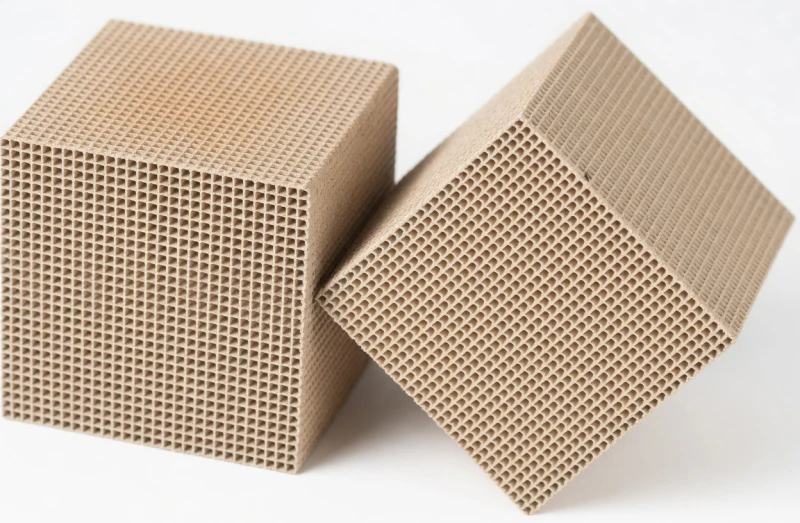
Fig 2: High-Surface-Area Honeycomb Zeolite Matrix
The Thermodynamic Loop
Phase 3: Thermal Desorption and Spiked Concentration
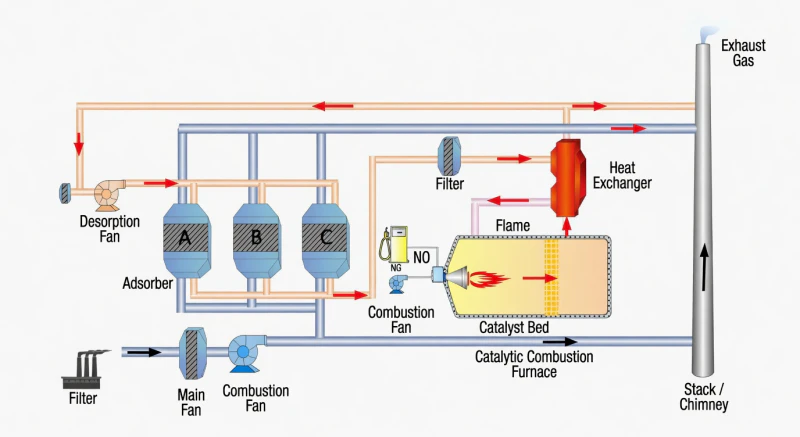
Fig 3: Synergistic Adsorption-Desorption-Combustion Cycle Diagram
To ensure uninterrupted factory production, the system utilizes a three-bed modular configuration. When Adsorption Tank A reaches its chemical saturation threshold, automated high-temperature valves switch the exhaust flow to standby Tank B. While Tank B cleans the air, Tank A initiates the critical regeneration phase: **Thermal Desorption**.
Volume Reduction and Fuel Enrichment
Desorption utilizes a precisely regulated hot air stream to vibrate and detach the VOC molecules from the zeolite pores. This phase is the economic engine of the technology. By using a desorption airflow only 1/10th to 1/20th the volume of the original exhaust gas, the VOC concentration is spiked by a factor of 10 to 20 times. This process transforms a dilute, non-combustible exhaust into a high-energy “fuel stream” that is dense enough to sustain its own destruction in the subsequent combustion stage. Because the heat for this process is recovered from the combustion reaction itself, the system requires no additional external energy once operational.
The Termination Stage
Phase 4: Low-Temperature Catalytic Destruction
Flameless Oxidation & Net-Zero Energy Consumption
The concentrated gas stream is funneled into the Catalytic Oxidizer (CO). Here, the organic solvents encounter a high-activity precious metal catalyst bed. The catalyst lowers the activation energy of the organic molecules, allowing them to undergo “flameless combustion” at temperatures between 250°C and 300°C—far lower than the 800°C required by traditional thermal incinerators.
This low-temperature reaction serves two purposes. First, it aggressively oxidizes VOCs into harmless carbon dioxide and water vapor with over 95% efficiency. Second, it prevents the formation of Nitrogen Oxides (NOx), a toxic byproduct of high-temperature combustion. The reaction is intensely exothermic; the heat released is harvested by an internal heat exchanger and recycled to provide the energy for the desorption stage. In most industrial scenarios, once the ignition temperature is reached, the system enters a “self-sustaining” state, requiring zero supplemental natural gas or electricity for heating.
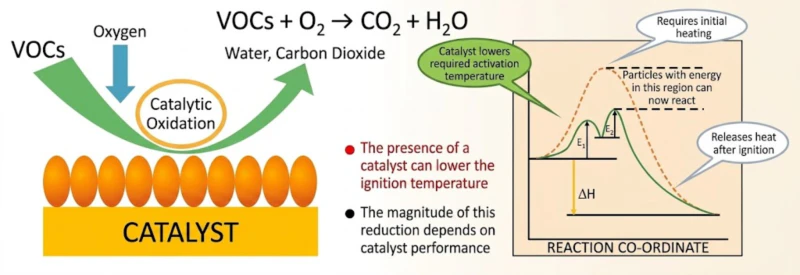
Fig 4: Molecular Decomposition via High-Activity Catalysis
Scaling Sustainability: Performance in Large-Scale Operations
The true value of the BAOLAN Zeolite Adsorption-Desorption system is its massive modular scalability. In modern industrial parks, particularly within the automotive coating and semiconductor sectors, single-pass filters would require an impossible footprint and exorbitant maintenance. Our systems are engineered to handle design air volumes reaching a staggering 200,000 m³/h flawlessly. By intelligently rotating modules through adsorption, desorption, and standby states, the system provides a continuous shield for the environment while maintaining the absolute safety of the factory floor.
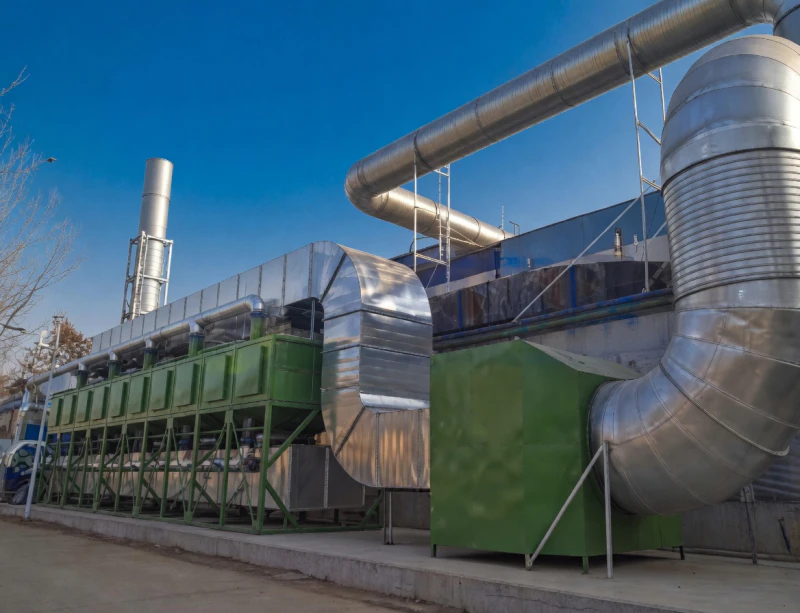
Fig 5: Ultra-Large Scale 200,000 m³/h VOC Purification Facility
Unleash the Power of Molecular Recovery
Don’t let high energy costs and safety risks compromise your facility’s environmental roadmap. Implement the power of cyclic zeolite technology to ensure safe, stable, and economically superior VOC purification. Whether you are managing the delicate solvents of a semiconductor plant or the massive air volumes of a commercial printing line, our custom-engineered adsorption-combustion loops provide the definitive answer. Contact our expert engineering team today to design a system custom-tailored to your exact solvent profile and energy goals.