
In the advanced landscape of industrial VOC abatement, the Zeolite Molecular Sieve is the high-performance core that makes purification possible. However, this microscopic “engine” is remarkably delicate. Industrial exhaust streams are frequently contaminated with “poisoning agents”—not just chemical inhibitors, but physical particulates, aerosols, and sticky resin mists. If allowed to bypass the pre-treatment stage, these contaminants cause irreversible “blinding,” sealing the sub-nanometer pores of the zeolite and rendering the entire facility useless. To ensure the operational continuity of high-stakes industries like semiconductor fabrication and commercial printing, a robust Multi-Stage Dry Filtration system is non-negotiable. This serves as the critical first line of defense, intercepting particles as small as 0.5 micrometers and providing continuous intelligence through automated pressure monitoring.
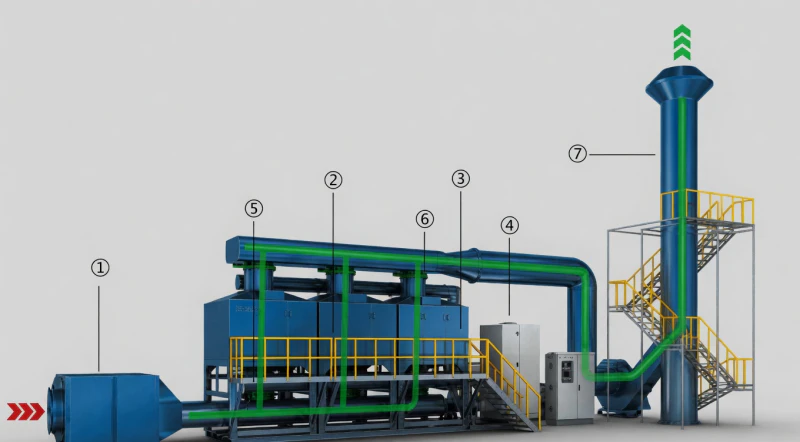
Fig 1: The Modular Pre-Treatment Housing Integrated with the Adsorption Core
1. The G4-H10 Hierarchy: A Strategic Defense
Professional filtration is not about a single filter; it is about a tiered hierarchy designed to maximize the lifespan of each individual component. Raw industrial exhaust is forced through a sequence of filters that increase in precision as the air moves deeper into the system. This “sieve within a sieve” approach prevents the finest filters from being prematurely overwhelmed by coarse dust.
From Coarse to Sub-Micron Interception
The process begins with G4-grade primary filter cotton, which intercepts large particles, fibers, and heavy dust larger than 5 micrometers. As the air progresses, it encounters medium-efficiency F5 and F9 filter bags. Finally, the air must pass through H10-grade high-efficiency filters. This progression ensures that by the time the gas reaches the zeolite bed, it is scrubbed of aerosols and particulate matter, leaving only the gaseous VOC molecules for molecular sieving. This meticulous tiered strategy ensures the zeolite matrix remains pristine and active.
In industries like automotive coating or commercial printing, where paint mist and paper fibers are constant variables, this multi-stage logic prevents the catastrophic pressure spikes that lead to fan failure and system shutdowns. By intercepting over 99 percent of particulate threats before they reach the molecular level, the system maintains a steady operational state for thousands of hours without maintenance interruptions.
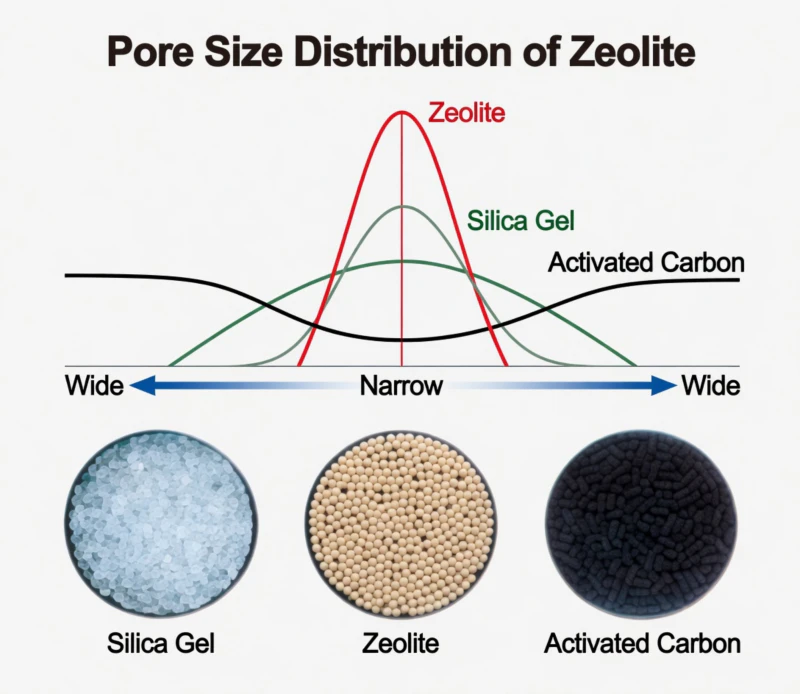
Fig 2: Scanning Electron Microscopy (SEM) showing the microscopic pores that require absolute protection from dust
2. The Battle for the Sub-Micron: Intercepting > 0.5μm Particles
In industrial filtration, the most dangerous particles are those that are invisible to the naked eye. While coarse dust is easily managed, it is the sub-micron particles—those larger than 0.5 micrometers—that pose the greatest risk to zeolite efficiency.
Why 0.5μm is the Critical Threshold
Zeolite molecular sieves utilize sub-nanometer pores (0.3nm to 1nm) to capture gas molecules. A particle of 0.5 micrometers is nearly 500 times larger than these pores. If a dense concentration of these sub-micron particles accumulates on the surface of the zeolite, they form a “cake” or “crust” that acts as a physical barrier. This barrier prevents VOC molecules from ever reaching the internal cavities of the crystal.
Our H10-grade high-efficiency filtration modules are engineered from premium synthetic fibers with an incredibly high fiber content per square meter. This density creates a tortuous path for air, forcing particles through Brownian motion and interception to stick to the fibers. By successfully neutralizing particles > 0.5μm, the system ensures that the zeolite bed operates in a state of “Microscopic Purity,” where only the intended gaseous reactants interact with the catalyst and adsorbent framework. This is the cornerstone of system reliability in pharmaceutical synthesis and electronics manufacturing.
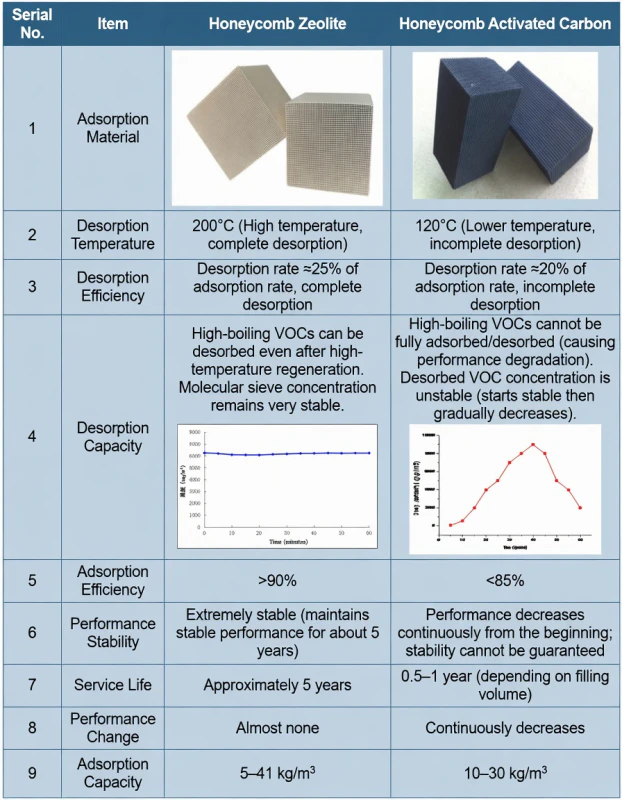
Fig 3: The Regularity of the Zeolite Channels depends on 100% Particulate Exclusion
3. Precision Pressure Monitoring: The Intelligence of Data
A filter that is ignored is a failure waiting to happen. The BAOLAN filtration system eliminates the human element of error through integrated Differential Pressure (DP) transmitters. These highly sensitive electronic sensors measure the air pressure before and after each filtration stage, calculating the “Resistance” of the filter media in real-time.
Predictive Maintenance Alerts
As filters capture particulates, their resistance naturally increases. The DP transmitters transmit this data to the central PLC control system. Once the pressure drop across a stage (e.g., G4 or F9) reaches a laboratory-defined saturation limit, the system automatically triggers a high-visibility alarm.
This digital oversight allows facility operators to perform “Predictive Maintenance” rather than reactive repairs. It ensures that filters are replaced at the peak of their efficiency, preventing airflow drops that could cause factory ventilation to become inadequate, and most importantly, guaranteeing that no particulate breakthrough ever occurs to “poison” the downstream zeolite investment.
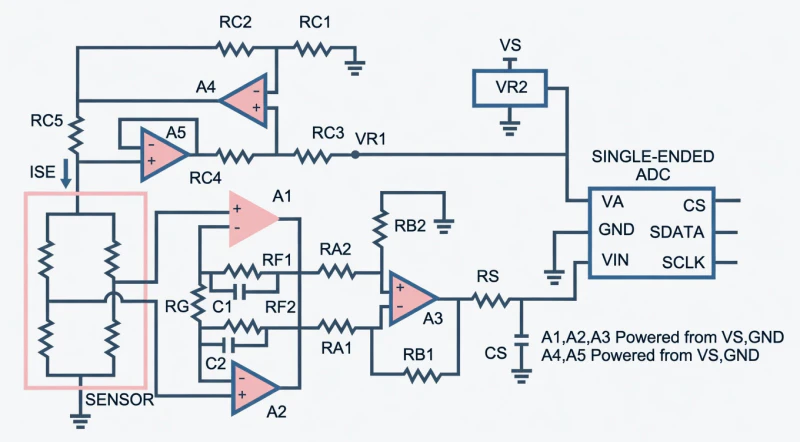
Fig 4: Real-time monitoring of filter resistance via Differential Pressure technology
4. Engineering Integrity: Sealed for Performance
Beyond the filter media itself, the physical engineering of the housing cabinet determines its success. A high-efficiency filter is useless if the air can “leak” around the edges.
Handwheel Pressing Seals
Our filter cabinets utilize heavy-duty handwheel pressing structures on every maintenance door. This design provides high-leverage compression for internal seals, guaranteeing absolute airtight integrity even under the high static pressures found in massive 200,000 $m^3/h$ systems. By eliminating bypass air, we ensure that every single cubic centimeter of exhaust gas is subjected to the full G4-H10 hierarchy.
The ROI of Prevention
Investing in a high-grade Multi-Stage Dry Filter cabinet typically accounts for only a small percentage of total system capital expenditure, yet it protects 100 percent of the adsorption bed’s life. Replacing a blinded zeolite bed is an enormous expense and causes weeks of downtime. Prevention through 0.5μm interception and smart pressure monitoring is the only viable economic strategy for sustainable industrial purification.
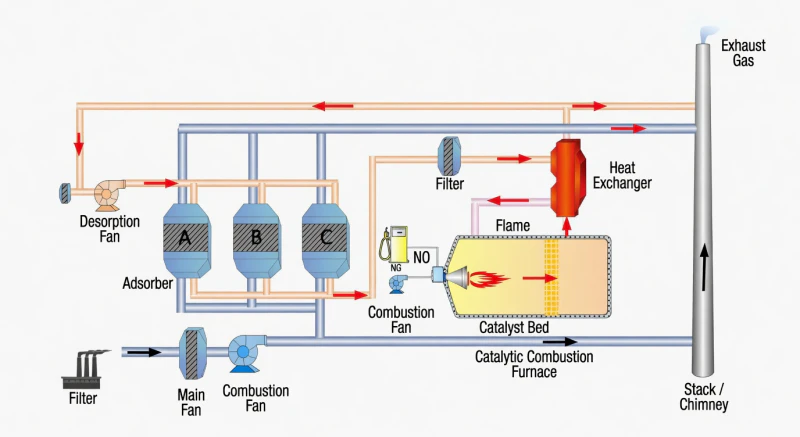
Fig 5: Holistic Interaction: Pre-Treatment safeguarding the Adsorption-Combustion Loop
Secure the Lifeline of Your Purification System
Don’t let dust and aerosols compromise your facility’s environmental compliance. Implement the power of multi-stage, sub-micron defense to ensure your zeolite molecular sieves provide high-efficiency capture for their entire engineering lifespan. Whether you are managing industrial paint booths or chemical processing halls, our custom-engineered pre-treatment housings provide the ultimate security. Contact our expert engineering team today to design a filtration strategy custom-tailored to your exact exhaust profile and maintenance goals.