Steel Production Emissions Control
Advanced Emission Control for Basic Oxygen Furnace (BOF) Converter Gas Streams
Specialized dry type electrostatic precipitators engineered for the extreme environments of converter gas recovery systems in basic oxygen furnace steelmaking. With 150+ successful installations in integrated steel mills worldwide, delivering comprehensive solutions for the most demanding industrial gas streams. Advanced technology achieves outlet emissions below 50 mg/Nm³ while recovering valuable converter gas for energy recovery and environmental protection. Dry collection without water ensures continuous operation, eliminates equipment corrosion, and enables complete dust recovery for steel plant recycling processes.
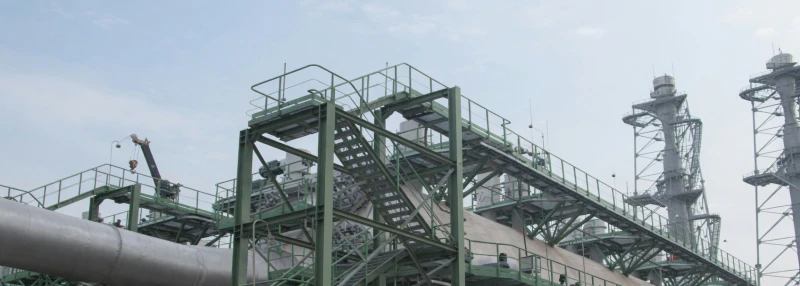
Converter Gas Recovery Presents Exceptional Emission Control Challenges in Steel Production
Basic oxygen furnace (BOF) steelmaking represents the world’s most widely employed steel production technology, converting liquid iron and scrap into refined steel through oxygen injection at extreme temperatures exceeding 1700°C. This violent combustion process generates converter gas—a valuable energy source containing 65-75% carbon monoxide (CO), 20-25% carbon dioxide (CO₂), and trace nitrogen—currently estimated at 300+ million tons annually in global production. This converter gas, when properly recovered and treated, provides critical energy for reheating, power generation, and other industrial processes. However, converter gas contains extremely fine, sticky dust with inlet concentrations reaching 1000+ g/Nm³, generated from iron oxide spallation, metallurgical dust carryover, and incomplete combustion particles. This extraordinary dust loading and composition create unique challenges requiring specialized collection systems fundamentally different from standard industrial applications.
The Converter Gas Paradox
Steel plants face conflicting pressures: environmental regulations increasingly demand emissions below 50 mg/Nm³ from converter gas recovery systems, while simultaneously requiring uninterrupted operation for continuous casting and rolling processes. Any emission control system failure cascades through the entire steel mill, halting production and creating economic losses exceeding millions of dollars per hour. Wet scrubbing systems, while effective for some applications, introduce operational complications including quenching temperature loss, corrosion from acidic condensates, and water disposal challenges. Dry electrostatic precipitation represents the optimal solution, eliminating water-related concerns while maintaining the energy value of recovered converter gas, but the extreme dust characteristics demand specialized technology and engineering expertise unavailable in standard industrial equipment.
Regulatory Requirements and Environmental Compliance
China’s GB28665 standard requires converter gas outlet emissions not exceed 50 mg/Nm³, with similar or stricter requirements in Europe and other jurisdictions. These regulations reflect both environmental protection objectives and recognition that recovered converter gas represents valuable energy that should not be wasted through inefficient collection. Modern integrated steel mills increasingly view emission control as integral to overall production efficiency—recovered converter gas energy contributes 15-20% of overall mill energy requirements, making optimization of both environmental performance and energy recovery economically critical. Dry electrostatic systems enable simultaneous achievement of environmental compliance and maximum energy recovery, making advanced converter gas ESP technology an economically rational investment for competitive steel producers.
The Solution: Dry type converter gas electrostatic precipitators represent the proven, economically optimal technology for comprehensive converter gas collection. These specialized systems address the extreme dust characteristics, temperature variability, sticky particle behavior, and continuous operation requirements of converter gas recovery through integrated technology combining advanced discharge electrodes, specialized collecting surface designs, high-frequency power supplies, and robust mechanical rapping systems preventing electrode blinding.
Specialized Components and System Design for Converter Gas Applications
.webp)
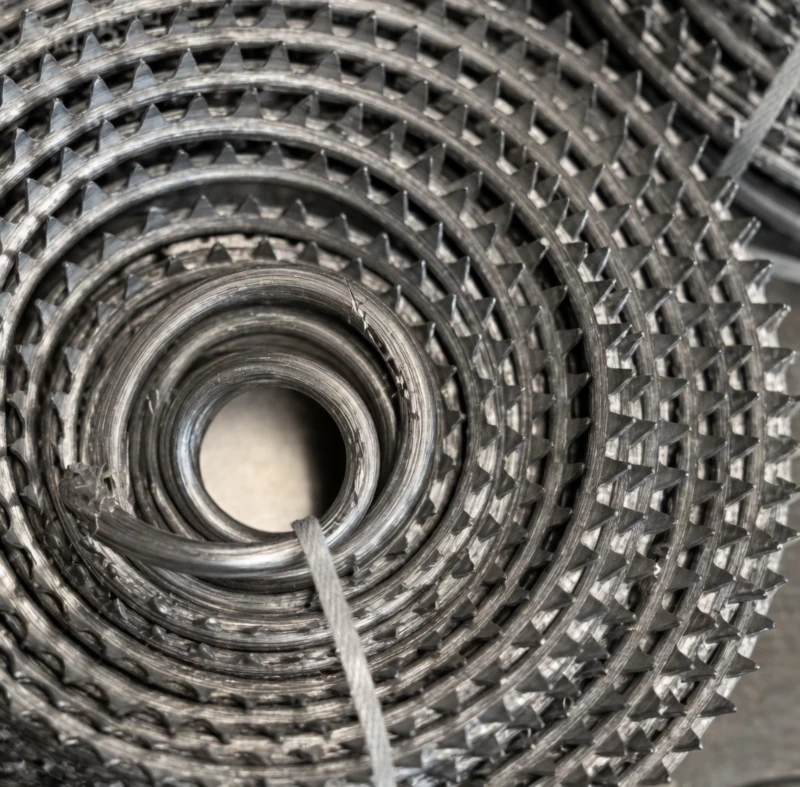
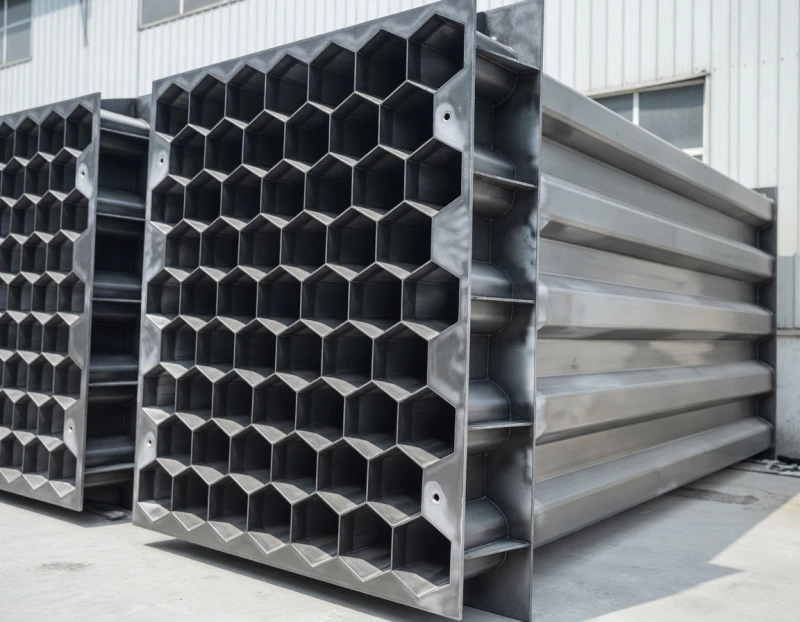
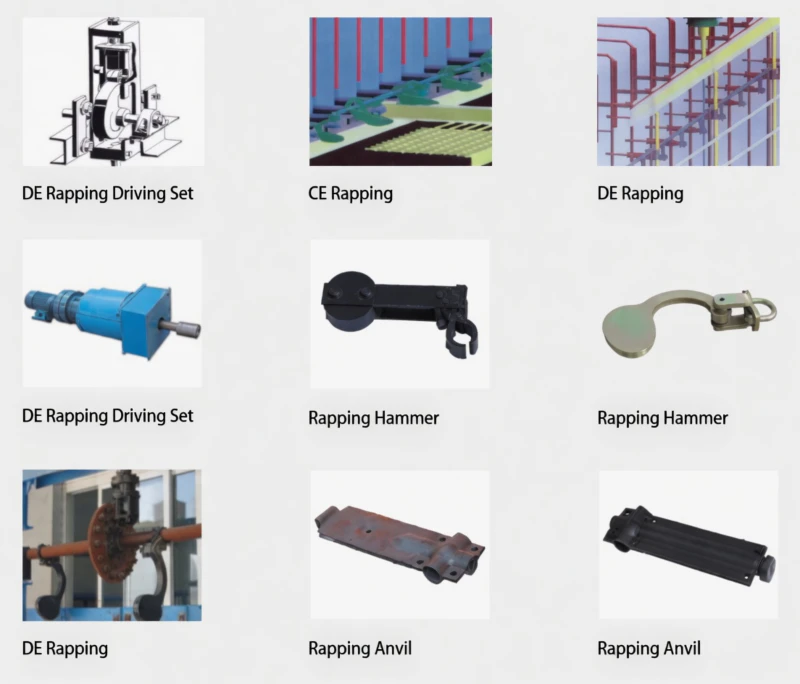
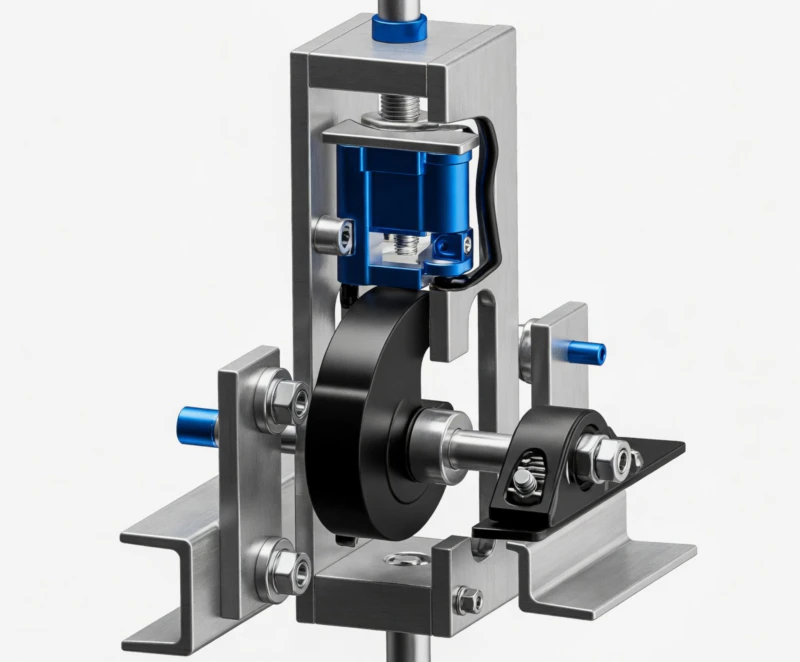
Mechanical Rapping and High-Frequency Power Supply Systems
Proven Applications Across Global Integrated Steel Mills and Converter Operations
Comprehensive Technical Specifications for Converter Gas Applications
| Parameter | Standard Converter ESP | High-Capacity Converter ESP |
|---|---|---|
| Gas Volume (m³/h) | 100k-400k | 200k-800k |
| Temperature (°C) | 150-250 | 120-280 |
| Inlet Dust (g/Nm³) | 300-1000 | 500-1500 |
| Outlet (mg/Nm³) | <50 | <50 |
| Collection Efficiency (%) | ≥99% | ≥99% |
| Pressure Drop (Pa) | 600-1200 | 700-1400 |
Maintenance, Support, and Continuous Optimization for Steel Mill Operations
Converter gas ESP systems in integrated steel mills require specialized maintenance approaches differing fundamentally from conventional industrial equipment. The extreme dust characteristics, high operational temperatures, and critical importance to overall mill efficiency demand predictive maintenance philosophies anticipating equipment degradation before failures impact production. Advanced monitoring systems track electrode voltage, current, and pressure drop trends enabling precise maintenance scheduling. Automated rapping systems adapt cleaning frequencies based on real-time dust loading, optimizing electrode cleanliness while preventing unnecessary mechanical stress.
24/7 Emergency Support and Spare Parts Availability
Steel mill production continuity depends on converter gas system reliability. Dedicated 24/7 emergency response teams provide response time under 2 hours for critical failures. Comprehensive spare parts inventory maintains converter-specific components at regional distribution centers. Pre-positioned electrode assemblies, high-voltage components, and rapping system modules enable rapid restoration. Technical teams trained specifically in converter gas system troubleshooting ensure swift problem identification and resolution.
Efficiency Optimization and Continuous Improvement
Modern converter gas ESP systems integrate with mill data systems enabling real-time performance monitoring and optimization. Artificial intelligence algorithms analyze dust loading patterns, temperature variations, and gas composition changes to predict optimal operational parameters. Regular system assessments identify opportunities for efficiency improvements and downstream equipment protection. Continuous adaptation to converter operation variations ensures maximum energy recovery value and environmental compliance throughout equipment service life.
>