
The Ionization Catcher is a cornerstone of modern emission control, widely used in industries such as chemicals, coking, carbon production, and spray painting[cite: 10, 14]. These systems are designed to achieve highly efficient treatment of viscous tar and particulate matter[cite: 10]. However, for an Ionization Catcher to maintain its high-voltage electric field safely, one small but critical component must perform flawlessly: the Insulator Box and its integrated electric heating device[cite: 35, 57].
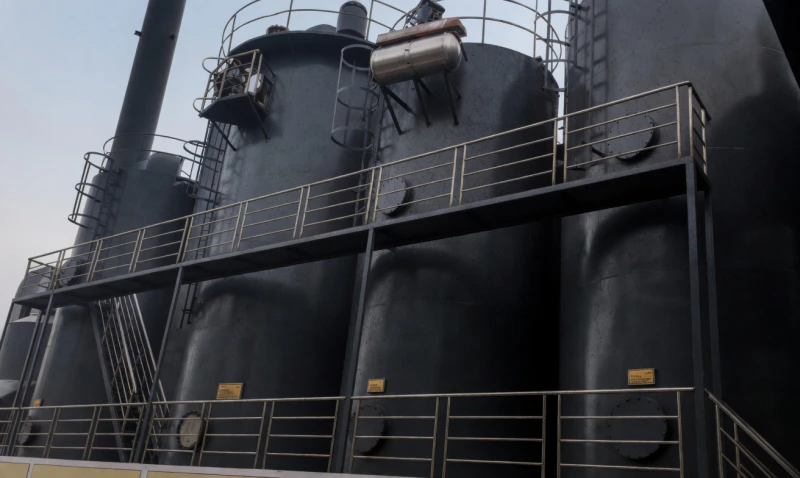
Large-Scale Ionization Catcher Implementation in a Commercial Industrial Facility
1. The Foundation: High-Voltage Ionization
To capture fine impurities, the Ionization Catcher applies a strong high-voltage DC electric field between the corona electrode and the precipitation electrode[cite: 23, 24]. When the smoke passes through this field, impurities adsorb negative ions and electrons, moving to the precipitation electrode under Coulomb force[cite: 23, 24].
This process requires tens of thousands of volts to ionize the surrounding gas medium[cite: 29, 50]. The discharge electrodes must be physically suspended within the tower while remaining electrically isolated from the grounded shell[cite: 49]. This isolation is provided by high-voltage porcelain bottles (insulators)[cite: 49].
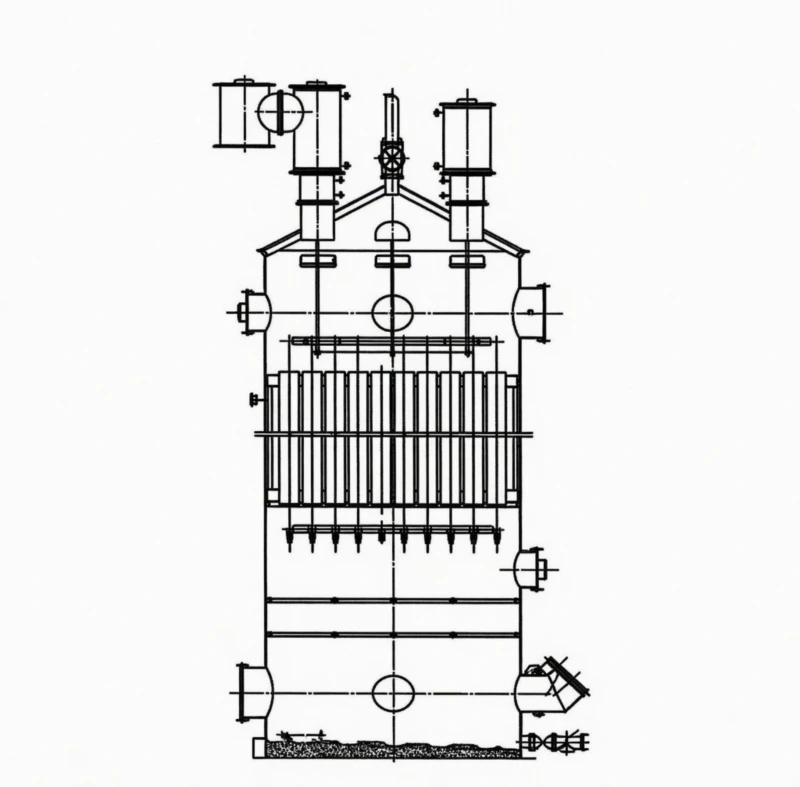
Technical Schematic of Internal Ionization and Adsorption
2. The Vulnerability of Porcelain Insulators
The insulator box is the mechanical interface between the electrical power source and the internal corona system. While porcelain is an excellent dielectric, its surface can become a path for electrical failure if environmental conditions are not meticulously controlled.
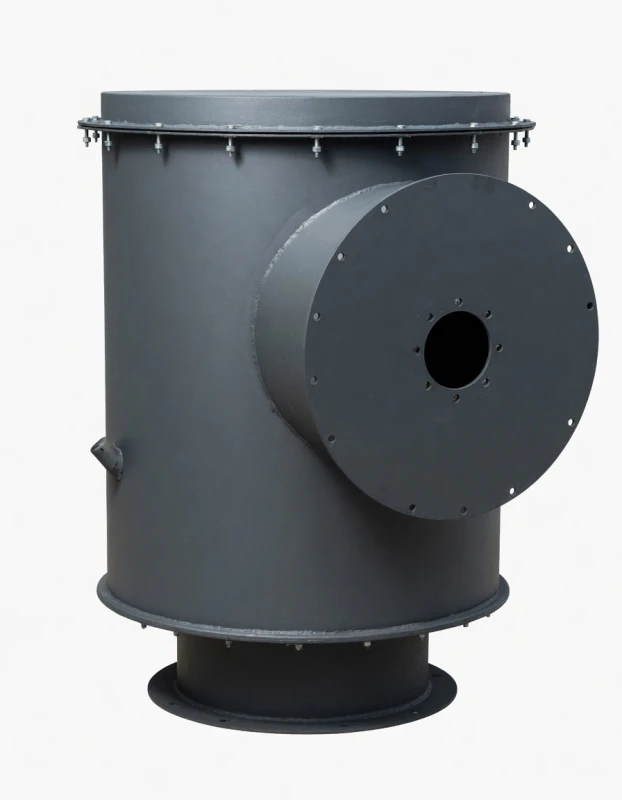
The External Insulator Box Housing Structure
The Threat of Condensation
The smoke processed by the system often contains water mist and moisture[cite: 23, 29, 50]. If the insulator box remains at ambient temperature, the humid flue gas can enter the box and hit the cold surface of the porcelain bottles. This results in condensation, forming a thin film of water on the porcelain surface.
Water is conductive, especially when mixed with fine soot or chemical particulates from the gas stream. This moisture film drastically reduces the surface resistance of the insulator, allowing electricity to “track” across the porcelain surface.
Electrical Arcing and Short Circuits
Once a conductive path is established, the high voltage will violently short-circuit against the grounded casing. This causes powerful electrical arcing that can crack the porcelain insulators or damage the suspension rods[cite: 49].
Furthermore, if the tar and dust from the chemical or coking industry condense on the insulator, they create a permanent sticky residue[cite: 14]. Without proper thermal management, the maintenance cost and failure rate of the system would make industrial operation impossible.
3. Thermal Engineering: The Heating Device
To eliminate the risk of condensation and tracking, advanced Ionization Catchers incorporate two critical thermal safeguards within the insulator housing.
Electric Heating and Insulation
The insulator is equipped with a thermal insulation box that acts as a physical barrier to the cold external environment[cite: 35, 56]. More importantly, it is fitted with an electric heating device[cite: 35, 57].
This device maintains the internal temperature of the box well above the dew point of the flue gas. By keeping the porcelain insulators hot and dry, the system guarantees that moisture never condenses on the dielictric surfaces. This maintains the maximum dielectric strength of the insulation system, ensuring that the high-voltage electricity remains concentrated on the discharge electrodes where it belongs.
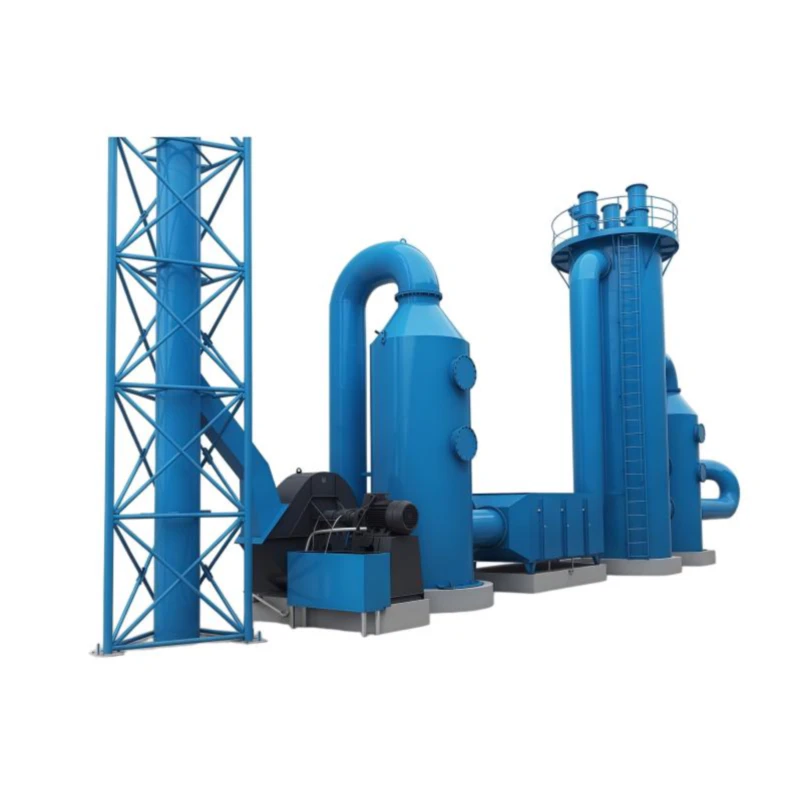
A Standalone Unit Incorporating High-Voltage and Thermal Safety
4. Integration with Intelligent Control
The heating device does not work in isolation. It is part of a complex electrical ecosystem managed by the High Voltage Control Cabinet[cite: 30, 31, 51].
Automation and Alarms
The High Voltage Control Cabinet manages work voltage adjustments, output, and operational fault alarms[cite: 31, 52]. If a heating element fails or the box temperature drops below a safe threshold, the system triggers an automatic cut-off to prevent arcing and protect the core components[cite: 31, 52].
Silicon Rectifier Coordination
The High Voltage Electrostatic Silicon Rectifier provides the DC high voltage needed for ionization[cite: 32, 54, 55]. This stable power output requires the insulation environment to be absolutely dry. The integrated heating system ensures that the power supplied by the silicon rectifier is utilized for dust capture with maximum energy efficiency and minimal electrical waste.
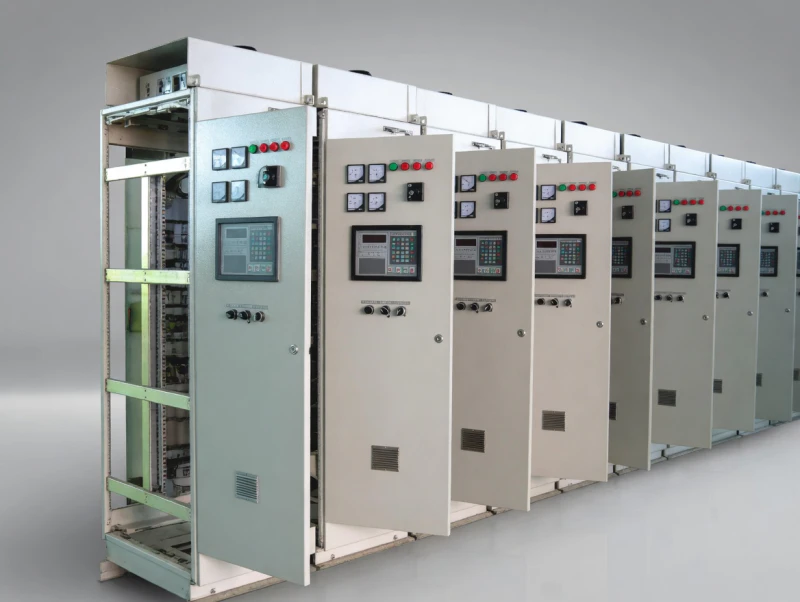
Control Cabinet and Power Rectification Hardware
5. Reliability through Engineering
By resolving the condensation problem with electric heating, our Ionization Catchers achieve stable, long-term performance. These systems boast an incredibly low aerodynamic wind resistance of just 300 Pa, ensuring that environmental compliance does not come at the cost of excessive energy consumption[cite: 59].
Adhering strictly to the ISO9001 management system, our manufacturing facilities utilize CNC cutting machines and robot automatic welding to produce robust housings that maintain structural integrity in corrosive environments[cite: 62, 65, 66, 68]. Every component, including the thermally managed insulator box, is engineered to exceed international industry standards.
Ensure Safe and Efficient Operation Today
Don’t let moisture compromise your plant’s safety and compliance. Our Ionization Catcher systems, featuring advanced thermal management and high-voltage automation, are designed for the most demanding multi-phase contaminant profiles. Contact our environmental engineering team today for a comprehensive consultation.