In the highly regulated modern industrial landscape, the abatement of Nitrogen Oxides is no longer merely a regulatory checkpoint; it is a profound engineering challenge that dictates the operational viability of manufacturing facilities worldwide. Nitrogen Oxides are primary contributors to photochemical smog, acid rain, and severe respiratory hazards. Consequently, environmental protection agencies globally are enforcing ultra-low and near-zero emission mandates. For facility managers operating coal-fired, gas-fired, or oil-fired boilers, the compliance roadmap generally presents a critical fork in the road: choosing between Selective Non-Catalytic Reduction and Selective Catalytic Reduction. While both processes share the ultimate goal of neutralizing toxic nitrogen compounds into harmless atmospheric nitrogen and water vapor, they operate on fundamentally divergent thermodynamic principles, spatial requirements, and economic models. This comprehensive technical guide deconstructs the chemical kinetics, application scenarios, and total cost of ownership associated with both technologies, empowering you to architect the perfect environmental compliance strategy for your facility.
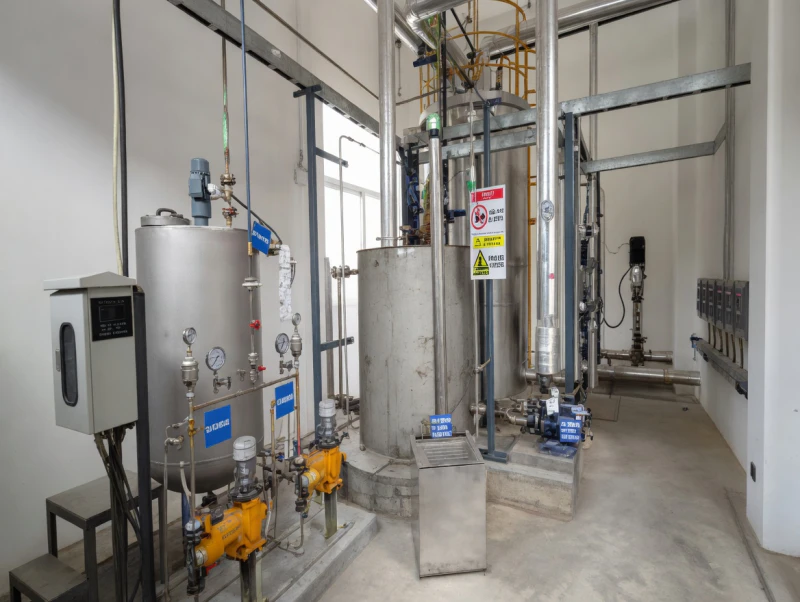
A Technical Benchmark in Industrial Flue Gas Treatment and Emission Control
1. The Chemical Battlefield: Thermodynamics vs. Catalysis
The fundamental distinction between these two environmental “surgeries” lies entirely in how they conquer the chemical activation energy required to break down Nitrogen Oxides. In any chemical reaction, a specific threshold of energy must be met for molecular bonds to break and reform.
The High-Heat Approach (SNCR)
Selective Non-Catalytic Reduction utilizes raw thermal energy to force the chemical reaction. It requires injecting an amino-containing reducing agent, such as concentrated ammonia water or urea solution, directly into the furnace. For the reaction to occur efficiently without a catalyst, it must take place within a highly specific, naturally occurring thermal window: strictly between 850 degrees and 1050 degrees Celsius. At these extreme temperatures, the reducing agent decomposes rapidly into ammonia radicals, which then selectively react with Nitrogen Oxides to form nitrogen gas and water vapor. If the temperature is too low, the ammonia will not react, leading to dangerous ammonia slip. If the temperature is too high, the ammonia will simply burn, oxidizing into even more Nitrogen Oxides.
The Precision Approach (SCR)
Selective Catalytic Reduction, conversely, introduces a specialized catalyst bed into the gas stream. The presence of these active catalytic substances artificially lowers the activation energy required for the reaction. Consequently, the identical chemical neutralization can occur at vastly lower temperatures—typically between 180 degrees and 400 degrees Celsius. The term “selective” denotes that under the influence of the catalyst, the reducing agent will preferentially seek out Nitrogen Oxides rather than being oxidized by the abundant oxygen in the flue gas.
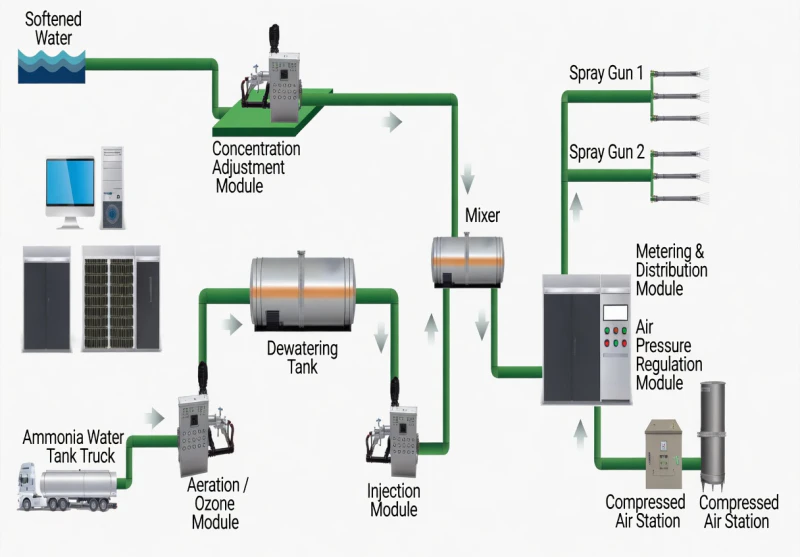
Process Topology: Utilizing the Furnace as the Primary Reaction Vessel
2. The Case for SNCR: Agility and Capital Efficiency
For small and medium-sized industrial boilers, municipal heating utilities, and operations where physical real estate is severely restricted, Selective Non-Catalytic Reduction offers a highly agile and capital-efficient compliance pathway.
Zero-Footprint Integration
The primary advantage of this technology is that it transforms the existing boiler structure into the chemical reactor. There is absolutely no requirement to construct massive, expensive external reactor housings. The physical installation is limited to a reagent storage area, a precise metering and pumping skid, and a network of high-pressure injection lances mounted directly through the walls of the boiler furnace.
Performance Realities
While capital expenditure is exceptionally low and the construction period is remarkably short, operators must accept a lower ceiling on overall efficiency. Long-term field performance typically stabilizes between 30 percent and 60 percent removal efficiency. While this is entirely sufficient for conventional regulatory compliance in many regions, it may fall short of ultra-low emission mandates unless augmented with proprietary chemical additives, which can reliably boost performance by an additional 5 percent.
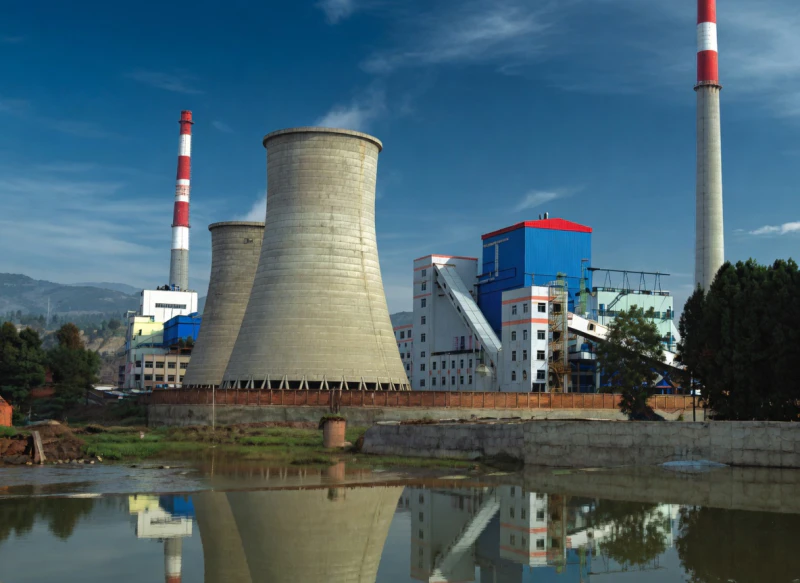
Versatile Deployment Across Small and Medium Industrial Boilers
3. The Case for SCR: Uncompromising Mega-Scale Performance
Mastering Near-Zero Compliance
When industrial operations—such as massive thermal power plants, high-capacity cement kilns, and glass manufacturing furnaces—are subjected to uncompromising ultra-low emission mandates, the Selective Catalytic Reduction system is the only viable technological response. This system guarantees continuous, reliable Nitrogen Oxide removal efficiencies exceeding 95 percent.
The technological heart of this system is the catalyst bed. Depending on the dust load and chemical profile of the flue gas, engineers deploy different topologies. Honeycomb catalysts command the majority of the market due to their immense specific surface area and lightweight structural integrity. Conversely, plate-type catalysts, built upon rigorous metal frameworks, are deployed in environments with extremely high particulate loads to prevent physical blockages and maintain aerodynamic efficiency over thousands of hours of continuous operation.
While the initial capital expenditure for the reactor housing and the catalyst modules is significant, the long-term operational expenditure is offset by highly optimized reagent consumption. Because the catalyst acts as a chemical director, ammonia utilization is nearly perfect, virtually eliminating the risk of unreacted ammonia slipping into the downstream atmosphere.
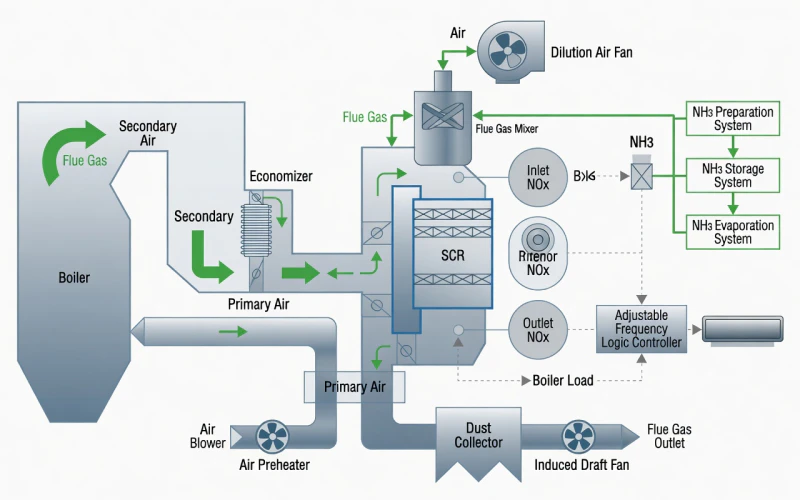
The Intricate Flow Dynamics of Catalytic Neutralization
4. The Strategic Selection Matrix: Aligning Technology with Reality
Making the correct engineering decision requires evaluating the unique physical layout, financial parameters, and regulatory environment of your specific facility. The following matrix provides a clear, uncompromising comparison of both technologies.
| エンジニアリングメトリック | Selective Non-Catalytic Reduction | 選択的触媒還元 |
|---|---|---|
| Guaranteed Removal Efficiency | Moderately Effective (30% to 60%) | Exceptionally High (Greater than 95%) |
| Required Thermal Window | Extreme Heat (850 to 1050 Celsius) | Moderate Heat (180 to 400 Celsius) |
| Reagent Consumption Dynamics | High Consumption due to lack of selectivity | Highly Optimized and efficient usage |
| 初期設備投資 | Low (No massive reactor structures required) | Substantial (Catalyst modules and large housing) |
| Risk of Ammonia Slip | Elevated without advanced intelligent PID control | Minimal (Reaction tightly controlled by catalyst) |
5. Universal Asset Protection: Maintaining Aerodynamic Purity
Combating Ammonium Bisulfate
Regardless of which “surgery” you select, both processes introduce ammonia into the gas stream. If the reaction is incomplete, unreacted ammonia will travel downstream and interact with sulfur trioxide in the cooling exhaust, synthesizing a highly viscous, sticky compound known as ammonium bisulfate. This substance binds with circulating fly ash to form concrete-like deposits that clog catalyst pores and block convective heat transfer tubes.
To secure the facility against this threat, integrated Soot Blowing Systems are mandatory. Utilizing high-energy acoustic resonance or high-velocity steam lances, these automated subsystems periodically blast the internal components, shattering dust bridges and stripping away sticky deposits. By keeping the aerodynamic pathways entirely clear, the soot blowers prevent severe pressure differentials, which in turn drastically reduces the electrical power consumption of the massive induced draft fans.
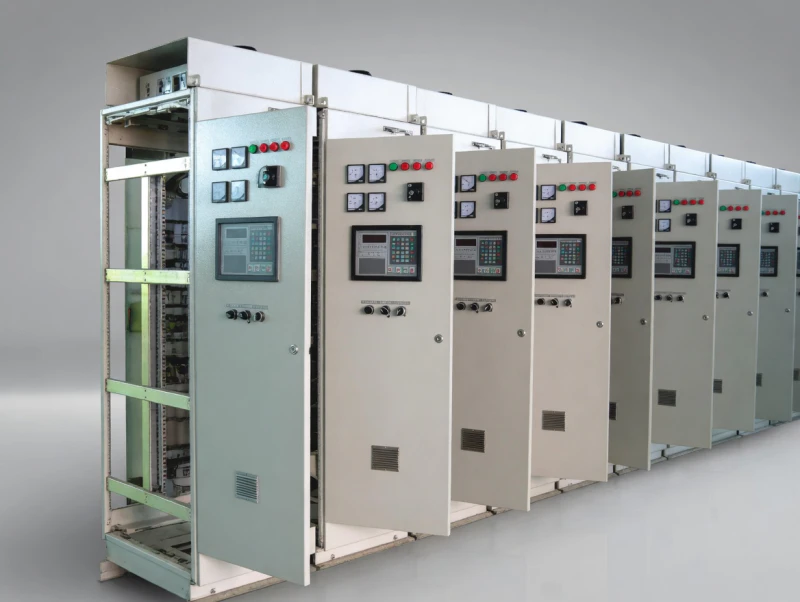
Ionization Catchers for Sub-Micron Filtration
Architect Your Comprehensive Compliance Strategy
Navigating the complexities of industrial emission control requires more than standard equipment; it requires precision engineering tailored to your facility’s exact thermodynamic reality. Whether your operation demands the high-agility, zero-footprint integration of Selective Non-Catalytic Reduction, or the uncompromising, mega-scale compliance guaranteed by Selective Catalytic Reduction, the path forward must be built on empirical data and deep technical expertise. Contact our elite engineering division today to commission a specialized site audit and determine the optimal denitrification architecture for your industrial assets.