Introduction to the Desulfurization System Process
Our company specializes in providing efficient and reliable complete desulfurization solutions for industrial flue gas treatment. Our comprehensive product line includes Single Alkali (Soda Ash), Limestone-Gypsum, SDS (Dry), and SDA (Semi-Dry) desulfurization systems.
Full-Service Integration
We integrate R&D and design, precision manufacturing, engineering installation, and intelligent commissioning into a seamless, full-service turnkey system tailored to your facility.
The BL Series Benchmark
Refined through numerous projects, our BL series has become a technical benchmark in the environmental protection industry. Through continuous optimization, it has achieved internationally advanced levels in structural rationality and operational stability.
Ultra-Low Emissions
With profound technical expertise, our systems fully meet various stringent standards ranging from conventional emission limits to ultra-low and near-zero emission requirements across key industrial sectors.
Desulfurization Technology Selection Comparison
Selecting the right desulfurization technology depends on your specific flue gas volume, sulfur concentration, site space, and byproduct requirements. Use our selection matrix below to find the optimal process for your facility.
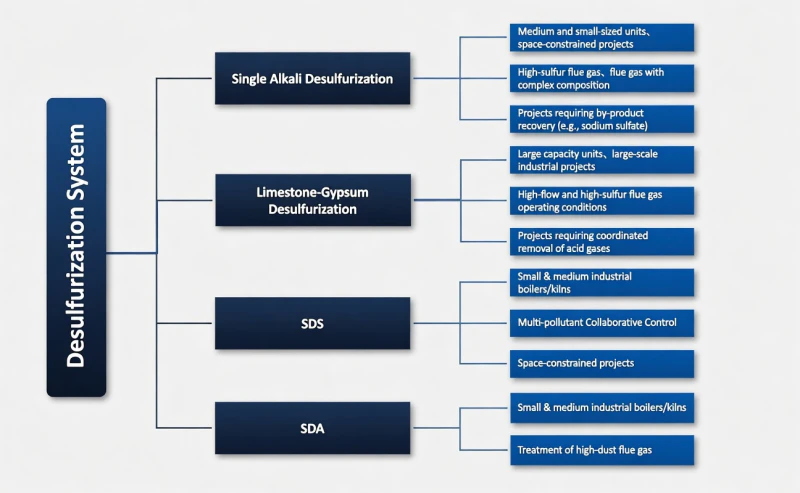
Note: Consult with our engineering team for a precise technical assessment based on your operational data.
Single Alkali Desulfurization System
The Single Alkali Desulfurization System (Sodium Alkali Method) is a high-performance solution designed for the rapid removal of SO2 and acidic pollutants from industrial flue gas. By utilizing NaOH or Na2CO3 as absorbents, it provides an efficient, scaling-free operation.
This system is specifically optimized for facilities requiring a compact footprint, lower initial investment, and ultra-fast reaction kinetics, ensuring strict compliance with global emission standards.
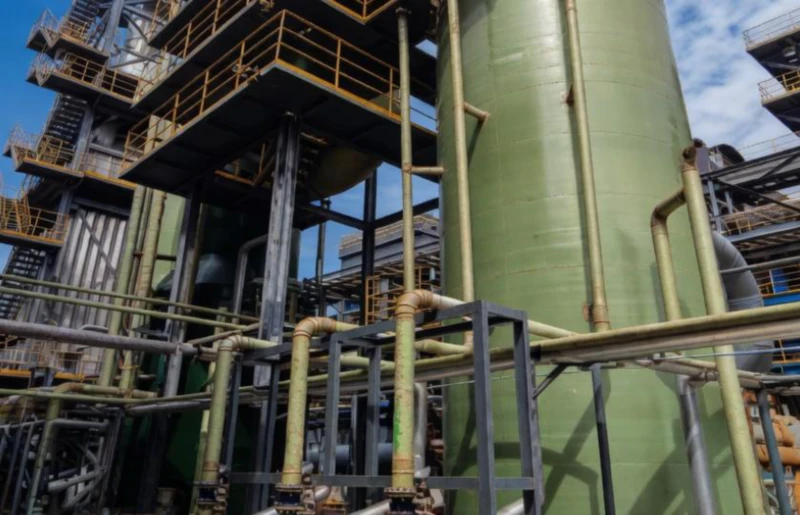
Precision Structural Mix
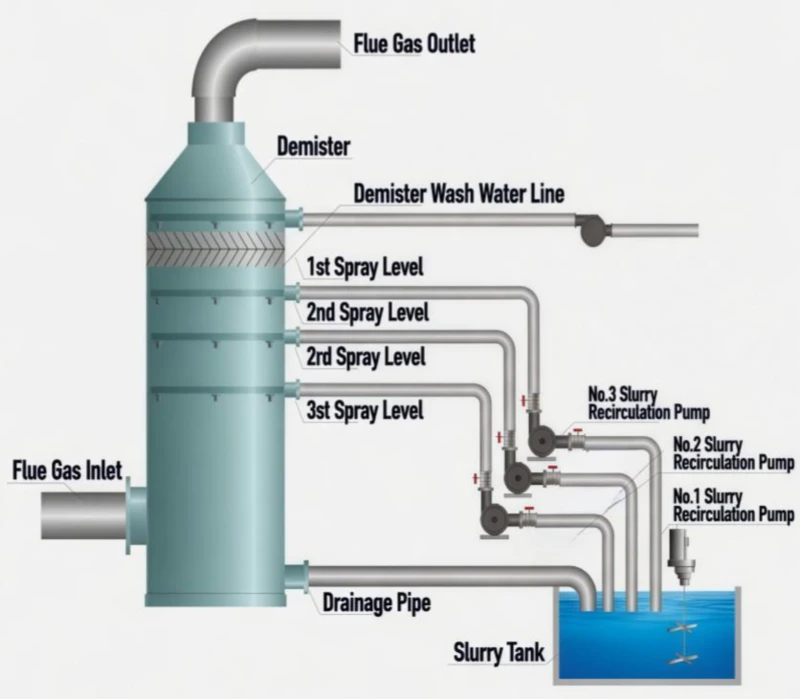
Our system is built with high-grade materials and integrated components to ensure long-term operational stability and ease of maintenance:
- 01. Flue Gas Inlet
- 02. Spray Layer
- 03. Demister
- 04. Flue Gas Outlet
- 05. Platform & Ladder
- 06. Circulation Pump
- 07. Wash Pump
- 08. Circulation Water Tank
- 09. Wash Water Tank
- 10. High-Torque Agitator
How It Works
The core principle relies on the chemical reaction between the atomized alkaline slurry and SO2. The sodium-based absorbent rapidly neutralizes acid gases through a three-step process:
1. Absorption
SO2 in the flue gas dissolves into water droplets within the spray zone, forming sulfurous acid.
2. Neutralization
The acid reacts with NaOH to form sodium sulfite, the primary stable product of the reaction.
3. Saturation
In cases of high SO2 concentration, sodium sulfite further reacts to form sodium bisulfite.
Optimized For
Small/Medium Boilers
Perfect for industrial kilns and boilers with low to medium sulfur output.
Limited Site Space
Compact design allows for easy integration into existing narrow facilities.
Complex Flue Gas
Handles exhaust streams with high sulfur content or complex chemical profiles.
By-product Projects
Ideal for projects requiring the recovery of sodium-based chemical by-products.
Need Full Technical Parameters?
Discover the complete range of capacities, material options, and engineering blueprints on our dedicated product page.
View Full Product SpecificationsLimestone-Gypsum Flue Gas Desulfurization (FGD)
The Limestone-Gypsum FGD process is the most widely adopted technology for large-scale industrial flue gas treatment. It uses limestone slurry as an absorbent to remove sulfur dioxide from flue gas, achieving efficiencies over 98%.
Our system is engineered for maximum reliability and continuous operation, converting harmful emissions into high-purity gypsum for commercial reuse, fulfilling both environmental and economic goals.
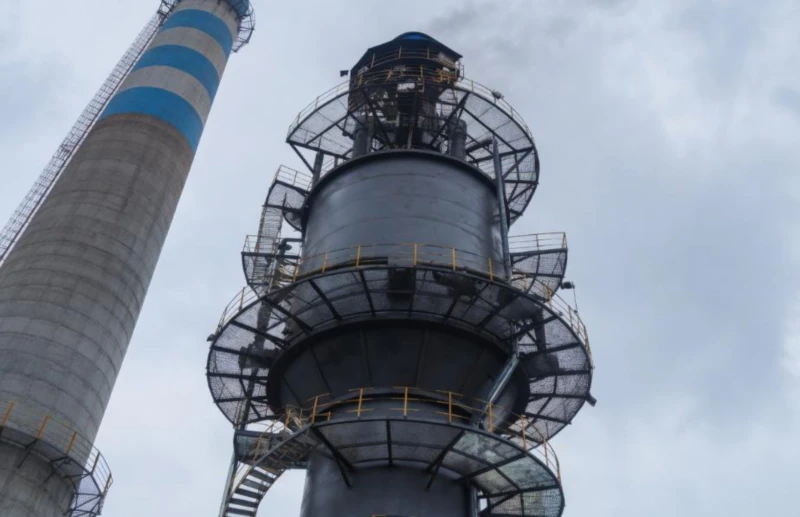
Precision Structural Design
The FGD absorber tower is the core of the system, featuring high-grade anti-corrosive materials and high-efficiency internal components:
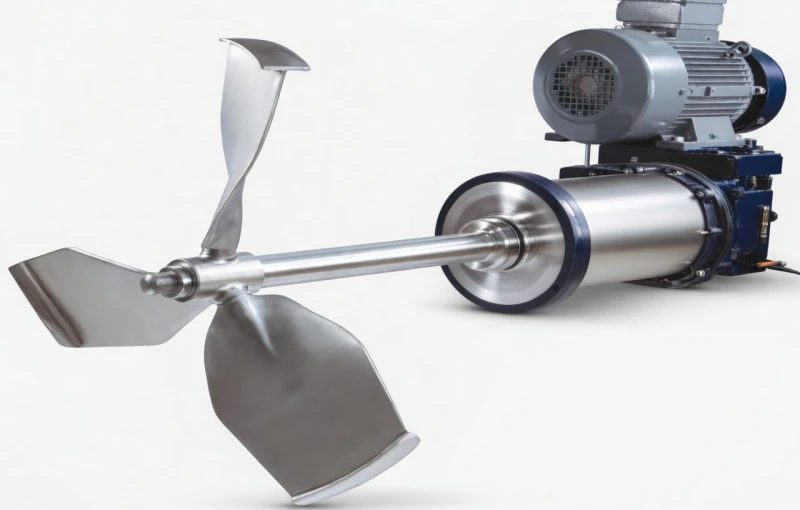
- 01. Heavy Duty Agitator
- 02. Oxidation Zone
- 03. Flue Gas Inlet
- 04. Alloy Tray System
- 05. Absorption Zone
- 06. Multi-stage Spray Layer
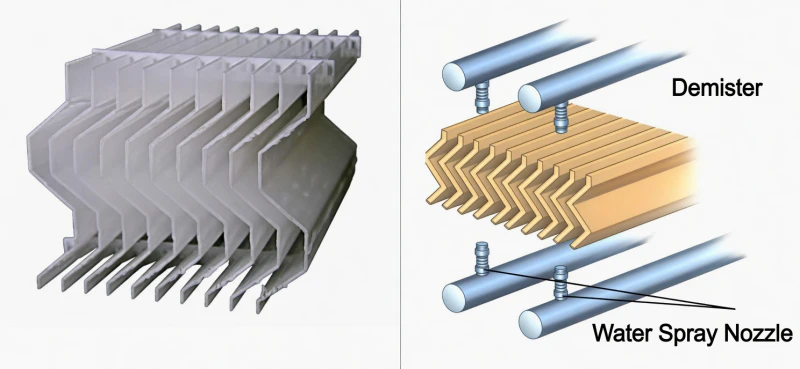
- 07. High-Efficiency Demister
- 08. Demister Flushing
- 09. Clean Gas Outlet
- 10. Slurry Circulation Pump
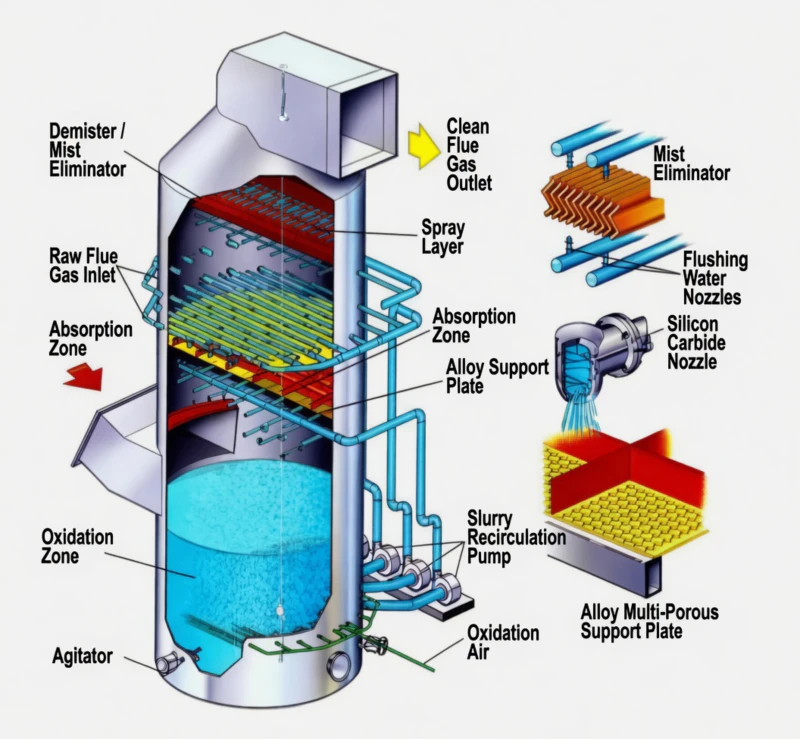
Working Principle & Reaction Mechanism
The flue gas flows counter-currently to the limestone slurry. Through a series of dissolution, neutralization, and oxidation steps, sulfur dioxide is transformed into gypsum.
1. Absorption
SO2 dissolves into the slurry droplets, reacting with calcium carbonate to form calcium sulfite.
2. Neutralization
Acidic sulfite ions are neutralized by the alkaline limestone dissolution products.
3. Forced Oxidation
Injected air oxidizes the calcium sulfite into stable calcium sulfate dihydrate (Gypsum).
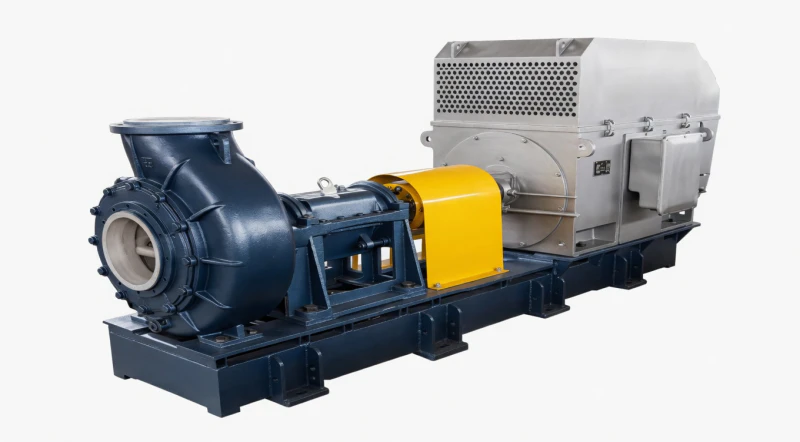
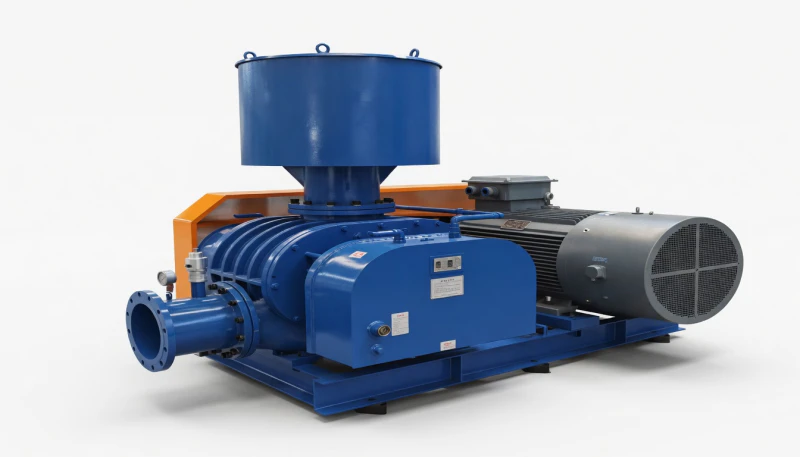
High-Performance Industrial Hardware
Optimized For Global Industries
Power Generation
Large-scale thermal power plants requiring ultra-low emission standards.
Cement & Steel
Heavy industrial facilities with high-flow and high-sulfur exhaust gases.
Circular Economy
Projects focused on the commercial reuse of desulfurization by-products.
Need Full Technical Specs?
Access detailed capacity ranges, material certifications, and custom engineering blueprints for your specific project.
View Detailed Product PageSDS Dry Desulfurization System
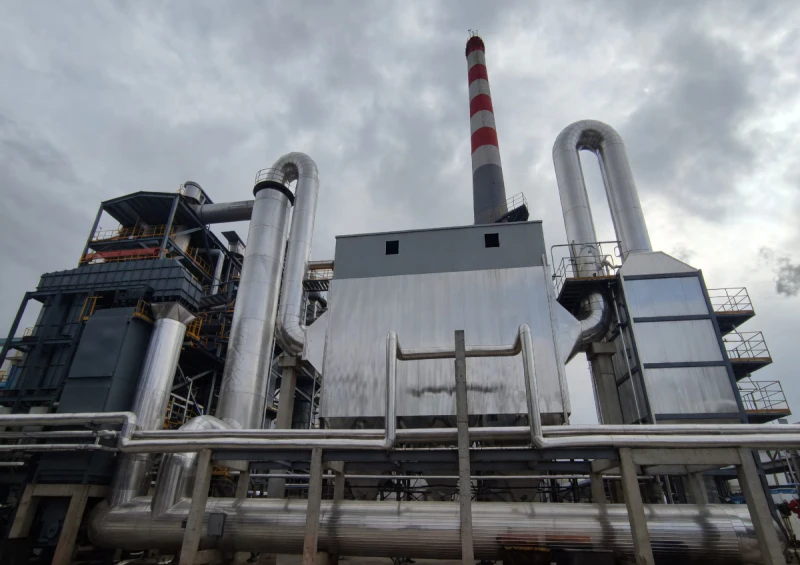
The SDS (Sodium Bicarbonate Dry Injection) Desulfurization System is a highly advanced, space-saving technology designed for the efficient removal of acidic pollutants from industrial flue gas.
Operating efficiently within a temperature range of 140–260°C, this system avoids the generation of wastewater entirely. By injecting ultra-fine sodium bicarbonate powder directly into the reactor, it rapidly neutralizes SO2 and other acidic substances, offering a streamlined, highly automated, and low-maintenance solution for modern emission control.
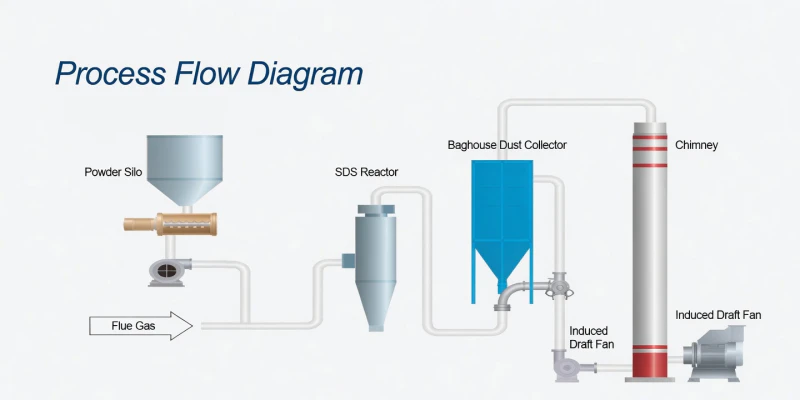
Process Flow Diagram
The SDS system features a highly integrated layout comprising a powder silo, an SDS reactor, a high-temperature bag filter, and an induced draft fan, ensuring continuous and stable operation.
Working Principle
Flue gas extracted from the flue duct (at 140–260°C) enters the SDS reactor where ultra-fine sodium bicarbonate powder is injected. Activated by the heat, the powder decomposes into highly active sodium carbonate, which rapidly absorbs and purifies the SO2. The powdery dust is then captured by the bag filter.
1. Main Desulfurization
The thermally activated sodium carbonate makes full contact with the flue gas, directly reacting with sulfur dioxide to form sodium sulfite.
2. Oxidation Side Reaction
In the presence of oxygen within the flue gas stream, the sodium sulfite is further oxidized to form stable sodium sulfate.
3. Sulfuric Acid Mist Removal
A small amount of SO3 in the gas also reacts with the absorbent, successfully removing sulfuric acid mist and avoiding equipment corrosion.
Process Features
⚡ Ultra-High Efficiency
The ultra-fine sodium bicarbonate is perfectly activated by high-temperature flue gas, achieving a desulfurization efficiency of over 95%.
💰 Cost-Effective Supply
Utilizes easily accessible domestic sodium bicarbonate to produce the ultra-fine powder, ensuring low operational costs and a highly stable supply chain.
🌡 High-Temp Resistance
The integrated bag filter utilizes premium filter materials capable of withstanding temperatures above 260°C, guaranteeing stable, long-term operation.
🔄 Optimal Mixing Dynamics
Equipped with proprietary SDS injection and mixing components that improve gas-solid contact, ensuring a residence reaction time of more than 4 seconds.
⚙ Advanced Classifying Mill
Adopts a classifying mill providing a powder output fineness above 1000 mesh (below 15 μm). It features a large crushing ratio and excellent product particle sizing.
🤖 Automated Vacuum Feeding
The system adopts a highly automated vacuum feeding system for the absorbent powder, drastically reducing labor intensity and ensuring a clean work environment.
Applicable Industrial Scenarios
Small & Medium Boilers
Perfectly scaled for industrial boilers and kilns requiring effective, dry emission control.
Space-Constrained Sites
Without the need for large liquid slurry tanks or wastewater treatment, it's ideal for tight facility footprints.
Multi-Pollutant Control
Capable of synergistic control, effectively neutralizing SO2, SO3, and capturing fine dust simultaneously.
Review Technical Specifications
Need detailed information on processing air volumes, system resistance, and integration requirements? Visit our product page for full engineering data.
View Full Product DetailsSemi-Dry Desulfurization (SDA) System
The Semi-Dry Desulfurization (SDA) technology is a mainstream, highly efficient alternative to traditional wet processes. It relies on the contact between an atomized alkaline slurry and high-temperature flue gas to achieve rapid evaporation, drying, and gas-liquid-solid three-phase acid-base neutralization.
Achieving desulfurization efficiencies of over 95%, the most significant advantage of the SDA system is that it generates no large amounts of wastewater during the entire process, making it an environmentally and economically superior choice for modern industrial facilities.
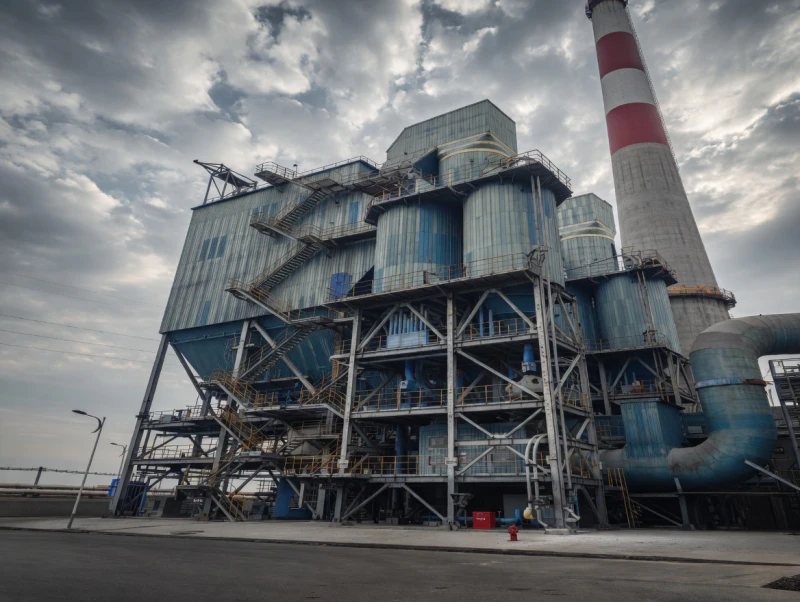
Working Principle & Synergistic Control
Suitable for treating medium to high-temperature flue gas (140°C - 220°C), the system not only neutralizes sulfur dioxide but also realizes multi-pollutant synergistic control by capturing other acidic gases simultaneously.
Three-Phase Neutralization
As the high-temperature gas meets the atomized slurry, moisture evaporates instantly while acidic sulfur oxides are converted into dry, solid salts. All reaction products are solid powders, easily collected downstream.
Removal of Sulfur Trioxide
The system effectively neutralizes SO3, forming solid calcium sulfate dihydrate and preventing severe acid mist corrosion in downstream equipment.
Removal of Hydrogen Chloride
Commonly found in waste incineration or kiln gases, HCl is neutralized into calcium chloride, which solidifies instantly upon droplet drying.
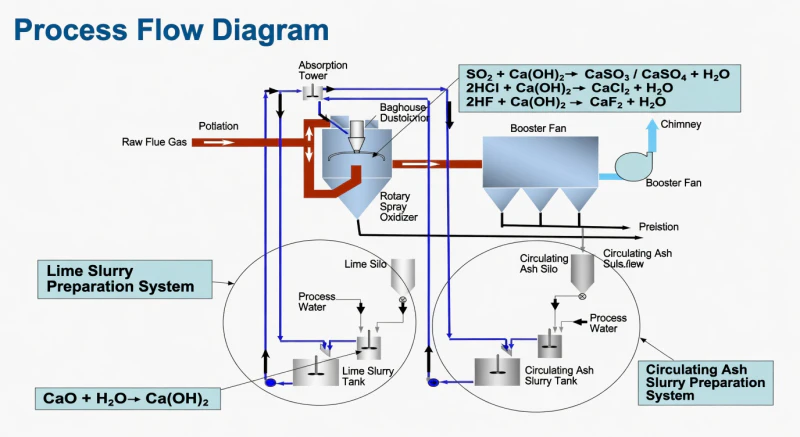
System Composition & Process
- 1. Dual-Path Gas Injection Flue gas enters the absorption tower through the original flue duct in two precise upper and lower paths, dispersing evenly into the spray drying absorption chamber.
- 2. Atomization & Absorption The hot gas contacts finely atomized lime slurry droplets with an average diameter of just 60μm. Acidic components are rapidly absorbed while moisture evaporates simultaneously.
- 3. Dry Powder Formation By strictly controlling gas distribution and slurry flow rates, droplets dry completely before reaching the chamber walls, forming powdery desulfurization products (mainly calcium sulfite).
- 4. Dust Filtration & Exhaust The treated flue gas and solid powders enter the bag filter. Suspended particulate matter is removed, and the purified gas is drawn out safely by the booster fan.
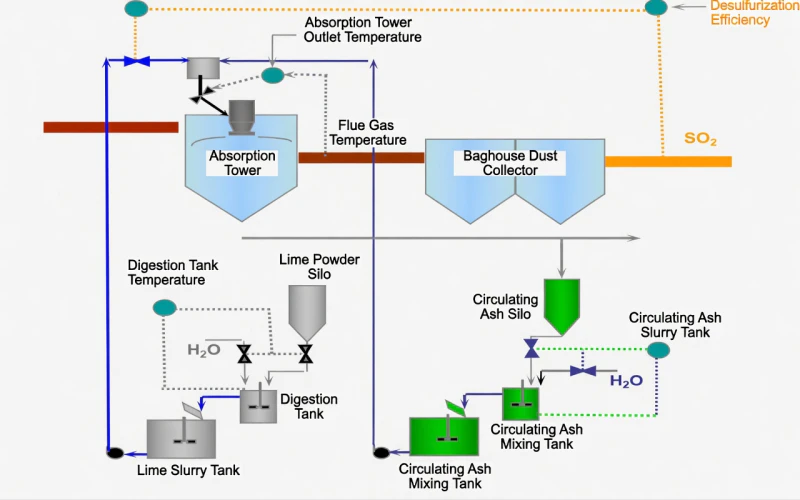
Ideal Industrial Scenarios
Utility Boilers & Kilns
Perfectly suited for treating medium to high-temperature emissions (140°C - 220°C) from industrial kilns and boilers.
Water-Scarce Regions
Because the system generates zero wastewater, it eliminates the need for expensive water treatment facilities.
Waste Incineration
Highly effective for incineration plants due to its unique ability to simultaneously capture HCl, HF, and SO3.
Get Detailed Engineering Data
Review full technical parameters, resistance specs, and custom layout capabilities for our Semi-Dry Desulfurization solutions.
View Full Product SpecificationsWhy Choose Our Desulfurization Solutions?
We don't just supply equipment; we deliver peace of mind. With decades of profound technical expertise, we ensure your facility easily meets and exceeds the most stringent ultra-low and near-zero emission requirements.
Turnkey EPC Capabilities
From initial R&D and precision manufacturing to on-site engineering installation and intelligent commissioning, we integrate everything into a seamless, full-service system to eliminate project delays.
The BL Series Benchmark
Refined through numerous high-profile projects, our proprietary BL series has achieved internationally advanced levels in structural rationality, operational stability, and overall desulfurization efficiency.
100% Tailored Engineering
Whether you require a compact Single Alkali setup, a robust Limestone-Gypsum tower, or a zero-wastewater SDA/SDS system, our fluid dynamics engineers match the exact technology to your operational parameters.
Cross-Industry Success
Our robust systems have been successfully deployed and rigorously tested in the most demanding industrial sectors globally, including Steel, Coking, Power Generation, Metallurgy, Cement, and Chemical Engineering.